



World Views
Jewish Conservatives Grapple With Rising Anti-Israel Rhetoric and Internal Political Divisions
Major gatherings of Jewish conservatives in Manhattan this week highlighted deep anxieties surrounding the political landscape, focusing intensely on the surge of anti-Israel rhetoric and the increasing influence of left-wing political groups in Congress. Attendees at both the Zionist Organization of America’s annual gala and the Tikvah Fund’s Jewish Leadership Conference voiced alarm over the growing presence of Democratic Socialists of America members entering legislative bodies, a trend they view as fundamentally threatening to pro-Israel advocacy.
The Political Climate and Calls for Action
Leaders at the events, including ZOA President Mort Klein, strongly denounced the ideological positions of the DSA, which has endorsed several left-leaning candidates critical of Israel. Klein cautioned against what he described as dangerous political trends, equating accusations of Israeli genocide to historical antisemitic propaganda. The organization is actively lobbying political figures, including President Donald Trump, to deliver public addresses specifically addressing hatred directed at Jewish people and Israel, rather than general societal animosity. This push extends to urging congressional representatives and religious leaders to adopt similar public stances.
Debating the Future of American Jewry
A significant portion of the discussion centered on the perceived shift in young Jewish voters. Several speakers criticized organizations like J Street, a liberal Middle East advocacy group, asserting that it was misleading younger generations. Prominent attorney Alan Dershowitz asserted that the group was ‘the most dangerous organization to Zionism,’ claiming it falsely legitimized anti-Zionist attitudes among youth. This concern was underscored by discussions regarding voting patterns, with some attendees expressing dismay over Jewish votes cast for left-wing or Muslim candidates.
The GOP Succession Dilemma
Beyond the immediate political threats, the gatherings also examined the future of the Republican Party. While some attendees expressed hope that the political tide could turn back to the GOP by 2028, this optimism was tempered by internal party debates. There was notable friction regarding Vice President JD Vance, whose recent remarks criticizing the U.S.-Israel relationship drew sharp rebuke from pro-Israel conservatives. Some attendees argued that Vance’s political positioning was detrimental to the party’s appeal to Jewish voters.
While some urged a renewed focus on expanding Jewish education as a preventative measure, others questioned the efficacy of this long-standing strategy. The consensus among many conservative attendees was a demand for stronger, more vocal political alignment, suggesting that the current trajectory of anti-Israel sentiment and internal political division poses a severe challenge to the traditional allegiances of American Jews.
World Views
Israel’s Political Abyss: Coalition Leader Maps Out High-Stakes Paths to Prevent Government Collapse
Amid escalating political turmoil and intense national pressure, a leading coalition figure has laid out three distinct, high-risk strategies to form a new government in Israel. Gadi Eisenkot, head of the Yashar party, is urgently seeking a political solution, citing Prime Minister Benjamin Netanyahu’s rhetoric as a catalyst for a severe national crisis. Eisenkot warned that the nation is approaching a critical juncture, where the current leadership’s actions threaten Israeli society and its standing globally.
The Three Paths to Stability
Eisenkot detailed his plans in a lengthy public post, outlining options that require breaking previous campaign promises. The first strategy involves securing the support of the ultra-Orthodox community (Haredi parties). While this was once considered politically impossible due to the anti-Netanyahu bloc’s platform, discussions are reportedly underway to craft an arrangement that addresses security needs while codifying non-military service options. However, this path faces internal resistance, as the bloc originally campaigned on ending military service exemptions for the Haredi population.
Challenges and Compromises
The second option is establishing a unity government with Netanyahu’s Likud party. While initial talks occurred, the process reportedly stalled over Netanyahu’s insistence on retaining the premiership in a rotational agreement. Another key partner, Avigdor Liberman, dismissed this possibility outright, asserting that cooperating with Netanyahu under any arrangement was unacceptable. The third, and most controversial, path involves forming a minority government that relies on the votes of Arab-led Knesset members, without necessarily including them in the cabinet. This proposal met immediate and categorical opposition from Liberman and other opposition leaders, who argued that such a move would only benefit Netanyahu ahead of future elections.
The Stakes of Failure
Eisenkot stressed the extreme danger posed by the current political climate, arguing that the outgoing prime minister’s language targeting Arab parties places a significant portion of the Arab Israeli population at risk. He noted that the window of opportunity for forming a stable government is closing rapidly. President Isaac Herzog had previously granted Eisenkot a mandate to attempt government formation. The political maneuvering is fraught with peril, as even within Eisenkot’s own bloc, there is deep disagreement over whether to compromise with the ultra-Orthodox, attempt a difficult alliance with Likud, or risk relying on Arab-led support. The ultimate decision rests with the members of the Knesset, who must weigh the immediate need for stability against the long-term political principles of their respective parties.
World Views
Internal Pressure and Military Strain Force Hezbollah to Seek Truce from Tehran
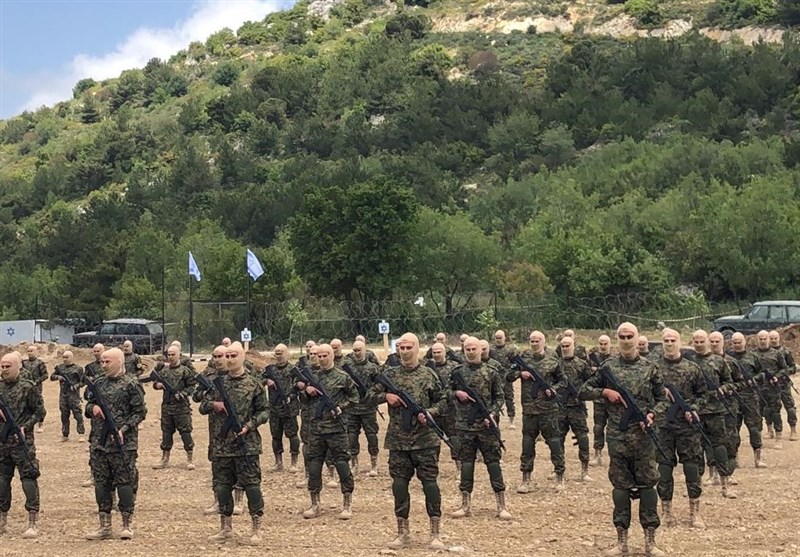
The Iranian-backed militant group Hezbollah is reportedly maneuvering to avoid involvement in an escalating regional conflict, seeking guidance from Tehran amid intense domestic pressure and looming threats of military retaliation from Israel. As the conflict between Israel and Iran intensifies, the powerful Shia organization is facing a critical internal reckoning, recognizing that another large-scale war could devastate its own community and undermine its military capacity.
The Shifting Sands of Lebanese Public Opinion
The pressure on the group is mounting from multiple angles. The Lebanese government, led by President Joseph Aoun, has forcefully renewed its demands for the group to surrender its arsenal, insisting that the state must maintain a monopoly on weaponry. Aoun has publicly stressed that military action is not the solution, but rather that diplomacy is the only viable path forward to protect the nation’s future. He stated that the group’s armaments are now being utilized to advance regional political aims rather than serving Lebanese interests.
This governmental push aligns with a growing sentiment within the Shia community. Recent surveys conducted by the Statistics Lebanon Institute revealed that a significant majority of respondents support the transfer of Hezbollah’s weapons to the state. Furthermore, a substantial portion of the populace showed support for some form of diplomatic agreement or mediation with Israel, indicating a major shift away from the group’s historical base of support.
Military Exhaustion and Strategic Retreat
Facing the fallout from a recent war with Israel, which caused widespread displacement and damage across Lebanon, Hezbollah has reportedly communicated to Iran’s Islamic Revolutionary Guard Corps (IRGC) that it lacks the necessary military strength and domestic backing to endure another major confrontation. The group warned that its forces are depleted and its infrastructure is severely damaged, limiting its ability to meet Tehran’s expectations in a wider regional struggle.
This strategic caution comes as Israeli forces have recently intensified their military presence, striking an underground facility in the Bekaa Valley used for manufacturing missiles. The Israeli Defense Forces asserted that these actions are necessary to prevent the organization from restoring its military capabilities and to enforce the terms of a previously agreed-upon ceasefire framework. This framework, designed to facilitate disarmament and the withdrawal of Israeli forces, has largely stalled.
A Difficult Path to Peace
Despite the international community—including the US, Israel, and Lebanon—demanding disarmament to progress toward a broader peace deal, Hezbollah remains resistant. The group has publicly accused government leaders of betraying the ‘resistance.’ The path forward remains fraught with peril, balancing the need for state authority against the geopolitical ambitions of regional powers. While negotiations involving international observers from countries like Italy and Jordan have been explored, the fundamental disagreement over weapons control continues to threaten a renewed escalation.
World Views
Restoring Identity and Honour: Arlington Ceremony Corrects Century-Old Errors and Commemorates Acts of Courage
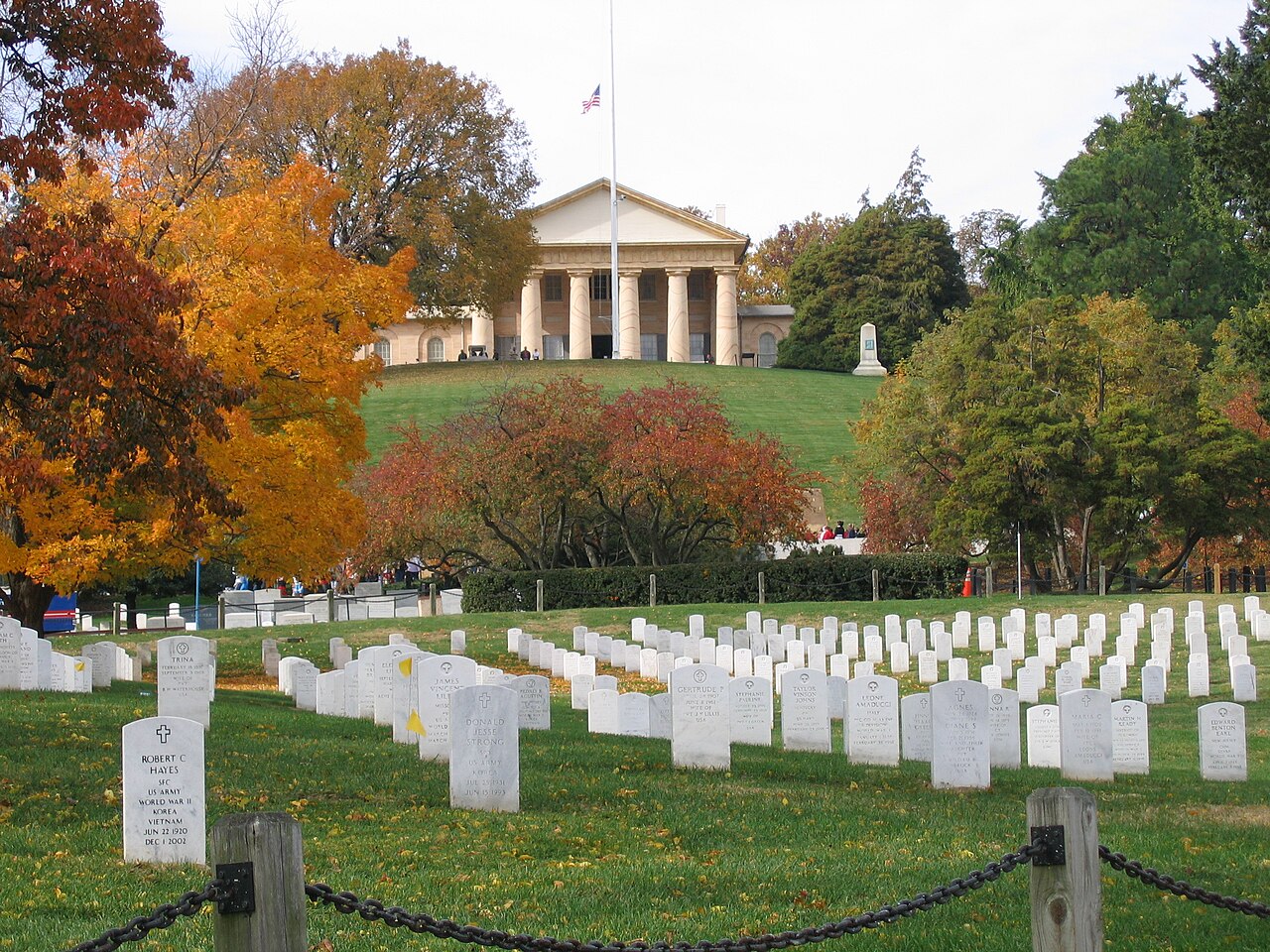
A solemn ceremony at Arlington National Cemetery recently marked the fulfillment of generations of historical obligation, simultaneously correcting long-standing errors in the graves of three Jewish American World War I servicemen and paying tribute to a non-Jewish soldier whose defiant actions saved Jewish lives during World War II. Organized by the non-profit group Operation Benjamin, the event brought together descendants, military figures, and a delegation from democratic Germany to ensure that the sacrifices of these servicemen are accurately recorded and remembered.
Correcting the Record: WWI Soldiers’ Identities Restored
For over a hundred years, the graves of Private David Latken, Corporal Jacob Leifer, and Private Benjamin P. Yarish—all veterans of the Meuse-Argonne Offensive in 1918—were marked with Christian crosses despite their documented Jewish heritage. Despite family members petitioning the War Department decades ago, the promised headstone replacements were never installed. The ceremony finally unveiled new markers bearing Stars of David, rectifying this oversight. The families expressed profound emotion, noting that this correction was more than just a stone replacement; it was an essential restoration of identity and honor for their ancestors.
A Beacon of Loyalty: The WWII Hero
The tribute also recognized Private Johann ‘Hans’ Kasten, an American soldier of German background, whose extraordinary moral fortitude during World War II exemplified profound solidarity. Captured during the Battle of the Bulge, Kasten refused German demands to identify Jewish prisoners. Despite facing brutal torture and threats of execution, he maintained his defiance, protecting those under his command. Operation Benjamin co-founder Shalom Lamm highlighted Kasten’s choice to prioritize loyalty over self-preservation, stating that he protected his comrades because they were Americans. The presence of nine representatives from the modern German Armed Forces, led by Brigadier General Gunnar Brügner, underscored the historical significance of this act of resistance.
The Responsibility of Remembrance
The event’s organizers framed the proceedings as a global responsibility to historical truth. Lamm emphasized that true memory requires more than merely recording names and dates; it demands active remembrance. The German delegation’s attendance, including a senior officer saluting Kasten, was noted as a powerful symbol of reconciliation and historical accountability. The granddaughters of Kasten, who described their grandfather as a steadfast storyteller, expressed gratitude for the event, which transformed a private family memory into a public act of gratitude. This dual ceremony served as a powerful reminder that the commitment to truth and honor transcends generations and borders.
