


World Views
Diplomatic Deadlock Deepens as US Military Posturing Escalates in Persian Gulf
High-stakes negotiations aimed at de-escalating the tensions between Iran, the United States, and Israel have stalled, even as military threats from Washington intensify. Qatar recently introduced a seven-day framework designed to foster reciprocal confidence-building measures between the parties. However, the initiative met strong resistance from Tehran, which dismissed the proposal as containing ‘unacceptable ideas’ and maintained its refusal to compromise on its nuclear ambitions.
Diplomatic Roadblocks Persist
The Qatari proposal, which was presented to Iranian officials, required several nations to guarantee the agreement. Yet, the Iranian side remains firm, asserting that any resolution must first address the lifting of restrictions on oil exports and the cessation of the US blockade on Iranian ports. Meanwhile, American officials maintain that any discussion must begin with an immediate focus on Iran’s nuclear activities. This fundamental disagreement highlights a deep divide in priorities, suggesting that diplomatic efforts, while ongoing, are currently facing insurmountable hurdles.
Escalation Looms After Midterms
The diplomatic stalemate coincides with a marked increase in military messaging from the United States. Reports indicate that American officials have advised several Gulf Arab nations to prepare for a potentially ‘short, intense’ military campaign following the upcoming midterm elections. This warning is backed by visible military preparations, including the movement of advanced Patriot air-defense systems to Israel, the redeployment of personnel from vulnerable Middle Eastern bases, and the readiness of bombers and fighter jets. The White House has declined to confirm specific military plans, only stating that the administration is retaining ‘all options on the table’ to prevent Iran from acquiring a nuclear weapon.
Regional Instability and Economic Fallout
Experts caution that the current situation represents a dangerous phase of military bargaining. The regional risk is immense; Gulf governments are increasingly concerned about the potential for drones and missiles to strike their critical infrastructure, including pipelines and ports. Iran itself has issued warnings that renewed hostility could trigger strikes against civilian and economic targets across the region, including targeting undersea communication cables. This heightened instability is already having measurable economic effects, with crude oil prices climbing sharply amid fears of further disruption to global energy supplies. The mounting costs for Washington, exceeding $47 billion, add another layer of complexity to this volatile geopolitical equation.
World Views
Humanitarian Lifeline Targeted: Houthi Strike Shuts Down Vital Aden Airport

A critical airport serving as the main entry point for aid and supplies in southern Yemen was targeted by Houthi forces on Wednesday, plunging the impoverished nation deeper into conflict. The attack occurred shortly after the Iran-aligned group issued an evacuation advisory for the facility, which is crucial for the internationally recognized, Saudi-supported government operating in the southern port city. Local residents reported hearing an explosion near the airport, leading to a halt in all air traffic and causing injuries and property damage.
Attack Details and Political Context
According to Yemeni government sources, the strike necessitated the immediate grounding of flights. Officials from the transport ministry confirmed the disruption, while humanitarian groups were also monitoring the situation closely. One aid organization noted that some personnel had departed the airport safely just before the incident. The Houthi organization, which controls the capital Sanaa and much of northwest Yemen, asserted that the evacuation warning was issued because of the presence of a military cargo plane belonging to Saudi forces.
However, the incident represents a dangerous escalation in an already volatile regional situation. The renewed hostilities are directly linked to the wider geopolitical tensions involving the United States, Israel, and Iran. Recently, Houthi militants have advanced toward the Bab el-Mandeb Strait, a globally significant shipping channel, prompting the Saudi-led coalition to intensify its military response against Houthi positions.
Worsening Crisis and International Concern
The latest violence has completely undermined the UN-brokered truce established in 2022, which had previously provided some relief to the fighting that began when the Houthis seized control of Sanaa in 2014. International aid agencies have issued stark warnings that the surge in combat is rapidly deteriorating the already dire humanitarian conditions across the country.
Organizations like the International Organization for Migration confirmed that their staff traveling through Aden remained safe following the reports of the attack. Furthermore, medical charities emphasized the vital role of Aden Airport, stating that safe access to the facility is essential for delivering medical equipment and supplies to the southern regions. The ongoing military maneuvering in the Red Sea region underscores the deep entanglement of this internal conflict with global power struggles, placing civilian lives and essential aid routes at extreme risk.
World Views
Israeli Political Landscape Stuck in Deadlock Amid Tight Seat Count
Israel’s political future remains suspended in uncertainty as the latest electoral figures reveal a deep and complex deadlock. Despite high voter turnout, neither major political bloc has secured the necessary majority to form a government, leaving the nation facing a profound constitutional and political crisis. The Central Elections Committee’s count, based on 85.6 percent of the votes, shows Benjamin Netanyahu’s coalition holding 53 seats, while the group led by Gadi Eisenkot holds 48. Crucially, the threshold for a governing majority remains 61 seats, a mark neither side has yet reached.
The Tipping Point: Uncounted Ballots and Shifting Dynamics
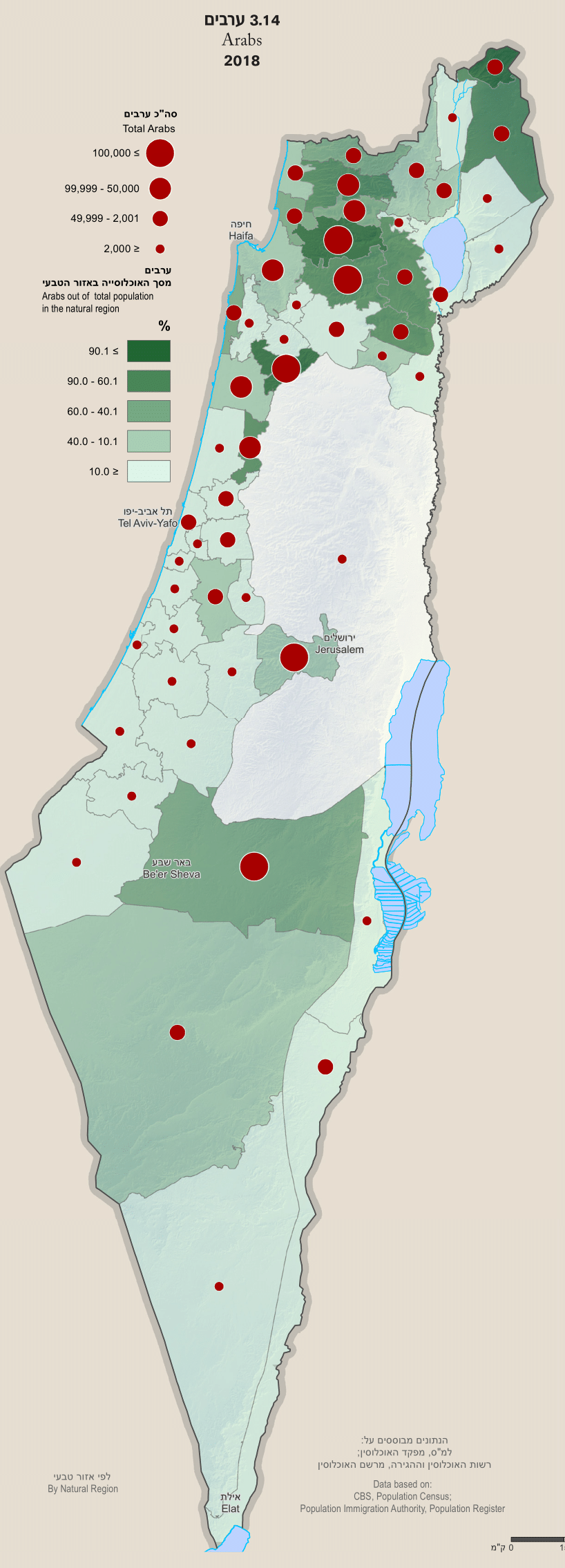
The current figures are provisional, as over half a million ballots—cast by soldiers, diplomats, and others voting remotely—are yet to be tallied. This pending count adds significant volatility to the political landscape. Analysts noted that initial exit polls, which had favored the opposition camp, failed to accurately reflect the final distribution of seats. This discrepancy highlights how turnout and specific voting patterns, particularly among Arab citizens, have dramatically altered the political arithmetic.
Coalition Constraints and the Draft Dilemma
The path to a majority is fraught with obstacles. The Arab lists, which secured 19 seats, represent a critical, yet fractured, element. While the two camps are mathematically close—both requiring a handful of additional seats—they disagree fundamentally on the nature of the government. Furthermore, the issue of mandatory military service looms large. A key feature of the current count is the performance of the Haredi parties, which secured 14 seats. These parties are deeply tied to the ongoing debate surrounding draft exemptions, a matter that must be resolved before any government can function.
A ‘Dilemma From Hell’ for Leadership
Political strategists are grappling with what some describe as an intractable dilemma. Leaders face two extremely difficult choices: either call for a new election, which would be against their electoral promises, or enter into negotiations with parties that present extreme ideological challenges. This includes forming a government with the Arab lists, or negotiating with Haredi parties who are resistant to comprehensive service laws. The political tension is amplified by growing social concerns, with some citizens abroad pointing to government policies as a catalyst for renewed antisemitism in the diaspora.
As the remaining ballots are processed, the country awaits clarity. The current impasse means that the political leadership must decide whether to pursue a desperate coalition effort or face the consequences of another national election, a choice that will inevitably force them to confront the divisive issue of universal military service.
World Views
Van Jones Urges Moral Clarity Against Rising Antisemitism and Division
Civil rights activist and political commentator Van Jones recently delivered a powerful message at the American Friends of Magen David Adom gala, issuing a stark warning about the corrosive influence of antisemitism. Jones argued that targeted hatred is actively working to fracture the historic bonds between Jewish and Black communities, particularly by attempting to manipulate younger generations into becoming agents of conflict.
The Legacy of Unity and the Threat of Poison
Honoured with the Legacy of Unity Award, Jones began his address by emphasizing the foundational role that both Black and Jewish peoples have played in preserving American democracy. He highlighted the deep historical ties between the groups, referencing their joint efforts in establishing key civil rights organizations in the early 20th century, describing these alliances as a unified front for democratic principles. Jones stressed that his fight was not simply for Jewish people, but against the pervasive hatred infiltrating his own community. He warned that this animosity is a destructive force, urging people not to allow a friend to be turned against another.
Challenging the Digital Divide
A significant portion of Jones’s commentary focused on the dangers posed by modern digital platforms. He expressed deep concern that platforms like TikTok are disseminating misinformation, influencing millions of young people to adopt inflammatory viewpoints and participate in conflicts they do not fully comprehend. He called for a critical conversation with the next generation, posing a profound moral question: Should they choose to tear down the remarkable accomplishments of the Jewish people since the Holocaust, or should they follow their example of resilience?
A Call for Global Moral Alignment
Jones further broadened his scope, cautioning that global freedom struggles have been dangerously inverted. He strongly opposed supporting groups that promote enslavement or restrict basic human rights, such as Hamas, the Taliban, and the Islamic Republic of Iran. He praised the incredible survival and success of the Jewish community worldwide, noting that despite relentless historical efforts to eradicate them, they have cultivated powerful economies and inventive cultures. Jones, who wore a pin supporting the Blue Square Alliance Against Hate, shared personal accounts of Jewish individuals who approach him, fearful of openly identifying their heritage.
The event host, Tovah Feldshuh, praised Jones for his willingness to speak up when many others remained silent. She noted that he understands that combating antisemitism must transcend partisan politics, requiring the courage and moral clarity to speak truths that are often uncomfortable for political allies. Jones’s message serves as a potent reminder that true solidarity requires active engagement against hatred.
