


World Views
Spanish Court Targets Iranian Regime in High-Profile Political Assassination Case
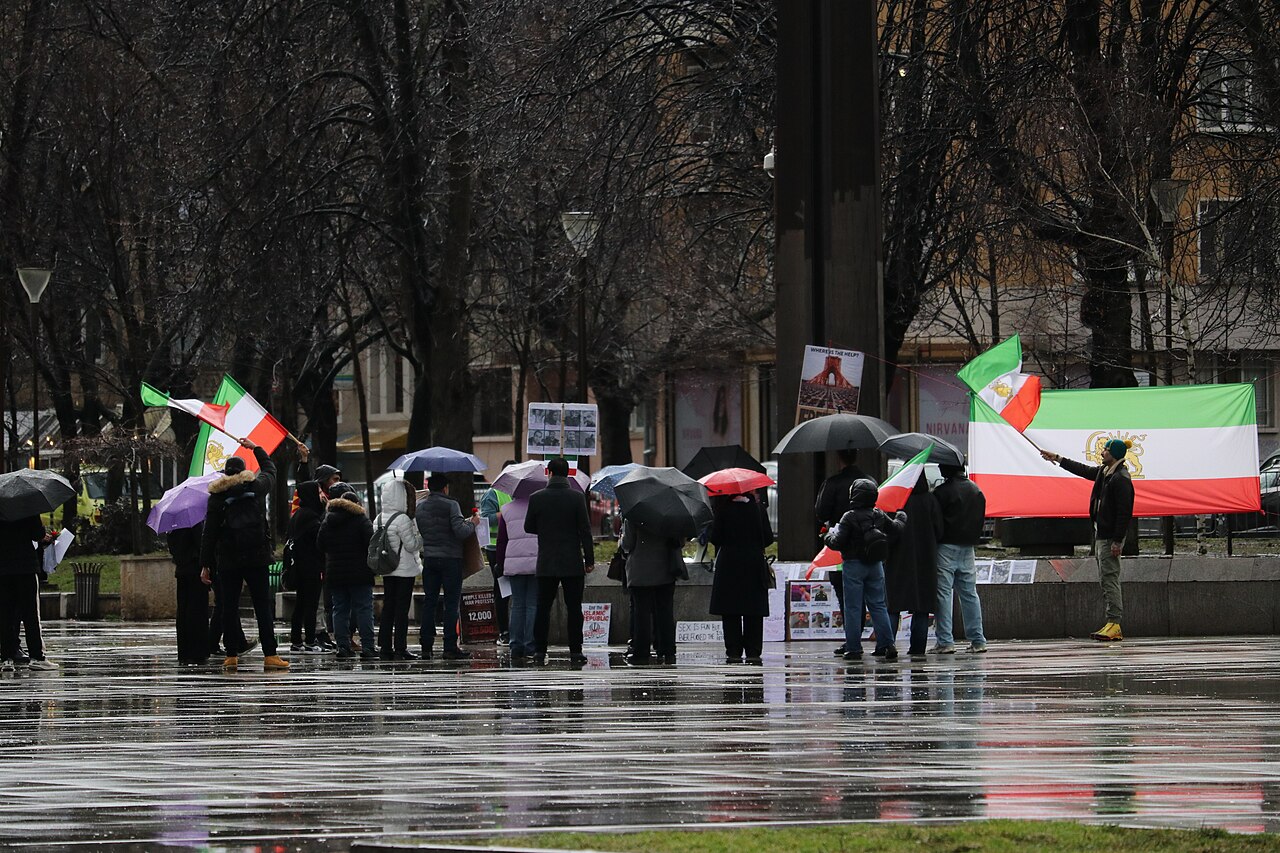
Spanish judicial authorities have levelled serious accusations against the Iranian government, asserting that the regime orchestrated the violent attack on former European Parliament Vice President Alejo Vidal-Quadras in 2023. Prosecutors are aggressively pursuing severe penalties for seven individuals implicated in the plot, a case that sheds light on how Tehran reportedly utilizes clandestine criminal networks to neutralize political adversaries abroad. The charges against the group involve attempted murder and membership in an organized criminal enterprise.
The Scope of the Prosecution
The National Court’s Prosecutor’s Office has sought a substantial sentence of 22 years for one defendant, Mehrez Ayari, who is accused of carrying out the shooting. This individual also faces an additional five years for involvement in a criminal structure. The prosecutor’s office has indicted six other individuals, for whom they are seeking prison terms ranging from 10 to 18 years, reflecting their respective roles in the alleged conspiracy. Investigators contend that the operation involved extensive planning, including the surveillance of Mr. Vidal-Quadras, the procurement of vehicles and communication devices, and the necessary logistics to ensure the attackers’ escape.
A Target for Political Advocacy
Vidal-Quadras, a prominent figure in Spanish politics and a co-founder of the right-wing Vox party, has long been one of the most vocal critics of the Iranian government on the international stage. He has consistently advocated for Iranian opposition groups, particularly the People’s Mojahedin Organization of Iran (PMOI/MEK), an exiled movement dedicated to overthrowing the Islamic Republic. This long-standing political advocacy has made him a central figure in the legal proceedings. Authorities believe the attack was a coordinated effort designed not only to punish him for his public activities but also to intimidate other individuals who support movements challenging Tehran’s control.
Geopolitical Dimensions and Context
The incident, which took place in Madrid’s upscale Salamanca district in November 2023, saw Vidal-Quadras shot in the face in broad daylight. Shortly after the attack, Iran’s Fars News Agency issued a stern warning to Spain regarding the PMOI/MEK. This warning cautioned Madrid against fostering an MEK presence on Spanish territory, suggesting a direct link to the subsequent violence. Prior to the attack, Iranian authorities had already placed Mr. Vidal-Quadras on a sanctions list in 2022, citing support for terrorism—a common tactic used by Tehran against those it views as hostile to its interests.
The legal process is moving forward, with prosecutors preparing to bring eight suspects to trial in July 2025. Despite the indictments, investigators believe that a seventh suspect, allegedly responsible for coordinating the entire operation, remains at large and may be hiding within Iran. The case underscores the dangerous global reach of state-sponsored political targeting.
World Views
New Submarine Arrives, But Experts Warn Israeli Navy Needs Massive Expansion to Counter Regional Threats
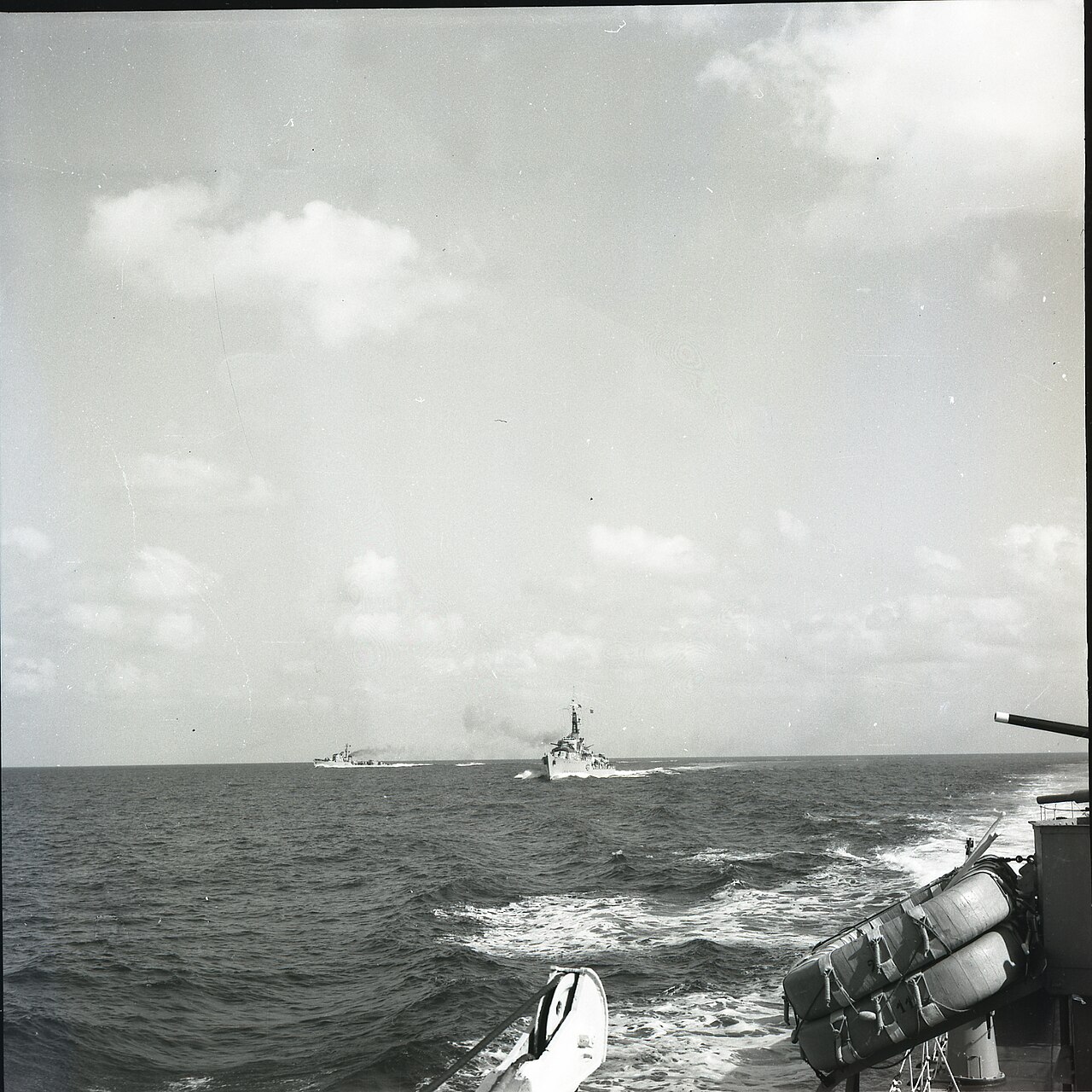
The arrival of the INS Drakon, the Israeli Navy’s sixth and largest operational submarine to date, marks a significant technological leap for the maritime force. This diesel-electric attack vessel, which recently completed a long voyage from Germany, utilizes advanced fuel-cell propulsion technology. This system, known as Air-Independent Propulsion (AIP), grants the platform extended submerged endurance, dramatically reducing its exposure to detection compared to older models. While Drakon enhances covert intelligence gathering and deterrent capabilities, defense analysts argue that the current fleet of six submarines is insufficient to meet the rapidly escalating demands of the volatile Middle East theater.
The Strategic Imperative for Growth
The military establishment has formally recommended increasing the submarine fleet to eight platforms. This push is driven by a complex confluence of geopolitical factors, including the growing threat posed by Turkey’s expanding naval presence and the increasing instability in the Red Sea. Protecting critical offshore energy infrastructure—such as the Tamar and Leviathan gas fields—is cited as a primary national security concern. Furthermore, the need for persistent, covert surveillance against Iranian proxies and the ongoing maritime coercion in distant waters necessitates greater operational capacity than the existing six vessels can provide.
Operational Limitations and Future Dilemmas
Although the new Dolphin II-class vessels possess enhanced capabilities, including potential vertical-launch capacity, the sheer number of operational platforms remains a limiting factor. The fleet must contend with regular deep maintenance cycles, crew training, and complex global deployments. Senior naval planners note that while six submarines provide meaningful capability, they offer only a thin margin for simultaneous crisis readiness across multiple theaters, such as the Eastern Mediterranean, the Red Sea, and the Persian Gulf. The Navy Chief of Staff recently characterized the force as becoming ‘more covert, more distant, deeper, and more lethal.’
A Replacement Program, Not an Expansion
Looking ahead, Israel has committed to a substantial €3 billion acquisition program for three new Dakar-class submarines. However, this plan is structured solely as a replacement cycle for the original Dolphin-class boats. This means that without additional procurement, the nation’s submarine force will plateau at six vessels throughout the 2030s. Given the dramatic shift in the operational landscape—marked by Turkish naval ambition and the Houthi-driven instability—experts caution that maintaining the status quo will constrain Israel’s ability to execute simultaneous deterrence and intelligence missions effectively. The debate over expanding the fleet to eight is thus transitioning from a theoretical discussion to an immediate operational necessity.
World Views
From Quaker Family to Jerusalem Consul: The Tumultuous Life of a Man Who Defied His Own Beliefs
The life of Menachem Levine Warder Cresson was a dramatic saga of religious upheaval, international ambition, and a fierce defense of personal liberty. Born into a wealthy Philadelphia Quaker family in the late 18th century, Cresson transitioned from a successful agricultural entrepreneur to a spiritual wanderer. His quest for ultimate truth led him through multiple religious movements—including Shakerism and Mormonism—before ultimately settling on Judaism. His journey culminated not just in a profound personal conversion, but in a high-stakes legal battle against his own family, where his right to choose his faith was tested in a national court.
The Call to the Holy Land
Cresson’s spiritual trajectory took a significant turn when he connected with Mikveh Israel, a prominent Jewish community in Philadelphia. There, he was mentored by the influential Orthodox scholar, Chazzan Isaac Leeser, and became exposed to the writings of Mordecai Manuel Noah. Noah’s advocacy for the establishment of a Jewish homeland in the Middle East deeply influenced Cresson, aligning with a broader 19th-century Christian belief that salvation was tied to the return of the Jewish people to their ancestral land.
Leveraging his social standing, Cresson successfully petitioned a congressman to appoint him as America’s first consul to Jerusalem in 1844. Despite initial governmental reservations regarding his suitability as a diplomat due to his strong convictions, the State Department approved his post. Cresson departed his comfortable life in America, stating he was leaving his possessions for the sake of truth alone. However, his appointment was soon revoked by the State Department. Undeterred, Cresson sailed to the Holy Land and continued to operate as the American representative, proudly asserting the protection of the United States over the city’s Jewish population.
Conversion and Confrontation
In Jerusalem, Cresson became deeply involved in the local Sephardic community, criticizing the practices of Christian missionaries. His immersion in the city’s culture led to his profound shift toward Judaism. By 1848, he had completed his spiritual transformation, undergoing the rite of circumcision and adopting the name Michoel C. Boaz Israel. Upon returning to America, he faced immediate rejection. His wife, Elizabeth, took control of their assets and initiated formal charges of ‘lunacy’ against him, viewing his conversion as utterly bizarre.
The Fight for Religious Autonomy
The resulting legal dispute became a nationwide sensation. For nearly three years, Cresson fought the charges, vehemently asserting his right to determine his own spiritual path, regardless of how unconventional it appeared to his former neighbors. While his personal life was complicated by his wife’s financial maneuvering, the trial fundamentally became a clash between governmental authority and an individual’s deeply held religious conviction. Notably, leaders within the Jewish community provided testimony supporting his actions, underscoring the profound significance of his choice in the history of religious freedom in the United States.
World Views
Israeli Election Focuses on Leadership, But Ideological Challenges Question State’s Existence
Israel is currently bracing for a pivotal election, where voters will decide on a new prime minister for the first time since the attacks of October 7. Current polling data suggests a tight race, with Gadi Eisenkot’s Yashar party positioned ahead of Benjamin Netanyahu’s Likud, though neither faction possesses the votes necessary to form a government alone. While many observers anticipate relief at the prospect of a change in leadership, a deeper analysis suggests that the political discourse surrounding the Jewish state is far more complex than merely swapping out a Prime Minister.
The Ideological Divide: Beyond the Prime Minister
The narrative that Netanyahu is the sole source of conflict is being challenged by prominent intellectuals. During a recent literary event in London, figures such as Ta-Nehisi Coates and Tareq Baconi voiced strong critiques of the Jewish national project. They argued that the system is fundamentally racist and committed to the displacement of Palestinians. One speaker asserted that there is ‘no complexity’ in the matter, stating that the State of Israel is dedicated to the ethnic cleansing of Palestinians, a claim that places the entire existence of the state under severe moral scrutiny.
A History of Demonization
This critique is not new. Historically, Israeli leaders, even those credited with pursuing peace efforts, have faced intense demonization. Past figures, including Nobel laureate Shimon Peres, have been characterized by some international outlets as murderers. This pattern suggests that the condemnation often targets the concept of Israel itself, rather than just the political choices of its leaders. Even when a coalition government included an Arab party, the accusations of systemic injustice did not abate, indicating that the criticism is directed at the state structure itself.
The Democratic Reality Check
Despite the sweeping ideological challenges, the political process remains anchored in democratic reality. A significant factor is the role of Arab citizens of Israel, who constitute over twenty percent of the population and will participate in the upcoming vote. Forecasts indicate that Arab-led parties are poised to secure a substantial number of seats in the Knesset, potentially influencing the outcome of the leadership contest. This participation challenges the notion that the state operates as a purely oppressive system, as the largest minority group has a direct say in governance.
Opponents of the electoral process have dismissed the election’s relevance, arguing that all potential rivals are fundamentally ‘Zionist’ and therefore inherently tied to a ‘racist state.’ However, this perspective overlooks the functioning of a democracy, where disagreements and political battles are inherent. The ongoing election, therefore, represents a critical moment where the internal political dynamics of Israel collide with powerful external ideological challenges regarding the right of the Jewish people to self-determination.
