


Features
Brain tumour surgery survivors raising money for medical research

By MYRON LOVE Not only are Max Erenberg and Josh Lieberman close friends, they also share a terrifying experience. Each has undergone successful surgery for removal of a non-malignant brain tumour.
And they are both dedicated to raising money for the Brain Tumour Foundation of Canada, a 40-year-old organization that provides support, education and information for patients and family members relating to brain tumours and research funding to find better ways to treat the illness.
For Lieberman, 27, the son of Jeff and Robyn Lieberman, his ordeal began in 2016. It was the third week in April, he recalls. “I had just written my last exam and finished my undergraduate degree. I was sitting at home in the evening and started to shake. Next thing I knew, I was having a seizure and, soon after, was on my way to the hospital by ambulance.”
Lieberman was initially assured that it was probably nothing serious. Tests, including a CT scan and MRI, detected a brain tomour.
“It was the scariest news that I had ever received,” he says. “I was afraid that I was going to die.”
He was diagnosed with a pilocytic astrocytoma and his surgery was scheduled for May 10.
“I was told that this is a rare condition and unusual for someone my age,”” notes Lieberman who was 21 at the time. “It normally occurs at a younger age.”
The surgery was a success. He says that, after just a month, he felt great and was completely back to normal after three or four months.
Erenberg’s recovery took longer – it was about six months before he felt that he was back to his old self.
In April of last year, the 29-year-old son of David and Rhonda Erenberg woke up one morning with a splitting headache. “I thought it was a migraine,” he recalls. “I determined just to power through it.”
As the week went on however, the pain got worse – with some vomiting as well. His family doctor told him that migraines can linger for some time. Nonetheless, he arranged for a CT scan.
“I was told that there was something there,” Erenberg reports. “The doctors couldn’t tell exactly what it was. They told me they were going to monitor it and sent me home.”
Shortly after, he was admitted to hospital for more tests to rule out anything that may have been life-threatening. After five days in a neurosurgery ward, he was sent home again – the plan being to monitor the condition.
Over the next few weeks, the hockey analyst for the Winnipeg Jets was beginning to feel better. “It was June 2, the morning of the first playoff game between Winnipeg and Montreal,” he recounts. “I was looking forward to going golfing with a friend. When I opened my eyes, the room seemed to be spinning. I shot out of bed. When I got up, the room stopped spinning but I was feeling nauseous.”
He called his doctor and described the symptoms. His doctor told him to get to a hospital right away. Tests showed that the tumour had doubled in size. Surgery was scheduled for the next morning.
“When I opened my eyes in the recovery room, I was overcome with pain,” he recalls. “The surgery was a success. The doctors removed the tumour.
“But the surgery was devastating. Just a walk around the block was enough to tire me out. I have been feeling back to normal only in the last six months.”
There was also the anxiety. It wasn’t until six to eight weeks after the surgery that he got the biopsy results that confirmed that the tumour wasn’t malignant.
Erenberg credits his long time partner – and now fiancée – Mikaela, along with his family and friends for helping him get through his ordeal. Josh Lieberman was among those who stepped up.
Lieberman notes that while the two Gray Academy grads had known each other growing up, their common experience with pilocytic astrocytoma has brought them closer together.
It was Lieberman who suggested to Erenberg that he should consider raising funds in support of the Brain Tumour Foundation of Canada.
“I realized as a result of what I went through that life is short and that I should make the most of it,” says the lawyer with Pitblado Law who was called to the Bar last year. “One way in which I felt that I could give back was by becoming involved with the Foundation. It was a no-brainer (no pun intended). The Foundation doesn’t just focus on one area. The Foundation provides support for those afflicted with brain tumours, education, information and funds for research.”
Lieberman reports that he has raised about $25,000 over the past five years for the Foundation largely through posts on social media where he has told his story.
“I encouraged Max to also raise money for the Foundation. This is a cause that naturally is close to our hearts. I am happy to see how well he is doing.”
Erenberg’s efforts in this regard have been nothing less than phenomenal. In just the last seven weeks, he has raised close to $30,000. “I set an initial goal of $1,000, than $1,500, then $2,000,” he says. “After that, I stopped setting goals. I raised 90% of the money in just the first three weeks.”
Erenberg has raised more money for the Foundation in a shorter period of time than anyone else in Canada and, he says, he couldn’t be happier.
You can read Max and Josh’s stories about their battles with brain tumours respectively athttps://btfc.akaraisin.com/ui/BTW2022/p/maxsbraintumourjourney and https://btfc.akaraisin.com/ui/BTW2022/p/joshlieberman.
Both young men still to have regular check-ups but, hopefully, they will enjoy good health for years to come.
Features
In new ‘Fauda’ season, the aftershocks of Oct. 7, without a thought for Gaza
By PJ Grisar September 8, 2026
This story was originally published in the Forward. Click here to get the Forward’s free email newsletters delivered to your inbox.
When Fauda Season 4 ended an eternity and a devastating war ago, our hero was at death’s door, reciting both the central prayer of Judaism, the Shema, and the Muslim Fatiha.
It was a cliffhanger with monumental implications for Doron Kavillio (Lior Raz), an Israeli Jew who spent his days undercover as a Muslim Arab — an identity crisis long in coming. Zoom out and you can see the doomed duality of Israel and Palestine, Jew and Muslim, connected in a cycle of death and more alike than they may seem.
Season 5 begins bilingually, with Hebrew and Arab definitions of the Arabic word Tha’r, blood revenge, “restoring violated honor or avenging injustice.” This concept is now the point of commonality — not how men pray, but how they seek revenge.
Welcome to a post-Oct. 7 Israel. Doron is in therapy, struggling to recall eight missing hours of his life on the day of Hamas’ attack on the Gaza envelope.
Comrades have left the country — Steve (Doron Ben-David) is protecting oligarchs in London, Sagi and Nurit are in Australia. Eli (Yaakov Zada-Daniel) is now Orthodox, living in a settlement and reeling from the murder of his wife and stepchildren at his now-torched kibbutz. When a Bedouin friend, Salem (Bian Anteer) who lost his son in the raid on Eli’s home, approaches him with a tip on the Nukhba fighter responsible, they depart for Marseille to answer the call of Tha’r.
It would hardly be Fauda if this act of vengeance didn’t give way to a much larger plot. Marseille is the staging ground for Saeed el Hatib (French-Algerian actor Hakim Djaziri), “the Sinwar of Europe,” who is recruiting sympathetic, white continentals for a fresh massacre in Israel.
Fauda has always made some viewers uncomfortable. Massively entertaining, bingeable to those of us who stream it in the Netflix aftermarket, its existence was premised on ongoing injustices in the West Bank and Gaza and the violence that bursts through their borders. (The BDS movement labelled it a “war-crimes glorifying” series;” Haaretz called it “morally dubious.”)
And yet as late as the last season it contained very real criticism of Israel’s conduct, including its costly campaigns to recover captured soldiers and the torture used to extract information on their whereabouts. The show always alluded to real operations — Cast Lead, Brother’s Keeper — in dialogue. But because it can’t merely mention an attack as raw and monumental as Oct. 7, and because it has no desire to question the response to it, it chooses to recreate its savagery.
Episodes 7 and 8, flashbacks to that day, are front-loaded with a trigger warning and a disclaimer that you can skip them and still be able to follow the main plot.
It’s hard for me to recommend those episodes. If not exactly atrocity porn, their central, race-against-time set piece is too anchored in recent events and constructed too much like an action movie. It feels in a sense exploitative, even if intended as a tribute. (To give them credit, both Lior Raz and his co-creator Avi Issacharoff, who said they “wrote from their trauma,” were on the ground helping the south of the country evacuate in the aftermath.)
The new season starts with the promise of complexity. It opens on a grieving Muslim father and shifts to a milksop accountant who worked for Hamas, seemingly tortured by Eli in a blind rage for a crime he didn’t commit. Could an excessive devotion to Tha’r, a tribal code of retribution, be the diagnosis of the show’s creators of Israeli society at this moment?
If it is, it’s not a critical one. The villains are the villains, and, most revealingly, they now number people with no connection to the conflict.
Hatib’s enlistment of white Europeans for a mass-casualty terror attack services a trite narrative of postcolonial guilt finding an outlet in the pro-Palestinian cause. It works on another level too: This fighting force is squaring off against Doron’s corps of Mizrahi Jews, whose mere presence dismantles the lie that Israelis are themselves all white colonizers, and that Israel and the European empire of yore are in any way analogous.
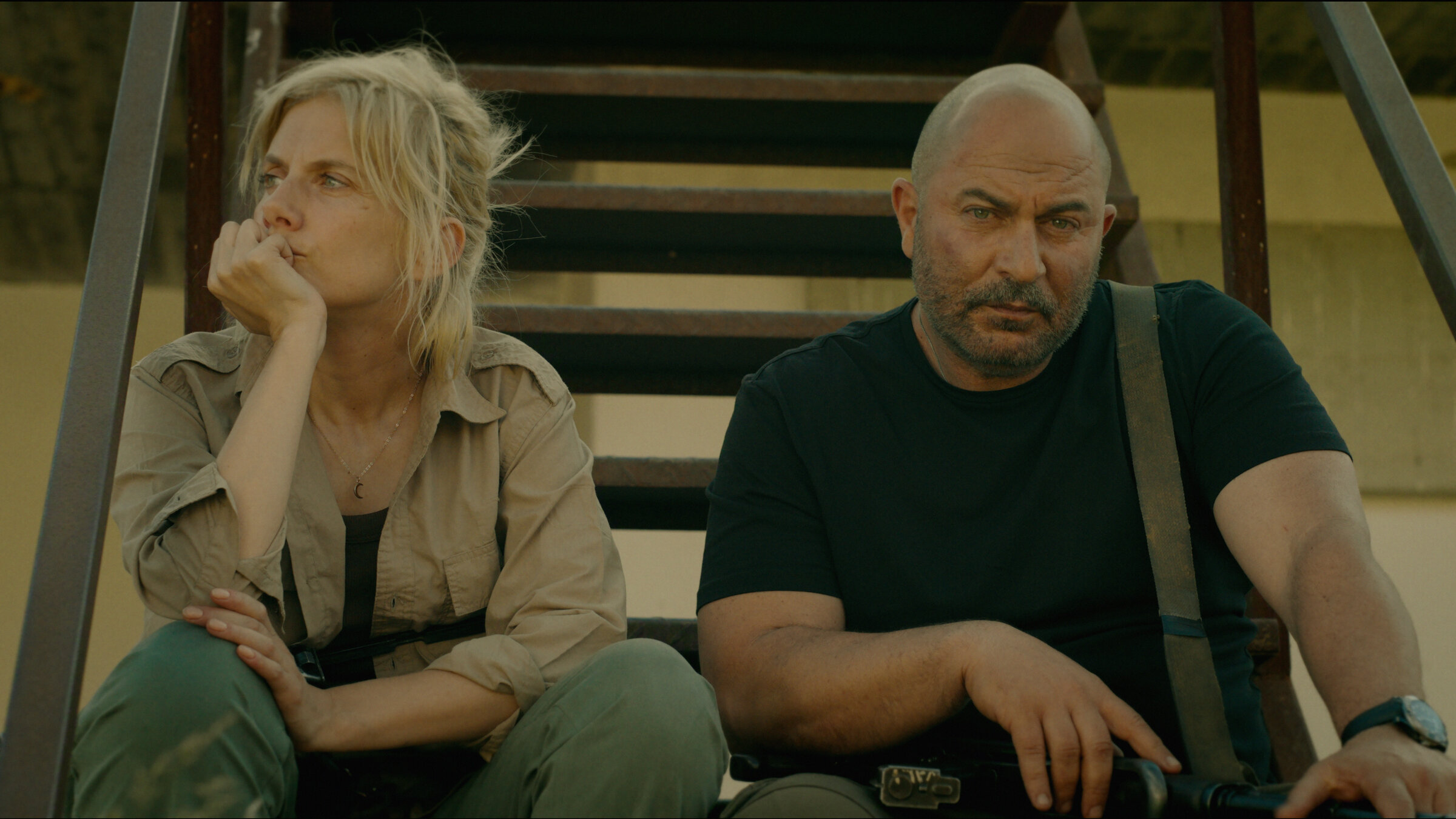
When, back at mission control, the counterterrorists speak of “suspicious-looking Europeans” who are “in their 30s,” the derision for this type of fellow traveller is palpable. Their standard bearer, Mélanie Laurent, formerly Tarantino’s “face of Jewish vengeance,” plays Anne, a blonde, “high middle-class Catholic French woman” who straps up with C-4, a keffiyeh ever-draped around her neck. Through her, and in a quite literal way, the show suggests the Western love affair with Palestinians — which in this season’s logic means Hamas — is misguided.
All the while, we never see Gaza, where much of Season 3 was set, with some among its population humanized. We never reckon with the destruction there. We hear about it, and a kind of lip service is paid to the crime of collective punishment — the sort that we hear at the end of almost every season — but it’s secondary to storytelling as elegy and justification. One could just have easily placed the Hebrew word Zachor before that first cold open: Remember what they did to us.
At one point, after a shootout with more blood spatter than I ever recall seeing on the show, Doron empties his clip into an enemy with the words “this is for October 7.” Seconds later, in a Shin Bet command room his handler Gabi (Itzik Cohen, whose between-seasons weight gain is a running joke) quips, a la Danny Glover in Lethal Weapon, “I’m too old for this.”
He’s not the only one.
In the past week I’ve chatted with some folks older than me — they don’t know each other and are largely to my right on Israel — who don’t relish the thought of another season. Not just because they don’t want to watch Oct. 7 reenacted, but because following the exploits of Israeli security agents has vastly different optics after the Hamas-Israel war, unprecedented settler violence and National Security Minister Itamar Ben-Gvir’s recently-stated ideal scenario of killing “30 or 40” Palestinians in Gaza each night.
This may well be the privilege of the diaspora, but the fatigue points to a shift in attitude that’s worth paying attention to. If these horrors are out of sight, out of mind this season, they’re top of mind to many who are watching — and many others who might have once tuned in.
PJ Grisar is a Forward culture reporter. Read full bio →
This story was originally published on the Forward.
Features
“Jerusalemites” – Photographer Sharon Gabay talks about his new book in a spectacular photo essay
By JOANNE PALMER (reprinted with permission from the New Jersey Jewish News and the Jewish Standard) If every person is a world, as our tradition tells us, then a city is filled with so many worlds that it’s impossible to imagine all those rubbing-together universes.
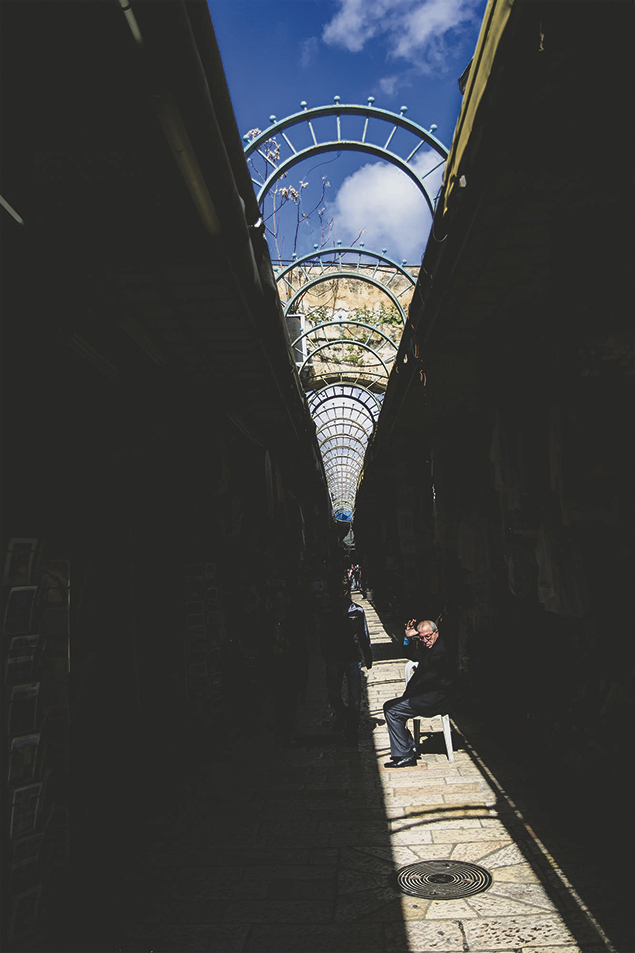
That’s particularly true of Jerusalem, one of the world’s oldest cities, at just about 5,000 years old, give or take; a recent demographic study, done in 2026, estimates its population at around 1,181,760. It has grown remarkably quickly; maybe people are drawn by its ancient, stony beauty, or by the history and other-worldliness that shimmers around it, or by the vibrant, modern cacophony of its diverse residents.
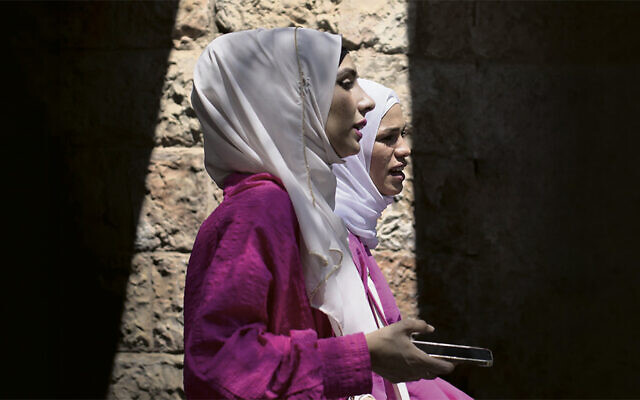
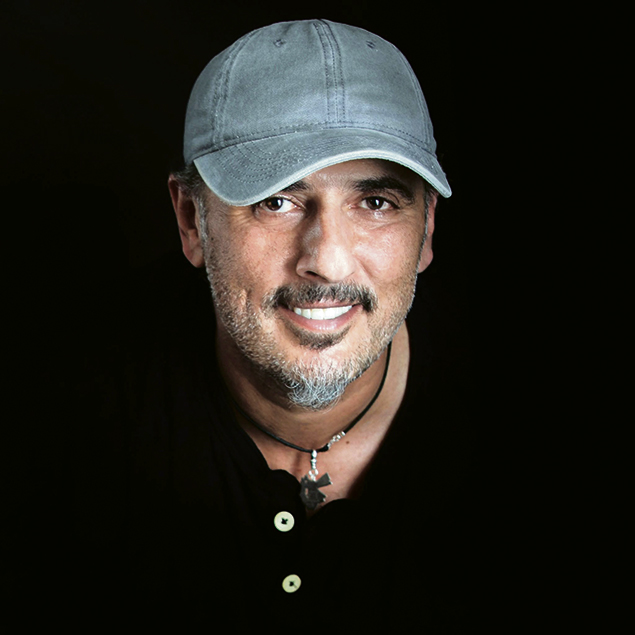
For the last 15 years, Sharon Gabay, a highly successful professional photographer whose bread-and-butter is stunning headshots, party pictures, and portraits of politicians and other social and legal strivers, has wandered through the city, just looking and taking pictures. He’s a 15th-generation Yerushalmi, and although now he lives in the Judean hills, in Moshav Nes Harim, near Ein Kerem and Beit Shemesh, he goes to Jerusalem every week to photograph what he sees.
He’s published six books of photography about Jerusalem. All are both beautiful and emotional. The most recent of them, “Jerusalemites,” is the newest and perhaps the most emotional, created with love, gestated in fear, and now born into a world that perhaps surprisingly radiates with hope.
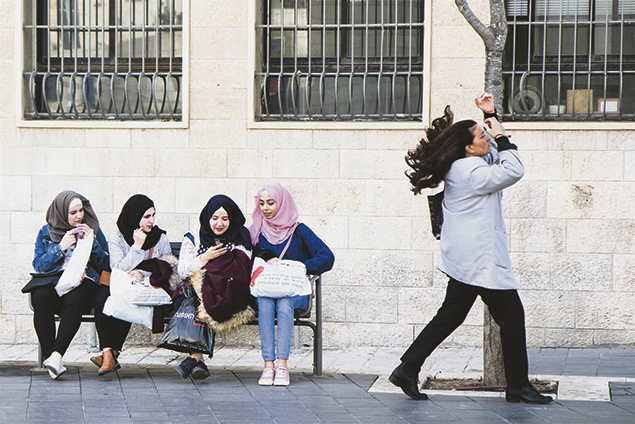
Okay. What could that possibly mean?
It means that on October 11, 2023, Mr. Gabay went to Kfar Aza. “Everybody who could do anything did something, and I wanted to do something too,” he said. Some kind of response to the barbarism and terror and grief of the Hamas attack. Kfar Aza, one of the southernmost kibbutzim in Israel, was one of the hardest hit. “Because I am a documentary photographer, I asked to join Zaka,” Israel’s emergency response, rescue, and recovery nonprofit organization, “the first time they went in. I went in with them.

“I took pictures. I had two exhibitions using these pictures” — one of them “Holocaust in the Village,” is online — “but it hurt my mind. It was a trauma for me. And I didn’t touch my camera for two years. I just stayed in my studio in Nes Harim, taking psychiatry pills and trying to forget what I saw.
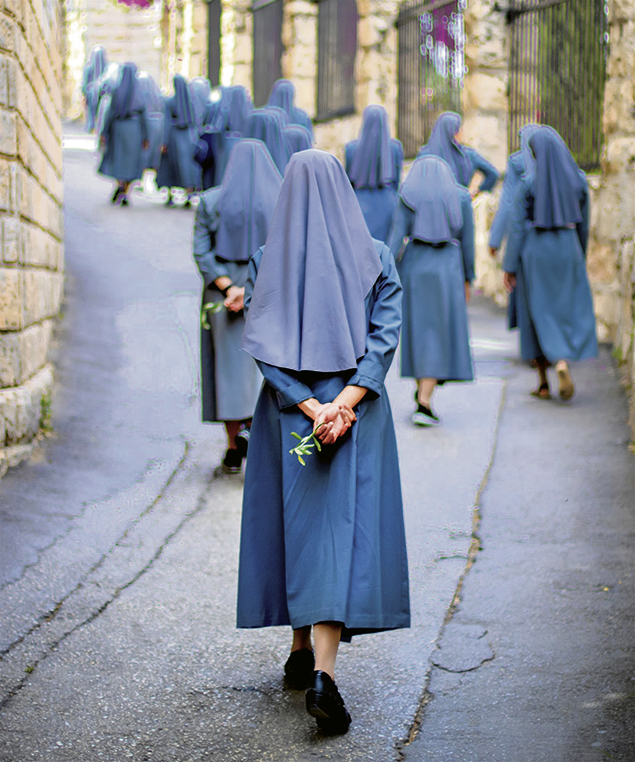
“And during this time I decided to make this book. I sat on it for two years, just learning how to do it effectively.

“There are almost no words in this book. Only pictures. And this is the message: We all live together 99 percent of the time. What the world sees about Jerusalem in the news is what happens maybe three or four percent of the time. All the rest of the time, all 99 percent of the people, other people around the world don’t know about. So I decided to make this book.
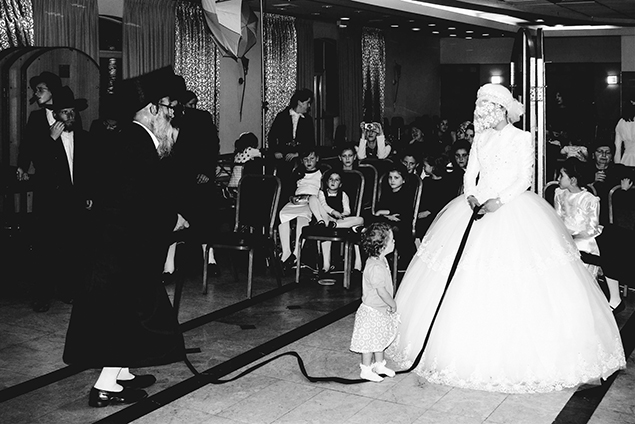
“The little text that I do have is in three languages — Hebrew, English, and Arabic. The languages spoken by the people of Jerusalem.”

The small number of Hebrew words in the text are written in a font created from the handwriting of Aner Shapira, who was 22 when he went to the Nova music festival in southern Israel on Simchat Torah — October 7, 2023. He took cover in a shelter with a group of other young Israelis, and he saved many of their lives by throwing seven explosive grenades that Hamas operatives threw into the shelter back out at the terrorists. The eighth exploded in his hand and killed him.
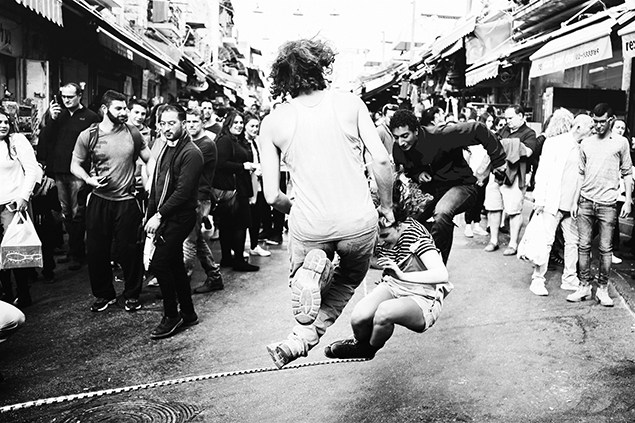
When Aner died, “he left behind a lot of songs that he wrote. They took his handwriting and made a font of it, and I chose to use it for the text.
“He was a Yerushalmi and he loved the city. He wrote about the diversity inside the city, and how you can see everything there. So I decided to put the text in his handwriting as a memorial to him.
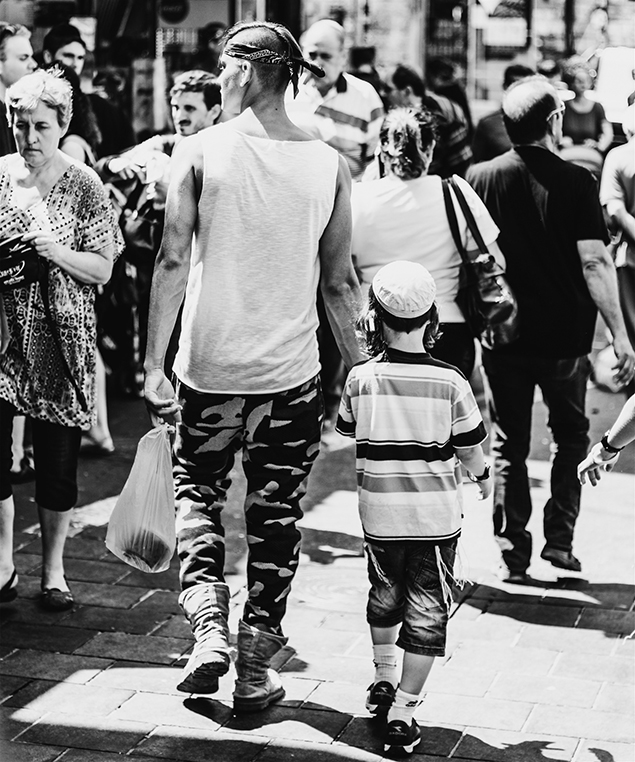
When he began to make the book, Mr. Gabay had to look through the enormous archive he’d created. For 15 years he’s roamed the city. His camera is small, old, and unthreatening, a beaten-up Fuji with a visible crack on the case. He takes pictures unobtrusively, he said. He doesn’t ask permission. He just shoots. Usually people don’t even know they’ve been photographed. Sometimes they come across pictures of themselves in his work, and sometimes they email or message him, asking for a copy. Of course, he said, he always sends one.
Culling his vast collection of images was not easy, Mr. Gabay said. Putting it together “made me go out on the streets again.” The vast majority of the photos in the book were taken before October 7, but he took some later, to fill in logical gaps. Even now, with the book finished, he wanders the city’s streets one day every week, camera in hand.
As he prepared the book, he winnowed the vast library of images to 2,000, and from there he whittled it down to 300. For that first cull, “I went through them one by one, me and my cat, hiding from the missiles when they came in, because this is the Middle East. I did it day by day by day by day, until I managed to take it from one and a half million to 2,000.”
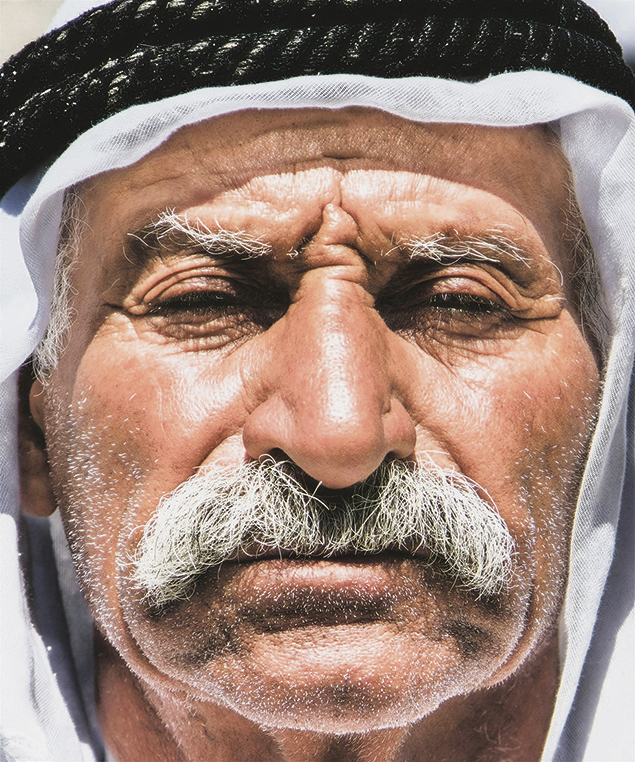
The second selection process “was much easier, because by then I knew how I wanted to do it. It is not a random collection of pictures. It is a story, from beginning to end; it is the long story of a city. So there is always a connection from each picture to the picture before and the picture after. But this took a long time.”
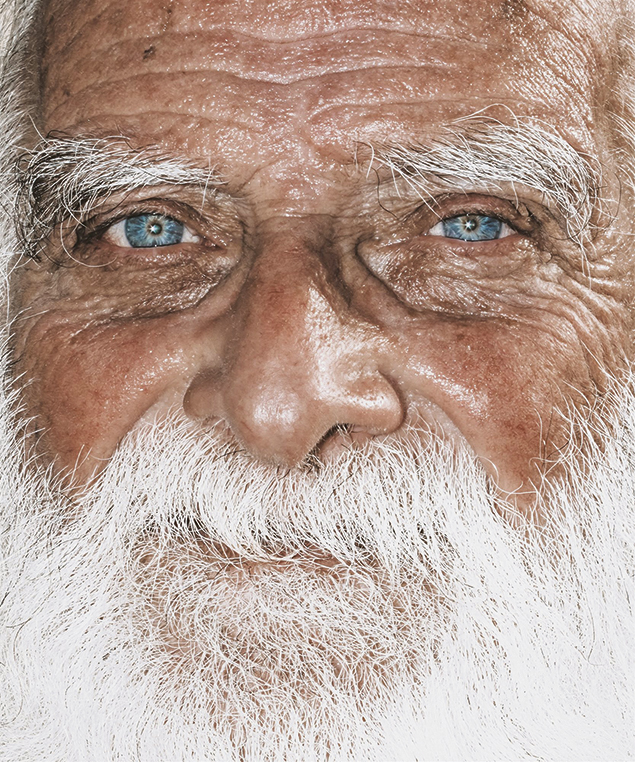
“The book turned out to be very successful. I sold all the copies before I launched it. One museum in Israel took 1,000 copies. It got to Herzog”— Israeli President Isaac Herzog —“and Huckabee” — Mike Huckabee is the U.S. ambassador to Israel — “and they both wrote letters about the book.
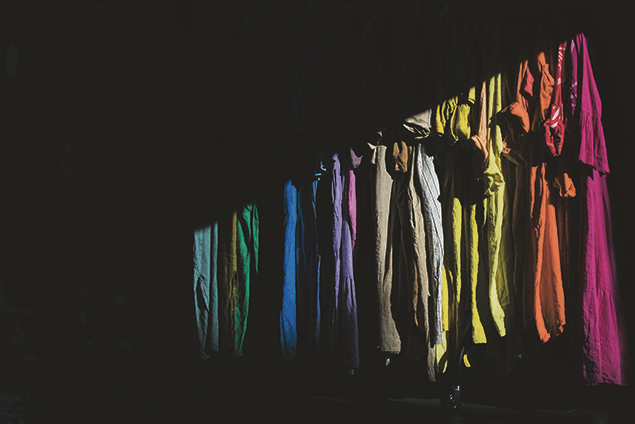
“Now I am working on the second edition. I want to distribute it to all the Jewish communities and Christian communities and Muslim communities that don’t hate us. There are no politics in this book. It is just people. The background to the pictures is all black because the only light we have in Jerusalem is the people.”
His message, Mr. Gabay said, is that “Jerusalem is not an apartheid city. Everyone lives here.
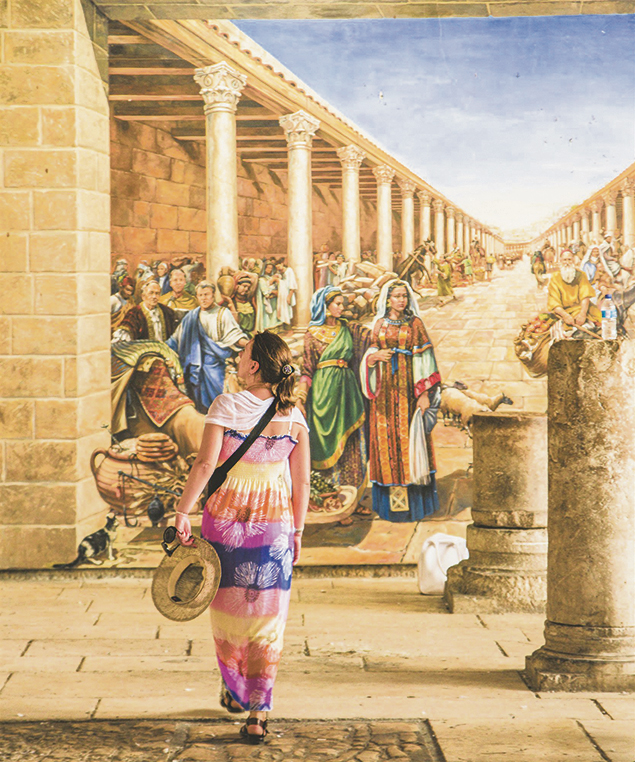
“I was raised in Jerusalem,” he said. “When we were little, my friends and I went to the Muslim quarter. Nothing happened. Once in a while there’d be some trouble, but most of the time we lived together with no trouble. My family has been here for more than 300 years. I have a picture of my great-great-grandpa in the Old City of Jerusalem. We are connected to the city, all my family is, and we really love it.
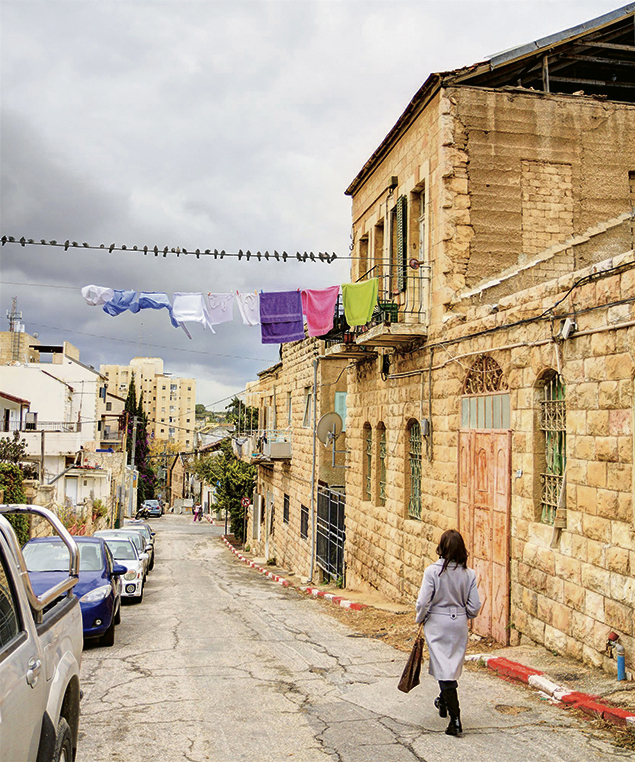
“Jerusalem should have tourists the way Vatican City does. People don’t come to Jerusalem.” His attempt to cure that problem is to show the city’s glories on social media. “I have more than 100,000 followers, and they are from all over the world,” he said. “I have Iranian followers and Saudi followers. Suddenly they see the city and they are surprised. They want to come to visit. They all of a sudden see that if they come here, they won’t be arrested because they are Muslim.
“I want to dedicate my work to telling the truth about Jerusalem.”

Mr. Gabay still takes pictures in Jerusalem because “I always go out to see if there is something new, because there is always something new to take pictures of in Jerusalem.”

He also takes pictures of politicians, and that’s a particularly busy area now because of the Israeli election set for October 27. “Today I had a member of the Knesset from Ram, the Muslim party. Mansour Abbas’s party. They want to participate in Israeli politics. They say, ‘We have a life here, and we want to live.’ And on the other side, I did a lot of people from the government we have now. Which, you know, is not the best government we’ve ever had.
“I tell them to their faces what I’m thinking. They know me. They know that I have a big mouth, and that I never, ever lie. So every politician from every side, even the one who was here today, sees the book. And I’ve never had anyone ever say that it’s one-sided or that it doesn’t tell the truth. It’s about all the tribes of Israel.
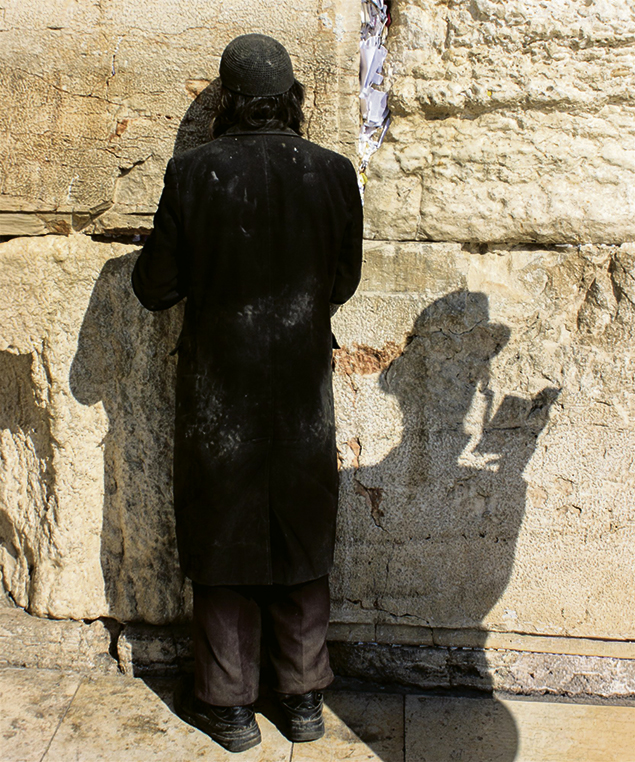
“I’ve put all my knowledge about Jerusalem and its people in the book, and I try to bring in exactly what happens in real life. I don’t try to stage anything. I am a viewer. I come. I see. I take a picture, and I save it. And people can see what life is like in Jerusalem.
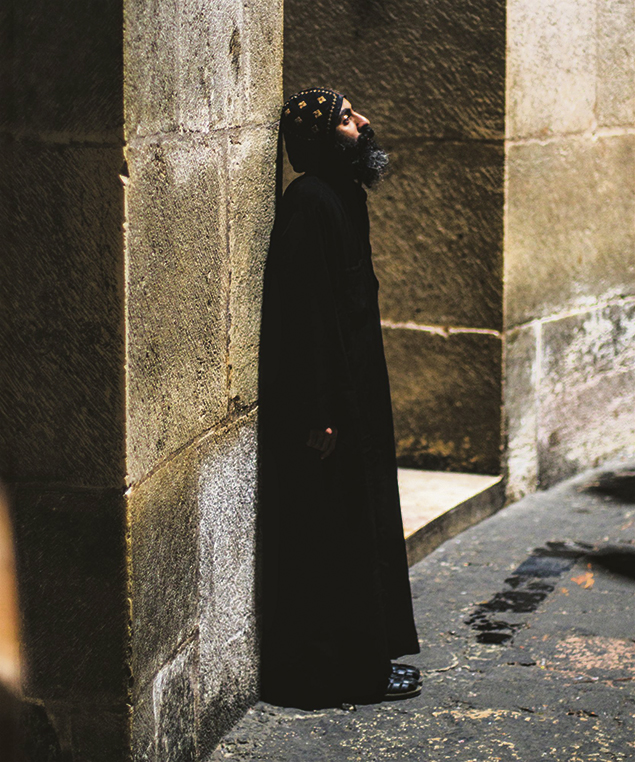
Mr. Gabay also spends a great deal of time doing pro bono work. He takes photos for “At Eye Level,” a nonprofit that works with people with autism. His website showcases much of who he is and what he does; readers can learn more about his book here.
He has a traveling exhibit for the book; the photos can be printed locally so there are no shipping or customs costs, and he often comes to speak in the United States, talking about “Jerusalem and its unique human diversity.
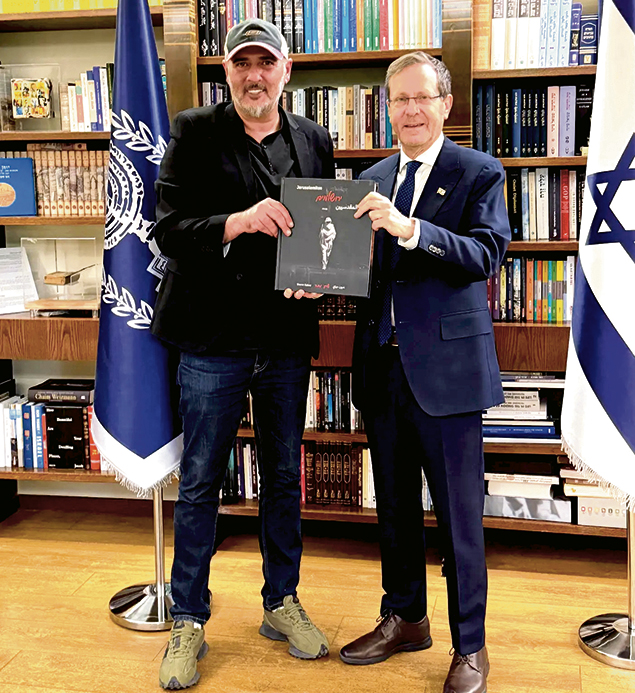
“This book, ‘Jerusalemites,’ is about hope,” he said. “It tells people around the world that what you know about Jerusalem isn’t right. We live together, day by day, all of us, everyone. Yes, we have been at war for three years, but Jerusalem is still vibrating.
“Jerusalem is a hope that if you let people just live, they can live together, and they can make it a great city.”
Features
Musings from Dizengoff Street – by Bruce Brown (updated Sept. 15)
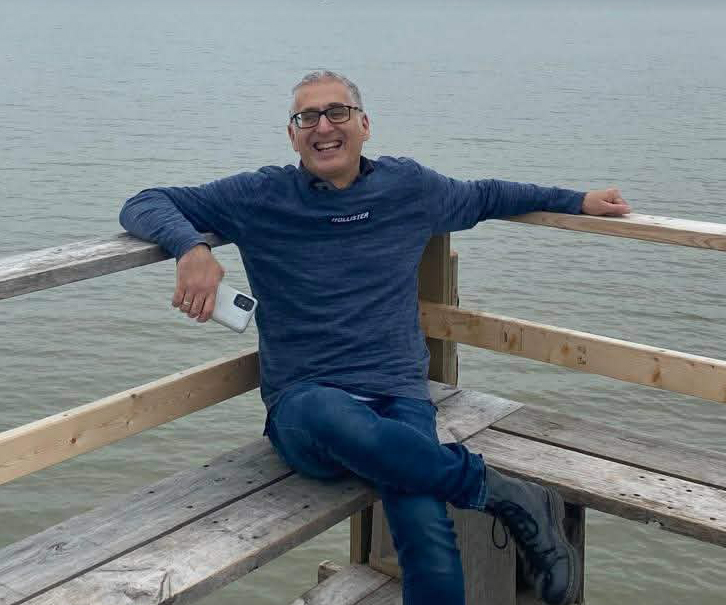
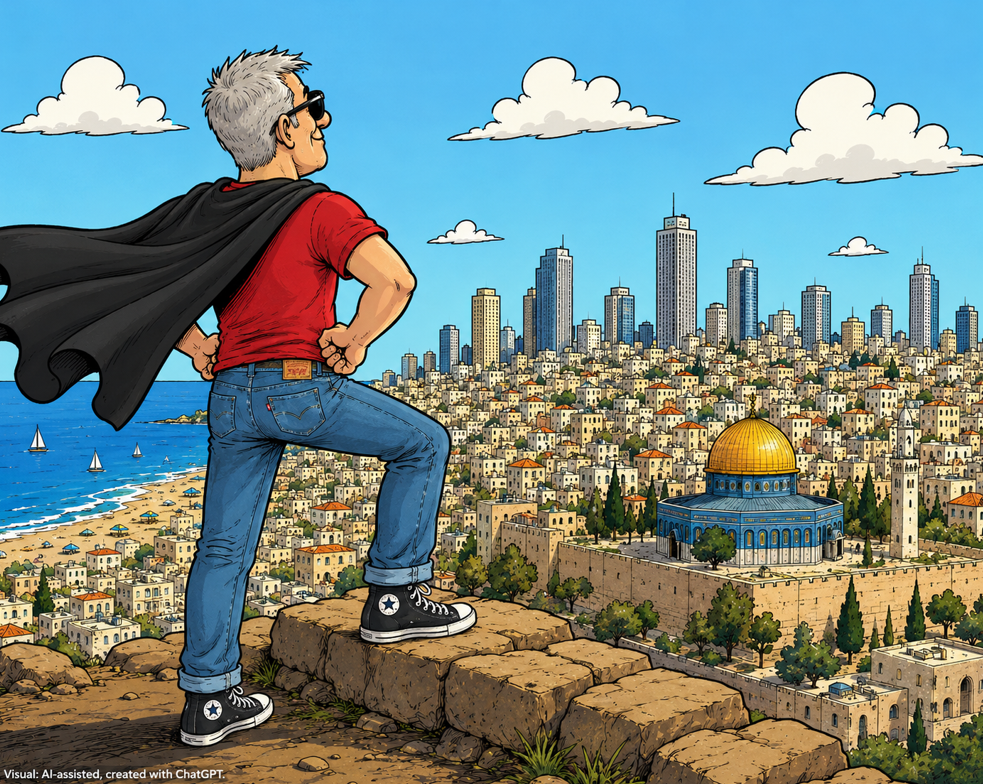
(Posted Sept. 15) Apparently some superheroes are against us. But not really. Whewww!!! Fortunately it’s just the progressive actors who play them in movies. Such as Benedict Cumberbatch (Dr. Strange) and Mark Ruffalo (the Hulk) as well as other minor actors not worth mentioning. What are these misinformed thespians aligning themselves with. Not sure they really know. Well. It’s with The Freedom for Marwan campaign, which pushes for the release of convicted, arch-terrorist mastermind Marwan Barghouti. Convicted in 2004 and sentenced to five life sentences plus 40 years for orchestrating various heinous shooting sprees in Israel during the Second Intifada (2000-2005). Killing and wounding too many innocent Israeli civilians including a Greek Orthodox monk outside Jerusalem. As a comic book fan, and closet Batman and Aquaman (when I swim), it saddens me that these guardians of the universe can be associated with defending evil. But then I remind myself it’s only the actors -what do they know anyway- and not really the superheroes. Unlike our own Gal Gadot (Wonder Woman), Natalie Portman (the Mighty Thor), Shira Haas (Sabra) and Liev Schreiber (Sabretooth). All firmly on the side of good.

(Posted Sept 10) Honey cakes. Honey cakes. Honey cakes. It’s that time of year. Yummy! Here comes Rosh HaShana 5787. And its…. You guessed it. Honey cake season. That light brown loaf our baba used to make. Starting a few weeks before Rosh HaShana and extending through Yom Kippur – a first bite to break the fast and usher in a sweet year- honey cakes are found throughout the country. The familiar sight of the ready-made, pre-packaged, ‘assembly-line’ honey cakes wrapped in cheap cellophane found in Grocery stores. The freshly baked honey cakes adorning window displays at local bakeries. The exorbitantly priced, gourmet honey cake desserts offered at fancy Tel Aviv restaurants. And of course, honey cakes festooning the festive, colorful, Rosh Hashana dinner tables across Israel. I bake my own honey cake which is pretty good. My wife and kids would beg to differ. But these slightly glazed honey cakes -of my own culinary, shtetl inspired creation- are heartedly enjoyed by me as I gain several honey cake induced pounds. Shana tova!

(Posted Sept. 8) Hoarding. A combination of my own little wartime PTSD and some recent headlines about Iran trying to coordinate a multifront attack (is that capability still there?!) and October 7 like rumblings from the West Bank (or Judea & Samaria, depending if you wear a kippa and if its knitted and if it tilts to this side or that side -that’s a shtetl insider joke). I digress and Yikes! And we just had a nation-wide drill of the IDF’s top-level headquarters preparedness for such scenarios. Double Yikes! So ya. I’m always checking and rechecking that we have way more than enough of some things. The thought of entering another prolonged war and some stuff no longer available, even for a short time, scares the bejeebers out of me. Just writing about it triggers the ‘go and buy’ dopamine hit. Medications. Toilet paper. Bottled water. Canned goods. Also worried about the country running out of bullets. But I can’t hoard those.

(Posted Sept. 5) An open letter to the zany and zealous mouthpieces of those delightful, anti-Israel protests held regularly in Toronto. In the heavily Jewish Bathurst & Sheppard area no less. Fear and harassment in the community? Not by the hairs of our chinny chin chins.
Dear Friends.
Are you serious.
Sincerely,
Bruce Brown, a Zionist who does not rape children. Who does not murder children. Who does not eat children. And, get this, who lives in Israel.
(Ed. note: To better understand what Bruce is talking about, go to this story on our website: Police open hate-crime investigation)

(Posted Sept. 1) Can you be more of an international embarrassment and liability? Yes talking about Israeli’s antagonist extraordinaire and National Security Minister Itamar Ben Gvir.
Declaring that Israel should kill ’30-40 Gazans a day’. Seriously?!?! His actual statement may have been more refined and qualified. But it doesn’t really make a difference. That’s the takeaway. Like whose side is he on anyway. Talk about giving our detractors ammunition to delegitimize our little shtetl. Hello?!?!
And a few days later. Showing off in front of a gallows site under construction at a high security prison. Seriously?!?! The death penalty for terrorists. Right or not – I think the former. But like can you give us reason to be compared to an extremist state. That’s the takeaway. Like whose side is he on anyway. Talk about giving our detractors ammunition to delegitimize our little shtetl. Hello?!?!
Serenity now!

(Posted August 28) Kites. Color. Childhood. Hamas and friends should watch Mary Poppins with the final kite flying scene. Remember that song, Let’s Go Fly A Kite. Ya, I know. Somewhat ethnocentric. But still…. I have fond memories of flying kites with my kids. Down the Mediterranean shoreline in Tel Aviv. At the Ness Tziona kite flying festival. Along the green grounds of the Weizmann Institute. Laughing and running. Looking to the sky with awe. Multi-shades and fancy. Kites.
With your fist ‘olding tight
To the string of your kite
…oh, oh, oh!
Lets go fly a kite
Kites. Fun. Laughter. Innocence.
Kites. Not an instrument of war.
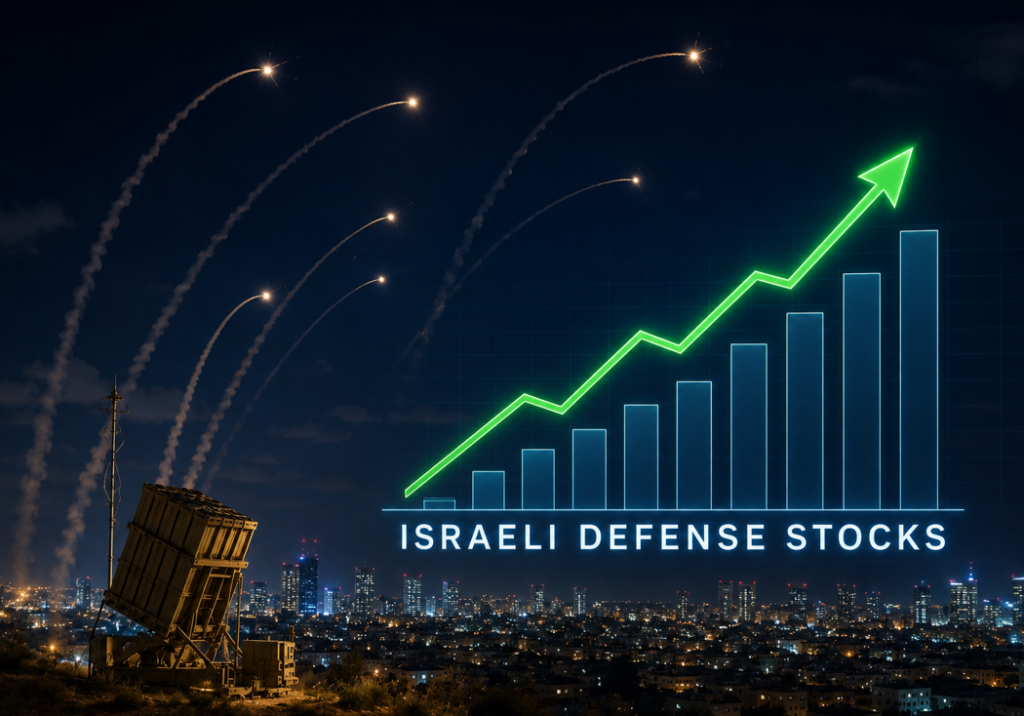
(Posted August 25) How principled can you be! Ireland -one of the most anti-Israel and foggiest countries in the EU- insisted that its government’s new, 60$M executive jet NOT be equipped with Elbit’s FalconEye navigation system, which helps pilots navigate in fog -how ironic- and other difficult weather conditions. Without this unique system the plane must be diverted to alternative airports. This a part of the government’s official boycott of Israeli goods. So good luck to Prime Minister Michael Martin in landing his aircraft in Dublin.
And despite some negative sentiment towards everything Israel, Elbit achieved over 32$B in backorders with Europe driving much of its export growth. On a more personal muse. The morning after Iran’s first attack on Israel (April 13 2024), I woke up not with fear and panic. Well. Okay. Some of that. But also great excitement regarding an investment opportunity which developed overnight. Actually it was the wife’s suggestion. After Israel successfully intercepted over three hundred missiles and drones – showcasing the strength of Israel’s defense industry- my wife had a eureka moment. What better public relations for Israel’s defense industry. Let’s buy stock in Elbit, a key player in that ecosystem. We did. And about eighteen months later we cashed in. With about 150% profit. This is not an endorsement to buy… blah, blah, blah….
Again. Good luck to Prime Minister Martin.

(Posted August 21) Sometimes musings are terribly sad. But should be shared.
Happy belated birthday beautiful Ariel. Turned seven on August 5th. Thought about him and his younger brother Kfir and mother Shiri. All murdered by Hamas shortly after their unbelievable and surreal abduction on Oct 7 2023.
As I was driving home today. “I Thank You Child” by Zakk Wylde shuffled onto my Spotify. Always kills me, this song. It was played by Yarden, the father who himself was held hostage, at the funeral of his family. For Ariel and Kfir. The lyrics chilling. The frequent drum rolls haunting.
It was you who made living all worth the while
Oh, I thank you, my child
Comfort in your eyes
For the warmth inside your smile
Faith’s done gone astray
It was you who made living all the while
All my fears repressed
Oh lovin’ you child it’s the best
This song. Written almost thirty years ago. Finds its devastating meaning today. With the Bibas family tragedy.
How.
Listen to the song here:
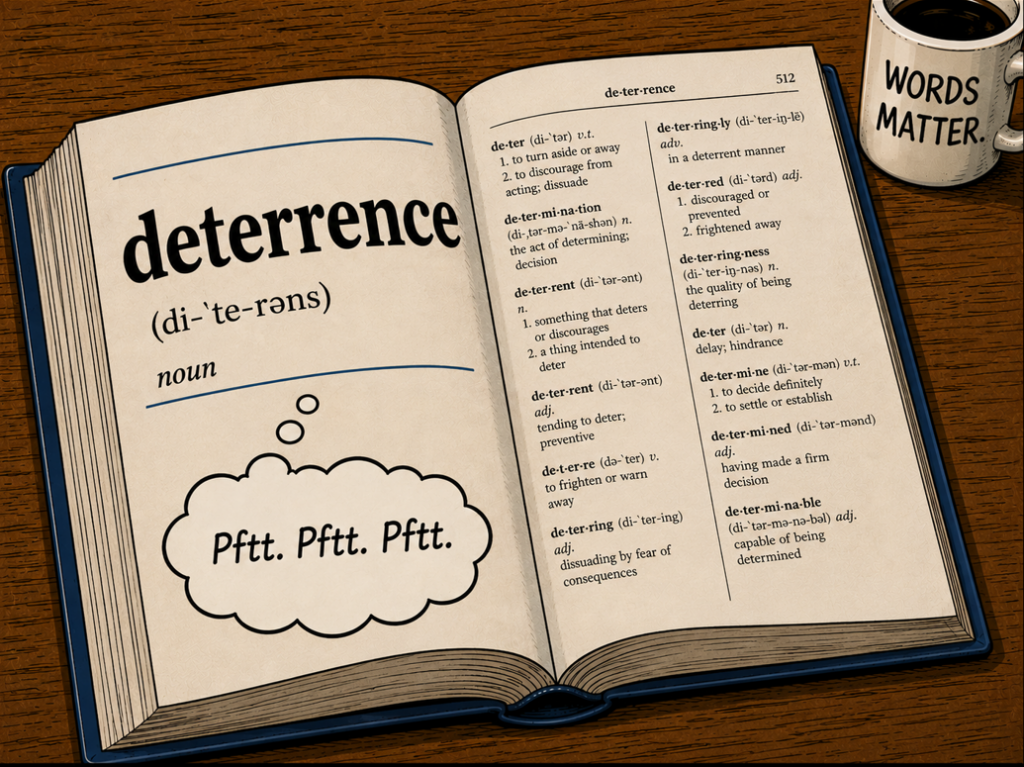
(Posted August 18, 2026) And the beat goes on in the strait. A bit quieter lately although may be heating up again with the 60day ‘ceasefire’ officially expired. And while Iran occasionally lashed out over the last two months, they did not attack Israel. How do you spell deterrence. According to my Yiddisha mama, its spelled ‘Pftt. Pftt. Pftt‘.

(August 14, 2026) Despite three years of varying degrees of warfare. Moody’s biannual report of the Israeli economy was quite positive. Basically, the report saw no pressures on Israel’s credit rating. While the macro data remains strong, Israel still faces a complex geopolitical situation further complicated by upcoming elections (we pondered about how crazy that is in an earlier muse). And Israeli’s inflation rate for the first half of 2026 fell to a historic five year low of 1.2% (vs Canada’s 2.6%). As for my own pocketbook. Haven’t had an infamous Israeli bank overdraft in years. So all is fine.
If that’s not enough economic voodoo talk for one musing. According to one famous barometer. Israel moved to second place in the Economist’s Big Mac Index. Introduced in 1986, this tasty indicator compares the purchasing power parity across countries by measuring the price of a McDonald’s Big Mac -which most can relate to- against the benchmark U.S. burger. So while a Big Mac in the U.S. costs $6.22. In Israel it costs $7.67, the second most expensive place to buy the hamburger in the world, Switzerland being the most pricey at a whopping (no reference to Wendy’s) $9.04. While the cheapest Big Mac can be enjoyed in Indonesia at only $2.38. Canada ranked 22nd of the fifty-four countries considered, at $5.85. Parity. Smarity. I’m going for my Big Mac fix. Just after I finish writing this muse….

(August 11, 2026) Bravo Boy George. We certainly will dance again! And what better way than with his new reggae tune. Now Boy George is dealing with a hostile backlash against his just stand for Israel. Having to withdraw from London’s East End production of Jesus Christ Superstar where he was going to play – guess it. King Herod. Never a big Culture Club fan, but I am anyway -as a sign of support- going to download his greatest hits to my Spotify library. And hoping to have a chance to buy a concert ticket should Boy George perform in Israel. Kind of reminds me of Bob Dylan’s 1983 song Neighborhood Bully. Also in defense of Israel. I’m going to download that song as well. Although don’t think he was hounded the way Boy George is now. Sign of the times I guess.
+++++
Coming clean. I sometimes find myself chanting, to no one in particular, that snappy little ditty ‘from the river to the sea, Palestine will be free.’ Now why can’t we come up with something as catchy. With such an impressive gene pool of great Jewish songwriters. George Gershwin. Irving Berlin. Burt Bacharach. Carole King. Neil Diamond. Leanard Choen. Paul Simon. Gene Simmons, Amy Winehouse. Bob Dylan. And yes, even the Buddhist Boy George. And still… gurnish! No wonder we’re losing the global PR battle
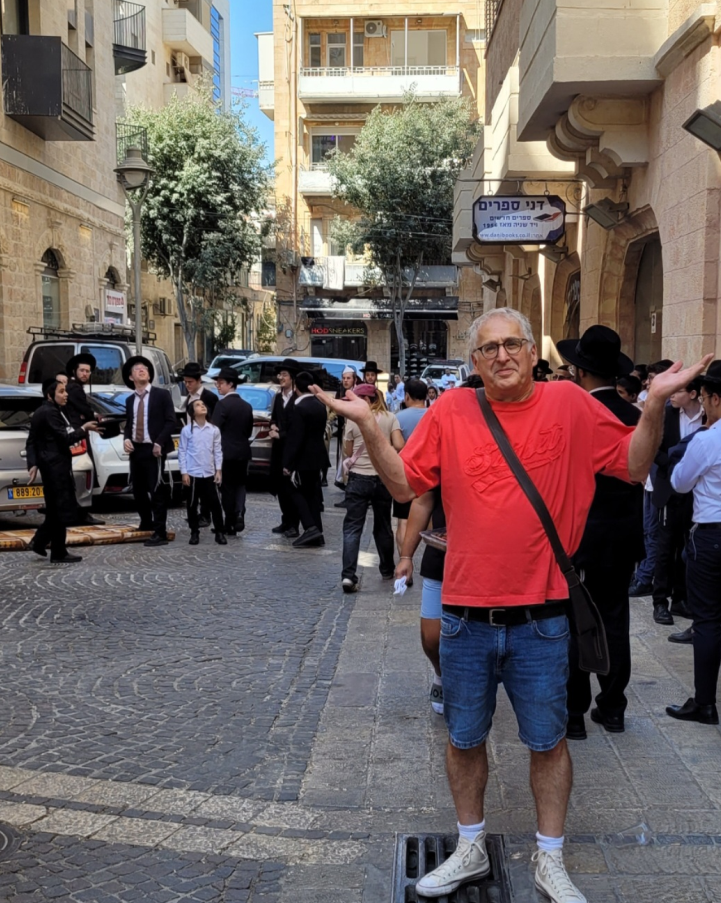
(August 8, 2026) Outside Basimta Café in Central Jerusalem. Love the red shirt against a tiny sea of black. Not sure I am shrugging because of the ultra-orthodox uproar over a Jerusalem café operating on Shabbat or the lack of an ultra-orthodox uproar over a Jerusalem café operating on Shabbat. For the last six weeks Israeli headlines shouted about the cafe chaos. With the ultra-religious blocking entrances and storming the café. While shouting ‘Shabbos! Shabbos!’ Upsetting the secular amongst us just wanting to enjoy our Saturday iced matchas. So the wife and I thought we would check it out. And. Yes. Buy something to support the business. Uproar. Not. Blocked entrances. Not. Storming the café. Not. Albeit there were police barriers separating the devout protesters from the coffee drinkers. The protesters being just a few dozen black clad, pious Jews. Mostly teenagers. And yes. Shouting ‘Shabbos! Shabbos!’ Certainly underwhelming in its reported mayhem. Reminds me of the famous saying misattributed to Mark Twain – “If you don’t read the newspaper, you’re uninformed. If you do, you’re misinformed.” But I did enjoy my iced matcha.
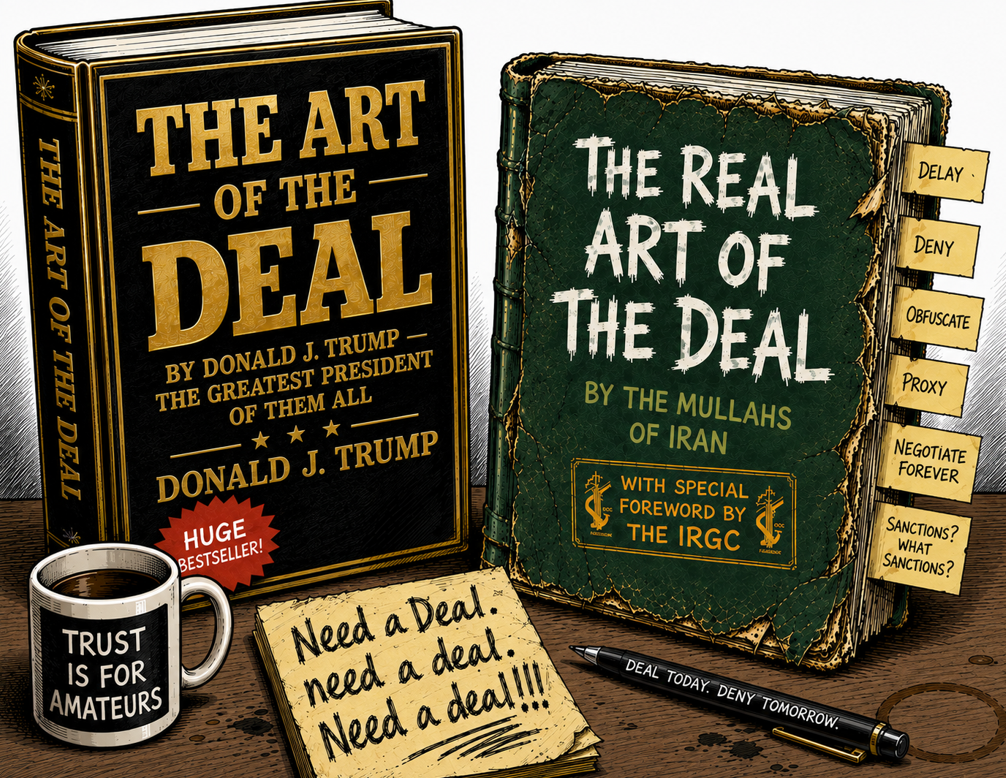
(August 6, 2026) Here we go again. Another round of forever negotiations. As someone who negotiates for a living. The way things are going in the straits. If I had to recommend a book on the subject to a new hire. Between The Art of the Deal, A Presidential Edition by Donald J. Trump or The Real Art of the Deal by the Mullahs of Iran with a special forward by the IRGC. Well. I would choose the latter.
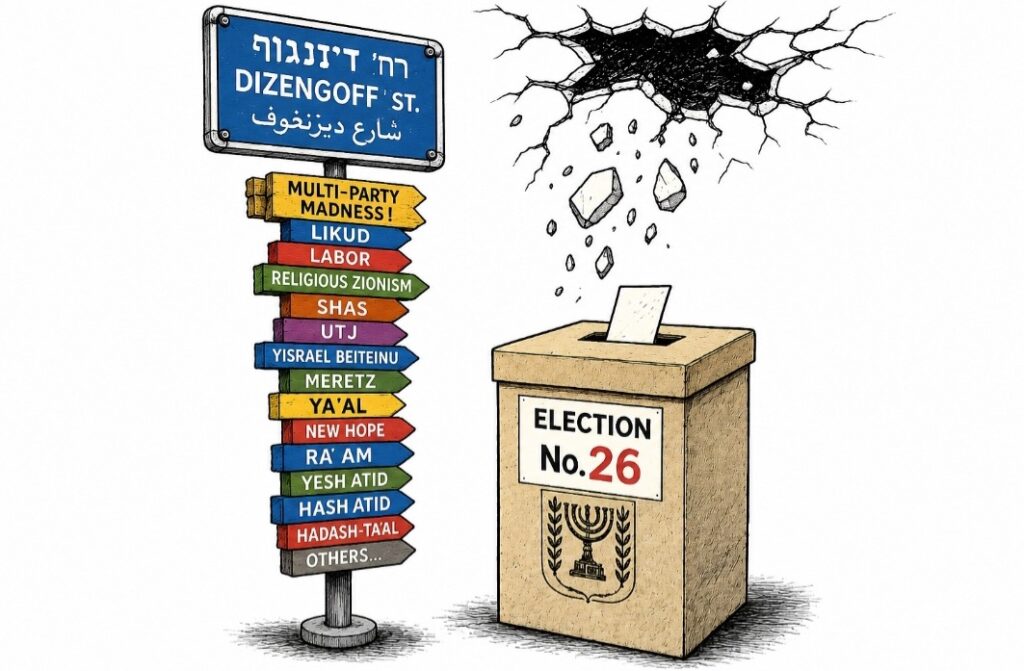
(August 3) Bravo Yoav Segalovitz, Liberal Yesh Atid MK and Monsour Abbas, United Arab Ra’am MK and party head. For breaking a glass ceiling where a Jewish lawmaker joins an Arab political party. No less a political earthquake in my little shtetl. Which can significantly impact coalition block arithmetic and posturing and strategy in the upcoming elections. Now Ra’am can be considered a legitimate ‘Zionist’ partner when forming coalition blocks and potentially pushing the ‘center left/right’ party over the 60 seat majority threshold. In our crazy parliamentary democracy defined by a multi-party (about fourteen!!), proportional representation system. To paraphrase Winston Churchill, Israel’s proportional representation model of governance is the best parliamentary democracy system except for all other forms of working democracies. Stay tuned for more amateurish political musings as we move towards Israel’s 26th national election – five of them held since 2019.
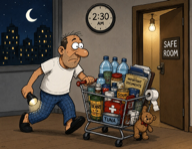
(August 1) Although both sides say they are open to diplomacy. Neither really trusts the other. And American military action, or its threat, continues. I read headlines in the middle of the night -it’s a nervous habit lately– that the Dynamic Duo of Trump and Netanyahu may again strike in unison. Possibly this weekend. Yikes! Prompting me, at 2:30 AM, to dash around the house stocking my safe room. Bottled water. Canned food. Medicines. Documents. The beat goes on….
If it’s crazy here. It’s insane in Italy. With a recent online ‘Jew Hunt’ in the Milan area. Before being removed, the digital forms urged reportings of Israelis and Italian Jews staying in local hotels. The infamous Global Sumud Movement -yes, the one coordinating ‘peace and humanitarian’ flotillas to Gaza- was somehow connected. Although they deny involvement?! This deranged decree was looking to identify Zionist tourism and Zionist neo-colonization in Italy. I’ll stick with stocking the saferoom.
Then there’s New York Mayor Mamdani, a Global Sumud Movement supporter, threatening to arrest Prime Minister Netanyahu if he comes to New York. But since discovered he has no legal right for such a grandstanding, antisemitic, anti-Israel, anti-Western, anti-democratic antic. Maybe Mandami should be arrested! Or at least impeached. For being a grandstanding, antisemitic, anti-Israel, anti-Western, anti-democratic mayor.
Here’s a post Bruce sent us Friday, July 31:
WARTIME MUSINGS
Should credible threats against FLOTUS and ‘FSOTUS’ (first son..) not be justification to attack first.
As for yesterday’s summit. Netanyahu really can’t win. Explainer. If Trump now attacks without victory its ’cause of Netanyahu. If Trump now attacks with victory its ’cause of Trump. And, in Israel, if Trump doesn’t attack -victory or not- Netanyahu failed in his eighth meeting with Trump. And if Trump does attack -victory or not- half the country will vilify Bibi anyway. Missing a permutation?
Ya. I know. Kinda’ need a definition of victory for that musing to work.
And here in my little shtetle. We go to sleep unsure if there will be a code red in the middle of the night. And if not. We wake up thinking it will be tonight. How do you define stress?

Seemed like an appropriate way to end this musing.
Bruce Brown is a former Winnipegger who made aliyah to Israel over 35 years ago. Bruce first began writing for us – in his own inimitable style, in 2012, during what was known as “Operation Pillar of Defense.” His occasional musings on aspects of life in Israel that were far from what you’d typically read in other reports from Israel were hugely popular – both in the print Jewish Post & News and on this website.
We’re now glad to report that Bruce is back writing for us – this time on a regular basis. We will post Bruce’s reports as they arrive – with the date of each post at the beginning of that post.
Here’s some information about Bruce – and awards he’s received for his writing:
Bruce Brown. Canadian born. Now living in Israel (for a long time). Bruce works in Israel’s hi-tech sector by day and, in spurts, is a somewhat inspired writer by night. He received the American Jewish Press Association’s award for writing excellence in 2019 and 2025. And wrote the1998 satire, “An Israeli is….”. Bruce’s visuals are AI-assisted and created with ChatGPT under his inimitable visual concept and creative direction. Bruce’s musings are political, social, economic and personal. With lots of biting, contrarian, sardonic, irreverent and mischievous insights.
