


Uncategorized
ADL enlists major law firms to launch pro bono network for antisemitism cases
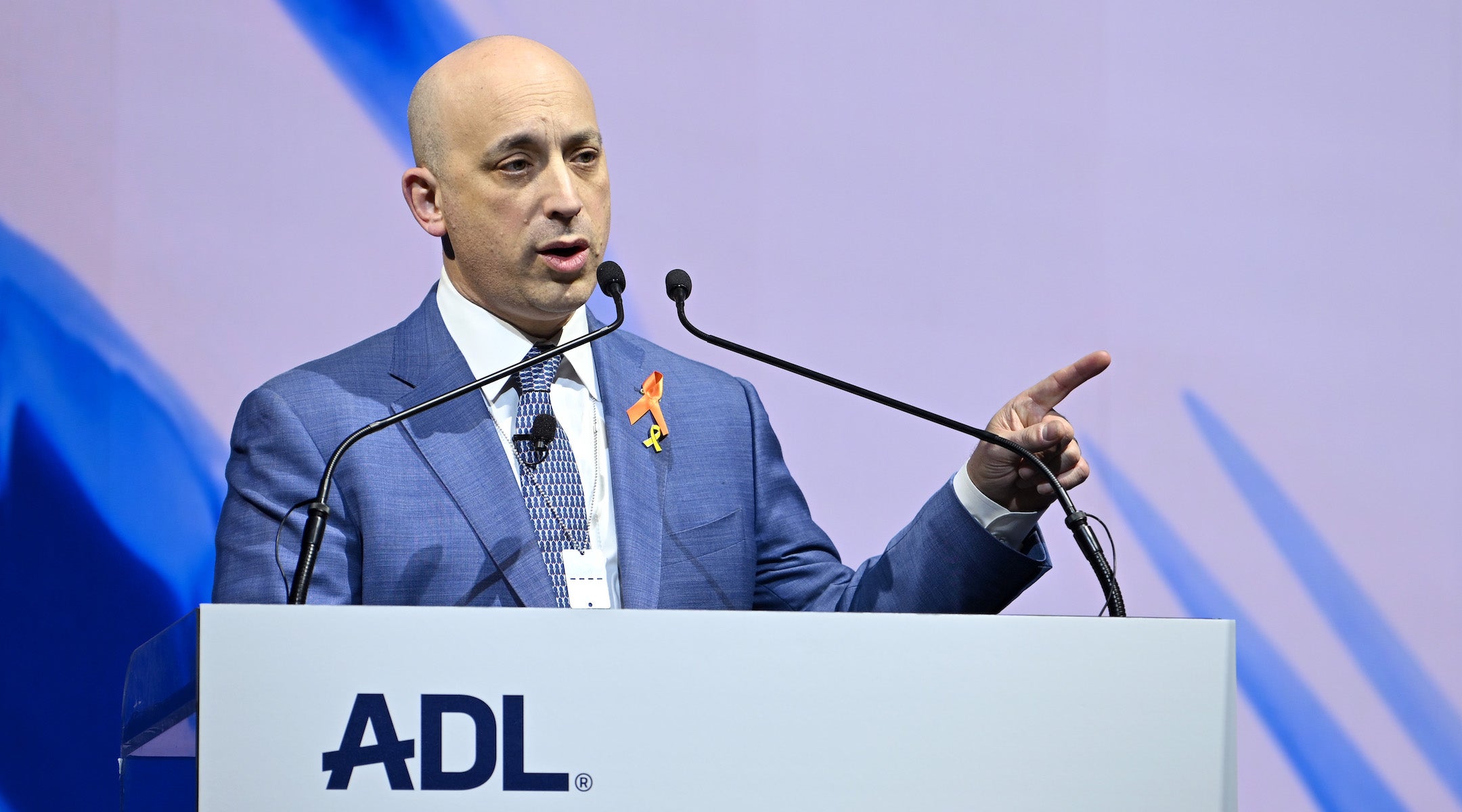
The Anti-Defamation League is launching a nationwide legal service to connect victims of antisemitism with lawyers who are able to take their cases on a pro-bono basis.
The initiative comes as the ADL has increasingly turned to litigation as a tactic — the group says it has filed more lawsuits and legal complaints in the last years than in its previous 110 years combined.
Announced on Wednesday, the ADL Legal Action Network comes out of a partnership with Gibson, Dunn & Crutcher, one of the largest law firms in the country. In total, more than 40 firms have agreed to participate, collectively tapping a pool of 39,000 attorneys.
The network will accept online submissions involving discrimination, intimidation, harassment, vandalism or violence and use artificial intelligence to evaluate them. Tips that make it through the system will be referred to partner firms or the ADL’s in-house litigators.
“For decades, victims of antisemitism have come to ADL to receive frontline services,” ADL CEO Jonathan Greenblatt said in a statement. ”We are now dramatically expanding our capabilities to support more Jewish Americans by helping to provide direct access to legal support anywhere in the country.”
Gibson Dunn partner Orin Snyder called the network an “unprecedented legal firewall against antisemitism, extremism, and hate.”
The initiative comes as the ADL, which is flush with donations, retreats from some of its traditional advocacy and educational work while facing an onslaught from the right, including the cutting of longstanding ties to the FBI after the agency’s director, Kash Patel, said the ADL has been “functioning like a terrorist organization.” (The group has also faced criticism from the left.)
The group recently eliminated an online resource known as the Glossary of Extremism and Hate, which counted more than 1,000 entries after accusations of bias by conservatives. It has also, for example, eliminated a signature anti-bias training for students and school teachers that included a focus on racism and LGBTQ issues.
Greenblatt has said he is intentionally retooling the organization to prioritize countering antisemitism as American Jews report increased harassment and discrimination.
The legal network formalizes and expands the Campus Antisemitism Legal Line, which Gibson Dunn launched with the ADL, Hillel International and the Louis D. Brandeis Center in 2023. The ADL says CALL has received nearly 1,000 reports from 230 campuses and helped spur civil rights complaints and criminal cases. The new system extends that model beyond higher education to workplaces, public accommodations and allegations involving extremist organizations and individuals.
One example that originated with a tip is a federal complaint filed by the ADL and its partners in June alleging that a high school in the Boston suburbs failed to protect Jewish students from antisemitism.
The complaint said that Concord-Carlisle High School and Concord Middle School became hotbeds for abuse of Jewish of students, including “Nazi salutes in school hallways, students dividing themselves into teams called ‘Team Auschwitz; and ‘Team Hamas’ during athletic games, swastikas drawn in notebooks and on school property, and the use of antisemitic slurs such as ‘kike,’ ‘dirty Jew,’ and ‘go to the gas chamber,’” according to the ADL. School administrators allegedly downplayed or dismissed students’ complaints.
The district has said it takes antisemitism seriously and that it is cooperating with officials. It also said it is consulting with Jewish groups as it reviews its classroom policies and training programs.
Directing the expanded network is James Pasch, who was tapped in 2023 to head a new litigation division for the organization. In an interview, Pasch said the organization is deliberately making the courthouse a central arena.
“ADL does and has done, historically, three things incredibly well — we educate, we advocate and we investigate — and now we litigate,” he said. The aim, he added, is to “create life-altering costs to perpetrators who are committing illicit acts of antisemitism,” develop case law that better protects Jews, and give victims “a necessary outlet to tell their story in a complete way.”
Pasch said the ADL’s litigation team has grown into “like a boutique litigation firm inside ADL,” with roughly seven litigators plus support staff, while most large matters proceed with support from outside law firms. The expansion comes amid skyrocketing fundraising, which topped $170 million in annual donations, according to its most recent audited financial statements — a $65 million increase over its best year.
Pasch said settlements, or even the threat of a filing, can lead to immediate impact and set standards for other institutions.
The ADL’s case list since Oct. 7 ranges across campuses, K-12 districts, workplaces and terror-finance suits. The group filed federal actions seeking to hold Iran, Syria and North Korea responsible for allegedly supporting Hamas’s Oct. 7 attack; separate complaints invoke Title VI against universities and school districts over what the ADL calls failures to adequately respond to antisemitism. The organization has also backed a church lawsuit targeting intimidation by a white supremacist group.
The initiative comes as many large firms reportedly recalibrate their pro bono work under pressure from the Trump administration, which has elevated antisemitism as a signature priority. To avoid becoming targets over more politically sensitive matters such as immigration and asylum, some firms are reportedly steering clear of those cases. Partnering with Jewish organizations on antisemitism claims lets the firms align with an issue the administration has endorsed.
Under President Donald Trump, the Department of Justice has reorganized its civil rights division to focus on a narrow list of priorities, among them antisemitism. The department has launched probes into universities accused of mishandling last year’s protests over the war in Gaza, and last month brought charges against an alleged Palestinian militant who participated in Hamas’ Oct. 7 attack on Israel before entering the United States as an immigrant.
Pasch said he welcomes federal efforts but added that increased government action is no reason for civil society to let up the legal pressure.
“This is a moment that will take an all-of-society approach from the government, to NGOs, to private business,” he said. “In legal cases, the Justice Department generally does not represent private individuals who are victims of antisemitism, but ADL along with our partners in firms have the ability to bring those cases to the forefront.”
The ADL is not the only Jewish group also ratcheting up litigation.
The Brandeis Center, a Washington, D.C.–based nonprofit dedicated to advancing “civil and human rights of the Jewish people” on Monday announced five new hires. The group is led by Kenneth Marcus, who is credited with pioneering the use of federal civil rights law — especially Title VI — to address antisemitism in education.
The pro-Israel group StandWithUs reports that its legal team has tripled in since the Oct. 7 attacks and has been publishing semiannual reports detailing new cases.
The increase in legal activity comes amid a broader debate about how to balance civil rights enforcement with free-speech protections. As part of settlement negotiations, the ADL has demanded that school districts and universities formally adopt what’s known as the IHRA definition of antisemitism.
But civil liberties groups and Palestinian-rights advocates have criticized the use of Title VI complaints tied to the IHRA definition because they say aggressive enforcement can stifle political discussions about Israel. The ADL and its partners counter that the cases target conduct — harassment, threats, discrimination — not viewpoints, and that filings have already yielded concrete changes on campuses and in districts.
In explaining how he selects what cases to pursue, Pasch said the criteria include whether a filing would disrupt harmful activity, strengthen or establish law, and give victims a full voice.
“We can’t heal the injured and we can’t bring people back from the dead,” he said. “But we can provide a voice and some semblance of relief for victims, whether that be policy change or monetary relief.”
—
The post ADL enlists major law firms to launch pro bono network for antisemitism cases appeared first on Jewish Telegraphic Agency.
Uncategorized
Emil Kalin wins Mendele Prize for Yiddish Literature 2026
דער תּּל-אָבֿיבֿער שטאָטראַט האָט די וואָך אַנאָנסירט, אַז דער ייִדישער שרײַבער עמיל קאַלין האָט זוכה געווען צו באַקומען דעם מענדעלע-פּּריז פֿאַר ייִדישער ליטעראַטור. דעם פּרײַז טיילט די שטאָט אויס יעדע פֿיר יאָר פֿאַר בעלעטריסטיק, ליטעראַטור־קריטיק אָדער אַנדערע בײַטראָגן צו דער ייִדיש־ליטעראַטור.
דעם פּריז האָט מען אים געגעבן אין שײַכות מיט זײַן לעצטן ראָמאַן, „צוזאַמענבראָך“ (2025), וועגן אַ געוועזענעם חרדישן ייִד פֿון ירושלים, וואָס פֿאַרלאָזט זײַן פֿרוי און קינד און לאָזט זיך גיין אויף אַ קאָמפּליצירטן גײַסטיקן דרך. דאָס בוך איז דערשינען אין פֿאַרלאַג ייִדיש-בראַנזשע און לייוויק-פֿאַרלאַג, מיט דער שטיצע פֿון דער „נאַציאָנאַלער אינסטאַנץ פֿאַר ייִדישער קולטור“. מע קאָן עס קויפן דורך leyvik.org.
נישט לאַנג נאָך דער פּובליקאַציע פֿונעם ראָמאַן האָט דער פֿאָרווערטס־רעצענזענט מיכאל קרוטיקאָוו געשריבן וועגן דעם בוך, און בפֿרט וועגן דעם הויפּט־פּערסאָנאַזש, הערש, אַזוי:
קאַלין שילדערט סײַ מענטשן און סײַ לאַנדשאַפֿטן אָן קײן שום באַפּוצונג. ער איז אַ מײַסטער פֿון מעטאַפֿאָרישן אימאַזש, װאָס שאַפֿט אַ געהעריקע שטימונג. די שטאָט תּל־אָבֿיבֿ איז אַ מין לעבעדיקע, פֿיבערדיקע חיה, װאָס כאַפּט הערשן פֿעסט אַרום „מיט בײדע שװיציקע הענט.“ די אױטאָבוסן זײַנען „אומגעלומפּערטע יבשה־שיפֿן, װאָס שנײַדן זיך קױם דורך אַ װעג אין דער ברױזנדיקער באַװעגונג.“ ער אַנטלױפֿט קײן ירושלים מיט אַ האָפֿענונג, „אַז ירושלים װעט מיך דערהײבן מיט זיך, אָבער דאָס פֿאַרקערטע איז געשען: ירושלים האָט מיך דערנידערט, אַראָפּגעשלעפּט מיט זיך אין בלאָטע.״
די דרײַ ריכטער פֿונעם פּריז־קאָמיטעט — דבֿ־בער קאָטלערמאַן, דניאל גלאַי און נירה תּובֿל — האָבן געזאָגט, אַז קאַלינס בוך איז נישט בלויז זייער גוט געשריבן, נאָר איז אויך איינער פֿון די גאָר ווייניק מאָדערנע ראָמאַנען אויף ייִדיש, וואָס באַהאַנדלען טעמעס פֿון דער הײַנטיקער ישׂראלדיקער געזעלשאַפֿט.
אַחוץ „צוזאַמענבראָך“ האָט קאַלין אַרויסגעגעבן צוויי אַנדערע ראָמאַנען, און הײַיאָר וועט דערשײַנען זײַן פֿערטער. די אויסטיילונג וועט פֿאָרקומען דעם 1טן דעצעמבער 2026 אין עינבֿ-זאַל, וווּ עס וועט אויך בײַזײַן דער תּל-אָבֿיבֿער בירגער-מײַסטער רון חולדאי.
עמיל קאַלין איז געבוירן געוואָרן אין 1982 אין בוקאַרעשט, און האָט מיט זײַן משפּחה עולה געווען קיין ישׂראל אין עלטער פֿון 7 יאָר.
ער האָט פֿאַרענדיקט זײַנע הויכע לימודים אינעם העברעיִשן אוניווערסיטעט אין ירושלים, און האָט לאַנגע יאָרן געאַרבעט אין הײַטעק. הײַנט לערנט ער פּסיכאָלאָגיע אינעם תּל-אָבֿיבֿער אוניווערסיטעט.
קאַלין האָט אויך איבערגעזעצט אויף ייִדיש דאָס דײַטשישע בוך „דער גאַנג פֿון די הינט“, וואָס איז אַרויס דורכן פֿאַרלאַג „אָלניאַנסקי טעקסט“. זײַנע אַנדערע ביכער זײַנען אַרויס דורך די פֿאַרלאַגן „ייִדיש בראַנזשע“ און „ה. לייוויק“.
זײַנע קירצערע ווערק קען מען לייענען אינעם דיגיטאַלישן זשורנאַל „ייִדיש בראַנזשע“, רעדאַקטירט פֿון באָריס סאַנדלער.
אין יאָר 2025 איז ער פֿאַרבעטן געוואָרן אויף אַ טור אין אַכט שטעט אין דײַטשלאַנד, כּדי פֿאָרצושטעלן דאָס בוך „צוזאַמענברוך“.
ער וווינט אין תּל־אָבֿיבֿ מיט זײַן פֿרוי שבֿע כּהן און זייערע דרײַ קינדער.
The post Emil Kalin wins Mendele Prize for Yiddish Literature 2026 appeared first on The Forward.
Uncategorized
Brussels Airlines workers threaten strike over flights to Israel, citing ethical objections
(JTA) — A Belgian union has threatened to strike against Brussels Airlines for compelling staff to work on flights to Israel, saying that anyone with “safety or conscientious objections” should be able to refuse.
ACV Puls, Belgium’s largest trade union, said on Tuesday that the company was breaking previous agreements to rely on volunteers for flights to Tel Aviv. The airline resumed flights to Tel Aviv on August 3, following a five-month pause because of the U.S.-Israeli war in Iran, and its first flights were operated with volunteers.
“Serious concerns exist among the staff regarding both physical safety and the mental and ethical impact of these flights,” ACV Puls spokesperson Jolinde Defieuw said in a statement. She added that making staffing mandatory was “particularly serious in the context of the ongoing war and the genocide in Gaza.”
ACV Puls, which represents aviation employees including pilots, cabin crews and ground staff in Belgium, said that a strike could follow if Brussels Airlines does not reverse its decision to resume regular staffing. The union argued that flying to Israel could not be deemed sufficiently safe, citing Belgium’s Ministry of Foreign Affairs, which advises against “all non-essential travel to Israel and Jerusalem.”
They also said that workers should be able to decline the flights for ethical reasons. Those who have “safety or conscientious objections must be able to refuse these flights without financial, professional, or disciplinary consequences,” said the union.
Nico Cardone, a spokesperson for Brussels Airlines, told the Jewish Telegraphic Agency that safety was the company’s “highest priority, whether we operate with volunteers or not.” He added that the airline was “not a political party” and made decisions about flight operations based on safety and demand.
“We do not engage in political discussions about the governments of certain destinations, and we ask our staff to uphold this same professional standard,” said Cardone.
ACV Puls said the airline was compelling crews to work because it had not found enough volunteers. Cardone disputed that, saying the airline always aimed to return to regular crew scheduling over time.
Along with threatening a strike, the union called on the Belgian government to weigh in. ACV Puls said the government should take a stance on the availability of commercial flights to Israel “despite the ongoing war, the massive civilian casualties, and the serious accusations of war crimes and human rights violations against the Palestinian population.”
Belgium has grown increasingly critical of Israel’s conduct in Gaza and Israeli settlements in the West Bank since 2023. Earlier this year, Belgium banned aircraft carrying military equipment bound for Israel from crossing its airspace. The government in July approved a ban on goods imported from Israeli settlements in the Palestinian territories.
This article originally appeared on JTA.org.
The post Brussels Airlines workers threaten strike over flights to Israel, citing ethical objections appeared first on The Forward.
Uncategorized
Haiti saved Jewish lives then. Our silence is not an option now.
In the late 1930s, as Nazi Germany intensified its persecution of Jewish people and the warning signs of a far darker future became increasingly clear, Jewish families searched desperately for countries willing to receive them. While many nations turned their backs, Haiti did not. It issued life-saving visas and offered them safe haven.
Nearly 90 years later, history has come full circle.
Hundreds of thousands of Haitians who have lived and worked lawfully in the United States under Temporary Protected Status (TPS) now face forcible deportation to a country engulfed in one of the world’s worst humanitarian crises.
This moment is deeply personal.
My mother survived a Nazi forced-labor camp, where she was forced to manufacture explosives. My father and three of his nephews survived Auschwitz. The rest of my family perished. I grew up with that history and with a profound awareness of what it means to be uprooted, persecuted and abandoned by the world.
That history shaped not only who I am, but the course of my life. I began my career as an art historian, but eventually felt called toward a different path: working alongside communities confronting abject poverty, famine, conflict and disaster.
My humanitarian career began in 1988 at the American Jewish Joint Distribution Committee (JDC), under the mentorship of Aryeh Cooperstock, who in the spirit of Tikkun Olam – repairing the world – led JDC’s international development work with non-Jewish communities around the globe. Aryeh fundamentally influenced my professional practice by instilling the conviction that true development starts with humility and listening to local partners who know their own challenges best.
While at JDC, its archive revealed a truth I never forgot. In the late 1930s, Haiti said yes to desperate Jewish refugees while bigger nations said no. My family wasn’t among those saved, but the grace of that gesture stayed with me forever.
Thus, in 2009, after working extensively across 24 countries in Asia, Eastern Europe, Africa and South America, I founded EcoWorks International to work in Haiti, as an enduring expression of profound gratitude.
For the past 17 years, we have worked shoulder-to-shoulder with Haitian professionals and communities in a broad range of sectors. Following the devastating 2010 earthquake, and with a generous grant from JDC, we built and equipped a physical rehabilitation center at Bernard Mevs Hospital, Haiti’s leading trauma center, restoring mobility and hope to thousands of victims.
Near the capital of Port-Au-Prince, we helped local farmers establish the first regional agricultural cooperatives that they own and manage.
After the 2021 earthquake, we worked with coastal fishing communities to rebuild the underwater systems that their livelihoods depend on. Today, in Haiti’s northern region, we work with 2,500 rice farmers to adopt a sustainable farming method that uses significantly less water, relies on organic fertilizer, and can nearly double yields.
Yet, in nearly two decades of standing with Haiti through natural disasters and socio-political upheaval, I have never witnessed such a level of unchecked violence, widespread displacement, and profound despair as now.
Armed gangs control almost all of Port-au-Prince, key regions, and major transit routes. Murder, kidnapping, rape, extortion and arson are daily instruments of terror. More than 1.5 million people are displaced and 5.7 million face severe hunger. Hospitals and clinics have been attacked, burned or forced to close.
Recently, Bernard Mevs Hospital, where we worked following the earthquake, was attacked and burned. In Ganthier, where our organization worked for years, the 400 Mawozo gang drove some 20,000 people from their homes. Their victims now live homeless and in hiding and our friends, partners and colleagues are still unable to return.
Today, Haiti has not one elected official. Basic institutions and services have collapsed. Parents struggle to feed their children. Pregnant women may have nowhere to give birth safely. Simply traveling to work, school, a market, or a hospital puts people at risk of kidnapping, rape or death.
This is the abyss to which some 350,000 Haitians in the United States now face forcible deportation, a process that has already begun.
The Haitians who lost their TPS are our neighbors, coworkers, healthcare professionals, teachers, business owners, taxpayers and friends. They built dignified lives and raised families here under a legal humanitarian program created to protect people from precisely the nightmare Haiti is experiencing today.
As we approach the High Holidays, a sacred season of Cheshbon HaNefesh, a call to reflection and duty, moral fortitude and a choice of who we choose to be, we are commanded not to stand idly by while our neighbors suffer.
In the past Haiti chose compassion over indifference toward the Jewish people. Today, the moral choice is ours. Write to your senators and representatives demanding the extension of TPS for Haitian people. Ask your rabbi, synagogue, Jewish Federation, and community leaders to issue public statements and take action. Share Haiti’s historical connection to our people.
Yesterday, Haiti opened its doors to save Jewish lives. Today, Haitians desperately need our voices. May history remember that when they needed us most, we did not remain silent.
The post Haiti saved Jewish lives then. Our silence is not an option now. appeared first on The Forward.
