


Uncategorized
An exhibit at Warsaw’s Polin Museum on the history of Jewish languages
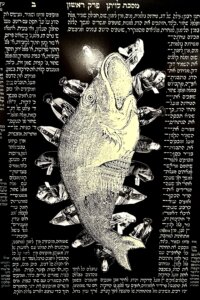
אין אַ נײַער אויסשטעלונג בײַם ייִדישן מוזיי „פּולין“ זעט מען, אַז עספּעראַנטאָ איז אויך אַ ייִדישע שפּראַך.
די סיבה דערפֿאַר איז נישט בלויז ווײַל דער פֿאַרטראַכטער פֿון עספּעראַנטאָ, ד״ר לייזער זאַמענהאָף, איז געווען אַ ייִד, אַ געבוירענער אין ביאַליסטאָק. אין די ערשטע יאָרן זענען אַ סך רעדערס פֿון עספּעראַנטאָ געווען ייִדן, ווײַל זיי האָבן געליטן פֿון אַנטיסעמיטיזם און האָבן געחלומט פֿון אַ וועלט אָן נאַציאָנאַלע און רעליגיעזע גרענעצן. דער ייִדישיסט און עספּעראַנטיסט, ד״ר צבֿי סדן, האָט טאַקע אַ מאָל באַמערקט: „עספּעראַנטאָ איז ייִדיש פֿאַר גויים“.
פֿון דעסט וועגן, איז די צענטראַלע שפּראַך בײַ ייִדן אין משך פֿון דער גאַנצער געשיכטע אַוודאי העברעיִש, און דער פֿאַקט ווערט נישט פֿאַרשוויגן אין דער נײַער אויסשטעלונג. זי הייבט זיך אָן מיטן אַלטן העברעיִש אין די אויפֿשריפֿטן אין „כּתבֿ עבֿרי“, די אַלטע אותיות, וואָס ייִדן האָבן געניצט אין דער צײַט פֿון די מלכים, פֿאַרן גלות בבֿל.
דערנאָך האָבן זיי אָנגעהויבן אַריבערגיין צום „כּתבֿ אַשורית“, די אַסירישע אותיות — דאָס וואָס מיר רופֿן הײַנט „העברעיִשע אותיות“. די אויסשטעלונג לאָזט זיך אויס מיטן מאָדערנעם העברעיִש, עבֿריתּ, וואָס דער ליטוואַק אליעזר יצחק פּערלמאַן האָט געהאָלפֿן צו באַנײַען און אויפֿצולעבן סוף 19טן י״ה. יענער פּערלמאַן איז אונדז באַקאַנט מיטן נאָמען אליעזר בן־יהודה.
אין משך פֿון אַן ערך 2,500 יאָר צווישן דער תּקופֿה פֿונעם „כּתבֿ עבֿרי“ און דעם הײַנטיקן עבֿריתּ האָבן זיך ייִדן באַניצט מיט אַ סך אַנדערע שפּראַכן — אַזוי פֿיל, אַז מע קען זיי אַפֿילו נישט אויפֿציילן. עטלעכע קען מען באַטראַכטן ווי אמתע ייִדישע שפּראַכן, ד״ה אַזעלכע, וואָס ייִדן האָבן זיי פֿאַרהיימישט און פֿאַרייִדישט, אַפֿילו ווען זיי זענען לכתּחילה געווען וואַריאַנטן פֿון גוייִשע שפּראַכן.
די ערשטע שפּראַך אַזאַ איז געווען אַראַמיש, וואָס אויף איר זענען געשריבן גרויסע טיילן פֿון ספֿר דניאל און ספֿר עזרה, ,ווי אויך דער גרעסטער טייל פֿונעם תּלמוד. כאָטש מיר רופֿן די שפּראַך פּשוט „אַראַמיש“, איז זי באמת ייִדיש־אַראַמיש, ווײַל אַ סך אַנדערע פֿעלקער האָבן אויך גערעדט פֿאַרשידענע סאָרטן אַראַמיש — גוייִש־אַראַמיש — ביזן הײַנטיקן טאָג.
דאָס דריטע רינגל אין דער קייט פֿון ייִדישע לשונות איז ייִדיש־גריכיש, וואָס איז אויפֿגעקומען נאָך דעם ווי אַלכּסנדר מוקדון האָט אײַנגענומען די ריזיקע פּערסישע אימפּעריע, אַרײַנגערעכנט ארץ־ישׂראל. אַ סך ייִדן זענען געווען צוגעצויגן צו דער גריכישער שפּראַך און קולטור, ווי מיר ווייסן פֿונעם יום־טובֿ חנוכּה. פֿאַרשידענע סאָרטן ייִדיש־גריכיש האָט מען גערעדט אין משך פֿון איבער צוויי טויזנט יאָר, ביז נישט לאַנג צוריק. ליידער האָבן די נאַציס און זייערע מיטהעלפֿערס אויסגעהרגעט אַ סך פֿון די לעצטע רעדערס פֿון ייִדיש־גריכיש, וואָס מע רופֿט זיי די ראָמאַניאָטעס. די פֿאַרבליבענע ראָמאַניאָטישע ייִשובֿים אין גריכנלאַנד רעדן הײַנט שוין דאָס גוייִשע גריכיש, ווי זייערע שכנים.
ווען די רוימער האָבן אײַנגענומען אַלע לענדער אַרום דעם מיטלענדישן ים, האָבן די ייִדן אויך אָנגעהויבן רעדן לאַטײַן, לכל־הפּחות אין דער מערבֿדיקער העלפֿט פֿון דער אימפּעריע. (אין מיזרח האָט מען ווײַטער גערעדט גריכיש.) לאַטײַן האָט זיך מיט דער צײַט פֿאַרוואַנדלט אין די הײַנטיקע ראָמאַנישע שפּראַכן: איטאַליעניש, שפּאַניש, פֿראַצויזיש אאַז״וו.
יעדע ראָמאַנישע שפּראַך האָט געהאַט אַ ייִדישן וואַריאַנט. נאָכן גירוש ספֿרד למשל האָבן אַ סך שפּאַנישע ייִדן זיך באַזעצט אין דער אָטאָמאַנישער אימפּעריע, האָט זייער ייִדיש־שפּאַניש (וואָס מע רופֿט הײַנט לאַדינאָ) אַרײַנגענומען אַ סך ווערטער פֿון די אָרטיקע לשונות: פֿון טערקיש, אַראַביש, אויך פֿון די באַלקאַנישע שפּראַכן.
די אויסשטעלונג דערציילט נישט צו פֿיל וועגן דער געשיכטע פֿון ייִדיש, אָבער אינעם קאָנטעקסט פֿונעם גאַנצן „פּולין“־מוזיי איז דאָס נישט קיין עוולה. די פּערמאַנענטע אויסשטעלונג האָט זייער אַ סך וועגן ייִדיש און וועגן דער קולטור אויף ייִדיש. עטלעכע אַמעריקאַנער פֿאָרשערס, גוטע ייִדיש־קענערס, אַזוי ווי ברײַנדל קירשנבלאַט־גימבלעט און שמואל קאַסאָוו, האָבן געדינט דעם מוזיי ווי עצה־געבערס, און אפֿשר דערפֿאַר איז דאָ אַ סך מער ייִדיש אין „פּולין“־מוזיי ווי אין אַנדערע ייִדישע מוזייען אויף דער וועלט. (הלוואַי וואָלט געווען אַזאַ מוזיי אין ניו־יאָרק אָדער תּל־אָבֿיבֿ!)
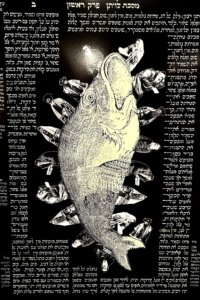
אָבער די קוראַטאָרן פֿון דער אויסשטעלונג האָבן געהאַט אַ פּראָבלעם: דער דורכשניטלעכער פּוילישער באַזוכער קען נישט לייענען די העברעיִשע אותיות. אַפֿילו די ייִדישע באַזוכער און די געסט פֿון אויסלאַנד זענען מסתּמא קנאַפּע קענערס פֿון ייִדיש־גריכיש און ייִדיש־פּערסיש, למשל. איז נישט קיין חידוש, וואָס מע האָט דאָ געלייגט דעם טראָפּ אויף די שיינע עקספּאָנאַטן און נישט אויף די שפּראַכן גופֿא. מע ווײַזט אַ סך אַלטע חפֿצים, ספֿרי־תּורות, כּתבֿ־ידן, קמיות, פּרעכטיקע אילומינאַציעס. אפֿילו קינדערלעך, וואָס קענען נישט קיין צורת־אות, קענען הנאה האָבן פֿון אַזאַ שיינקייט.
דער אינטערעסאַנטסטער טייל פֿון דער אויסשטעלונג איז, לויט מיר, ווען מע קען הערן עטלעכע פֿון די ייִדישע שפּראַכן. מע האָט הײַנט זעלטן אַ געלעגנהייט צו הערן ייִדיש־גריכיש אָדער ייִדיש־איטאַליעניש, אָדער אַפֿילו לאַדינאָ. ס׳איז טשיקאַווע צו הערן, ווי די שפּראַך קלינגט, און צו פּרובירן אַ ביסל צו פֿאַרשטיין. אַ סך פּוילישע סטודענטן פֿון ייִדיש וועלן דערקענען דאָס קול, וואָס רעדט דאָרט ייִדיש, ווײַל עס איז עטל ניבאָרסקי, וואָס איז עטלעכע מאָל געקומען קיין פּוילן, כּדי צו לערנען אין דער וואַרשעווער זומער־פּראָגראַם. נאָך בעסער וואָלט געווען, ווען מע ווײַזט אויפֿן עקראַן דעם טעקסט פֿון די ווערטער וואָס מע רעדט, ווײַל אַזוי וואָלט מען געקענט פֿאַרשטיין אַ ביסל בעסער.
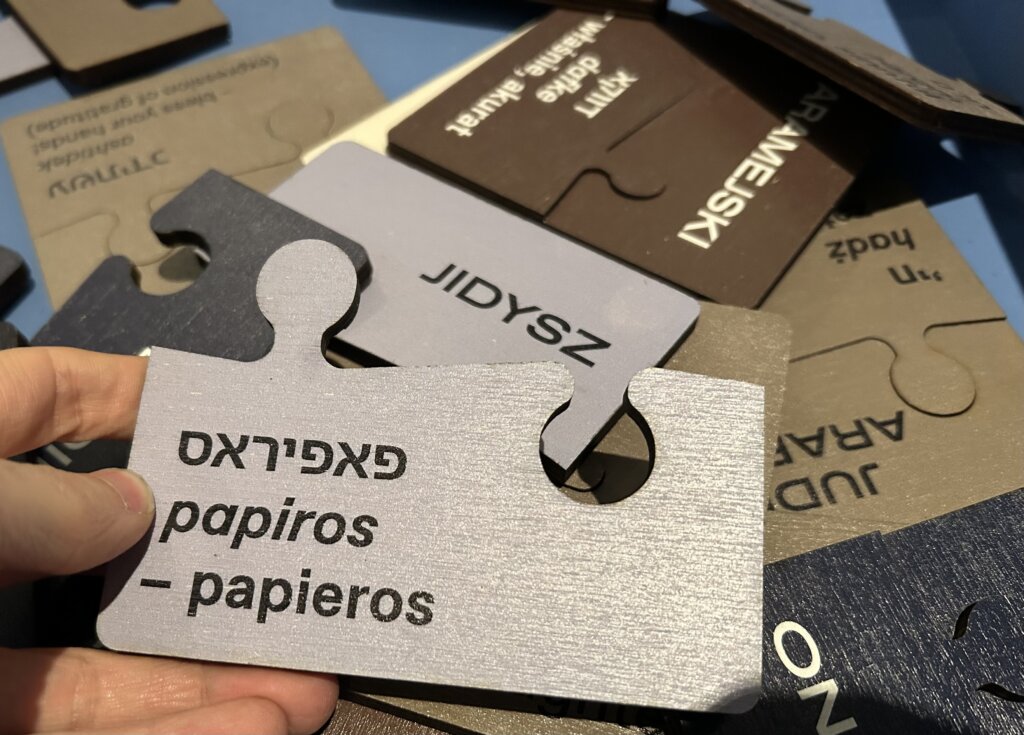
אויך זייער געראָטן זענען די שפּילערײַען אין דער אויסשטעלונג, וואָס זענען נישט בלויז פֿאַר קינדער. עס זענען דאָ שטיקלעך פֿון אַ רעטעניש (פּאָזל) מיט פֿאַרשידענע ווערטער, וואָס מע דאַרף זיי צונויפֿפּאָרן מיט אַנדערע שטיקלעך מיטן נאָמען פֿון דער שפּראַך. מע קען דאָרט אַנטדעקן, למשל, אַז דאָס וואָרט „פּופּיק“ קומט פֿון טשעכיש, און אַז דאָס וואָרט „דברארה“ (dabberare) מיינט „רעדן“ אויף ייִדיש־איטאַליעניש.
די אויסשטעלונג איז דער עיקר אַ קינסטלערישע און אַ היסטאָרישע, נישט קיין לינגוויסטישע. פֿון דעסט וועגן, פֿעלט דאָרט אַ ביסל דער הײַנטיקער מצבֿ. מיר ווייסן דאָך, אַז הײַנט רעדט מען נישט קיין ייִדיש־איטאַליעניש אָדער ייִדיש־גריכיש און אַ סך פֿון די אַנדערע אַמאָליקע ייִדישע שפּראַכן. אונדזער ייִדיש האָט דווקא גרויס מזל, וואָס די חסידים האָבן זיך אָנגעכאַפּט אין איר און רעדן זי מיט זייערע קינדער. אַנדערש וואָלט דער מצבֿ טאַקע געווען ביטער.
אָבער הײַנט רעדן ייִדן, דער עיקר, עבֿריתּ, אויב זיי וווינען אין מדינת־ישׂראל, אָדער ענגליש, אויב זיי וווינען אין די תּפֿוצות. עטלעכע הונדערט טויזנט רעדן פֿראַנצויזיש, רוסיש און שפּאַניש. דאָס הייסט, דווקא די שפּראַכן, וואָס ייִדן רעדן הײַנט פֿעלן אין דער אויסשטעלונג.
ס’איז אמת, אַז ייִדיש־ענגליש און ייִדיש־שפּאַניש, למשל, זענען באמת נישט קיין שפּראַכן פֿאַר זיך. מיט אַנדערע ווערטער, אַז מע וווינט אין אַ ייִדישער סבֿיבֿה, קען מען אַרײַנוואַרפֿן ווערטער און קאָנסטרוקציעס פֿון העברעיִש אָדער ייִדיש. די פֿאָרשערין פֿון ייִדישע שפּראַכן, שׂרה בענאָר, רופֿט דאָס אַ ייִדישער „רעפּערטואַר“, וואָס ייִדן קענען ניצן, ווען זיי ווילן.
אַז אַ ייִד זאָגט למשל: Good Shabbos! The seudah will be by me. See you in shul קען מען בולט זען די השפּעה פֿון ייִדיש דאָ און מע פֿאַרשטייט דעם באַגריף „ייִדישע שפּראַך“ נישט בלויז טעאָרעטיש, נאָר מע זעט באַשײַמפּערלעך, ווי אַזוי מע מישט אַרײַן די העברעיִשע און ייִדישע ווערטער. דער זעלבער פּרינציפּ איז געווען אין כּמעט אַלע ייִדישע שפּראַכן, אויך אין ייִדיש — בלויז אַ סך מער אַנטוויקלט. דערפֿאַר וואָלט ייִדיש־ענגליש געהאַט אַ גרויסע מעלה פֿאַר אַזאַ אויסשטעלונג, ווײַל די מערסטע באַזוכערס קענען דאָס פֿאַרשטיין.
די אויפֿלעבונג פֿון העברעיִש דורך די ציוניסטן פֿאַרדינט אויך מער פּלאַץ אין אַזאַ אויסשטעלונג. די געשיכטע דערציילט מען יאָ: מע זעט בן־יהודה מיט זײַן ווײַב, חמדה, מיט זײַן ווערטערבוך. פֿון דעסט וועגן, פֿאַרדינט די געשיכטע אַ ביסל מער חשיבֿות. די אויפֿלעבונג פֿון אַ טויטער שפּראַך — אָדער פֿון אַ שפּראַך וואָס מע רעדט שוין נישט — איז גאָר אַ זעלטענער אויפֿטו. דערווײַל האָט מען אויפֿגעלעבט אויך אַנדערע שפּראַכן, וואָס זענען געווען טויט אָדער אין אַ סכּנה פֿון אונטערגיין (למשל, האַוואַיִש און מאַאָרי) — אָבער קיין מאָל נישט מיט דער הצלחה ווי די ציוניסטן האָבן באַוויזן מיט העברעיִש. עבֿריתּ איז באמת אַ מין נס אין דער געשיכטע פֿון דער מענטשהייט, נישט נאָר פֿון די ייִדן. אַוודאי זענען פֿאַראַן גענוג ייִדן, וואָס האַלטן נישט פֿון עבֿריתּ, אַ מאָל צוליב לעגיטימע פּאָליטישע אָדער רעליגיעזע סיבות (אַ טייל חרדישע ייִדן, למשל.) אָבער אין אַן אויסשטעלונג וועגן ייִדישע שפּראַכן פֿאַרדינט זי אַ גרעסער אָרט.
The post An exhibit at Warsaw’s Polin Museum on the history of Jewish languages appeared first on The Forward.
Uncategorized
Mahmoud Khalil’s book reiterates his anti-Zionist stance
From the beginning, Palestinian activist Mahmoud Khalil denied claims that the protests at Columbia University after the Oct. 7, 2023 Hamas attacks on Israel were antisemitic.
In his book, No Land to Stand On, released Tuesday, he stands by that.
Khalil, who became the face of the anti-Israel campus movement after he was detained by Immigration and Customs Enforcement in 2025, reiterates his anti-Zionist stance in the book while detailing “a life of exile, refuge, and resistance.”
Recounting the endless interviews with journalists that made him the face of a campus movement, he writes that the question of whether the protests were antisemitic kept coming up.
“I explained, repeatedly, that the conflation of anti-Zionism with antisemitism was a strategy to stifle righteous criticism of Israel,” writes Khalil, who added that many Jewish students were involved in the protests. “Such weaponization of antisemitism was designed to place a state and its crimes beyond criticism by wrapping them in the protections owed to a faith and its people.”
The memoir weaves Khalil’s beliefs and frustrations through stories from his life, from where he was born in a Palestinian refugee camp in Syria and fled to Lebanon at age 18, to the protests at Columbia, his detention and finally his release. He uses the book as an opportunity to say his detention was unjust, and to critique the government’s case against him.
He notes a memo from U.S. Secretary of State Marco Rubio that states his detention was a result of “antisemitic protests and disruptive activities, which fosters a hostile environment for Jewish students in the United States,” adding those activities were “otherwise lawful.”
“Otherwise lawful,” writes Khalil. “They had written it themselves. My beliefs were lawful, and they wanted to deport me for them.”
Khalil argued that the administration was disingenuous in deporting him for alleged antisemitism, pointing to Trump’s personal visit with the openly antisemitic influencer Nick Fuentes. He also accused the administration of platforming “white supremacist rhetoric and symbolism.”
Further, Khalil claimed pro-Palestinian protesters were peaceful, while “it was the pro-Israel students and Zionist groups that had provoked confrontations, harassed Palestinian students, and in some cases physically attacked them.”
Despite his status as a lawful permanent resident married to a U.S. citizen, the federal government apprehended him on March 8, 2025. Khalil spent 104 days in ICE detention, famously missing the birth of his first child.
His imprisonment sparked a fierce debate over free speech, along with a debate over what his beliefs were to begin with. Khalil clarified his stances in an April interview with the Forward saying he acknowledged “a Jewish connection” to Israel, but that “rejecting the self-determination of the Jewish people on the Palestinian land in itself is not antisemitism.”
He reiterates in the book that he does not “endorse” Hamas, though he told the Forward he was unsure if Hamas targeted civilians on Oct. 7, something that has been widely documented and substantiated.
While he expressed disdain for the way the university handled the protests and its messaging after Oct. 7, Khalil said the university was failing its Palestinian students long before 2023. He pointed to the school’s Tel Aviv Global Center, which opened this past summer despite protest.
“Columbia wanted to open an institutional outpost, funded in part by our tuition, in a place that had a policy of refusing entry to people like me, and call it a center for global learning,” he wrote.
He also took aim at Columbia’s dual degree program with Tel Aviv University.
“The dual-degree stream was largely built around Jewish Israeli students who had served in the Israeli army,” writes Khalil. “I couldn’t stop thinking that if I were in Palestine, some of these students would be stopping me at checkpoints, raiding my university, piloting the drones surveilling my community, killing my neighbors.”
Returning home to New York from the ICE detention center in Louisiana, he wrote that he was met with praise — and harassment.
When people approached him asking if he was the Khalil they’d seen in the news, he was unsure: “Whether they wanted to shake my hand or spit in my face, say ‘Thank you for what you’re doing’ or follow me through Midtown yelling ‘Am Yisrael Chai.’”
He saw all of those reactions and more, he wrote.
The 208-page book is dedicated to Khalil’s wife, to the Columbia students who participated in the protests, to ICE detainees and “Palestine, until you are free.” He will launch a book tour on Tuesday at a shop just two blocks from Columbia’s campus.
The post Mahmoud Khalil’s book reiterates his anti-Zionist stance appeared first on The Forward.
Uncategorized
Sydney Sweeney went to shul. But did she choose the right occasion?

Jewish internet spaces are alight this week with reports that actress, model and political lightning rod Sydney Sweeney was spotted in the pews on Rosh Hashanah.
According to GreenwichTime and The Free Press, Sweeney — who is not Jewish — attended services at Temple Sholom in Greenwich, Connecticut, with her boyfriend, music mogul Scooter Braun (who grew up there). Gossip rag DeuxMoi has since claimed that Sweeney, who has been linked with Braun since at least June 2025, is also contemplating conversion.
One can speculate on whether the most in-demand actress on the planet might be leaning a bit too hard into her Marilyn Monroe character arc. At the Forward, though, we’re wondering whether Sweeney’s Jewish beau picked the right holiday to bring her to shul.
After all, there’s a wide range of experiences when it comes to prayer services, and you want to make a positive first impression. You’d want their day in shul to be accessible, fun and not too long. That’s a Sydney Sweeney movie, though, not Rosh Hashanah services. So without further ado, here’s the official undisputed rankings of Jewish calendar days on which to bring your non-Jewish partner to shul.
Going from least to most desirable:
Erev Tisha B’av
I would have to respect the audacity of someone bringing their partner to synagogue for the first time on Tisha B’av, the day Jewish people grieve the destruction of the Holy Temple in Jerusalem. It’s an intentionally unpleasant time to be in shul — you’re sitting on the floor, reading Lamentations. Also, you’re not supposed to greet people at all, which would almost certainly be awkward for a first-timer, considering how uncomfortable it is for regulars. On the flip side, if you’re Sydney Sweeney, that rule means no one can bother you for a selfie, either.
Shemini Atzeret
We pray for rain, which is an ancient word that means sustenance, but at this point everyone’s running on fumes for the High Holiday season, so you probably won’t get your senior rabbi delivering the sermon. Some years (including this one), your synagogue might be reading Ecclesiastes, which is both melancholy and long. Hard sell.
Passover
Passover isn’t known for its prayer services — the main event is, of course, the seder. If you’re taking a non-Jewish partner to services for the first time on Passover, it usually means one of two things: 1) You don’t want anyone to meet this person, because nobody goes to shul on Passover or 2) You didn’t have enough fun at the seder, because if you did, you’d be sleeping in with the rest of us.
One Passover plus: On the Shabbat that falls during the holiday, services also include the reading of the Song of Songs, the most risqué text in the Jewish canon.
Shavuot
In the height of summer, we read the story of Ruth — Judaism’s great conversion story. (Hint hint.) We also celebrate the receiving of the Ten Commandments, which your partner may already be familiar with from the movies, if not public school.
Shavuot morning is also a good service to go to because — at least in synagogues that observe two days of the holiday — the first day’s early services are led at a breakneck pace so that people who stayed up all night studying Torah the night before can go straight to sleep. No sermon! You’ll be out of there faster than you can say Na’aseh V’nishmah.
Simchat Torah

Like Sukkot, but swap out the lulav and etrog for Torah scrolls, which don’t smell as good or shake as well. Many synagogues (over-)serve alcohol on this holiday, which is a double-edged sword for a day you’d prefer everyone to be on their best behavior.
Yom Kippur
I’m gonna call this one underrated. There are surprisingly some things going for the Jewish day of repentance. The themes of atonement and forgiveness have universal appeal, and Jewish people do them well. You’ll probably get one of the rabbi’s strongest sermons of the calendar cycle. There’s a strange ecstasy that comes from being trapped in a room with hundreds of fasting people; the story of Jonah and the whale is one of our highlights. (This is also the only holiday I can attest to: My parents had their first date — ever! — on Yom Kippur services, and they’re still together.)
At the same time, Yom Kippur tends to have the longest prayer services of the year. It’s a fast day, so there’s no free food at the end of afternoon services (though you might get bagels at the break-fast). You usually have to pay to get in, plus there’s often a fundraising appeal woven into the service. And due to the prohibition on wearing leather shoes, you’d also be surrounding your partner with people wearing Crocs with dress clothes, which may scare them away from Judaism even if you try to explain it.
Sukkot
People like to call this our most pagan holiday, but marching around in circles with a giant asparagus and lemon is objectively fun, and the Four Species can represent basically anything you want. Let’s just hope your partner isn’t a willow.
Rosh Hashanah
Scooter Braun isn’t the first person to drag their partner to shul on Rosh Hashanah, and for good reason. Everyone wears their finest clothing, the shul will be beautifully decorated and the prayers are musically extravagant. The rabbi’s sermon will emphasize renewal and the commitment to doing better. There’s a decent chance apples dipped in honey will be served in the lobby. And above all else, the shofar blowing — done right — is arguably the highlight of the year in shul.
Plus, everyone’s there, so you can introduce your partner to everyone they need to know in one fell swoop. The only downside is you usually have to buy a ticket. (And on behalf of synagogue offices everywhere, if you’re the Jewish partner in the relationship, don’t try to arrange this over email 24 hours before the holiday.)
Purim
This is one thing Nobody Wants This got right: Purim is the ideal holiday for introducing a non-Jewish partner to the community. What better way to show up than in costume? You learn a foundational story of Jewish survival, a tradition that transforms our vulnerability into comedy. It’s also a family-oriented holiday — kids in face-paint, everyone with their graggers — which makes it a perfect picture-this set piece.
But the best thing about Purim? Thanks to the tradition of drinking ‘til you drop — if the relationship doesn’t work out, no one will remember a year later.
The post Sydney Sweeney went to shul. But did she choose the right occasion? appeared first on The Forward.
Uncategorized
How Toronto Jews spread the Gospel of ‘Godspell’
To wander into a screening of You Had to Be There, Nick Davis’ documentary about the famed 1972 Toronto production of Godspell, is to have a Jewish come-to-Jesus moment.
The first thing you hear, after the voice of a 22-year-old Martin Short, testing a microphone in a furtive recording taken at the Royal Alexander Theatre, is a shofar sounding a tinny tekiah. It’s maybe not what you’d expect from a musical built around the Gospel of Matthew. But the film, which features interviews with original 1972 cast members Eugene Levy and Victor Garber, composer Stephen Schwartz and the production’s musical director Paul Shaffer, makes a strong case for Jewishness being the secret sauce that made the show take off.
Davis, who grew up in a secular Jewish home, began this project as a Godspell skeptic, trying to understand how so many subversive comedic talents broke out in a “hippie-dippy musical about Jesus.”
“I could imagine SCTV ripping Godspell apart with the Godspell that I knew,” Davis said in a video call from Chicago, where he was in town for a screening at the Music Box Theater. “Almost from the very beginning, they were like, ‘You don’t understand what Godspell was.’”
The show was picketed by Christians who took exception to the apostles, and Jesus himself, depicted as clowns clad in overalls. The key to the success of the Toronto Godspell, one of a number of regional productions that sprang up in the 1970s, was its invitation to performers to improvise within a sacred text.
“My feeling now is they were attracted to this material because this material encouraged them to be their biggest, best, most brilliant comic selves,” said Davis.
In the case of Hamilton, Ontario-native Eugene Levy or Gilda Radner, who came over from Detroit to audition, this meant introducing a Jewish sensibility to a work that was rooted in the writings of a First Century Jew. Whether they knew it or not, the cast was soon following a Jewish schedule of worship.
Perhaps more legendary than the show, composed by an early career Schwartz, later to write Wicked, with a book by his Carnegie Mellon classmate John-Michael Tebelak, were the after-parties, dubbed “Friday Night Services” and held at the shared home of Short and Levy.
It was here, with some chemical assistance — that the cast and their friends, among them John Candy, developed bits and worked on characters. (Thankfully, they had the presence of mind to record these confabs, which can be heard in the film and are animated in a style a la The Brady Kids.)
It wasn’t quite Bible study, but in his interviews, Eugene Levy briefly reflects on the significance of his turn as Jesus, following Victor Garber and Don Scardino, who later became a prolific comedy director for shows like 30 Rock and Crazy Ex-Girlfriend.
“I think I was the first Jewish-looking Jesus that any of the productions had,” Levy says in the documentary. “They went more Ronald McDonald with that look but I definitely was sporting my ethnicity and a little hair.”
Levy refused to manscape for the role of Jesus, who traditionally makes his entrance in just his boxers, and so he had to wear an undershirt. At one point the actor considers if, in the moment after Jesus is “crucified” on a chainlink fence, and lifted by the company in a sort of resurrection, he was doing something sacrilegious.
In the end, he concludes, it just felt like good theater.
The call of Godspell remains strong, Davis said. Not every member of the company — some of whom are related by marriage — still sees each other in person, but they’re all on an email chain. Davis embarked on the film thinking it would be a study on “the fickleness of fame,” with the cast of 10 about evenly divided between household names and ones who didn’t quite hit, but from the first interview he found people asking when he’d arrange a reunion.
The moment finally arrived in 2025, which, due to the exigencies of scheduling, happened to be the first night of Passover. There was a cake, but you can see Paul Shaffer electing to snack on matzo. (When cast member Valda Aviks asks him if he shouldn’t be at a Seder, he simply says “eh.”)
“I did bring a Seder plate that we had, a little fun thing for them to play with if they wanted,” said Davis. “All they wanted to do was sing by the piano.”
Davis considers Godspell, the Jesus musical written by a “nice Jewish boy from Long Island,” an example of the way Jews succeed through assimilation and entertainment. While he came in thinking the show was cornball, he now understands how it paved the way for the barrier-breaking comedy its alumni would produce
“There’s something Jewish fundamentally at the core of it,” Davis said. Like the Jewish teacher at its center, it is “radical.”
The post How Toronto Jews spread the Gospel of ‘Godspell’ appeared first on The Forward.
