


Uncategorized
Vancouver Island First Nation Now Owns More BC Casinos Than Any Other Indigenous Group in Canada

The Snuneymuxw First Nation, based near Nanaimo, just became Canada’s biggest Indigenous casino owner. Over the past 12 months, the nation bought five British Columbia casinos from Great Canadian Entertainment, and the deals are changing who controls gaming revenue in the province.
Snuneymuxw runs its business operations through Petroglyph Development Group. PDG closed its first two deals in January 2025, paying $8.34 million for Casino Nanaimo and $45 million for Elements Casino Victoria. Then came agreements for River Rock Casino Resort in Richmond, Chances Maple Ridge, and Great Canadian Casino Vancouver in Coquitlam. When regulators sign off, PDG will own some of the highest-earning gaming venues in Western Canada.
The numbers tell us everything – River Rock brought in $252 million in gambling revenue during the 2024-25 fiscal year, according to BC Lottery Corporation data. Slot machines accounted for $162 million of that, with table games adding another $90 million. The property has 70,000 square feet of gaming space, 1,100 slot machines, 75 tables, almost 400 hotel rooms, and a 1,000-seat theatre. So, nothing else in BC comes close. Great Canadian Casino Vancouver, announced in December, brings 917 more slots and 37 table games into the fold, along with a Gordon Ramsay Burger location and a 1,050-seat venue.
Even though land-based casinos are changing ownership, online gambling in Canada is moving faster than any other sector. Online platforms keep bringing more players, and crypto casinos Canada have picked up real momentum among bettors who seek faster payouts and less paperwork. So, unlike Interac e-Transfer or credit cards, crypto deposits hit accounts almost immediately. Many of these platforms also skip the verification process, which appeals to Canadians who want a straightforward, private way to gamble online.
Snuneymuxw is not the only First Nation buying up casinos right now. The Tsleil-Waututh Nation has a deal in place for Hastings Racecourse Casino in Vancouver, and the Ts’elxwéyeqw Tribe agreed to buy Elements Casino Chilliwack. Between them, Indigenous groups are taking over most of Great Canadian’s BC properties.
But why is Great Canadian offloading so much? Well, Apollo Global Management, a New York private equity firm, bought the company in 2021 for $3.3 billion in cash. That deal left Great Canadian carrying a huge debt, and investors want returns. S&P Global reports that the company plans to put between $650 million and $675 million from these sales toward paying it down. Great Canadian has not disclosed exact sale prices for most properties, but provincial land records show the assessed value of River Rock’s real estate alone sits at $162.3 million. Once every transaction closes, Great Canadian will have just two BC casinos left: Elements Casino Surrey and Chances Dawson Creek. A year and a half ago, it had nine.
The timing works against sellers, though. BC Lottery Corporation said casino revenues missed forecasts in 2024-25, with total revenue falling $88 million from the year before. Inflation and squeezed budgets have cut into discretionary spending across the board.
For Snuneymuxw, though, this is about more than profit margins. Chief Mike Wyse has called the acquisitions a step toward economic self-determination. The nation has around 2,000 members, and casino earnings will fund housing, healthcare, and community programs. PDG has expanded from three companies to 13 over the last decade, and gaming now sits at the center of that growth.
The Musqueam First Nation owns the land under River Rock and has agreed in principle to partner with Snuneymuxw on that acquisition. Chief Wayne Sparrow described it as nations working together instead of against each other. The River Rock lease extends to December 2041, giving both communities a long runway to build on the arrangement.
But this trend reaches beyond BC – Indigenous Gaming Partners, a coalition of Nova Scotia First Nations, bought four Alberta casinos from Pure Canadian Gaming roughly a year ago. Across the country, First Nations are treating gaming assets as engines for economic independence.
Erralyn Joseph, president of Petroglyph Development Group, summed it up in a December statement. Decades of work brought transformative growth, she said, and the nation is grabbing opportunities to build a stronger future.
Uncategorized
An Israeli poet was scheduled to do a reading in New York. Then her publisher called.
It was supposed to be a party to celebrate the revival of a nonprofit poetry press and to welcome a beloved Israeli poet back to an America quite different from the one she visited decades ago.
But politics in that new America intervened, canceling the party.
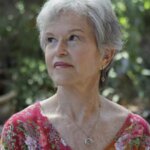
Hamutal Bar-Yosef, a contemporary icon of Israeli poetry, had planned to be in New York City this week to read from the new English translation of her collection The Miraculous Mistake.
Bar-Yosef’s book is one of three volumes coming out this fall by Sheep Meadow Press, an American nonprofit that had been dormant since its founder, renowned Jewish poet Stanley Moss, died in 2024.
The scheduled reading was also part of a new chapter for Poets House, a national poetry library and meeting place in Manhattan, which, after a four-year hiatus sparked by the pandemic, reopened in 2024 and began offering rental space.
But as conversations about the upcoming event unfolded, Greg Miller, the new head of Sheep Meadow, grew concerned. Bar-Yosef, who is 86, had just received one of Israel’s most prestigious literary awards, the Bialik Prize for a lifetime of achievement in poetry. But not everyone at Poets House seemed enthusiastic about welcoming her, he told the Forward.
Given her elevated profile and the anti-Israeli climate now pervading the literary world, Miller called off the event. He said select staff from the Poets House offered to help him find a new venue in the spring.
“As a result of this conversation and others it was important for someone who is representative of Israel right now to have security,” Miller said. “And so I made the decision we were going to postpone and find a more appropriate venue, the right spot for her that will give her the audience she deserves.”

Poets House did not respond to the Forward’s inquiries. Bar-Yosef declined to be interviewed for this story.
Sheep Meadow and Poets House have a long history, going back 40 years since Sheep Meadow founder Moss also helped found Poets House as a place that “exists to create a welcoming home for poets, poetry readers and for those who are exploring poetry.”
Moss, whose Almost Complete Poems won the National Jewish Book Award for Poetry in 2016, founded Sheep Meadow Press in 1977 as a nonprofit press with a particular focus on international poets in translation.
Thursday’s event was going to feature a reading of poems from Soon, Moss’s final collection of poems completed in his 99th year. Miller also planned to share the stage with Bar-Yosef to read from his own new collection Green Runs Through It.
Moss and Bar-Yosef appeared together for a reading at the 92nd Street Y when Sheep Meadow published an English translation of Night, Morning, one of her nine poetry collections.
But much has changed for Israeli and Jewish authors since then and especially since the Israel-Hamas War began on Oct. 7, 2023. According to a PEN America report published in July, editors have increasingly ignored submissions, rejected them outright or asked agents not to submit Israeli authors in the future.
Miller said it comes down to what the word Zionism means for audience members. Bar-Yosef believes in a homeland for the Jewish people and the state of Israel, Miller said. For years, she has helped transport Palestinian children from the West Bank to hospitals inside Israel. She has Palestinian family members. A prolific prose writer, literary scholar and translator, at least three of her poetry books have been translated into Arabic. She also has published in journals that include Arabic and Hebrew writers.
But because others have imposed their own meaning on the Z-word, finding a safe and welcoming space in the U.S. for an Israeli to read poetry free of indictment has become a challenge.
“I don’t want to be the shillelagh of the left or the right,” Miller said. “I don’t want Hamutal to be that either.”
Bar-Yosef’s latest collection of verse, originally published in Hebrew in 2020, explores grief through the various losses in her life including the death of her older brother in the War of Independence, the suicide of one of her sons, the murder of family members in the Shoah and choices that have become clear long after the fact and too late to right the wrongs.
“It is poetry that addresses harsh realities directly, eschewing pathos and sentimentality, and refusing to hide behind musicality or fluidity—qualities that can otherwise veil the blemishes and scars of reality,” one reviewer wrote in Haaretz when the original Hebrew edition was released in 2020.
A description of the collection by its distributor, Wesleyan University Press, describes it as “a glimpse of holy solidarity, of a time, perhaps some 500 years in the future, where there will be no need for steel doors and bomb shelters” – a reference to the poem Five Hundred Years, which opens with: “It’s hard to believe, but five hundred years ago people like us had slaves.”
It ends with: “That is how they will talk about wars and terrorist attacks as a way of settling disputes or salvaging pride after five hundred more years, perhaps even less.”
The post An Israeli poet was scheduled to do a reading in New York. Then her publisher called. appeared first on The Forward.
Uncategorized
The power of Sukkot to unite the Jewish people
אין דער גמרא שטייט אַז יעדער ייִד קען — טעאָרעטיש — נוצן די זעלבע סוכּה. דאָס שטרײַכט אונטער דעם פֿאַקט, אַז מיר זענען אַלע גלײַך, און אַלעמען באַגריסט מען גלײַך אין דער סוכּה.
אין דער אמתן, ווען מען וואָלט געבויט אַ גענוג לאַנגע און ברייטע סוכּה, וואָלט דאָס גאַנצע ייִדישע פֿאָלק — אָן אויסנאַם — געקענט אַרײַנגיין אין איר און עסן אין דער זעלבער צײַט.
דער דאָזיקער באַגריף פֿון אַחדות דריקט זיך אויך אויס אין אַ באַזונדערער מצווה פֿון סוכּות: די אַרבעה מינים. די תּורה באַפֿעלט אונדז, אַז דעם ערשטן טאָג סוכּות זאָלן מיר נעמען אַן אתרוג, אַ לולבֿ (אַ צווײַג פֿון אַ טייטל־פּאַלמע), דרײַ הדסים (מירטן־צווײַגן), און צוויי ערבֿות (הושענות), כּדי זיך צו פֿרייען פֿאַרן אויבערשטן.
וואָס שטעלן מיט זיך פֿאָר די אַרבעה מינים? דער אתרוג האָט סײַ אַ גוטן גערוך סײַ אַ גוטן טעם; דער לולבֿ האָט אַ טעם — טייטלען — אָבער קיין גערוך נישט; דער הדס האָט אַ גוטן גערוך אָבער קיין טעם נישט; און די ערבֿה (הושענא) האָט ניט קיין טעם און ניט קיין גערוך.
דער גערוך שטעלט פֿאָר מעשׂים טובֿים, גוטע מעשׂים, וואָס — אַזוי ווי אַ גערוך — האָבן אַן השפּעה אויפֿן אַרום; בשעת דער טעם שטעלט פֿאָר לימוד התּורה, וואָס דערנערט די נשמה אַזוי ווי פֿיזישע שפּײַז דערנערט דעם גוף.
יעדער איינער פֿון די אַרבעה מינים שטעלט פֿאָר אַן אַנדער סאָרט ייִד: עס זענען דאָ ייִדן וואָס צייכענען זיך אויס מיט זייער חכמת התּורה, אַנדערע מיט זייערע גוטע מעשׂים, אַנדערע מיט ביידע, און אַנדערע מיט קיינעם פֿון די צוויי. דער געדאַנק איז, אַז מיר זענען אַלע אָפּהענגיק איינער פֿונעם צווייטן, און יעדער איינער דערגאַנצט דעם אַנדערן. נאָר ווען מען האָט אַלע פֿיר צוזאַמען קען מען מאַכן די ברכה און מקיים זײַן די מצווה.
בכלל ווערט פֿאַרשטאַנען, אַז די לערנונג פֿון דער דאָזיקער מצווה איז, אַז דער וואָס געפֿינט זיך אין דער העכערער רוחניותדיקער מדרגה פֿונעם „אתרוג“, אויסגעצייכנט סײַ מיט חכמה סײַ מיט גוטע מעשׂים, דאַרף זיך — אַלטרויִסטיש — אָפּגעבן מיט דעם וואָס געפֿינט זיך אין דער קאַטעגאָריע פֿון „ערבֿה“, אָן קיין באַזונדערער רוחניותדיקער מעלה.
לויטן זעקסטן ליובאַוויטשער רבין, רבי יוסף יצחק שניאורסאהן זצ״ל, איז פֿאַראַן אָבער נאָך אַן אַנדער דינאַמיק: דער וואָס געפֿינט זיך אין דער מדרגה פֿון „אתרוג“ קען און דאַרף אויך לערנען עפּעס ווערטפֿולס פֿון דעם וואָס געפֿינט זיך אין דער קאַטעגאָריע פֿון „ערבֿה“.
דער וואָס געפֿינט זיך אינעם מצבֿ פֿון „ערבֿה“, אָן קיין באַזונדערער רוחניותדיקער מעלה, און פֿונדעסטוועגן פֿילט ער זיך „זייער ייִדישלעך“, דריקט אויס אַ טיפֿן, אומברעכלעכן ייִדישן צושטאַנד, ניט געקוקט אויף דעם וואָס עס פֿעלט אים אין ייִדישן בילדונג און וויסן. דער וואָס האָט אַ סך געלערנט קען דורך זײַן פּערזענלעכער אַנטוויקלונג אַ סך פֿאַרשטיין און אַ סך פֿילן; פונדעסטוועגן איז אים אָפֿט שווער צו דערגרייכן און אויסדריקן דעם עסענץ פֿון זײַן נשמה. צו דער דאָזיקער בחינה פֿון זײַן אייגענעם מהות קען ער צוקומען דווקא דורך לערנען פֿונעם ייִד פֿון דעם „ערבֿה“־טיפּ, וואָס פֿילט זיך ייִדיש נישט צוליב זײַן ייִדישער בילדונג, נאָר טראָץ דעם וואָס עס פֿעלט אים. זײַן ייִדיש געפֿיל שטאַמט פֿון זײַן עצם הנשמה, דעם „פּינטעלע ייִד“ וואָס איז אינגאַנצן אומאָפּהענגיק פֿון קיין שום סיבה.
דער ליובאַוויטשער רבי זי״ע ווײַזט אָן, אַז די אַרבעה מינים שטעלן פֿאָר די אַחדות פֿונעם ייִדישן פֿאָלק, ניט נאָר ווײַל זיי רעפּרעזענטירן דעם צוזאַמען־פֿאַרבונד פֿון פֿיר פֿאַרשידענע קאַטעגאָריעס, נאָר אויך ווײַל יעדער מין פֿאַר זיך שטעלט פֿאָר אַחדות אין זײַן אייגענער קאַטעגאָריע.
דער אתרוג וואַקסט און ווערט דערנערט במשך פֿון אַלע פֿיר סעזאָנען פֿונעם יאָר. די בלעטער פֿונעם הדס וואַקסן אַזוי, אַז לענגאויס דעם שטאַם קומען אַרויס גרופּעס פֿון דרײַ בלעטער פֿון דער זעלבער הייך. בײַם לולבֿ דאַרפֿן די בלעטער ווערן פֿאַרמאַכט און צונויפֿגענומען און ניט צעשפּרייט איינער פֿונעם צווייטן — אַחוץ דעם וואָס יעדער בלעטל איז צונויפֿגעלייגט פֿון צוויי העלפֿטן — און די ערבֿות וואַקסן צוזאַמען אין אַ סאָרט אַחדות.
דאָס שטעלט פֿאָר נאָך אַן אַספּעקט פֿון אַחדות, ווײַל אַ מאָל איז גרינגער זיך צו פֿאַראייניקן מיט איינעם וואָס איז אַנדערש פֿון מיר, ווי מיט איינעם וואָס איז ענלעך צו מיר און קען אויסזען ווי אַ קאָנקורענט.
אַזוי אַז אויף סוכּות דריקן מיר אויס דרײַ מדרגות פֿון אַחדות אינעם ייִדישן פֿאָלק: איין מדרגה וואָס שטאַמט פֿון דעם געמיינזאמען עסענץ, וואָס איז העכער פֿון פֿאַרשידנאַרטיקייטן;איין מדרגה וואָס דריקט זיך אויס דווקא דורך די פֿאַרשידנאַרטיקייטן; און נאָך אַ מדרגה — די אַחדות צווישן די וואָס זענען ענלעך איינער צום צווייטן.
אין דער אמתן, קומט איינס אַרויס פֿון צווייטן. אויב אַ מענטשנס אַמביציע איז עגאָצענטריש, איז זייער שווער זיך צו פֿאַראייניקן מיט אַנדערע. אויב אָבער זײַן אַמביציע איז אויסצופֿירן דעם ג־טלעכן ציל, וועט ער אָפּשאַצן און שעצן די הצלחה פֿון יעדן וואָס שטעלט זיך צו אויסצופֿירן דעם בשותּפֿותדיקן שליחות.
עס איז די אַחדות וואָס דריקט זיך אויס אין די מצוות פון סוכּות וואָס דערמעגלעכט די אמתע שׂימחה פון „ושמחת בחגך“.
די שוואַכע, צאַרטע סטרוקטור פֿון דער סוכּה האָט איבערגעלעבט טויזנטער יאָרן פֿון געשיכטע און רדיפֿות — אין די גולאָגן און אין די קאָנצענטראַציע־לאַגערן. הײַנט־צו־טאָג קען מען אין אַ סך קהילות איבער דער וועלט זען ווי ליובאַוויטשער ישיבֿה־בחורים פֿאָרן איבער די גאַסן פֿון שטאָט מיט אַ מאָבילער סוכּה, כּדי צו פֿאַרבעטן ייִדישע דורכגייער מקיים צו זײַן די מצוות פֿון עסן אין דער סוכּה און צו מאַכן די ברכה אויף די אַרבעה מינים.
אז איר וועט זיך אָנטרעפֿן אין איינעם פֿון זיי, ביטע גיט זיי איבער א גרוס!
The post The power of Sukkot to unite the Jewish people appeared first on The Forward.
Uncategorized
The Jewish soul and Hasidic inspirations of Annie Dillard
The Pulitzer Prize-winning writer Annie Dillard, who died Sept, 15 at age 81, drew on Jewish inspiration past and present for her meditative books on humans and the deity, including the nature-imbued narrative Pilgrim at Tinker Creek.
Raised a Presbyterian, in young adulthood Dillard discovered Martin Buber’s Tales of the Hasidim, in which she found a kindred spirit among Hasidic rabbis who, according to legend, would turn somersaults and do cartwheels and flips in the synagogue before ritual acts such as reciting Kiddush, the blessing uttered to sanctify Shabbat and Jewish holidays; lighting Hanukkah candles; and weddings. As Dillard put it at Michigan’s Calvin College Festival of Faith & Writing in 1996, her introduction to Hasidism was through Buber’s books and she “really, really, really liked them.”
Herself exultant by temperament, fond of energetic dancing and sports, Dillard saw no contradiction between exuberance and serious consideration of moral and ethical questions. Indeed, she followed the Hasidic spiritual concept of Bitul ha-yesh (ego effacement) to become receptive to the divine by reading from a range of sources to find inspiration for her own books.
These included Rabbi Abraham Joshua Heschel, whom she described to an interviewer in 1992 as “the great religious thinker” of the 20th century, and Simone Weil, the French philosopher. The latter two, “especially Heschel,” added Dillard, “have everything I need.”
What she needed as a writer was to fulfill her self-definition as a “Christian Hasid,” as she informed a reporter in the year 2000. The English literature maven Lori Kanitz has observed tyhat Dillard drew on Hasidic notions to better mull over nature and creation. Dillard agreed with the concept that humans assist God in redemption by making everyday physical objects and moments into something sacred or consecrated.
She favored the argument by the 16th century rabbi Isaac Luria that divine sparks trapped in the material world might be liberated through intense spiritual awareness. Especially in books such as 1999’s For the Time Being, she blended Yiddishkeit with heterodox Christian philosophers such as the Jesuit scientist Pierre Teilhard de Chardin to address questions about faith, suffering and individual existence.
The result was an emotionally fraught style, rich with biblical allusions. Pilgrim at Tinker Creek likens a combative domestic feline’s ensanguined paws to the “mark of Cain” and “blood sign of the Passover.” In this exalted, highly artful prose with Judaism as part of its vocabulary, the Quran is mentioned in the distressing context of animals devouring one another in nature, followed by the French Catholic thinker Blaise Pascal’s implication that after creation, God more or less abandoned humanity. Yet this existential doubt is calmed by two further citations from Albert Einstein to remind the reader that “subtle is the Lord, but malicious He is not” and “Nature hides her secret because of her essential loftiness, but not by means of ruse.” Bringing in Einstein, another example for Dillard alongside Abraham Joshua Heschel of the quasi-omniscient good grey Jew, shows her acute admiration for Jewish wisdom.
Characteristically, Dillard published in a 1998-99 issue of a University of Notre Dame publication for Catholic readers an essay insistent in its Yiddishkeit. The text begins by reminding readers of the execution of Rabbi Akiva by the Romans in the aftermath of the Bar Kokhba revolt. Unsparing of gory details, this account is followed by quotes from the Nobel-Prize-winning Holocaust poet Nelly Sachs, Gershom Scholem, Rabbi Nachman of Breslov, Rabbi Yehudah Aryeh Leib Alter, Rabbi Pinhas of Koretz, Rabbi Menachem Nochum Twersky, and a rare modern too, Rabbi Lawrence Kushner.
Blending nature with Jewish elements, Dillard recounts a trip to Lavi, a kibbutz in northern Israel near Tiberias, where she witnesses birds mating in mid-air. Juxtaposed with maxims by Christians, her narrative has an anthological aura, akin to that of Aldous Huxley’s The Perennial Philosophy (1945) which by contrast contains almost no direct passages from Jewish mystics.
Overall, Dillard kept in mind, as she suggested to one critic in 1999, that her goal was to persuade “the agnostic intellectual” that all spirituality need not be discarded by a discerning reader. That said, in some of Dillard’s books, the transitions between different traditions, from Sufism to Inuit beliefs, could appear contradictory.
But then as friends observed, Dillard herself could seem to be a walking contradiction; she was obsessed with nature, but also a lifelong chainsmoker. And although according to Lori Kanitz and others, her works were redolent of such venerable Jewish ideas as tsimtsum (divine contraction) and shevirat ha-kelim (shattering of the vessels), she likewise surrounded herself with a self-created Jewish mishpocheh of literati.
Dillard achieved the latter feat by energetically supporting modern American Jewish writing, lauding authors with more sheer enthusiasm than they may have been accustomed to receiving from fellow Jews. Drawn to high spirits and celebrants among living Jews, she was a fan of Louis D. Rubin’s Small Craft Advisory about shepping nachas from boats; she termed Rubin’s book a “moving account by a happy man.”
Part of appreciating happy Jews for Dillard was relishing Jewish humor with a highly developed sense of the absurd. She provided a blurb for a book by Jewish chef Peter Kaminsky about how to prepare decidedly un-kosher pork products, noting: “I love ham and I love this book.” She similarly kvelled at the inherent absurdity of describing how in 1982, the American Jewish Beat poet Allen Ginsberg was assigned the task of guiding a tour group in Disneyland composed of visiting Chinese communist authors. And she valued that a hybrid factual/fictional work by journalist Jake Silverstein was both “warm and funny.”
Dillard also persistently lavished serious praise on Jewish contemporaries such as the American visual artist and novelist Rosalyn Drexler for being “committed to a lifetime struggle for excellence.” Dillard deemed Fortune’s Daughter (1985) by Alice Hoffman “one of the best” American novels of the previous decade and in 2010 welcomed a debut story collection from Hester Kaplan as evidence of a “remarkable new writer.”
Unsurprisingly, Jewish writer friends of Dillard expressed gratitude for her enthusiasm for their efforts. The biographer Phyllis Rose’s Parallel Lives: Five Victorian Marriages includes an acknowledgement to Dillard for “precious gifts of time, friendship, intelligence, and candor.” Jewish readers can likewise be grateful to Dillard for her characterful investment of time, friendship, intelligence, and candor in conveying elements of Yiddishkeit in serendipitous contexts.
The post The Jewish soul and Hasidic inspirations of Annie Dillard appeared first on The Forward.
