



World Views
Diplomatic Push in Doha: Analysts Warn Gulf Talks Risk Becoming an Iranian Extortion Play
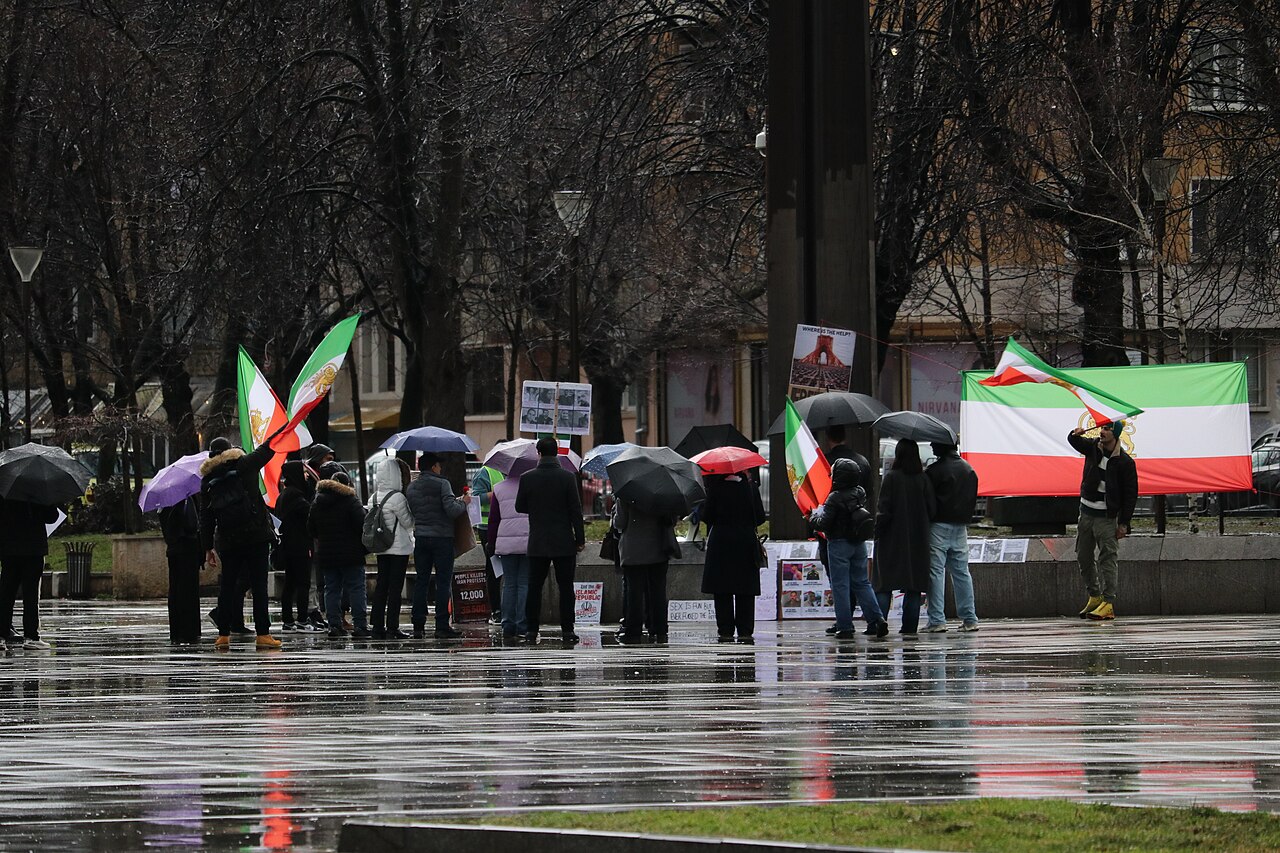
Diplomatic efforts currently underway in Doha, involving mediators from Qatar and Pakistan, are facing intense scrutiny from analysts who argue the negotiations are not focused on regional stability, but rather on a sophisticated strategy of economic and political coercion by Iran. While talks aim to de-escalate tensions in the vital Strait of Hormuz, critics contend the current framework allows Tehran to leverage maritime disruption for significant concessions, effectively trading temporary calm for durable economic relief.
The Proposed ‘Trap’ and Iran’s Demands
The situation presents a concerning asymmetry. Iran, which has repeatedly disrupted commercial shipping and driven up global energy prices, is reportedly demanding a comprehensive package of relief simply to restore the previous status quo. This package, detailed in Tehran’s seven-step proposal, includes the removal of the US naval blockade on Iranian ports, the restoration of oil export permissions, a reduction in American regional military presence, and the release of billions in frozen funds. Crucially, Iranian officials are insisting that nuclear discussions will not restart until these economic demands are fully met.
Furthermore, Iranian representatives have proposed a radical change to international navigation rules, demanding that commercial vessels adhere to a specific corridor negotiated between Tehran and Muscat. This move, observers suggest, risks replacing international maritime law with permanent Iranian control over a critical global shipping artery.
Complicating Factors and Strategic Risks
The neutrality of the mediating parties is also questioned. Qatar’s economic dependence on shared gas reserves with Iran is cited as a factor that may compel Doha to accommodate Tehran. Meanwhile, the involvement of Saudi Arabia, which supported the mediation to protect its economic vision, reportedly did not mandate strong nuclear verification or maritime enforcement mechanisms in its public statements. Experts caution that the sequence of events is fatally flawed: granting sanctions relief for a temporary maritime truce allows Iran to maintain its coastal missile batteries and naval assets, ready to threaten shipping again if talks falter.
The Unverified Nuclear Threat
Adding profound gravity to the situation is the ongoing issue of Iran’s nuclear program. Despite international concerns, the International Atomic Energy Agency (IAEA) has noted that a significant amount of highly enriched uranium remains unaccounted for. Officials have highlighted that remote monitoring cannot substitute for physical inspections. Analysts warn that providing economic lifelines to Tehran while its nuclear stockpile remains unverified constitutes a severe strategic risk. This diplomatic gamble, critics argue, risks purchasing temporary stability at the expense of allowing an unmonitored nuclear threshold state to gain economic strength.
For Washington, the pressure to ease economic strain on the population is immense. Therefore, experts advise that any easing of the naval restrictions must be strictly reciprocal, phased, and tied directly to unimpeded global navigation under international law, ensuring that economic benefits are locked behind a binding nuclear framework.
World Views
Open-Source Analysis Links Gaza Strike Victim to Militant Group Activities
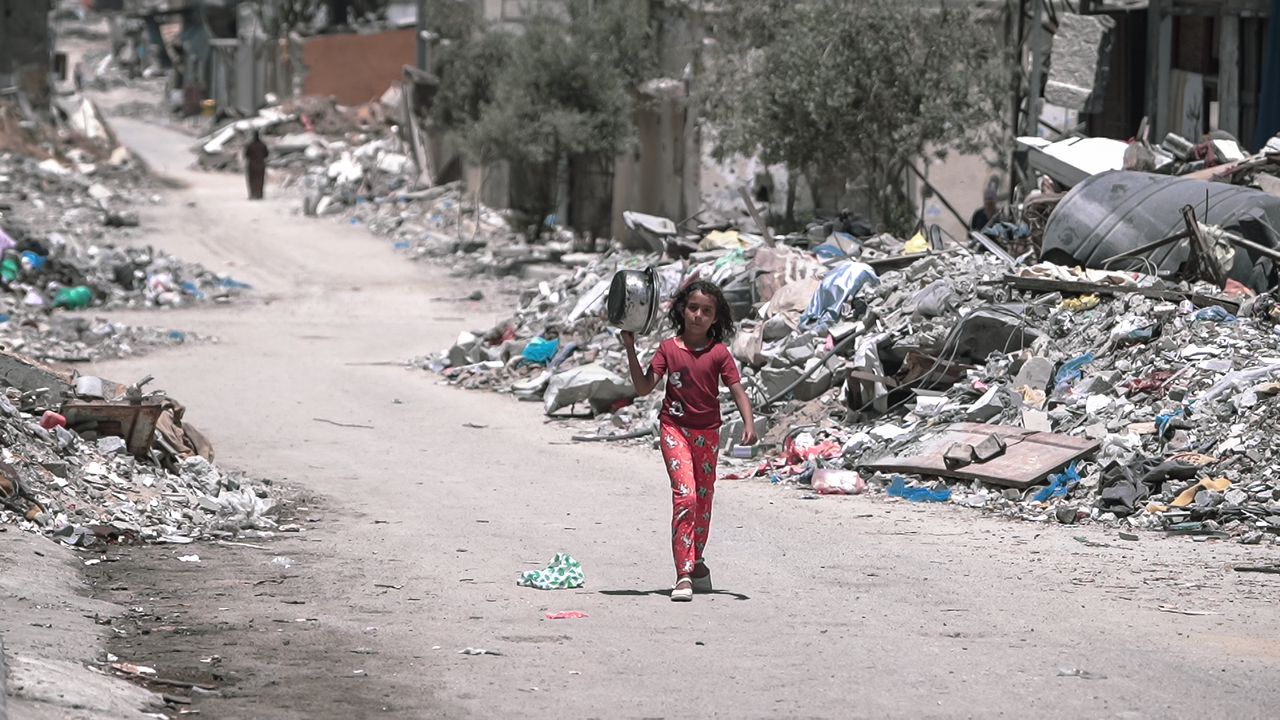
New evidence derived from open-source intelligence suggests a significant link between one of the men killed in a recent Israeli drone strike in Gaza City and the militant organization Palestinian Islamic Jihad (PIJ). The strike, which occurred on November 21, initially saw Palestinian media report that the casualties were humanitarian workers delivering food. However, analysis conducted by HonestReporting, utilizing facial recognition technology, indicates that Ahmed Badran Sawafiri, one of the deceased individuals, was demonstrably involved in activities associated with the armed group between 2014 and 2017.
The Evidence Trail
The investigation centered on comparing an image released by the Israel Defense Forces (IDF) with photographs published by Palestinian media outlets. The facial recognition tools used returned extremely high similarity scores, ranging between 98.9 and 99.9 percent, strongly suggesting the individual in question is Sawafiri. The reviewed images are not casual snapshots; they document Sawafiri participating in various political and military rallies held by PIJ in Gaza City. These appearances date back to January 2014, when the group protested a peace framework, and included rallies in 2015 and 2017.
Conflicting Narratives and Official Claims
The situation remains highly complex due to conflicting accounts regarding the victims’ identities and roles. While initial reports indicated the truck involved in the incident carried food and bore the World Central Kitchen (WCK) logo, the charity itself later clarified that the vehicle was not affiliated with its operations, and that only one driver had previously worked for the organization. Furthermore, various political factions offered differing statements. Hamas, the Ministry of Social Development, and Palestinian media claimed the men were charity kitchen staff. Meanwhile, Fatah released a statement mourning one of the victims, identifying him as a member of their movement.
A Pattern of Involvement
The photographic documentation provides a pattern of engagement with PIJ. In one instance from 2015, Sawafiri was seen holding a banner at a rally organized by senior PIJ officials. Another picture from 2017 shows him among several men holding placards signed by the group. While the researchers stressed that the images do not definitively confirm membership or substantiate the IDF’s assertion that he held a command position, the consistency of the visual evidence strongly suggests his association with the extremist organization.
The findings underscore the difficulty in verifying civilian status during conflict and highlight the ongoing divergence between humanitarian claims and military intelligence. As the situation develops, observers are awaiting official confirmation from the IDF to determine the full scope of Sawafiri’s involvement and the implications of the strike.
World Views
From Temple Revolt to Modern Holiday: Why Maccabean History Is Absent from the Hebrew Bible

Hanukkah, the eight-night celebration commemorating the rededication of the Jerusalem Temple, has become one of the most visible cultural expressions of Judaism in the modern world. Recent initiatives, including annual stamp releases by Canada Post, highlight the holiday’s widespread appeal, particularly in Western nations. This visibility is partly due to its seasonal timing near Christmas and its focus on family gathering. However, despite its public prominence, the holiday holds a relatively minor status within Jewish tradition when compared to festivals like Passover or Rosh Hashanah. This disparity leads to a profound historical and theological question: why are the detailed accounts of the Maccabean revolt, found in the books of Maccabees I and II, excluded from the Tanakh, the core Hebrew scripture?
The Canonical Conundrum of the Maccabean Texts
The holiday itself celebrates a pivotal moment in 164 BCE when a revolt against the ruling Seleucid Empire, led by the Maccabees, secured the Temple’s purification. Jewish tradition attributes the holiday’s spirit to a miraculous oil supply that miraculously lasted for eight days. The reason these historical narratives are not included in the Jewish canon has been debated by scholars. Possibilities include the texts being compiled later than other accepted scriptures, or perhaps that they were not originally written in Hebrew. Some analyses suggest that the rabbis may have purposefully omitted works that focused heavily on political or historical events, viewing them as lacking divine inspiration, even if they were contemporaneous with other accepted texts.
The Rise and Fall of Hasmonean Sovereignty
The history surrounding this period is rich and complex. The Hasmonean Kingdom of Judea emerged from a region that was still nominally under Seleucid rule, eventually achieving full independence around 141 BCE under the leadership of Simon Thassi. The dynasty experienced a period of peace and prosperity, often regarded as a golden age, notably during the reign of Queen Salome Alexandra. Yet, this independence was ultimately fragile. Internal conflicts, stemming from succession disputes between the queen’s sons, led to civil unrest. This instability provided the opportunity for Roman intervention, culminating in 63 BCE when the Roman general Pompey entered the region, effectively turning Judea into a Roman client state until the mid-20th century.
A Message of Resilience Versus Internal Division
While the popular interpretation of Hanukkah emphasizes a message of resilience and the power of a small flame against overwhelming darkness, the historical perspective suggests a deeper, more enduring threat. One observer noted that the core message of religious freedom, while powerful, was perhaps a development that occurred later in the historical timeline. This viewpoint stresses that the greatest danger to Jewish survival—both within Israel and across the global Diaspora—is not external oppression, but rather the persistent threat of internal disunity and factionalism, a peril that has echoed since the turbulent Hasmonean era two millennia ago.
World Views
Israel Faces Scrutiny Over Citizenship Threats Following Controversial War Documentary
The premiere of the documentary ‘NAZA,’ a film detailing military operations and civilian casualties, has sparked intense controversy in Israel, leading to unprecedented political pressure regarding the rights of critics. The film, directed by Yuval Abraham and Rachel Szor, was showcased at the Venice Film Festival, where it garnered significant attention and won a Special Jury Prize. The documentary is based on anonymous accounts provided by Israeli intelligence operatives and soldiers, and its title is derived from a military acronym referring to expected collateral damage.
Political Backlash and Legal Threats
Almost immediately following the film’s debut, high-ranking government officials began advocating for severe punitive action against the creators. Culture Minister Miki Zohar requested that the Interior Ministry explore the possibility of revoking the directors’ citizenship, citing ‘treason.’ Furthermore, Prime Minister Benjamin Netanyahu announced intentions to introduce legislation designed to strip citizenship from individuals who criticize Israeli military personnel overseas. The Israel Defense Forces (IDF) has strongly refuted the film’s claims, issuing a detailed response that disputes the documentary’s presentation of target authorization, casualty estimates, and the involvement of artificial intelligence.
Constitutional Concerns Over Expulsion
Legal analysts point out that the proposed measures raise serious constitutional questions about the state’s power to expel its own citizens. The existing Citizenship Law permits the revocation of citizenship for ‘breach of loyalty,’ but this statute specifies narrow grounds, such as acts of terrorism or aggravated espionage. Critics emphasize that the act of producing a film, even one deemed damaging by the government, does not fall within the defined statutory offenses. Precedent also exists where the Supreme Court has refused to deny citizenship to individuals with serious criminal records, suggesting that mere public dissent does not automatically warrant expulsion.
A Call for Public Rebuttal Over Repression
Instead of resorting to measures that could be viewed as political retaliation, experts argue that the government possesses a better mechanism for addressing criticism. The state, they contend, must publicly and transparently engage with the claims made in ‘NAZA.’ This involves allowing military officials to speak on the record, providing detailed evidence, and addressing the film’s specific allegations head-on. A confident government, according to observers, should not silence its detractors but rather refute their claims through open debate. The existence of counter-narratives, such as a second documentary offering testimony from IDF commanders, further underscores the need for a robust, public exchange of evidence rather than administrative removal.
