



World Views
Israel Faces Scrutiny Over Citizenship Threats Following Controversial War Documentary
The premiere of the documentary ‘NAZA,’ a film detailing military operations and civilian casualties, has sparked intense controversy in Israel, leading to unprecedented political pressure regarding the rights of critics. The film, directed by Yuval Abraham and Rachel Szor, was showcased at the Venice Film Festival, where it garnered significant attention and won a Special Jury Prize. The documentary is based on anonymous accounts provided by Israeli intelligence operatives and soldiers, and its title is derived from a military acronym referring to expected collateral damage.
Political Backlash and Legal Threats
Almost immediately following the film’s debut, high-ranking government officials began advocating for severe punitive action against the creators. Culture Minister Miki Zohar requested that the Interior Ministry explore the possibility of revoking the directors’ citizenship, citing ‘treason.’ Furthermore, Prime Minister Benjamin Netanyahu announced intentions to introduce legislation designed to strip citizenship from individuals who criticize Israeli military personnel overseas. The Israel Defense Forces (IDF) has strongly refuted the film’s claims, issuing a detailed response that disputes the documentary’s presentation of target authorization, casualty estimates, and the involvement of artificial intelligence.
Constitutional Concerns Over Expulsion
Legal analysts point out that the proposed measures raise serious constitutional questions about the state’s power to expel its own citizens. The existing Citizenship Law permits the revocation of citizenship for ‘breach of loyalty,’ but this statute specifies narrow grounds, such as acts of terrorism or aggravated espionage. Critics emphasize that the act of producing a film, even one deemed damaging by the government, does not fall within the defined statutory offenses. Precedent also exists where the Supreme Court has refused to deny citizenship to individuals with serious criminal records, suggesting that mere public dissent does not automatically warrant expulsion.
A Call for Public Rebuttal Over Repression
Instead of resorting to measures that could be viewed as political retaliation, experts argue that the government possesses a better mechanism for addressing criticism. The state, they contend, must publicly and transparently engage with the claims made in ‘NAZA.’ This involves allowing military officials to speak on the record, providing detailed evidence, and addressing the film’s specific allegations head-on. A confident government, according to observers, should not silence its detractors but rather refute their claims through open debate. The existence of counter-narratives, such as a second documentary offering testimony from IDF commanders, further underscores the need for a robust, public exchange of evidence rather than administrative removal.
World Views
From Temple Revolt to Modern Holiday: Why Maccabean History Is Absent from the Hebrew Bible

Hanukkah, the eight-night celebration commemorating the rededication of the Jerusalem Temple, has become one of the most visible cultural expressions of Judaism in the modern world. Recent initiatives, including annual stamp releases by Canada Post, highlight the holiday’s widespread appeal, particularly in Western nations. This visibility is partly due to its seasonal timing near Christmas and its focus on family gathering. However, despite its public prominence, the holiday holds a relatively minor status within Jewish tradition when compared to festivals like Passover or Rosh Hashanah. This disparity leads to a profound historical and theological question: why are the detailed accounts of the Maccabean revolt, found in the books of Maccabees I and II, excluded from the Tanakh, the core Hebrew scripture?
The Canonical Conundrum of the Maccabean Texts
The holiday itself celebrates a pivotal moment in 164 BCE when a revolt against the ruling Seleucid Empire, led by the Maccabees, secured the Temple’s purification. Jewish tradition attributes the holiday’s spirit to a miraculous oil supply that miraculously lasted for eight days. The reason these historical narratives are not included in the Jewish canon has been debated by scholars. Possibilities include the texts being compiled later than other accepted scriptures, or perhaps that they were not originally written in Hebrew. Some analyses suggest that the rabbis may have purposefully omitted works that focused heavily on political or historical events, viewing them as lacking divine inspiration, even if they were contemporaneous with other accepted texts.
The Rise and Fall of Hasmonean Sovereignty
The history surrounding this period is rich and complex. The Hasmonean Kingdom of Judea emerged from a region that was still nominally under Seleucid rule, eventually achieving full independence around 141 BCE under the leadership of Simon Thassi. The dynasty experienced a period of peace and prosperity, often regarded as a golden age, notably during the reign of Queen Salome Alexandra. Yet, this independence was ultimately fragile. Internal conflicts, stemming from succession disputes between the queen’s sons, led to civil unrest. This instability provided the opportunity for Roman intervention, culminating in 63 BCE when the Roman general Pompey entered the region, effectively turning Judea into a Roman client state until the mid-20th century.
A Message of Resilience Versus Internal Division
While the popular interpretation of Hanukkah emphasizes a message of resilience and the power of a small flame against overwhelming darkness, the historical perspective suggests a deeper, more enduring threat. One observer noted that the core message of religious freedom, while powerful, was perhaps a development that occurred later in the historical timeline. This viewpoint stresses that the greatest danger to Jewish survival—both within Israel and across the global Diaspora—is not external oppression, but rather the persistent threat of internal disunity and factionalism, a peril that has echoed since the turbulent Hasmonean era two millennia ago.
World Views
Hidden Roots: Unearthing the Deep Jewish Influence on America’s Thanksgiving Tradition
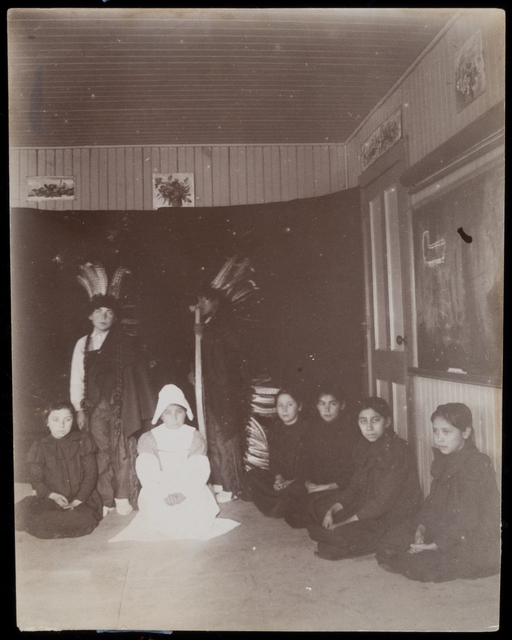
A closer examination of America’s foundational holidays reveals a profound and frequently overlooked connection to ancient Jewish religious practices. Far from being a purely European Protestant tradition, the origins of Thanksgiving are deeply interwoven with concepts of gratitude and deliverance rooted in the biblical tradition. Historical records indicate that the initial celebration in 1621, orchestrated by William Bradford, the leader of the Mayflower voyage, drew heavily upon the Jewish understanding of divine provision and harvest blessings.
The Mayflower and the Exodus Narrative
Bradford, who governed the Plymouth Colony, formalized the November celebration by citing biblical scripture, specifically Psalm 107. This Psalm forms the basis of the Jewish concept of thanksgiving—acknowledging divine aid for sustenance, existence, and freedom from hardship. Bradford’s appreciation for these texts was cultivated during his time in Leiden, Holland, a region known for its religious tolerance, where he engaged extensively with local Jewish communities. This early exposure shaped his worldview, leading the passengers of the Mayflower to view their transatlantic journey not merely as a migration, but as a modern re-enactment of the Biblical Exodus.
They perceived their perilous voyage across the Atlantic as mirroring the departure from ‘Egypt,’ the crossing of the sea, and the arrival in a new promised land. Furthermore, Bradford was inspired by Jewish harvest festivals, such as Sukkot and Shavuot, which emphasize communal gratitude for the bounty and the legacy of Moses. His commitment to this heritage was so strong that his tombstone features an epitaph engraved in Hebrew, signifying his dedication to making the original language of the Scriptures accessible.
Continuity of the Tradition
This deep-seated influence extended well beyond the early colonial period. Decades later, during the War of 1812, a Thanksgiving sermon delivered by Reverend Israel Evans, a chaplain associated with George Washington, reflected this enduring tradition. This sermon referenced the concept of the ‘chosen people’ and the guidance of the Hebrew tribes, demonstrating how the themes of divine protection and election continued to shape American religious discourse.
The historical evidence suggests that the initial American narrative of Thanksgiving is far richer and more complex than commonly understood. The integration of these ancient Jewish concepts—from the Exodus parallel to the emphasis on harvest gratitude—highlights a powerful, yet often neglected, thread in the fabric of the nation’s founding story. Recognizing this heritage provides a more comprehensive view of how religious traditions shaped the earliest American settlements.
World Views
US Military Aid to Israel Faces Bureaucratic Hurdles Despite Presidential Pledge
A significant question mark hangs over the future of US military support for Israel, following a high-profile promise made by Donald Trump during the recent midterm elections. While the former President pledged to halt approximately $4 billion in annual financial assistance by the end of the year, US Ambassador to Israel Mike Huckabee has publicly stated that an immediate cessation of aid is unlikely. Huckabee clarified that the existing Memorandum of Understanding (MoU), which guarantees $3.8 billion annually until 2028 for the purchase of American defense equipment, is not easily terminated without legislative action.
The Legislative Roadblock
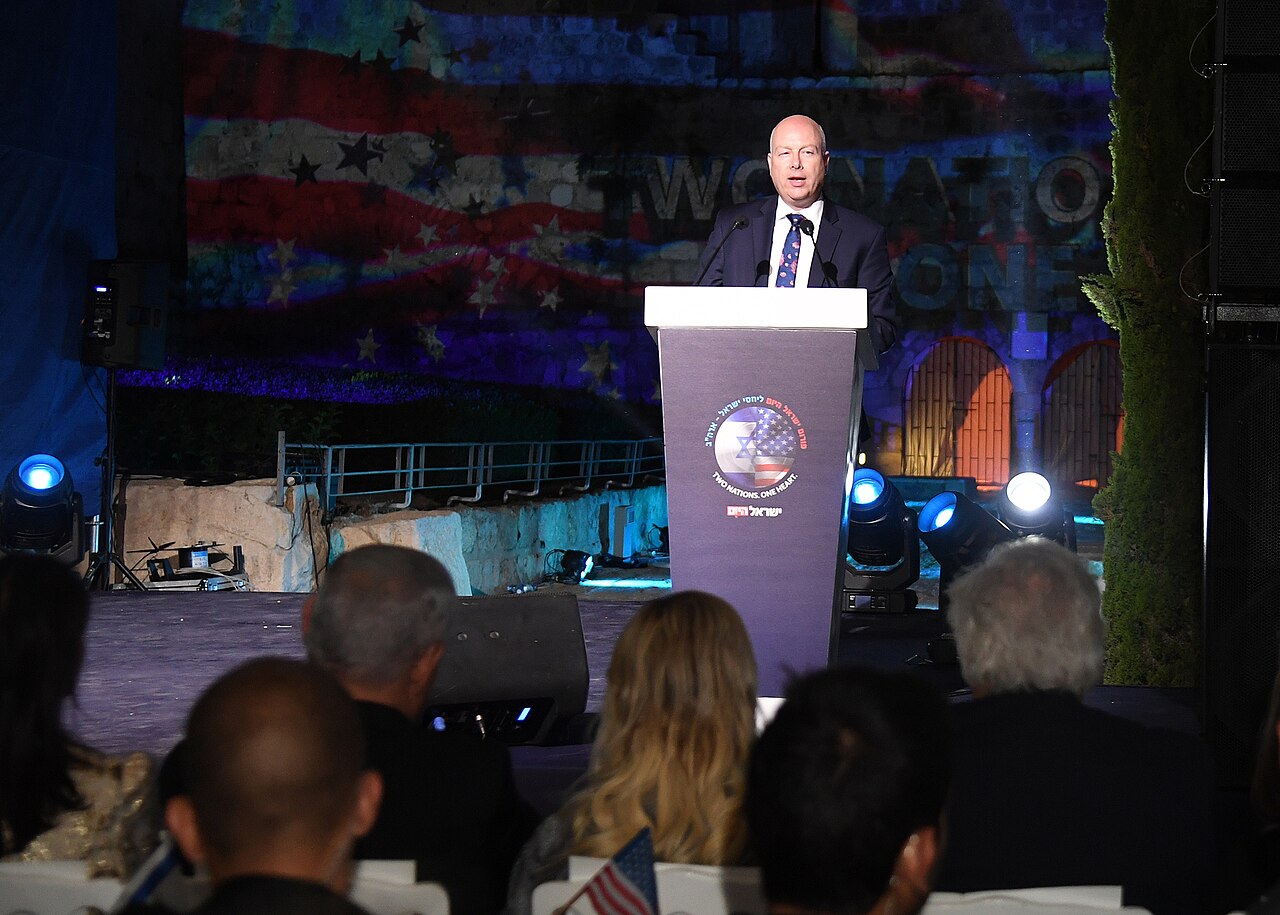
Speaking at a conference in Tel Aviv, Huckabee indicated that the current funding arrangements, which were established by Congress, require authorization to be stopped. He suggested that an abrupt halt to the aid package before the scheduled expiration date would necessitate a specific Congressional vote. This uncertainty arrives amidst a shifting political landscape, as the Democratic Party secured control of both chambers of Congress, a result that has caused apprehension within Israel, where Prime Minister Benjamin Netanyahu is currently serving as a caretaker leader.
Strategic Concerns and Regional Tensions
The debate over military assistance is intertwined with broader regional security concerns. Huckabee acknowledged that Israeli officials recognized mounting criticism in the United States regarding aid, a point Trump himself had framed as a politically damaging talking point for his Republican critics. However, the ambassador also provided commentary on the ongoing security threats. He emphasized that the United States benefits immensely from its strategic partnership with Israel, noting that intelligence gathered through this collaboration directly contributes to saving American lives. Furthermore, he stressed the importance of maintaining a strong bilateral relationship, arguing that it is ‘not a one-way street.’
Gaza and Iran: A Dual Focus
Beyond the aid debate, Huckabee also addressed the complexities of the Gaza conflict and the threat posed by Iran. Regarding the war, he sharply criticized Hamas, asserting that the group has failed to honor its commitments to disarm. This stance contrasted with other Republican figures who were advocating for an immediate ceasefire. On the issue of Iran, the ambassador reiterated the US position that allowing Tehran to acquire nuclear capabilities or control the Strait of Hormuz is unacceptable. He made it clear that if diplomatic efforts fail, the former President has demonstrated a willingness to employ military force to protect US interests.
The discussions around a new, modified MoU, which Huckabee noted had been under development for months, remain uncertain following the political announcement. The situation highlights a growing tension between high-level political promises and the complex realities of governmental and legislative processes.
