


Uncategorized
With the last hostage released, is American Jewish unity over?
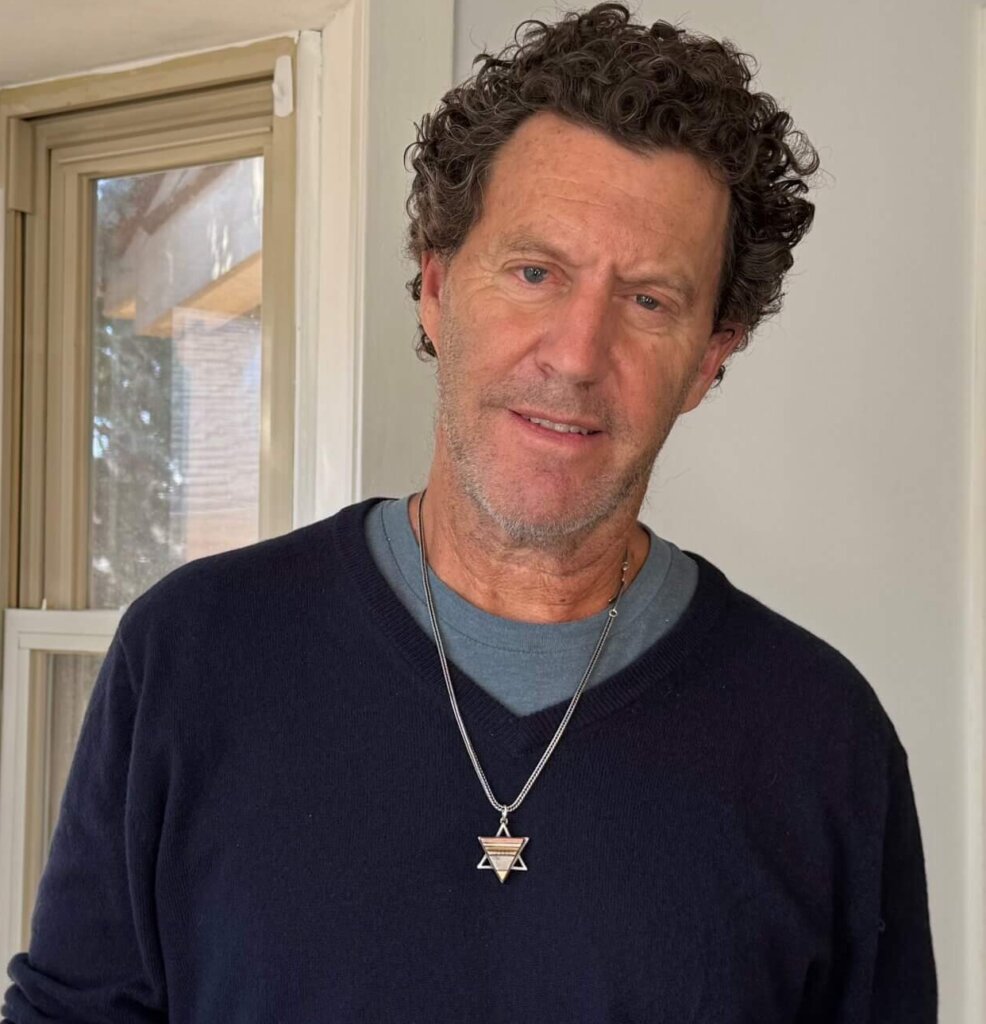
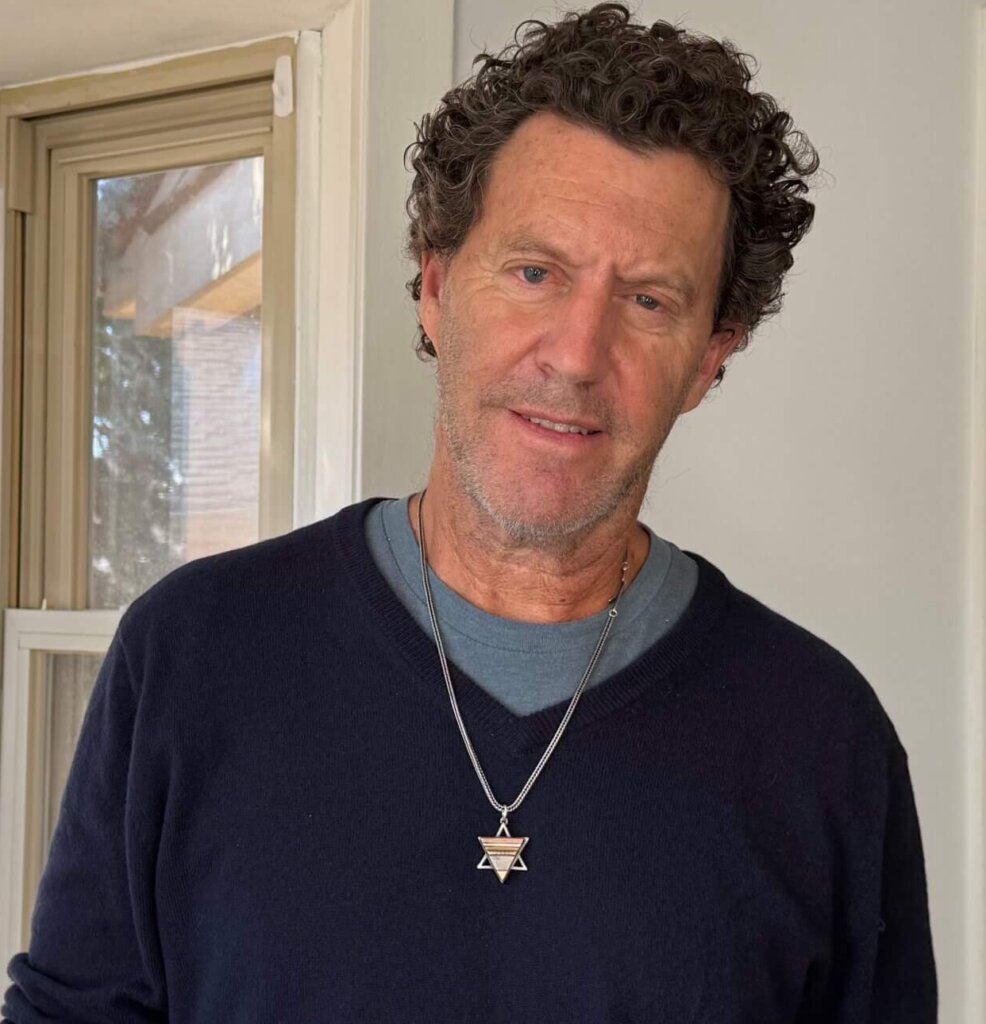
When the remains of the last Israeli hostage in Gaza returned to Israel this week, Scott Spindel, a lawyer in Encino, Calif., finally took off the thick steel dog tag he had put on after the Hamas attack of Oct. 7, 2023.
His friend Lauren Krieger, an orthopedic surgeon, did the same. And he pulled down the last of the names of the hostages remaining in Gaza that his wife, Jenn Roth Krieger, had placed in the window of their Santa Monica home.
During the nearly 28 months that Israeli hostages remained in captivity in Gaza, Krieger, 61, and Spindel, 55, consistently argued over Israel’s war in the strip.
“Lauren would say that we probably were a little too extreme,” Spindel, whose daughter serves in the IDF, told me in a telephone interview. “I don’t think we blew up enough buildings.”
But those differences paled beside their mutual concern over the fate of the hostages.
“Unfortunately,” said Spindel, “it took tragedy to pull us together.”
So it was across the American Jewish landscape. Then, the body of Staff Sergeant Ran Gvili, the 24-year-old Israeli police officer killed on Oct. 7 and taken by Hamas terrorists back into the enclave, was returned to Israel — the last of the hostages to come home.
Jews from across the political spectrum unpinned yellow ribbon buttons from their lapels, removed the hostage posters from their synagogues, and folded up and put away the blue-and-white flags displayed as a symbol of the missing Israelis.
The marches and vigils American Jews held on behalf of the hostages — small but meaningful echoes of the mass rallies that roiled Israel — came to a quiet halt.
Jewish unity is forged in adversity. Without it, we are apt to find enemies among ourselves. And as painful as the hostage saga was, it unified an otherwise fractious American Jewish community in a time of crisis.
Without that common concern, are even deeper rifts our future?
“As committed and connected as we were,” said Spindel, “it doesn’t change the fact that we also were still divided about solutions.”
A family in distress
Across the United States, synagogues of all religious and political bents regularly joined in the same Acheinu prayer for the release and return of the hostages.
“Our family, the whole house of Israel, who are in distress,” the prayer begins — a wholly accurate summation of the totality of Jewish concern.
Surveys showed that the hostages unified American Jews even when Israel’s Gaza campaign divided them. An October 2025 Washington Post poll found that a plurality of American Jews disapproved of Israel’s military actions in Gaza — but a whopping 79% said they were “very concerned” about the hostages.
There have been other moments in recent Jewish history when calamity created unity. The 1995 assassination of Prime Minister Yitzhak Rabin, for instance, brought together the vast majority of American Jews in mourning, even those who opposed his policies.
And, of course the brutal Oct. 7 attack, which claimed almost 1,200 lives, created a near-universal sense of shock and sorrow.
But the hostage crisis may have had an even deeper emotional — and perhaps political — impact.
“Even for people who were not affiliated Jewishly, those hostages struck a deep, deep chord,” Krieger told me. “It felt personal. I don’t think we’ve had that level of collective trauma in our lifetimes in that same way.”
And a family divided
The hostage crisis bonded American Jews to one another, and to their Israeli counterparts, at a time when enormous political rifts were opening within their communities.
In the U.S., as in Israel, there were sharp disagreements over Prime Minister Benjamin Netanyahu’s conduct of the war and whether he was even prioritizing the hostages’ safety.
And the encampments and protests against the war at college campuses — in which many Jewish students participated, and to which many others objected — created even deeper divisions over support for the Jewish state.
But if the hostage issue didn’t erase such differences, it muted them. Krieger and Spindel could frustrate each other in conversations about the conduct of the war, or American support for it. But in the end, they were both in that 79% that the Washington Post poll identified.
What will hold them — and the rest of us — together, now?
The hostage crisis provided something history unfortunately bestows upon Jews with regularity: an external enemy that transcended ideological differences. With it gone, American Jews return to what they’ve always been — a community bound by tradition, and riven by politics.
Krieger and Spindel have already resumed their arguments. But even though the dog tags are gone, they’re both still wearing Jewish stars on silver chains around their necks. When someone admires Krieger’s, he takes it off and gives it to them. He buys his metal stars in bulk on Amazon, and has given away dozens since Oct. 7.
“I want people to feel like I do,” he said, “like we’re a peoplehood worth cherishing.”
Worth cherishing — even though we can’t agree on much else.
The post With the last hostage released, is American Jewish unity over? appeared first on The Forward.
Uncategorized
How Netflix’s ‘East of Eden’ handled its ‘Timshel’ problem for Hebrew speakers
The crux of John Steinbeck’s East of Eden, now a splashy Netflix miniseries, is a Hebrew word that doesn’t exist.
At one point in Steinbeck’s 600-page tome, as rife with biblical allegory as the Salinas Valley is with natural beauty, the character Lee offers a midrash on Genesis 4, and the moment God rejects Cain’s offering.
Speaking with Samuel Hamilton, the neighbor of the Trask family at the center of the generational drama, Lee said he was bothered by a passage where God says, in the King James Bible, “If thou doest well, shalt thou not be accepted? And if thou doest not well, sin lieth at the door. And unto thee shall be his desire, and thou shalt rule over him.”
Lee says he compared translations and finally returned to the source: Hebrew, by way of some learned Chinese elders who consulted a rabbi.
In the Hebrew, they found the word “timshel,” which they translate as “thou mayest. Thou mayest rule over sin.” (The word, the last one of Steinbeck’s book, is the title of the final episode of the Netflix series.)
“The American Standard translation orders men to triumph over sin, and you can call sin ignorance,” Lee tells Samuel, scholar to scholar. “The King James translation makes a promise in ‘Thou shalt,’ meaning that men will surely triumph over sin. But the Hebrew word, the word timshel — ‘Thou mayest’ — that gives a choice. It might be the most important word in the world. That says the way is open. That throws it right back on a man. For if ‘Thou mayest’ — it is also true that ‘Thou mayest not.’”
This interpretation, in a book about how sin may be transmitted from one set of Cain and Abel-like brothers to the next, is the core of Steinbeck’s philosophy. So central is it that he carved the word onto a wooden box containing the manuscript.
But as I am hardly the first to note, “timshel” is a corruption of “timshol,” תמשל, and it doesn’t mean “thou mayest.” It means something like “you will rule” — future tense, second person, a more complete thought.
That said, the sages did debate whether the word was truly determinative or implied a sense of choice. (Ramban and Rashi are among the ones to suggest free will factored into the equation.)
While quoting the whole phrase in English, Steinbeck evidently thought the word “timshol” only indicated how one might rule, and did not encompass the piece about the ruling. As our language columnist Aviya Kushner has written, Steinbeck’s explanation “reveals an ignorance of the basic fact that Hebrew is more concise than English.”
Steinbeck was writing for an English-speaking audience. Zoe Kazan released her miniseries on Netflix and to a global audience that includes around 9 to 10 million Hebrew speakers. How did they adapt the passage for the Hebrew subtitles?
In the show, the scene plays out much the same way. Lee (Hon Lee) and Samuel (Ciarán Hinds) are at the kitchen table of the Trask homestead in the valley.
The King James has God tell Cain “thou shalt” rule over sin. It sounds, as Lee says, like “a promise.” The American Standard Bible translates it as “do thou.” “More of an order” from the Almighty, says Samuel.
Lee said Jewish scholars in San Francisco found the original in “timshel,” which, as in the book, is translated as “thou mayest.”
In the Hebrew subtitles, the word is correctly rendered as timshol, תמשול. Netflix translated his reading as “thou mayest” as, literally, “a choice is in your hand,” which, while not actually what the word means in Hebrew, suggests it’s something a bit more layered than “thou mayest.”
(Netflix did not respond to a request for comment about how the Hebrew translations were decided on.)
Perhaps the spirit of it — if not the letter — is what matters. And indeed, the rejection of evil as an inborn element of human nature has more in common with Jewish tradition than the Episcopalian concept of original sin and agency linked to God that Steinbeck grew up with.
Lee reasons that “timshel,” a Steinbeckian invention, may be the most important word there is.
“It offers a choice,” he says. “Our future isn’t determined by God or by our past. Even Cain in his weakness and his filth at the murder of his brother can still choose his course. Because timshel. Thou mayest.”
It’s a worthwhile message that of course resonates. But, of course, thou mayest also consult Hebrew speakers.
Mira Fox contributed research and translation.
The post How Netflix’s ‘East of Eden’ handled its ‘Timshel’ problem for Hebrew speakers appeared first on The Forward.
Uncategorized
Even Adam and Eve weren’t satisfied
האָסטו אַמאָל געטראַכט: „ווען איך וואָלט נאָר געהאַט דאָס אָדער יענץ, אָדער ווען מײַן מצבֿ וואָלט נאָר געווען אַנדערש, וואָלט איך געווען גליקלעך…“?
עס איז זייער אַנטמוטיקנדיק צו גלייבן אַז עס פֿעלט אונדז דאָס וואָס מיר דאַרפֿן כּדי צו דערגרייכן אונדזערע צילן און צו זײַן גליקלעך. און נאָך מער: ווען מען קומט צו אַזאַ מסקנה, פֿילט מען זיך ווי אַ קרבן פֿון די אומשטענדן, אוממעכטיק צו בײַטן די מציאות צום גוטן.
אָבער איז עס טאַקע אַזוי?
אין טיפֿן איז דאָס אַ פֿאַלשער חשבון. פֿרייד איז ניט אָפּהענגיק פֿון דעם וואָס מיר האָבן אָדער האָבן ניט, נאָר פֿון דעם ווי מיר קוקן אויף וואָס מיר האָבן און אויף וואָס עס פֿעלט אונדז.
אין דער וואָכעדיקער סדרה, בראשית, לייענען מיר וועגן בריאת־העולם און איר שפּיץ — די באַשאַפֿונג פֿון אָדם און חוה.
וואָס קען זײַן אַ בעסערער בײַשפּיל, אַז גליק איז ניט אָפּהענגיק פֿון אויסערלעכע אומשטענדן, ווי אָדם און חוה אין גן־עדן?
האָט זיי עפּעס געפֿעלט? ניין.
און דאָך האָבן זיי אַליין באַוויזן צו פֿאַרפּלאָנטערן דעם מצבֿ.
עס איז געווען בלויז איין בוים, פֿון וועמענס פֿרוכטן ג־ט האָט זיי פֿאַרווערט צו עסן, און זיי האָבן זיך ניט געקענט אײַנהאַלטן פֿון עסן דווקא פֿון יענעם בוים!
און נאָך מער: לויט דעם תּנא רבי מאיר איז דער בוים געווען אַ ווײַנשטאָק. זיי האָבן זיך געדאַרפֿט אָפּהאַלטן פֿון זײַנע פֿרוכטן בלויז עטלעכע שעה, ביז שבת וואָלט זיך אָנגעהויבן; דאַן וואָלטן זיי געקענט מאַכן קידוש אויפֿן ווײַן און אַזוי אײַנפֿירן אַן אייביקן שבת.
פֿאַר וואָס האָבן זיי ניט געקענט זיך אײַנהאַלטן?
עס איז אַ טייל פֿון אונדזער נאַטור צו וועלן דווקא דאָס וואָס מיר קענען ניט האָבן, און ניט אָפּצושאַצן ווי געהעריג דאָס וואָס מיר האָבן יאָ.
עס קלינגט כּמעט אומגלייבלעך — כאָטש דאָס געשעט צו אָפֿט — אָבער ווען ג־ט קומט צו אָדם און פֿאָדערט בײַ אים אַן ענטפֿער פֿאַר וואָס ער האָט געגעסן פֿון בוים, באַשולדיקט ער „די פֿרוי וואָס דו האָסט מיר געגעבן צו זײַן מיט מיר“, ווײַל זי האָט אים געגעבן צו עסן פֿון בוים.
וואָס פֿאַר אַן אומדאַנקבאַרקייט!
ג־ט האָט אים געגעבן אַ פֿרוי, ווײַל ער האָט געזען ווי שטאַרק אָדם לײַדט פֿון זײַן איינזאַמקייט. און אַנשטאָט אָפּצושאַצן דעם אוצר וואָס ער האָט באַקומען, קריטיקירט ער זי און באַשולדיקט זי.
אין אַ בריוו צו איינעם וואָס פֿלעגט זיך אָפֿט באַקלאָגן וועגן זײַן לעבן, שרײַבט דער ליובאַוויטשער רבי — זכותו יגן עלינו:
„אין דער וועלט אין וועלכער מיר לעבן, געפֿינט זיך אין אַלע זאַכן אַ געמיש פֿון גוטס און שלעכטס. דער מענטש דאַרף אויסקלײַבן אויף וועלכן פֿון די צוויי צדדים ער וויל לייגן דעם טראָפּ, אויף וועלכן ער וויל טראַכטן, און וועלכן ער וויל נאָכגיין…
„ווי באַלערנדיק איז דאָס וואָס אונדזערע חכמים זאָגן וועגן דעם וואָס אָדם איז געווען אַן אומדאַנקבאַרער: נאָך איידער ער איז פֿאַרטריבן געוואָרן פֿון גן־עדן — ווען ער האָט זיך נאָך געפֿונען אין אַ ממשותדיקן גן־עדן — האָט ער זיך שוין באַקלאָגט וועגן זײַן מצבֿ.
„פֿון דער אַנדערער זײַט זענען געווען ייִדן, מענער און פֿרויען, וואָס האָבן געדאַנקט און געבענטשט דעם באַשעפֿער, און געזאָגט די ברכות השחר יעדן אינדערפֿרי, בשעת זיי האָבן געלעבט אונטער די שרעקלעכסטע באַדינגונגען אין די דײַטשישע קאָנצענטראַציע־לאַגערן.
„אין דער ווירקלעכקייט וועט דער מצבֿ פֿון יעדן מענטש זיך געפֿינען ערגעץ צווישן די צוויי עקסטרעמען.
„מײַן כּוונה איז ניט אײַך צו מוסרן, נאָר אונטערצושטרײַכן אַ מציאות: וואָס פֿאַר אַ לעבן מיר לעבן — אַ לעבן פֿול מיט צופֿרידנקייט און באַדײַט, אָדער פֿאַרקערט — איז אין אַ גרויסער מאָס אָפּהענגיק פֿון אונדזער ווילנסקראַפֿט, וואָס באַשטימט צי מיר וועלן לייגן דעם טראָפּ אויף דעם פּאָזיטיוון אָדער אויף דעם נעגאַטיוון.“
מיר זײַנען מסוגל זיך צו באַקלאָגן אויף די באַדינגונגען אין גן־עדן און צו פֿילן הכּרת־הטובֿ, דאַנקשאַפֿט, אַפֿילו אין די אוממענטשלעכסטע באַדינגונגען פֿון אַ קאָנצענטראַציע־לאַגער.
איינער פֿון די פּערזענלעכע געהילפֿן בײַם רבין, הרבֿ בערל ע״ה יוניק, האָט דערציילט, אַז דער רבי האָט אים אַמאָל פּריוואַט געזאָגט:
„איך האָב געאַרבעט אויף זיך צו זען שטענדיק די זאַכן אין אַ פּאָזיטיוון ליכט; ווען ניט, וואָלט איך ניט געקענט איבערלעבן.“
ווען מען ווייסט וויפֿל פּערזענלעכע ליידן פֿון פֿאַרשידענע מינים דער רבי האָט אַליין דורכגעמאַכט, אין צוגאָב צו דעם ווייטיק פֿון די המונים מענטשן וואָס האָבן מיט אים געטיילט זייערע פּערזענלעכע צרות, קען מען פֿאַרשטיין, אַז אַזאַ בליק אויפֿן לעבן איז גאָר ניט קיין קליינע דערגרייכונג.
דערפֿאַר איז די „ווערקצײַג“ פֿון דער וואָך צו טראַכטן וועגן די פֿאָלגנדיקע פֿראַגעס:
זענען די אומשטענדן פֿון דײַן לעבן גוט אָדער שלעכט אומאָפּהענגיק פֿון דעם ווי דו קוקסט אויף זיי — אָדער ווערן זיי פֿאַר דיר גוט אָדער שלעכט דווקא צוליב דעם ווי דו קוקסט אויף זיי?
ס׳איז דאָ אַ וואָרט וואָס מען האָט געהערט אין נאָמען פֿון דעם דריטן חב״ד רבי, דעם צמח צדק זצ״ל: „אַזוי ווי מען שטעלט זיך אַוועק שבת בראשית, אַזוי גייט אַוועק אויף דעם גאַנצן יאָר“. דריק איך אויס די האָפֿענונג אַז מיר זאָלן אין דעם אַלע מצליח זײַן און האָבן אַ גוט געבענטשט יאָר.
The post Even Adam and Eve weren’t satisfied appeared first on The Forward.
Uncategorized
ADL makes a play for the arts with new reports suggesting anti-Jewish bias in culture spaces
(JTA) — The Anti-Defamation League is alleging “systemic exclusion of Jewish and Israeli artists” in a trio of reports released Thursday focusing on the publishing, museums and entertainment spaces.
The reports, which the ADL calls its “State of the Arts” initiative, were shared with the Jewish Telegraphic Agency in advance of their publication and come as Jews have expressed alarm about their treatment in a post-Oct. 7 cultural landscape. They include:
- Grades for 40 museums on Jewish and Israeli representation that the ADL says “reveal a pattern of erasure by omission,” including comparatively few recognitions of Jewish American Heritage Month.
- A “trend report” based on interviews with more than 30 Jewish authors and publishing professionals alleging boycotts and exclusions from the publishing industry based on their identities.
- A survey of 65 incidents of “Jewish, Israeli and openly Zionist artists fac[ing] growing scrutiny, protest, disruption and cancellation” from performance venues or pressure from pro-Palestinian groups since the Oct. 7, 2023, Hamas attacks in Israel.
- ADL-approved guidelines for how venues should host and engage with Jewish artists.
The reports will be accompanied by a launch event Thursday evening at the Jewish Museum in New York, to be attended by ADL CEO Jonathan Greenblatt as well as Jewish entertainers including actor Selma Blair and author and influencer Alyssa Rosenheck.
“We started to hear from patrons of the arts and artists and other people connected to museums that there was a real problem,” Shira Goodman, the ADL’s vice president of public affairs and special initiatives, told JTA in an interview about the genesis of the project.
As a result, the ADL started tracking Jewish and Israeli artists who had been targeted by protests. The group also heard from Jewish authors about the publishing industry, leading to an expansion of the project. Goodman said the team was motivated by the chance to leverage “boards of trustees and boards of directors, and donors, who might be able to have influence.”
“By shining a light on some of this, we might be able to have an effect and an impact,” she said.
The project follows the ADL’s campus antisemitism report cards, which launched in 2024 and assign letter grades to dozens of universities based on how well the group feels they have combated anti-Jewish sentiments. Criticized by many in higher education, and by some major Jewish groups including Hillel International, the report cards have nonetheless prompted several campuses to change or update their policies around Jewish issues.
That success led to the formation of a new ADL unit focused on ratings and assessments. Now, the watchdog’s attention is turning to the art world — at a moment when many eyes are trained on Jews and Israelis in those spaces.
Over the summer, a report from the literary free-speech group PEN America reached similar conclusions to the ADL on the exclusion felt by some Jewish and Israeli authors. The report led to deep internal divisions within PEN and the resignation of its president, who argued that the organization was not standing up for the free-speech rights of boycotters. New Jewish publishing initiatives aim to counteract what they say is the exclusion of Jewish voices in mainstream publishing.
Since Oct. 7, several pro-Israel Jewish artists, ranging from Jerry Seinfeld and Mayim Bialik to Matisyahu, have seen their events targeted by pro-Palestinian protesters. The ADL’s report catalogs all these incidents and more, including demonstrations staged by neo-Nazis against Jewish-themed theatrical shows, which the ADL’s staff said they see as equivalent to pro-Palestinian protests.
“They’re equally disruptive and exclusionary of Jewish voices,” Luda Isakharov, associate director of the ADL’s Ratings and Assessments Institute, told JTA. “We treat them the same in our grading.”
In recent weeks, two Israel-related arts controversies have further complicated the picture of how Jews in the cultural landscape orient themselves around the issue. Jewish mogul Robert Kraft pressured Ed Sheeran to drop Macklemore from his tour over the latter’s onstage rhetoric about Israel. And the Israeli documentary “NAZA” is being targeted by right-wing Israelis over the film’s detailing of the conduct of war in Gaza.
ADL researchers had no involvement in PEN’s publishing report, Goodman said; their own report argues that PEN didn’t go far enough. And while Greenblatt himself posted approvingly of Kraft’s role in the Macklemore dust-up, Goodman said the ADL has not yet thought through how it would record incidents like the Kraft controversy or the “NAZA” disputes, in which Jews or Israelis are the ones leading the protesting.
“We’re encouraging people to let speech go forward, to let concerts go forward,” she said. “Typically we have not been supportive of boycotts.” The report’s incident catalog, the ADL said, instead focuses on Jewish or Israeli artists targeted on the basis of their identities.
Goodman added, “We do speak out because we want celebrities to know how painful their language is, and the examples that they can set and what the impacts are.”
Both the Kraft and “NAZA” incidents occurred after the ADL had finalized its report. An earlier example of attempted cancellation directed at the “NAZA” filmmakers, when the mayor of Miami Beach briefly threatened to evict a theater showing the directors’ previous movie in 2025, failed to make the ADL’s catalog, although the directors are Jewish and Israeli.
One conclusion to draw from entertainment spaces’ relationship to Jews and Israelis, the ADL told JTA, is that many often cite heightened security concerns as a reason not to engage with the topic.
The museum report, similar to the campus report cards, assigns ratings to each of the 40 surveyed institutions, including major museums such as the Museum of Modern Art and the Guggenheim. Grades range from “Gold Standard,” which the ADL assigned only to the Berkeley Art Museum, to “Critically Deficient,” which it gave to 12 museums, including the Whitney and the Los Angeles County Museum of Art.
The criteria include the number of Jewish and Israeli artists in each museum’s collection and whether or not they are presented with “Jewish framing.” Among those approvingly cited as representative of Jewish or Israeli art are left-wing Jewish artists such as Nan Goldin, as well as Arab-Israelis whose “art was very critical of Israel,” according to Isakharov. Goldin’s name does not appear in the early copy of the report shared by JTA, though other Israel-critical Jewish artists do.
The ADL also recorded whether a museum had been the site of a pro-Palestinian protest, and whether it had a process in place for identifying art that had been stolen by the Nazis from Jewish families.
Museum ratings also factor in an institution’s policies around anti-discrimination for Jews and Jewish programming — including for Jewish American Heritage Month, which ADL researchers said only one of the surveyed museums currently observes. Meanwhile, according to the ADL, 60% of the same museums observe other ethnic heritage months.
Some museums have already reached out to the ADL to say they would be sharing more of their policies related to anti-Jewish discrimination, Isakharov said.
Meanwhile, the ADL’s publishing report, similar to PEN’s, relies largely on anecdotal evidence about Jewish authors and subjects reportedly being passed over by agents, publishers or literary venues after Oct. 7.
“Much of what’s going on is happening below the surface,” Isakharov told JTA. “It’s oftentimes a last-minute drop, a gut feeling that authors have, and that makes it so hard to prove.”
One of the authors the ADL plans to spotlight prominently is Rosenheck, a photographer, influencer and author of the memoir “White. Blond. Jew.” She will be speaking at the ADL’s launch event Thursday. Rosenheck has a previous relationship with the ADL, having appeared at its “Never Is Now” summit last year, and has also spoken at the Republican Jewish Coalition.
Rosenheck’s book launch event in Nashville was cancelled by an independent bookseller earlier this year citing security concerns, an incident condemned by the local federation.
“This is what literary antisemitism looks like,” Rosenheck is quoted as saying in the ADL report, referring to her experience with the bookstore as well as negative posts about her book online.
Some Jewish scholars of publishing trends are critical of reports that suggest Jewish authors and subjects are facing discrimination. Such conclusions, they say, fail to make the case that Jews have been treated unfairly outside of industry norms.
Wellesley College professor Josh Lambert and Emory University professor Dan Sinykin, in a joint report also published Thursday, accuse the ADL’s study of being promoted by “political motivations.”
“The ADL’s report features quotes by a handful of right-wing activists (without acknowledging them as such), conflates Jews and Zionists, and opposes boycotts — all familiar strategies to suppress leftist Jewish and pro-Palestinian expression,” Lambert and Sinykin write in the left-wing magazine Jewish Currents.
The two present their own data suggesting that Jewish- and Israeli-themed fiction, after declining in 2024, actually entered an upswing in 2025. They also challenge some of the claims made by the PEN report’s key interview subjects, including the number of Jewish books one Jewish agent claimed to have signed since Oct. 7. Their story has prompted a correction on the PEN report.
This article originally appeared on JTA.org.
The post ADL makes a play for the arts with new reports suggesting anti-Jewish bias in culture spaces appeared first on The Forward.
