


Uncategorized
Young Americans increasingly likely to view Hamas as ‘resistance,’ not terrorists
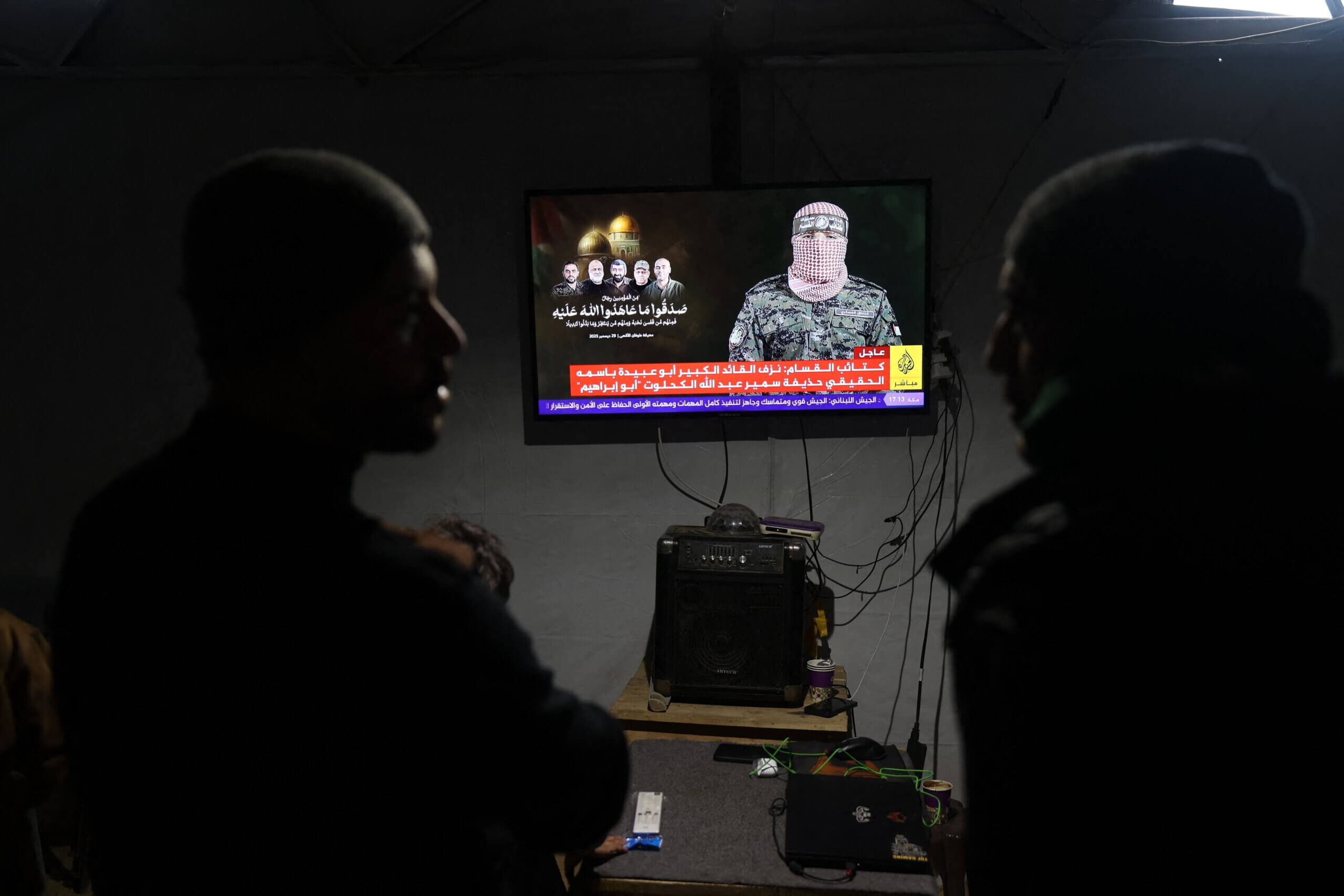
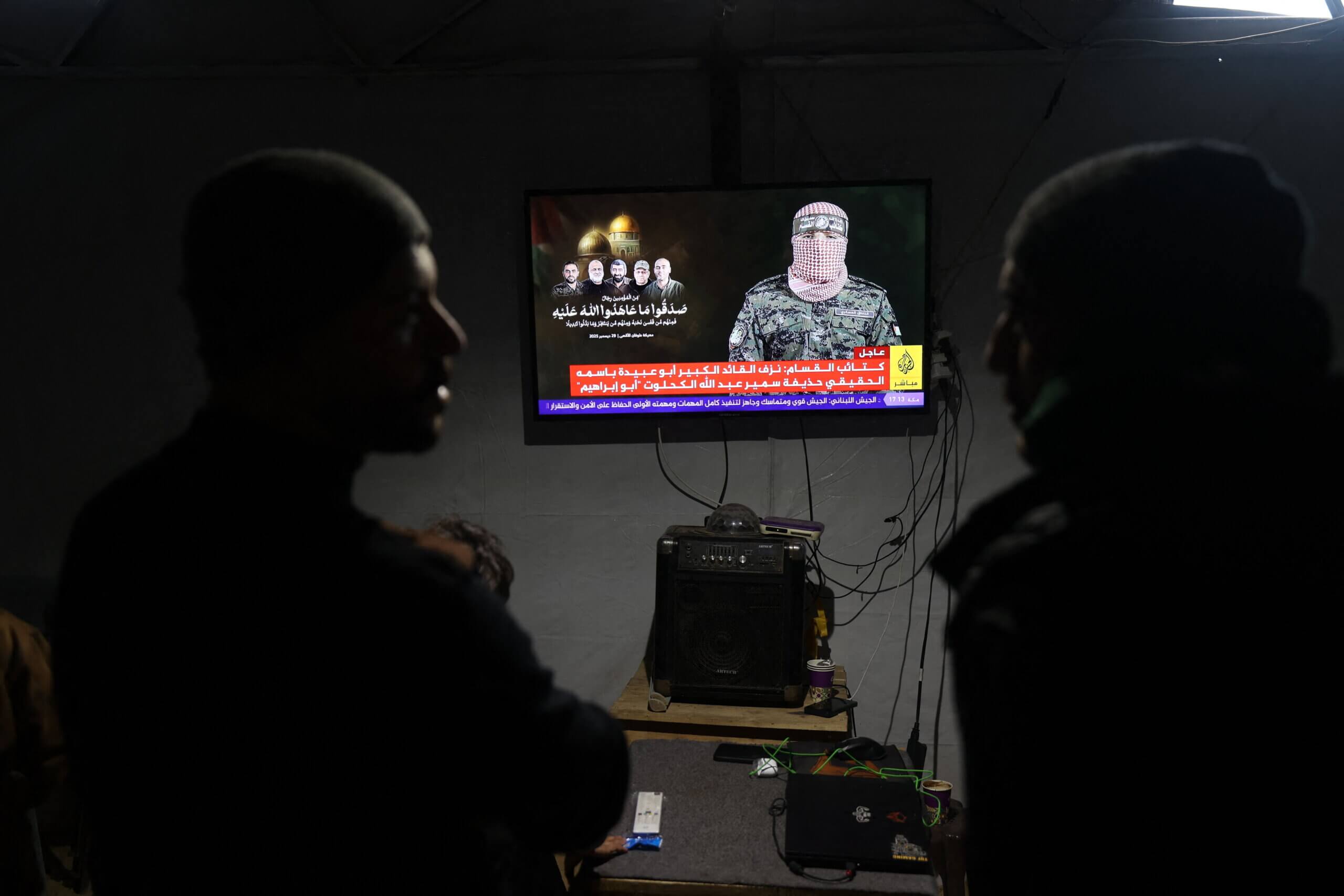
American adults under the age of 30 increasingly view Hamas as “militant resistance” operating on behalf of the Palestinian people, rather than a self-interested terrorist organization, according to data gathered by the American Jewish Committee.
In a poll conducted one year after the Oct. 7 Hamas attack against southern Israel, 33% of 18- to 29-year-olds described Hamas as a “resistance group” — nearly double the 17% of Americans over 30 who used that label — and that figure jumped to 43% this past fall.
The findings, shared with the Forward this month, track with another survey last summer that found 60% of 18- to 24-year-olds sided with Hamas over Israel in the Gaza war. It suggests the support that young Americans express for the Palestinians, and the same cohort’s deeply negative views toward Israel, are breaking through what was long a taboo: sympathy for an organization classified as a terrorist organization by the United States, and which has engaged in decades of violence against Israeli civilians.
Tariq Kenney-Shawa, a fellow at the pro-Palestinian think tank Al-Shabaka, attributed this shift to a broader disillusionment with mainstream media and the political establishment that has long presented Israel as a close U.S. ally with shared values.
“Americans have come to not trust these traditional narratives,” he said in an interview. “That spills over into thinking, ‘If we’ve been lied to about Israel’s true nature, maybe that means we’re also being lied to about Oct. 7 and groups like Hamas.’”
Open support for Hamas has been relatively rare among the protesters demonstrating against Israel’s prosecution of the war in Gaza. But constant demands for activists to condemn Hamas after Oct. 7 quickly became a source of derision on the left, while slogans and iconography celebrating Hamas violence became more common as the conflict dragged on and Israel killed tens of thousands of Palestinians, destroyed the vast majority of Gaza’s infrastructure and restricted aid shipments as experts warned of famine and raised the specter of genocide.
But many Jewish leaders and other critics of Hamas say young people are misinformed about the nature of Hamas — including its lukewarm support among Palestinians living in Gaza — and the war.
They also say apparent support for Hamas, especially in a public opinion poll that offers limited response options, may be less about genuine support for the organization and its political platform and more about picking the answer that aligns with their support for Palestinians.
“There’s a tendency in our very polarized society to find a camp and stay in the camp and whatever words the camp is using become your words,” said Julie Fishman Rayman, vice president for policy at the American Jewish Committee.
Complex — and incomplete — views on Hamas
In the immediate aftermath of Oct. 7, a core of activists sympathetic to Hamas made their presence known. Demonstrations in major cities celebrated the attacks, while the coordinating body of Students for Justice in Palestine approvingly referred to Hamas militants as “the resistance.”
But as a broader protest movement calling for an immediate ceasefire in Gaza grew — drawing in Jews and others who simultaneously condemned Hamas violence on Oct. 7 and called for Israeli hostages to be released — some leading Jewish organizations and pundits continued to paint the demonstrators as terror supporters.
What data was available painted a more complex picture.
A study conducted by Eitan Hersh, a Tufts University professor, found that 5% of self-identified leftist college students — those who were generally organizing and participating in the campus protests against Israel — believed that “all Israeli civilians should be considered legitimate targets for Hamas,” compared to 17% of conservative students.
And since the Israel-Hamas war began, the Harvard/Harris poll, a collaboration between the school’s Center for American Political Studies and a private polling firm, has consistently found that between 40% and 50% of the youngest American adults — those aged 18 to 24 years old — side with Hamas over Israel when forced to choose. The monthly poll’s August edition made headlines when that figure briefly jumped to 60% support for Hamas.
A member of the Democratic Socialists of America’s New York City chapter pointed to that statistic while pressing Shahana Hanif, a progressive member of city council, during an endorsement meeting on why she had condemned local protesters who had chanted in favor of Hamas.“With 60% of Gen Z supporting Hamas against Israel, many of us are realizing now that we’ve been lied to all our lives,” the person said, according to a recording obtained by Jewish Insider. (A NYC-DSA spokesperson said that members do not reflect the organization’s position.)
But most coverage overlooked the poll’s other findings, including that 61% of that age group believed “Hamas must release all remaining hostages without any conditions or face serious consequences” and that 63% disapproved of Hamas’s conduct in the war.
The Harvard/Harris survey has been criticized for being unreliable and at times producing results about antisemitism and the Israeli-Palestinian conflict that are “bizarre and difficult to account for,” in the words of a Harvard Crimson columnist.
But some observers say that people expressing sympathy for Hamas may have nuanced views.
“I speak to a lot of Palestinians who have supported Hamas not because they support terrorism but because they support action to oppose the occupation,” said Roei Eisenberg, chair of the young adults network at Israel Policy Forum, a dovish Zionist think tank. “They have a Palestinian Authority that’s broken and corrupt and not actually standing up for them — and they see Hamas in Gaza at least putting up a fight.”
Ahmed Moor, a Palestinian-American writer and fellow at the Foundation for Middle East Peace, said that supporters of the Palestinians in the United States are following a similar logic as they see evidence of devastation and Israeli brutality in Gaza. “Why are Zionists so resistant to the idea of Palestinian resistance?” he asked. “Any normal person would look and say, ‘Of course these people have a right to resist.’”
That sentiment has circulated on social media, often among anonymous creators.
After Israel killed Yahwa Sinwar, the military leader of Hamas in Gaza, many users on TikTok created videos praising the bravery of his final moments in which he is recorded throwing a stick at an Israeli drone.
“In a million years, you would never see Joe Biden, you would never see Ben-Gvir, you would never see any of these people die for anyone but themselves,” a Jewish user who goes by Dirty Alex told his 23,000 followers.
He added an ambivalent caveat: “It’s weird because I think — because of Oct. 7, the people who perpetuated it should be held accountable — and I think they would agree, actually — but at the same time I will always support righteous struggle.”
That tendency to equivocate when it comes to Hamas’s most egregious atrocities is common even among those in the U.S. who otherwise express support for the group. Many have sought to downplay the Oct. 7 attack as primarily an assault on Israeli military positions and claiming that atrocities committed against civilians were exaggerated or completely fabricated.
On social media, many users have rushed to highlight any evidence that Israeli hostages were treated well by Hamas during captivity. For example, several large accounts claimed that Israeli Maya “Bengi” had refused to meet with Israeli Prime Minister Benjamin Netanyahu because his “hands are stained with the blood of children in Gaza.”
But the real hostage, named Maya Regev, did meet with Netanyahu and said she had been abused by sadistic doctors in Gaza.
The most popular symbol associated with Hamas among Israel’s opponents in the U.S. is also connected with attacks on the Israeli military rather than civilians: The inverted triangle, which comes from grainy propaganda videos that use the red arrow to point out Israeli military units operating in Gaza immediately before Hamas militants fire at them.
Kenney-Shawa, the Al-Shabaka fellow, said the growing support for Hamas among young Americans suggests that “more people are vibing with the idea of Palestinian resistance” rather than aligning with the organization’s specific tactics or policies.
Others acknowledge that while Hamas has engaged in war crimes and violations of international law, Israel stands accused of engaging in similar behavior. “Palestinian resistance has always been armed — and that’s always been in line with international law — and the violation of international law has also occurred both by Zionist groups and Palestinians,” Moor said. “Everyone has committed crimes.”
Hamas officials have also sought to present positions to western audiences that are palatable to progressives, emphasizing measured political positions and portraying Israel as the more radical and intransigent party.
“We are politically realistic,” Khaled Meshaal, a senior Hamas leader, told Drop Site News in December. “We are ready to engage with any serious project to establish a Palestinian state along the 1967 borders even though I realize, unfortunately, that this is impossible because of Israeli policy.”
Hamas as symbol of resistance
Hamas coming to represent the strongest resistance to Israel among young people in the U.S. is frustrating for some Palestinians, who say it sanitizes what Hamas actually represents and overlooks the preferences of Palestinians in Gaza.
Khalil Sayegh, a politician analyst and director of the Agora Initiative, which advocates for Palestinian rights in Israel, the West Bank and Gaza, said he appreciated that Americans were turning away from an uncritical pro-Israel narrative but worried about polarization in the opposite direction.
“Resistance has become basically equal to Hamas and Hamas equal to resistance,” Sayegh said. “That’s a very toxic and wrong thing.”
He said that “Israeli apartheid and genocide” was the main problem in Gaza but that Hamas also stood in the way of establishing a “secular, democratic Palestine.”
While around half of Palestinians in Gaza said they were satisfied with Hamas’s performance in the war, according to an October survey, the poll also suggested that the organization would be soundly defeated if open parliamentary or presidential elections were held across the West Bank and Gaza.
Around 33% of voters in Gaza would support a Hamas candidate for president, while most of the remainder would either vote for Marwan Barghouti, a leader of secular rival Fatah who is currently imprisoned by Israel, or not participate, according to Palestinian Center for Policy and Survey Research. Respondents were roughly split on whether negotiations and peaceful protest or “armed struggle” were the best method to establish a Palestinian state.
Throughout the 1980s and 1990s there were robust debates in the Palestinian diaspora over which political factions to support. But Sayegh said those faded from public view as Israel eliminated most credible alternatives and fears grew that open critique of Hamas would be weaponized by pro-Israel groups to weaken the pro-Palestinian movement.
Additionally, he said, activists in the U.S. who support Hamas have intimidated its critics within the Palestinian community. “There is still a debate but there is no public debate,” Sayegh said. “The masses that are supportive of Hamas have scared the people who oppose Hamas into silence.”
Ahmed Foud Alkhabtib, who moved from Gaza to the U.S. in high school, has become one of the most prominent Palestinian critics of Hamas and now positions himself in opposition to most of the pro-Palestinian movement.
Alkhabtib, the founder of an initiative called Realign for Palestine at the Atlantic Council, attributed the rise in support for Hamas to a combination of ignorance and malice within the “pro-Palestine industrial complex” composed of “far-left meets far-right meets the Islamists meets the Taliban and al-Qaeda meets the idiot Jewish kids who said they were lied to about Israel at summer camp.”
But he said that some Palestinians had told him during the war that they shared his antipathy toward Hamas — especially as some blamed the group for contributing to aid shortages over the summer — but that they would speak out once Israel ended its military operations. “I did pick up on notes of the pro-Hamas euphoria dying down,” Alkhabtib said.
And yet both Palestinian and Jewish observers said that leading pro-Israel organizations have also contributed to polarization around the Israeli-Palestinian conflict that drives some people toward Hamas or makes them reluctnat to criticize the group.
Eisenberg, with the Israel Policy Forum, said that many Jewish groups have refused to acknowledge Israeli atrocities in Gaza and rushed to paint the country’s critics as terror supporters. “It’s coming from a place of being unable to hold complexity,” he said.
Alkhabtib said he has experienced this firsthand. Despite being an unequivocal critic of Hamas and maintaining close ties to many Jewish organizations, he has found little tolerance for also critiquing the Israeli far right.
“The pro-Palestinian people are watching me — the pro-Hamas people are watching me — and saying, ‘Well what incentive do I have if you’re been Mr. Dialogue and Engagement and they turn on you the second you criticize Israel,” Alkhabtib said. “There’s something to be said about the role of Jewish communities to reverse these problematic trends.”
The post Young Americans increasingly likely to view Hamas as ‘resistance,’ not terrorists appeared first on The Forward.
Uncategorized
Israel’s supreme court says Arab parties can run in Oct. 27 election
(JTA) — TEL AVIV – Israel’s Supreme Court ruling upholding the right of Arab parties to run in the Oct. 27 election could make it more difficult for Prime Minister Benjamin Netanyahu to form a new coalition after the election.
In a unanimous decision, the Supreme Court ruled on Friday that the Joint Arab List and Ra’am, the two Arab-led political lists competing in Israel’s elections, could run. The ruling overturned a decision by the Central Elections Committee, a largely political body in which parties in Netanyahu’s right-wing coalition hold a majority of the seats, which had voted last month to bar the lists from running.
“The court found that the materials submitted to the Central Elections Committee did not meet the standards established in the case law for disqualifying a list of candidates,” the court said in its ruling, which did not include extensive reasoning.
The decision restored the parties that traditionally represent Israel’s more than 2 million Arab citizens and in doing so helped the opposition block. Now a wide constituency that rejects working with Netanyahu will have a reason to head to the polls rather than stay home.
Most polls have shown that the opposition bloc would need to include the parliamentary seats held by the Ra’am party, led by MK Mansour Abbas, in order to gain the lead over Netanyahu’s coalition. Unlike Ra’am, the Joint Arab List has never sat in an Israeli coalition and there is no expectation that it would join with Zionist Jewish-led parties to do so.
The court also took a number of other steps regarding the upcoming election. It overturned the committee’s decision to disqualify Ofer Cassif, a Jewish lawmaker running as part of the Joint List. In Cassif’s case, the decision was made by a 7-2 majority.
The Supreme Court justices said they “strongly condemn the outrageous statements and actions by Cassif that evoke revulsion.” At the same time, they ruled that “these statements or actions do not meet the stringent tests established” for disqualifying a candidate.
According to the petition seeking Cassif’s disqualification, he had legitimized Palestinian violence during the war, referred to those seeking to attack Israeli soldiers as “freedom fighters” and taken actions against Israel in international legal forums.
The most significant development, however, came in the case of Sami Abu Shehadeh, the leader of Balad, one of the parties that make up the Joint List.
During a Thursday hearing, the Supreme Court took the unusual step of indicating to Abu Shehadeh that a majority of the justices were inclined to disqualify him and recommended that he withdraw his candidacy.
Following internal consultations, Balad announced that Abu Shehadeh would withdraw his candidacy, rendering the court’s expected ruling on his disqualification moot.
“Sami Abu Shehadeh did not retract his positions and did not flee the struggle. Only after the court itself announced its intention to uphold the disqualification did he decide to withdraw his candidacy,” Balad said in an official statement.
A central part of the case against Abu Shehadeh focused on an article he published on Oct. 8, 2023, one day after Hamas’ Oct. 7 attack, in which the terror organization killed 1,200 people in Israel and took another 251 hostage.
In the article, Abu Shehadeh described the Oct. 7 events as an “important historic event” and suggested that lessons could be learned from how Hamas had managed to surprise Israel and carry out its invasion. His comments were cited as evidence that he supports armed struggle against Israel, one of the grounds on which candidates can be disqualified under Israeli law.
In its ruling, the Supreme Court said there was “a consensus that the things said by Mr. Abu Shehadeh are painful, outrageous and revolting.” The decision to disqualify Abu Shehadeh was also supported by the Democrats, Israel’s most left-wing Zionist party.
During the Supreme Court hearing, Abu Shehadeh acknowledged that “this paragraph was not written correctly.” He said, “I have never supported violence in my life,” and said that he knows victims of the Oct. 7 attack.
Balad said Abu Shehadeh would continue to lead the party’s political activities even without serving in the Knesset.
The Joint List sharply criticized the court’s handling of the case. In a statement, the list said that “the heart of the matter” was “preventing an Arab political leader from running in the elections and infringing on our public’s right to choose its representatives.”
The list accused the court of acting “following a campaign of incitement and political persecution led by the fascist and Kahanist right, joined by the leaders of the Zionist opposition parties.”
“The court must bear responsibility for its disgraceful decision before our public and before public opinion in Israel and around the world, for providing judicial cover for political exclusion. This ruling is another link in the chain of persecution of our public.”
Right-wing Israeli politicians also criticized the court for declining to issue a ruling formally disqualifying Abu Shehadeh rather than merely pressing him to withdraw.
National Security Minister Itamar Ben-Gvir, an ultranationalist member of Netanyahu’s government, called the court’s proposal “too merciful” and said it “harms the democracy of the State of Israel.”
This article originally appeared on JTA.org.
The post Israel’s supreme court says Arab parties can run in Oct. 27 election appeared first on The Forward.
Uncategorized
A town in the Alps that rescued Jews from the Nazis
על-פּי צופֿאַל האָב איך הײַיאָר פֿאַרבראַכט עטלעכע טעג אין די פֿראַנצייזישע אַלפּן-בערג. די בילעטן זײַנען נישט געווען אַזוי טײַער, און „בוקינג“ האָט רעקאָמענדירט אַ דאָרף נישט ווײַט פֿון ניצע (ניס).
דאָס דאָרף, סאַן-מאַרטען-וועזובי , איז פֿאַרשפּרייט אויף אַ באַרג אין דרום-פֿראַנקרײַך, און די קאָלירפֿולע הײַזער גיבן אָנצוהערן, אַז עס געפֿינט זיך נישט ווײַט פֿון דער איטאַליענישער גרענעץ. אין מיטן דעם דאָרף איז פֿאַראַן אַ טײַך, און אַלץ איז מלא-חן, פֿול מיט סאָסנע־ביימער און רײַפֿע טרויבן. אויף אַזעלכע ערטער זאָגט מײַן מאַמע: „מײַן באָבע האָט אויך נישט געהערט פֿון דעם.“
אָבער עס ווײַזט זיך אויס אַז מײַן באָבע וואָלט יאָ געקאָנט הערן פֿון סאַן-מאַרטען-וועזובי. שוין אינעם ערשטן טאָג האָב איך געפֿונען דאָרטן אַ ייִדיש פּינטעלע, און דווקא גאָר אַ וויכטיקס. די וועגווײַזערין פֿון דאָרף, אַן סיווירין, האָט אונדז דערציילט אַז אין דער צײַט פֿונעם צווייטן וועלטקריג איז סאַן-מאַרטען-וועזובי געווען כּמעט אַ יאָר לאַנג אַ מקום-מיקלט פֿאַר מער ווי 1,200 ייִדן.
צווישן די ייִדן זײַנען געווען פּליטים פֿון דײַטשלאַנד, פּוילן, האָלאַנד און בעלגיע, וואָס זײַנען אַנטלאָפֿן צו דער „זאָן ליברע“ – דעם פֿרײַען געביט, ד״ה דרום־פֿראַנקרײַך, וואָס איז אין די ערשטע צוויי יאָר פֿון דער מלחמה געבליבן פֿרײַ פֿון די נאַציס. אויך מײַן באָבע פֿייגע, צוזאַמען מיט דער משפּחה, האָט פּראָבירט אַנטלויפֿן פֿון בעלגיע קיין דרום־פֿראַנקרײַך, אָבער צוליב פֿאַרשיידענע סיבות איז עס נישט געלונגען, און די משפּחה איז געבליבן אין אַנטווערפּן.
אין נאָוועמבער 1942 זײַנען די דײַטשן אַרײַן אינעם „פֿרײַען געביט“, און זייערע אַליִירטער, די איטאַליענער, האָבן אָקופּירט די דרום-מזרחדיקע געביטן פֿון פֿראַנקרײַך. פֿאַר די ייִדן איז עס דווקא געווען אַ גוטע בשׂורה. כאָטש די איטאַליענער האָבן געפֿירט זייערע אייגענע „ראַסע-געזעצן“, האָבן די ייִדן אין איטאַליע — און דערווײַל אויך אין דרום-פֿראַנקרײַך — געקאָנט לעבן; און לעבן איז גאָר נישט געווען קיין קלייניקייט אין סוף 1942, בשעת ס׳רובֿ ייִדן פֿון אייראָפּע האָבן די דײַטשן שוין דערמאָרדעט.
אַ דאַנק די באַמיִונגען פֿון אַנדזשעלאָ דאָנאַטי, אַן איטאַליענישן ייִד וואָס האָט געוווינט אין ניצע, האָבן די איטאַליענער מסכּים געווען צו שאַפֿן אין סאַן-מאַרטען-וועזובי אַ צענטער פֿאַר ייִדישע פּליטים, וווּ זיי זאָלן קאָנען לעבן כּמעט אַ נאָרמאַל לעבן. אַזוי זײַנען אָנגעקומען אין דאָרף מער ווי 1,200 ייִדן. פֿאַר דער מלחמה האָט דאָ געוווינט נאָר איין ייִדישע משפּחה — די משפּחה לעווין-דריזדאָ, און מיט אַ מאָל איז עס געוואָרן ממש אַ ייִדיש שטעטל.
אין מיטן דער מלחמה, צווישן די אַלפּן-בערג און די וועלדער, האָבן ייִדן פֿון אָנהייב 1943 זיך געלערנט, געדאַוונט, געאַרבעט, געשאַפֿן יוגנט- און ספּאָרט-אָרגאַניזאַציעס, און אַפֿילו חתונה געהאַט. די אײַנוווינער, די פֿראַנצויזן, האָבן זיי בדרך-כּלל פֿרײַנדלעך אויפֿגענומען, און אַ סך האָבן זיי געגעבן עסן און געהאָלפֿן אויף אַנדערע אופֿנים — אַ זעלנטקייט, און נישט נאָר אין פֿראַנקרײַך.
אין אָנהייב סעפּטמבער 1943, נאָך דעם ווי די איטאַליענער האָבן קאַפּיטולירט, איז אָבער געקומען אַ סוף צו דעם גן-עדן. די דײַטשן זײַנען אַרײַן אין איטאַליע, און אין אַ פּאָר טעג אַרום זײַנען זיי אָנגעקומען אויך אין סאַן-מאַרטען-וועזובי. ווען די ייִדן האָבן דערהערט די נײַעס זײַנען אַ סך פֿון זיי, מיט דער הילף פֿון די אָרטיקע, אַנטלאָפֿן אין די בערג, מיט דער כּוונה צו גנבֿענען די גרענעץ קיין איטאַליע. די טעג זײַנען געווען קאַלטע און רעגנדיקע, און יציאת-סאַן-מאַרטען-וועזובי איז געוואָרן שווער אָן אַ שיעור (אויך פֿאַר מיר, ווי אַ טוריסט, איז דאָס קלעטערן געווען כּמעט אוממעגלעך).
אין איטאַליע האָבן הונדערטער ייִדן געפֿונען נײַע באַהעלטענישן, אָבער אַ סך האָבן די דײַטשן דאָרטן געכאַפּט. צוזאַמען מיט ייִדן וואָס זײַנען געבליבן אין דאָרף — מסתּמא אַלטע לײַט און קינדער — האָט מען זיי דעפּאָרטירט קיין דראַנסי, לעבן פּאַריז, און פֿון דאָרטן קיין אוישוויץ.
אָבער אויך דעמאָלט זײַנען צענדליקער ייִדן געבליבן אין סאַן-מאַרטען-וועזובי, און אָרטיקע מענטשן האָבן זיי באַהאַלטן אין פֿאַרשיידענע ערטער. פֿאַרשטייט זיך, נישט אַלע אין דאָרף האָבן זיי געהאָלפֿן, אָבער ס׳רובֿ אײַנוויינערס, וואָס האָבן געוווּסט וואָס קומט פֿאָר, האָבן דאָס קיינעם נישט אויסגעזאָגט. נאָר איין ייִד האָט מען געמסרט — דעם ייִד וואָס האָט געוווינט דאָ פֿאַר דער מלחמה.
מיט דער צײַט האָט „יד־ושם“ אַנערקענט צען אָרטיקע מענטשן, וואָס האָבן געראַטעוועט ייִדן ווי „חסידי-אומות-העולם“.
אויב איר האָט גאָרנישט געהערט פֿון דעם העראָיִשן, באַשיידענעם דאָרף זײַנט איר נישט די איינציקע. אַפֿילו אין סאַן-מאַרטען-וועזובי האָט מען יאָרן לאַנג נישט גערעדט וועגן די געשעענישן במשך פֿון דער צווייטער וועלט־מלחמה. „עס זײַנען געווען די וואָס האָבן געהאָלפֿן און די וואָס האָבן קאָלאַבאָרירט, און אַלע האָבן געדאַרפֿט לעבן אין איינעם נאָכן קריג“, האָט דערקלערט די וועגווײַזערין, אַן סיווירין. „אָבער איין טאָג האָט אַ יונגע פֿרוי געהערט, ווי די אַלטע לײַט ריידן צווישן זיך וועגן ׳די באַהאַלטענע ייִדן׳, און די פּאַנדאָרע-קעסטל האָט זיך צעעפֿנט.“
פֿון דעמאָלט אָן שטאָלצירן די איינווינערס פון סאַן-מאַרטען-וועזובי מיט דעם וואָס די מענטשן פֿון זייער שטעטל האָבן געהאָלפֿן ראַטעווען ייִדן בעת דער מלחמה. אין יעדן פֿראַנצייזישן דאָרף שטייט אַ דענקמאָל לזכר די געפֿאַלענע במשך פֿון די צוויי וועלט־מלחמות (און אויך אַנדערע קריגן). לעבן דעם גרויסן דענקמאָל אין סאַן-מאַרטען-וועזובי שטייען הײַנט דרײַ גרויסע דענקמעלער: איינער לזכר די אומגעקומענע ייִדן; אַ צווייטער אין אָנדענק פֿון די „חסידי-אומות-העולם“, און אַ דריטער וואָס דערציילט די גאַנצע געשיכטע.
הײַנט קאָן מען לייענען וועגן דער פּרשה אין פֿאַרשיידענע ביכער: איין ביכל אויף פֿראַנצייזיש, וואָס סאַן-מאַרטען-וועזובי האָט אַרויסגעגעבן: „די ייִדן און ‘צדיקים’ פֿון סאַן-מאַרטען-וועזובי“; אַ בוך אויף ענגליש: „די חורבן־אָדיסייעס: די ייִדן פֿון סאַן־מאַרטען־וועזובי און זייער פּליטה דורך פֿראַנקרײַך און איטאַליע“, און אויך אַ ראָמאַן אויפֿן סמך פֿון יענעם קאַפּיטל געשיכטע.
סאַן-מאַרטען-וועזובי שטאָלצירט מיט נאָך עפּעס. אינעם גרויסן קלויסטער פֿון דאָרף שטייט אַ הייליקע סטאַטוע פֿון דער מאַדאָנע, אַ הילצערנע סטאַטוע וואָס די אָרטיקע הייליקן שוין הונדערטער יאָרן. לכּבֿוד דער אַלטער מאַדאָנע מאַרשירן זיי יעדעס יאָר אין אַ גרויסן פּאַראַד צו די בערג, על-פּי דער טראַדיציע איז איר מקור. אין גײַסט פֿון יענער טראַדיציע האָבן די אײַנוויינערס פֿון סאַן-מאַרטען-וועזובי, מיט בערך 10 יאָר צוריק, באַשלאָסן אײַנצופֿירן אַ נײַע טראַדיציע: יעדן 3טן סעפּטעמבער מאַרשירן זיי לכּבֿוד די ייִדן וואָס זײַנען אַנטלאָפֿן אין די בערג, ביז דעם באַרגפּאַס אויף דער גרענעץ מיט איטאַליע. דאָרטן, לעבן דעם טאָוול לזכר די ייִדן, דערמאָנען זיי די אומגעקומענע און די וואָס זײַנען ניצול געוואָרן אַ דאַנק די אַמאָליקע אײַנווינערס פֿון סאַן-מאַרטען-וועזובי. אויך די קינדער אָדער אייניקלעך פֿון די געראַטעווטע ייִדן נעמען צו מאָל אַן אָנטייל אין די פּראָצעסיעס.
אויפֿן טאָוול שטייט געשריבן, אויף איטאַליעניש און פֿראַנצייזיש: „דורך דעם באַרגפּאַס, אין סעפּטעמבער 1943, זײַנען דורכגעגאַנגען הונדערטער ייִדן פֿון גאַנץ אייראָפּע, וואָס האָבן געזוכט מיטלען זיך צו ראַטעווען פֿון די אַנטיסעמיטישע רדיפֿות.“
און גלײַך נאָך דעם בײַט זיך דער טאָן פֿון די ווערטער אויף אַ גאָר רירנדיקן אופֿן: „דו, וואָס דו גייסט דאָ אין דער פֿרײַ, דאַרפֿסט געדענקען אַז דאָס קאָן געשען ווען מע לאָזט נישט אַלע מענטשן געניסן פֿון די זעלבע רעכט.“
The post A town in the Alps that rescued Jews from the Nazis appeared first on The Forward.
Uncategorized
Democratic socialists scored big primary wins. But that’s not the whole story.
(JTA) — A string of U.S. House primary successes for democratic socialists, most of whom are sharp Israel critics, was hailed as a major shift in party politics over the course of the summer. But now that the primaries have concluded, a full picture of the results shows that the group’s victories were concentrated in House races in the deepest-blue districts, while few politicians have scored wins in Senate races.
During the primary season, candidates backed by the Democratic Socialists of America won seven out of the 25 U.S. House primaries in which they competed, securing two wins in Michigan, one in Colorado, three in New York and one in Pennsylvania, according to the DSA’s vote tracker. However, these wins have all occurred in Democratic strongholds: New York City, Detroit, Denver and Philadelphia.
“It’s a little bit dangerous to overinterpret a handful of elections compared to all the others,” Elaine Kamarck, a senior fellow in governance at the Brookings Institution, told the Jewish Telegraphic Agency. “Calling the DSA the new big kid on the block is a little bit premature.”
In addition to the seven DSA primary winners, another DSA candidate who ran in a California nonpartisan primary advanced to a U.S. House runoff against a Democratic incumbent in November. Two additional democratic socialists, from Kansas and New Hampshire, withdrew before their respective House primaries.
Of the DSA’s 18 House primary losses, seven occurred in deep-blue areas – demonstrating that even in the country’s most progressive pockets, democratic socialists often weren’t popular. These defeats notably included one in St. Louis, where incumbent Wesley Bell trounced DSA firebrand and anti-AIPAC crusader Cori Bush.
Granted, the DSA victories are still unprecedented in a country where socialism has long been anathema. The candidates might have only succeeded in deeply Democratic districts – but that means they are all but assured victory on Election Day. Taken together, they’ll constitute a larger contingent in Congress than ever before.
Many of the DSA candidates made Israel and its supporters central issues during their campaigns, and there’s little doubt that their presence will tilt the Democratic caucus in the Congress further away from Israel.
The DSA’s official stance on Israel includes an end to the country’s “colonization and occupation of all Arab lands,” the “self-determination of the Palestinian people” and the cessation of “U.S. complicity in Israel’s genocide and apartheid.” Although the DSA has won fewer races than it has lost, the victories would more than triple the group’s presence in the U.S. House, with five newcomers in addition to Reps. Rashida Tlaib of Michigan and Alexandria Ocasio-Cortez of New York.
Jeff Robbins, a Boston-based attorney and former Democratic Senate staffer, said that supporters of Israel should be concerned by the wins, even if they don’t constitute a wave.
Robbins, who also served as a delegate to the United Nations Commission on Human Rights under former president Bill Clinton, warned that if anti-Israel DSA politicians keep racking up wins, Democratic strategists will discourage candidates from supporting Israel’s response to Hamas after the Oct. 7 attacks.
Recommending any action to the contrary, he argued, will result in “the quickest campaign you’ve ever seen.”
“It will be over before you can say ‘the Golan Heights’,” Robbins quipped.
And yet, although the media spotlight has shone on the DSA’s standout victories, establishment candidates have secured more wins at the ballot box from a numerical perspective. In addition, democratic socialists have focused more on the House than the Senate, where they would need to appeal to broader statewide electorates to win seats.
One major exception to that rule is Florida DSA member Angie Nixon, who pulled off a stunning primary victory in a state that Trump won by about 13 percentage points in 2024. But she didn’t join the DSA until shortly before the election and she didn’t get its endorsement.
Another DSA Senate candidate, Gregory Levy of Ohio, will be running in the November general election as an Independent.
But the three other staunchly progressive Senate candidates who will be on the Democratic ballot in November – in Maine, Michigan and Minnesota – don’t define themselves as democratic socialists. While many are still highly critical of Israel, they have differences with DSA and are more interested in making sure they appeal to the more politically diverse populations they will face statewide. They face close races where swing voters who don’t identify strongly with either party are likely to make the difference.
For instance, though many of Abdul El-Sayed’s positions are similar to DSA policies, last month he told The Wall Street Journal that he is “not technically or practically DSA” and that he doesn’t oppose capitalism. At the same time, he has earned the support of many democratic socialist politicians, including Vermont independent Sen. Bernie Sanders.
Kamarck observed that Michigan, which has a huge Arab-American population, remains the nerve center of the Democratic Party’s pro-Palestinian movement. Yet although polls forecast a landslide victory for El-Sayed, who sharply criticized Israel throughout his primary campaign, she termed his victory in early August as “a squeaker.”
“It was a one-point race,” she said. “What that says is that this is not finished.”
Haile Soifer, CEO of the Jewish Democratic Council of America, said in a statement at the time that although her group was disappointed in El-Sayed’s victory, his “razor-thin margin isn’t the resounding win for the far-left that was predicted.”
An Economist model issued shortly after El-Sayed’s victory predicted that the Democratic Party’s chances of winning in November fell to 48% following the primary. But a Marist poll published on Wednesday gave El-Sayed a seven-point lead over Republican Mike Rogers, with a 3.8% margin of error.
Meanwhile, post-primary predictions showed that Minnesota’s Peggy Flanagan would secure an easy victory in her blue state’s Senate race. However, a new KSTP/SurveyUSA poll found that her five-point lead over Republican Michele Tafoya had narrowed to a statistical tie. Like many party progressives, Flanagan has accused Israel of committing genocide in Gaza.
As for Maine’s Jackson, the progressive was trailing Republican Sen. Susan Collins, a five-term incumbent, by 3 points, with a 3.1% margin of error, according to an AARP poll released on Thursday.
Nixon in Florida was 11 points behind Republican Sen. Ashley Moody, with a 4% margin of error, a Stetson University from late last month poll found. On the other hand, St. Pete Polls placed the candidates in a dead heat just the week before, giving Moody just a 0.3-point edge, with a 3.2% margin of error.
In a testament to the growing power of the DSA – even in a red state – Moody reportedly told Fox News Radio this week that she is “seeing way-too-close-for comfort polls in many Republican Senate races.”
And in an email blast sent the same day, according to Florida Politics, Moody warned that “the polls have been all over the place.”
“Some have us up. Two have us tied,” she wrote. “We’re in the final stretch, where everything we do, and your support, really matters.”
This article originally appeared on JTA.org.
The post Democratic socialists scored big primary wins. But that’s not the whole story. appeared first on The Forward.
