


Uncategorized
Two women race to save Persian Jewish music before it fades
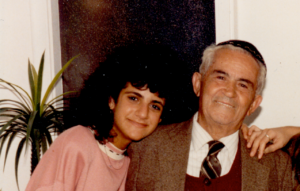
In the 1950s, Younes Dardashti, a Jewish man from Tehran’s Jewish ghetto, became one of Iran’s most celebrated singers. As the country underwent rapid secularization under the Shah, Jewish communities that had long been pushed to the margins found new opportunities. Dardashti’s piercing, unmistakable voice filled Iranian airwaves, exclusive concert halls and the Shah’s palace, earning him the title “Nightingale of Iran.”
Years after Younes Dardashti’s death, his granddaughter Galeet is still singing with him in New York.
Using archival recordings of her grandfather’s voice, Galeet Dardashti created her album Monajat — meaning an intimate conversation with God — layering her vocals over decades-old tapes of him singing Selihot, religious poetry chanted nightly before the Jewish New Year.
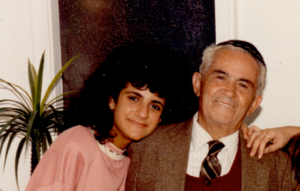
Across the country in Los Angeles, Cantor Jacqueline Rafii is also trying to preserve her Iranian grandfather’s traditional Jewish Persian music.
While in cantorial school, Rafii rediscovered cassette tapes made of her grandfather leading a Passover seder in Tehran. When her family was forced to flee the country following the Islamic Revolution in 1979, they brought that cassette tape with them.
“It was like a time capsule,” said Rafii.
She realized that those grainy and distorted recordings captured a Persian Jewish musical tradition that had only ever been passed down orally from generation to generation. In the diaspora, Rafii worried, they might disappear.
So Rafii sat at the piano with her father to turn what she heard on those old cassette tapes into sheet music so that others might replicate the music Iranian Jews have been singing for centuries.
“We were trying to take this distorted tape from the ’70s and plunk out the notes,” she said. “To write something that had never been written before.”
What began with a single tape became a larger project. Rafii set out to collect and notate as many Persian Jewish melodies as she could. She put out a call on social media to try to find people who remembered Jewish prayers from Iran. Eventually, she found Dardashti, who taught Rafii her grandfather’s Yom Kippur melody for “El Nora Alila.”
A transcription challenge
According to Dardashti, who holds a Ph.D. in anthropology and specializes in Mizrahi culture and music, Jews have played an important role in Persian musical life for centuries.
After the 7th century, when Muslim forces conquered Persia, there were periods during which non-religious music was restricted under Islamic law. Because Jews were classified as najis, or “impure,” they faced limitations on the types of occupations they could legally pursue. Music, being a marginalized and often stigmatized profession, was typically avoided by Muslims. This made it a particularly viable livelihood for Jews who often performed the jobs that were restricted to Muslims.
Because of this, religious minorities, namely Jews, Zoroastrians, and Christians, were responsible for sustaining Persian musical traditions when Muslims could not.
Classical Persian music often features singers interpreting the poetry of figures like Hafez or Rumi. One of its defining features is tahrir, a rapid oscillation in the voice that can sound like a controlled break or yodel, used to convey emotional intensity.
The music relies on modal systems and tonal structures distinct from Western scales. It also includes microtones — notes that fall between the pitches used in Western scales and cannot be easily represented on a standard musical staff. To make the melodies accessible, Rafii notates them “in a format that would be compatible with Western music,” eliminating some (but not all) of those microtones, adding chords to mimic their sound, and establishing a regular meter.
Persian Jewish music draws directly from this tradition, applying its musical forms to Jewish liturgy — Torah chanting, High Holiday prayers, and religious poetry — as well as to songs about daily life written in Judeo-Persian.
“It’s really about interpreting a text,” Dardashti said. “Just as a Persian classical singer would interpret a poem, in Persian Jewish music you’re interpreting Hebrew liturgy in a very similar way.”
For centuries, this music was transmitted entirely orally, passed down from generation to generation, with each singer adding their own interpretation and stylistic flair. During the reign of Shah Mohammad Reza Pahlavi from the 1940s through 1979, Jews enjoyed a golden age in Iran. Jewish musicians, who often came from lineages of family members who had been making music for centuries, moved to the fore and became nationally recognized stars. Dardashti’s grandfather was perhaps the most prominent. Because Israel and Iran had good relations at the time, he frequently traveled between the two countries to share his talents.
Younes Dardashti became a cantor at synagogues across Tehran. Because his chanting was done in a musical style Iranians of all faiths were used to hearing on the radio, Galeet Dardashti says, non-Jews would press their ears to the doors of the synagogue to hear her grandfather’s voice.
A tradition passed down by men
Traditionally, Persian Jewish liturgical music was preserved and performed almost exclusively by men because of Jewish religious norms that limited women’s public singing. Now in the diaspora, that chain of transmission has begun to break down, with fewer and fewer Iranian Jews learning the songs their parents and grandparents once sang.
Rafii says she has faced obstacles in “expressing her cantorial pursuits” to more traditional members of the Persian community in the U.S., where women’s singing is still not embraced. And while she is unsure whether she will “ever in her lifetime … share these melodies personally in such communities,” she remains “hopeful that her work may be useful” to those seeking to transmit Persian Jewish music to the next generation.
For Dardashti, singing Persian Jewish music as a woman is just another layer of the reinvention that has been a feature of Persian Jewish music for generations. Though she too does not perform her music in Orthodox Iranian Jewish settings, she embraces the unique role she can play in leading services for Reform and Conservative Iranian Jews, for whom Ashkenazi-style music is often the default.
“I feel like right now this community needs me; there aren’t many people who can do this work and are willing to do it in an egalitarian setting,” said Dardashti. For the last few years, she has led high holiday services in the traditional Persian style at Kanisse, an egalitarian Jewish community for Sephardic and Mizrahi Jews in New York City.
Though both Rafii and Dardashti are Iranian, neither grew up immersed in Persian Jewish musical traditions.
Like many Iranian Jews who came to the United States after the revolution, their families entered a Jewish landscape dominated by Ashkenazi practice. Dardashti’s father, himself a cantor, trained at the Jewish Theological Seminary, where the focus was almost entirely Ashkenazi. “I grew up the daughter of a Persian cantor who was singing Ashkenazi music,” Dardashti said.
“In order to learn Persian Jewish music, I had to start from scratch,” she added. “I knew nothing.”
She turned to her father, asking him to teach her the melodies he had grown up with in Iran but had not performed formally since coming to the U.S.
Her work, while rooted in a desire to preserve Persian Jewish music, is not without experimentation. Dardashti adds her own flair to her grandfather’s music, laying his vocals over her band and arrangement. “I’m also reinventing, because music isn’t static. Cultural transmission is messy — everyone changes things. So I lean into that messiness.”
Connecting cantors across cultures
Rafii is also continuing to transmit Persian Jewish music in an unconventional way by bringing it to Ashkenazi audiences.
When she entered cantorial school, she said, there were no formal pathways to train in non-European musical traditions. Now, she says cantors from across the country — “in particular, Ashkenazic cantors” — have reached out to her for Persian Jewish sheet music and guidance on incorporating these melodies into their services.
“They want to share how diverse the Jewish family is,” she said. “Now that there’s sheet music for Persian Jewish music, it’s accessible, and they can offer it to their community.”
Dozens of non-Persian cantors have already begun including these melodies in their services.
At Valley Beth Shalom, a largely Ashkenazi congregation in Los Angeles, Rafii regularly weaves her grandfather’s Persian tunes into worship and teaches them to the synagogue’s youth choir.
“I like to include them as part of an everyday service,” she said. “Why don’t we just combine the melodies and make this part of the American Jewish experience?”
The post Two women race to save Persian Jewish music before it fades appeared first on The Forward.
Uncategorized
Israel’s supreme court says Arab parties can run in Oct. 27 election
(JTA) — TEL AVIV – Israel’s Supreme Court ruling upholding the right of Arab parties to run in the Oct. 27 election could make it more difficult for Prime Minister Benjamin Netanyahu to form a new coalition after the election.
In a unanimous decision, the Supreme Court ruled on Friday that the Joint Arab List and Ra’am, the two Arab-led political lists competing in Israel’s elections, could run. The ruling overturned a decision by the Central Elections Committee, a largely political body in which parties in Netanyahu’s right-wing coalition hold a majority of the seats, which had voted last month to bar the lists from running.
“The court found that the materials submitted to the Central Elections Committee did not meet the standards established in the case law for disqualifying a list of candidates,” the court said in its ruling, which did not include extensive reasoning.
The decision restored the parties that traditionally represent Israel’s more than 2 million Arab citizens and in doing so helped the opposition block. Now a wide constituency that rejects working with Netanyahu will have a reason to head to the polls rather than stay home.
Most polls have shown that the opposition bloc would need to include the parliamentary seats held by the Ra’am party, led by MK Mansour Abbas, in order to gain the lead over Netanyahu’s coalition. Unlike Ra’am, the Joint Arab List has never sat in an Israeli coalition and there is no expectation that it would join with Zionist Jewish-led parties to do so.
The court also took a number of other steps regarding the upcoming election. It overturned the committee’s decision to disqualify Ofer Cassif, a Jewish lawmaker running as part of the Joint List. In Cassif’s case, the decision was made by a 7-2 majority.
The Supreme Court justices said they “strongly condemn the outrageous statements and actions by Cassif that evoke revulsion.” At the same time, they ruled that “these statements or actions do not meet the stringent tests established” for disqualifying a candidate.
According to the petition seeking Cassif’s disqualification, he had legitimized Palestinian violence during the war, referred to those seeking to attack Israeli soldiers as “freedom fighters” and taken actions against Israel in international legal forums.
The most significant development, however, came in the case of Sami Abu Shehadeh, the leader of Balad, one of the parties that make up the Joint List.
During a Thursday hearing, the Supreme Court took the unusual step of indicating to Abu Shehadeh that a majority of the justices were inclined to disqualify him and recommended that he withdraw his candidacy.
Following internal consultations, Balad announced that Abu Shehadeh would withdraw his candidacy, rendering the court’s expected ruling on his disqualification moot.
“Sami Abu Shehadeh did not retract his positions and did not flee the struggle. Only after the court itself announced its intention to uphold the disqualification did he decide to withdraw his candidacy,” Balad said in an official statement.
A central part of the case against Abu Shehadeh focused on an article he published on Oct. 8, 2023, one day after Hamas’ Oct. 7 attack, in which the terror organization killed 1,200 people in Israel and took another 251 hostage.
In the article, Abu Shehadeh described the Oct. 7 events as an “important historic event” and suggested that lessons could be learned from how Hamas had managed to surprise Israel and carry out its invasion. His comments were cited as evidence that he supports armed struggle against Israel, one of the grounds on which candidates can be disqualified under Israeli law.
In its ruling, the Supreme Court said there was “a consensus that the things said by Mr. Abu Shehadeh are painful, outrageous and revolting.” The decision to disqualify Abu Shehadeh was also supported by the Democrats, Israel’s most left-wing Zionist party.
During the Supreme Court hearing, Abu Shehadeh acknowledged that “this paragraph was not written correctly.” He said, “I have never supported violence in my life,” and said that he knows victims of the Oct. 7 attack.
Balad said Abu Shehadeh would continue to lead the party’s political activities even without serving in the Knesset.
The Joint List sharply criticized the court’s handling of the case. In a statement, the list said that “the heart of the matter” was “preventing an Arab political leader from running in the elections and infringing on our public’s right to choose its representatives.”
The list accused the court of acting “following a campaign of incitement and political persecution led by the fascist and Kahanist right, joined by the leaders of the Zionist opposition parties.”
“The court must bear responsibility for its disgraceful decision before our public and before public opinion in Israel and around the world, for providing judicial cover for political exclusion. This ruling is another link in the chain of persecution of our public.”
Right-wing Israeli politicians also criticized the court for declining to issue a ruling formally disqualifying Abu Shehadeh rather than merely pressing him to withdraw.
National Security Minister Itamar Ben-Gvir, an ultranationalist member of Netanyahu’s government, called the court’s proposal “too merciful” and said it “harms the democracy of the State of Israel.”
This article originally appeared on JTA.org.
The post Israel’s supreme court says Arab parties can run in Oct. 27 election appeared first on The Forward.
Uncategorized
A town in the Alps that rescued Jews from the Nazis
על-פּי צופֿאַל האָב איך הײַיאָר פֿאַרבראַכט עטלעכע טעג אין די פֿראַנצייזישע אַלפּן-בערג. די בילעטן זײַנען נישט געווען אַזוי טײַער, און „בוקינג“ האָט רעקאָמענדירט אַ דאָרף נישט ווײַט פֿון ניצע (ניס).
דאָס דאָרף, סאַן-מאַרטען-וועזובי , איז פֿאַרשפּרייט אויף אַ באַרג אין דרום-פֿראַנקרײַך, און די קאָלירפֿולע הײַזער גיבן אָנצוהערן, אַז עס געפֿינט זיך נישט ווײַט פֿון דער איטאַליענישער גרענעץ. אין מיטן דעם דאָרף איז פֿאַראַן אַ טײַך, און אַלץ איז מלא-חן, פֿול מיט סאָסנע־ביימער און רײַפֿע טרויבן. אויף אַזעלכע ערטער זאָגט מײַן מאַמע: „מײַן באָבע האָט אויך נישט געהערט פֿון דעם.“
אָבער עס ווײַזט זיך אויס אַז מײַן באָבע וואָלט יאָ געקאָנט הערן פֿון סאַן-מאַרטען-וועזובי. שוין אינעם ערשטן טאָג האָב איך געפֿונען דאָרטן אַ ייִדיש פּינטעלע, און דווקא גאָר אַ וויכטיקס. די וועגווײַזערין פֿון דאָרף, אַן סיווירין, האָט אונדז דערציילט אַז אין דער צײַט פֿונעם צווייטן וועלטקריג איז סאַן-מאַרטען-וועזובי געווען כּמעט אַ יאָר לאַנג אַ מקום-מיקלט פֿאַר מער ווי 1,200 ייִדן.
צווישן די ייִדן זײַנען געווען פּליטים פֿון דײַטשלאַנד, פּוילן, האָלאַנד און בעלגיע, וואָס זײַנען אַנטלאָפֿן צו דער „זאָן ליברע“ – דעם פֿרײַען געביט, ד״ה דרום־פֿראַנקרײַך, וואָס איז אין די ערשטע צוויי יאָר פֿון דער מלחמה געבליבן פֿרײַ פֿון די נאַציס. אויך מײַן באָבע פֿייגע, צוזאַמען מיט דער משפּחה, האָט פּראָבירט אַנטלויפֿן פֿון בעלגיע קיין דרום־פֿראַנקרײַך, אָבער צוליב פֿאַרשיידענע סיבות איז עס נישט געלונגען, און די משפּחה איז געבליבן אין אַנטווערפּן.
אין נאָוועמבער 1942 זײַנען די דײַטשן אַרײַן אינעם „פֿרײַען געביט“, און זייערע אַליִירטער, די איטאַליענער, האָבן אָקופּירט די דרום-מזרחדיקע געביטן פֿון פֿראַנקרײַך. פֿאַר די ייִדן איז עס דווקא געווען אַ גוטע בשׂורה. כאָטש די איטאַליענער האָבן געפֿירט זייערע אייגענע „ראַסע-געזעצן“, האָבן די ייִדן אין איטאַליע — און דערווײַל אויך אין דרום-פֿראַנקרײַך — געקאָנט לעבן; און לעבן איז גאָר נישט געווען קיין קלייניקייט אין סוף 1942, בשעת ס׳רובֿ ייִדן פֿון אייראָפּע האָבן די דײַטשן שוין דערמאָרדעט.
אַ דאַנק די באַמיִונגען פֿון אַנדזשעלאָ דאָנאַטי, אַן איטאַליענישן ייִד וואָס האָט געוווינט אין ניצע, האָבן די איטאַליענער מסכּים געווען צו שאַפֿן אין סאַן-מאַרטען-וועזובי אַ צענטער פֿאַר ייִדישע פּליטים, וווּ זיי זאָלן קאָנען לעבן כּמעט אַ נאָרמאַל לעבן. אַזוי זײַנען אָנגעקומען אין דאָרף מער ווי 1,200 ייִדן. פֿאַר דער מלחמה האָט דאָ געוווינט נאָר איין ייִדישע משפּחה — די משפּחה לעווין-דריזדאָ, און מיט אַ מאָל איז עס געוואָרן ממש אַ ייִדיש שטעטל.
אין מיטן דער מלחמה, צווישן די אַלפּן-בערג און די וועלדער, האָבן ייִדן פֿון אָנהייב 1943 זיך געלערנט, געדאַוונט, געאַרבעט, געשאַפֿן יוגנט- און ספּאָרט-אָרגאַניזאַציעס, און אַפֿילו חתונה געהאַט. די אײַנוווינער, די פֿראַנצויזן, האָבן זיי בדרך-כּלל פֿרײַנדלעך אויפֿגענומען, און אַ סך האָבן זיי געגעבן עסן און געהאָלפֿן אויף אַנדערע אופֿנים — אַ זעלנטקייט, און נישט נאָר אין פֿראַנקרײַך.
אין אָנהייב סעפּטמבער 1943, נאָך דעם ווי די איטאַליענער האָבן קאַפּיטולירט, איז אָבער געקומען אַ סוף צו דעם גן-עדן. די דײַטשן זײַנען אַרײַן אין איטאַליע, און אין אַ פּאָר טעג אַרום זײַנען זיי אָנגעקומען אויך אין סאַן-מאַרטען-וועזובי. ווען די ייִדן האָבן דערהערט די נײַעס זײַנען אַ סך פֿון זיי, מיט דער הילף פֿון די אָרטיקע, אַנטלאָפֿן אין די בערג, מיט דער כּוונה צו גנבֿענען די גרענעץ קיין איטאַליע. די טעג זײַנען געווען קאַלטע און רעגנדיקע, און יציאת-סאַן-מאַרטען-וועזובי איז געוואָרן שווער אָן אַ שיעור (אויך פֿאַר מיר, ווי אַ טוריסט, איז דאָס קלעטערן געווען כּמעט אוממעגלעך).
אין איטאַליע האָבן הונדערטער ייִדן געפֿונען נײַע באַהעלטענישן, אָבער אַ סך האָבן די דײַטשן דאָרטן געכאַפּט. צוזאַמען מיט ייִדן וואָס זײַנען געבליבן אין דאָרף — מסתּמא אַלטע לײַט און קינדער — האָט מען זיי דעפּאָרטירט קיין דראַנסי, לעבן פּאַריז, און פֿון דאָרטן קיין אוישוויץ.
אָבער אויך דעמאָלט זײַנען צענדליקער ייִדן געבליבן אין סאַן-מאַרטען-וועזובי, און אָרטיקע מענטשן האָבן זיי באַהאַלטן אין פֿאַרשיידענע ערטער. פֿאַרשטייט זיך, נישט אַלע אין דאָרף האָבן זיי געהאָלפֿן, אָבער ס׳רובֿ אײַנוויינערס, וואָס האָבן געוווּסט וואָס קומט פֿאָר, האָבן דאָס קיינעם נישט אויסגעזאָגט. נאָר איין ייִד האָט מען געמסרט — דעם ייִד וואָס האָט געוווינט דאָ פֿאַר דער מלחמה.
מיט דער צײַט האָט „יד־ושם“ אַנערקענט צען אָרטיקע מענטשן, וואָס האָבן געראַטעוועט ייִדן ווי „חסידי-אומות-העולם“.
אויב איר האָט גאָרנישט געהערט פֿון דעם העראָיִשן, באַשיידענעם דאָרף זײַנט איר נישט די איינציקע. אַפֿילו אין סאַן-מאַרטען-וועזובי האָט מען יאָרן לאַנג נישט גערעדט וועגן די געשעענישן במשך פֿון דער צווייטער וועלט־מלחמה. „עס זײַנען געווען די וואָס האָבן געהאָלפֿן און די וואָס האָבן קאָלאַבאָרירט, און אַלע האָבן געדאַרפֿט לעבן אין איינעם נאָכן קריג“, האָט דערקלערט די וועגווײַזערין, אַן סיווירין. „אָבער איין טאָג האָט אַ יונגע פֿרוי געהערט, ווי די אַלטע לײַט ריידן צווישן זיך וועגן ׳די באַהאַלטענע ייִדן׳, און די פּאַנדאָרע-קעסטל האָט זיך צעעפֿנט.“
פֿון דעמאָלט אָן שטאָלצירן די איינווינערס פון סאַן-מאַרטען-וועזובי מיט דעם וואָס די מענטשן פֿון זייער שטעטל האָבן געהאָלפֿן ראַטעווען ייִדן בעת דער מלחמה. אין יעדן פֿראַנצייזישן דאָרף שטייט אַ דענקמאָל לזכר די געפֿאַלענע במשך פֿון די צוויי וועלט־מלחמות (און אויך אַנדערע קריגן). לעבן דעם גרויסן דענקמאָל אין סאַן-מאַרטען-וועזובי שטייען הײַנט דרײַ גרויסע דענקמעלער: איינער לזכר די אומגעקומענע ייִדן; אַ צווייטער אין אָנדענק פֿון די „חסידי-אומות-העולם“, און אַ דריטער וואָס דערציילט די גאַנצע געשיכטע.
הײַנט קאָן מען לייענען וועגן דער פּרשה אין פֿאַרשיידענע ביכער: איין ביכל אויף פֿראַנצייזיש, וואָס סאַן-מאַרטען-וועזובי האָט אַרויסגעגעבן: „די ייִדן און ‘צדיקים’ פֿון סאַן-מאַרטען-וועזובי“; אַ בוך אויף ענגליש: „די חורבן־אָדיסייעס: די ייִדן פֿון סאַן־מאַרטען־וועזובי און זייער פּליטה דורך פֿראַנקרײַך און איטאַליע“, און אויך אַ ראָמאַן אויפֿן סמך פֿון יענעם קאַפּיטל געשיכטע.
סאַן-מאַרטען-וועזובי שטאָלצירט מיט נאָך עפּעס. אינעם גרויסן קלויסטער פֿון דאָרף שטייט אַ הייליקע סטאַטוע פֿון דער מאַדאָנע, אַ הילצערנע סטאַטוע וואָס די אָרטיקע הייליקן שוין הונדערטער יאָרן. לכּבֿוד דער אַלטער מאַדאָנע מאַרשירן זיי יעדעס יאָר אין אַ גרויסן פּאַראַד צו די בערג, על-פּי דער טראַדיציע איז איר מקור. אין גײַסט פֿון יענער טראַדיציע האָבן די אײַנוויינערס פֿון סאַן-מאַרטען-וועזובי, מיט בערך 10 יאָר צוריק, באַשלאָסן אײַנצופֿירן אַ נײַע טראַדיציע: יעדן 3טן סעפּטעמבער מאַרשירן זיי לכּבֿוד די ייִדן וואָס זײַנען אַנטלאָפֿן אין די בערג, ביז דעם באַרגפּאַס אויף דער גרענעץ מיט איטאַליע. דאָרטן, לעבן דעם טאָוול לזכר די ייִדן, דערמאָנען זיי די אומגעקומענע און די וואָס זײַנען ניצול געוואָרן אַ דאַנק די אַמאָליקע אײַנווינערס פֿון סאַן-מאַרטען-וועזובי. אויך די קינדער אָדער אייניקלעך פֿון די געראַטעווטע ייִדן נעמען צו מאָל אַן אָנטייל אין די פּראָצעסיעס.
אויפֿן טאָוול שטייט געשריבן, אויף איטאַליעניש און פֿראַנצייזיש: „דורך דעם באַרגפּאַס, אין סעפּטעמבער 1943, זײַנען דורכגעגאַנגען הונדערטער ייִדן פֿון גאַנץ אייראָפּע, וואָס האָבן געזוכט מיטלען זיך צו ראַטעווען פֿון די אַנטיסעמיטישע רדיפֿות.“
און גלײַך נאָך דעם בײַט זיך דער טאָן פֿון די ווערטער אויף אַ גאָר רירנדיקן אופֿן: „דו, וואָס דו גייסט דאָ אין דער פֿרײַ, דאַרפֿסט געדענקען אַז דאָס קאָן געשען ווען מע לאָזט נישט אַלע מענטשן געניסן פֿון די זעלבע רעכט.“
The post A town in the Alps that rescued Jews from the Nazis appeared first on The Forward.
Uncategorized
Democratic socialists scored big primary wins. But that’s not the whole story.
(JTA) — A string of U.S. House primary successes for democratic socialists, most of whom are sharp Israel critics, was hailed as a major shift in party politics over the course of the summer. But now that the primaries have concluded, a full picture of the results shows that the group’s victories were concentrated in House races in the deepest-blue districts, while few politicians have scored wins in Senate races.
During the primary season, candidates backed by the Democratic Socialists of America won seven out of the 25 U.S. House primaries in which they competed, securing two wins in Michigan, one in Colorado, three in New York and one in Pennsylvania, according to the DSA’s vote tracker. However, these wins have all occurred in Democratic strongholds: New York City, Detroit, Denver and Philadelphia.
“It’s a little bit dangerous to overinterpret a handful of elections compared to all the others,” Elaine Kamarck, a senior fellow in governance at the Brookings Institution, told the Jewish Telegraphic Agency. “Calling the DSA the new big kid on the block is a little bit premature.”
In addition to the seven DSA primary winners, another DSA candidate who ran in a California nonpartisan primary advanced to a U.S. House runoff against a Democratic incumbent in November. Two additional democratic socialists, from Kansas and New Hampshire, withdrew before their respective House primaries.
Of the DSA’s 18 House primary losses, seven occurred in deep-blue areas – demonstrating that even in the country’s most progressive pockets, democratic socialists often weren’t popular. These defeats notably included one in St. Louis, where incumbent Wesley Bell trounced DSA firebrand and anti-AIPAC crusader Cori Bush.
Granted, the DSA victories are still unprecedented in a country where socialism has long been anathema. The candidates might have only succeeded in deeply Democratic districts – but that means they are all but assured victory on Election Day. Taken together, they’ll constitute a larger contingent in Congress than ever before.
Many of the DSA candidates made Israel and its supporters central issues during their campaigns, and there’s little doubt that their presence will tilt the Democratic caucus in the Congress further away from Israel.
The DSA’s official stance on Israel includes an end to the country’s “colonization and occupation of all Arab lands,” the “self-determination of the Palestinian people” and the cessation of “U.S. complicity in Israel’s genocide and apartheid.” Although the DSA has won fewer races than it has lost, the victories would more than triple the group’s presence in the U.S. House, with five newcomers in addition to Reps. Rashida Tlaib of Michigan and Alexandria Ocasio-Cortez of New York.
Jeff Robbins, a Boston-based attorney and former Democratic Senate staffer, said that supporters of Israel should be concerned by the wins, even if they don’t constitute a wave.
Robbins, who also served as a delegate to the United Nations Commission on Human Rights under former president Bill Clinton, warned that if anti-Israel DSA politicians keep racking up wins, Democratic strategists will discourage candidates from supporting Israel’s response to Hamas after the Oct. 7 attacks.
Recommending any action to the contrary, he argued, will result in “the quickest campaign you’ve ever seen.”
“It will be over before you can say ‘the Golan Heights’,” Robbins quipped.
And yet, although the media spotlight has shone on the DSA’s standout victories, establishment candidates have secured more wins at the ballot box from a numerical perspective. In addition, democratic socialists have focused more on the House than the Senate, where they would need to appeal to broader statewide electorates to win seats.
One major exception to that rule is Florida DSA member Angie Nixon, who pulled off a stunning primary victory in a state that Trump won by about 13 percentage points in 2024. But she didn’t join the DSA until shortly before the election and she didn’t get its endorsement.
Another DSA Senate candidate, Gregory Levy of Ohio, will be running in the November general election as an Independent.
But the three other staunchly progressive Senate candidates who will be on the Democratic ballot in November – in Maine, Michigan and Minnesota – don’t define themselves as democratic socialists. While many are still highly critical of Israel, they have differences with DSA and are more interested in making sure they appeal to the more politically diverse populations they will face statewide. They face close races where swing voters who don’t identify strongly with either party are likely to make the difference.
For instance, though many of Abdul El-Sayed’s positions are similar to DSA policies, last month he told The Wall Street Journal that he is “not technically or practically DSA” and that he doesn’t oppose capitalism. At the same time, he has earned the support of many democratic socialist politicians, including Vermont independent Sen. Bernie Sanders.
Kamarck observed that Michigan, which has a huge Arab-American population, remains the nerve center of the Democratic Party’s pro-Palestinian movement. Yet although polls forecast a landslide victory for El-Sayed, who sharply criticized Israel throughout his primary campaign, she termed his victory in early August as “a squeaker.”
“It was a one-point race,” she said. “What that says is that this is not finished.”
Haile Soifer, CEO of the Jewish Democratic Council of America, said in a statement at the time that although her group was disappointed in El-Sayed’s victory, his “razor-thin margin isn’t the resounding win for the far-left that was predicted.”
An Economist model issued shortly after El-Sayed’s victory predicted that the Democratic Party’s chances of winning in November fell to 48% following the primary. But a Marist poll published on Wednesday gave El-Sayed a seven-point lead over Republican Mike Rogers, with a 3.8% margin of error.
Meanwhile, post-primary predictions showed that Minnesota’s Peggy Flanagan would secure an easy victory in her blue state’s Senate race. However, a new KSTP/SurveyUSA poll found that her five-point lead over Republican Michele Tafoya had narrowed to a statistical tie. Like many party progressives, Flanagan has accused Israel of committing genocide in Gaza.
As for Maine’s Jackson, the progressive was trailing Republican Sen. Susan Collins, a five-term incumbent, by 3 points, with a 3.1% margin of error, according to an AARP poll released on Thursday.
Nixon in Florida was 11 points behind Republican Sen. Ashley Moody, with a 4% margin of error, a Stetson University from late last month poll found. On the other hand, St. Pete Polls placed the candidates in a dead heat just the week before, giving Moody just a 0.3-point edge, with a 3.2% margin of error.
In a testament to the growing power of the DSA – even in a red state – Moody reportedly told Fox News Radio this week that she is “seeing way-too-close-for comfort polls in many Republican Senate races.”
And in an email blast sent the same day, according to Florida Politics, Moody warned that “the polls have been all over the place.”
“Some have us up. Two have us tied,” she wrote. “We’re in the final stretch, where everything we do, and your support, really matters.”
This article originally appeared on JTA.org.
The post Democratic socialists scored big primary wins. But that’s not the whole story. appeared first on The Forward.
