


World Views
Intelligence Report Reveals Hezbollah’s Dangerous Shift to Brazilian Criminal Networks
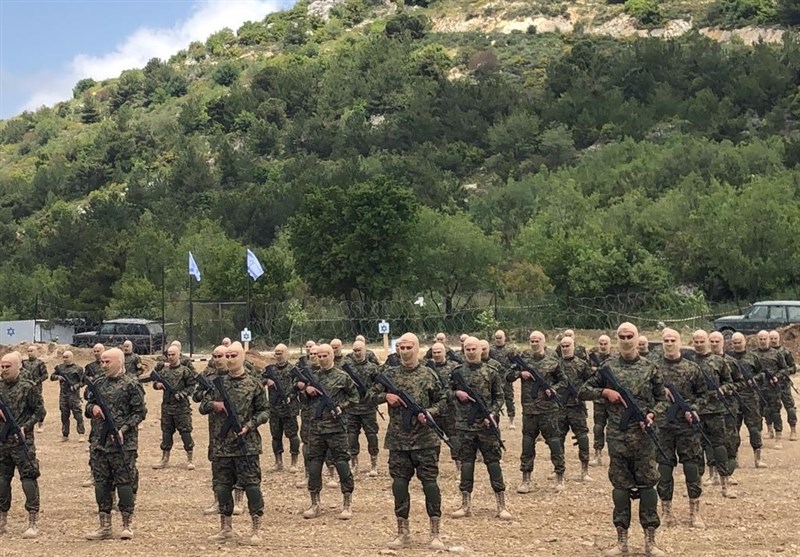
A disturbing new intelligence assessment indicates that Hezbollah, the influential proxy group tied to the Iranian regime, is significantly altering its operational strategy by tapping into criminal elements across Latin America, particularly in Brazil. This calculated move represents a major expansion of the group’s regional reach and a calculated effort to insulate its illicit activities from international scrutiny. Experts suggest this shift is designed to provide the Iranian-backed organization with a layer of plausible deniability, allowing it to distance itself from potential acts of violence.
The New Strategy of Deniability
According to findings published by the Washington Institute for Near East Policy, the Lebanese organization is actively targeting convicted criminals in Brazil. Instead of relying solely on established ideological recruits, Hezbollah is reportedly exploiting the financial difficulties and systemic frustrations felt by these local individuals. This strategy is designed to make attacks appear as isolated acts of local criminality rather than coordinated terror operations originating from Beirut. A federal prosecutor specializing in organized crime noted that the primary motivation for hiring these men is not ideological commitment, but rather the ability to conceal the group’s involvement. This need for secrecy has intensified following several high-profile operations undertaken by Israeli intelligence over the last three years.
Operation Trapiche Uncovers Global Links
The alarming scope of this network was brought to light through ‘Operation Trapiche,’ an anti-terrorism investigation initiated by Brazilian authorities in late 2023, conducted in collaboration with Israeli intelligence. This operation exposed clandestine efforts to build operational capabilities throughout the Western Hemisphere. Investigators successfully apprehended individuals like Lucas Passos Lima, an alleged operative whose travels to Lebanon involved receiving weapons handling instruction and acquiring surveillance gear. Lima was reportedly tasked with monitoring Jewish community figures, synagogues, and the Israeli diplomatic mission in the Brasília area after making multiple trips to Lebanon.
Financial Underpinnings and Oversight Challenges
The report also details the sophisticated financial mechanisms supporting these recruitment drives. Funding for the journeys to Beirut, where training occurs, is allegedly being sourced through Brazilian tobacco enterprises, alongside the use of digital currency transactions. Furthermore, authorities have charged a São Paulo broker with money laundering and financing terrorism, accused of establishing numerous digital wallets to funnel money to both Hezbollah and Iran’s Islamic Revolutionary Guard Corps (IRGC). Legal experts highlight that under Brazilian statutes, financial participation alone can lead to terrorism charges if the individual knowingly aids the operation.
Investigators warn that Hezbollah’s innovation lies in its ability to blend local revenue and execution with international terrorist goals, ensuring that transactions leave minimal traceable links back to its leadership. Regional governments face a critical challenge: they must enhance financial oversight, scrutinize shell corporations, and closely monitor cryptocurrency flows to effectively disrupt this evolving and dangerous model of transnational terror recruitment.
World Views
The Political Paradox: Why Settler Violence in the West Bank Doesn’t Define Israeli Elections

For many observers, particularly within the American Jewish community, a profound disconnect exists in contemporary Israeli politics. Despite the severity of incidents involving extremist settler violence in Judea and Samaria (the West Bank), this issue rarely dominates the national political agenda. While political figures across the spectrum condemn these aggressive acts, and security experts have issued urgent warnings regarding the rise of nationalist crime, the problem has yet to become a defining wedge issue in the electoral campaigns.
The Political Obstacle to Dialogue
The primary reason this violence has not become a central campaign battleground is its political inconvenience for both the ruling coalition and the opposition bloc seeking to replace it. The complex nature of the territory means that even opposition parties, though united in their condemnation of violence, are deeply divided on the ultimate fate of the settlements themselves. The major political groups, such as B’Yachad, Yisrael Beiteinu, and Yashar, hold radically different views on the viability of a Palestinian state and the long-term status of the region.
This division allows politicians to strategically separate two critical questions. The first is a manageable, immediate issue: how should the state address violence committed by Israeli citizens against Palestinians? The second, far more contentious question, concerns the strategic control and future of the settlements. By focusing on the first, politicians can address the immediate crisis without forcing a vote on the deeply entrenched territorial debate.
Framing the Crisis: Crime vs. Terrorism
The political framing of the issue is proving to be the most powerful tool. The Netanyahu camp has largely framed the matter as a law enforcement challenge, describing perpetrators as criminals and urging police action. This approach is echoed in proposals by defense officials who advocate for transferring civilian enforcement duties from the military to the Israel Police, reinforcing the notion of state sovereignty and law adherence.
However, some voices, notably Yair Golan of the Democrats, have chosen a far more consequential path, consistently employing the term ‘Jewish terrorism.’ This choice of language elevates the issue beyond mere criminality, raising profound questions about the state’s use of counterterrorism tools. If the violence is classified as terrorism, it compels a discussion about whether exceptional security measures, similar to those used against Palestinian militant groups, should be applied.
The Dilemma of Political Messaging
For politicians, this presents a delicate dilemma. For the governing coalition, highlighting the systemic nature of extremist actions risks exposing failures within a crucial political constituency. For the opposition, emphasizing the problem as a distinct political crisis risks reopening the larger, divisive debate over settlement continuity, which they themselves cannot resolve. Consequently, the most politically viable path for many parties is to demand vigorous state enforcement against violent settlers, without committing to either the protection or the dismantling of the settlement enterprise as a whole. The focus remains, for now, on immediate security and governance rather than the ultimate geopolitical future of Judea and Samaria.
World Views
Escalating Security Costs and Cultural Flourishing Mark Modern Jewish Life in NYC

The landscape of Jewish life in New York City is currently defined by a stark duality: intense financial pressure resulting from heightened security needs, set against a backdrop of vibrant cultural and intellectual expansion. New data indicates that institutions across the city are grappling with unprecedented operational expenses following the October 2023 attacks on Israel. A recent survey conducted by the UJA-Federation of New York’s Community Security Initiative revealed a significant financial strain on local organizations.
The Financial Burden of Safety
According to the survey, thirty-nine Jewish organizations—a group that includes local synagogues, community centers, and educational institutions—have more than doubled their annual expenditures on security measures since the Hamas aggression. Prior to the October 7th events, the median security outlay for these groups was approximately $50,000. Post-attack, this median figure soared to over $152,000, highlighting the dramatic shift in priorities and the substantial financial commitment required to maintain safety across the community.
A Renaissance of Culture and Arts
While security concerns dominate headlines, the cultural heartbeat of the city remains robust. The literary world recently saw the launch of Odessa Editions by High Line Publishing. This new venture, unveiled in Manhattan, aims to establish itself as a major international hub for Jewish and Israeli writing, encompassing both fiction and non-fiction. Notable figures, including CBS news editor Bari Weiss, attended the unveiling, underscoring the literary significance of the move.
The Stage and Screen
The arts scene continues to thrive. On Broadway, beloved Jewish comedian Billy Crystal debuted his solo production, ‘860,’ a show that references the street number of a home lost during a major fire. The production is scheduled to run through January 3, 2027. Furthermore, the city’s independent cinema is receiving new additions. The indie comedy ‘Yaniv,’ a film centered on teachers who infiltrate an underground gambling ring run by Hasidic Jews, is set to premiere at New Plaza Cinema this weekend.
Community Resilience and Outlook
These diverse activities—from major theatrical runs and new publishing ventures to the critical need for increased security funding—paint a complex picture of a resilient community. The financial data presents a clear challenge, requiring institutions to reassess budgets and risk management. Yet, the simultaneous flourishing of cultural endeavors suggests a powerful commitment to preserving identity and creativity. As the community navigates these heightened security demands, the sustained vitality seen in its arts and intellectual sectors demonstrates a powerful determination to continue building and enriching Jewish life in New York City.
World Views
Michigan Senate Race Intensifies as Opponents Weaponize Muslim Brotherhood Claims Against Democrat El-Sayed
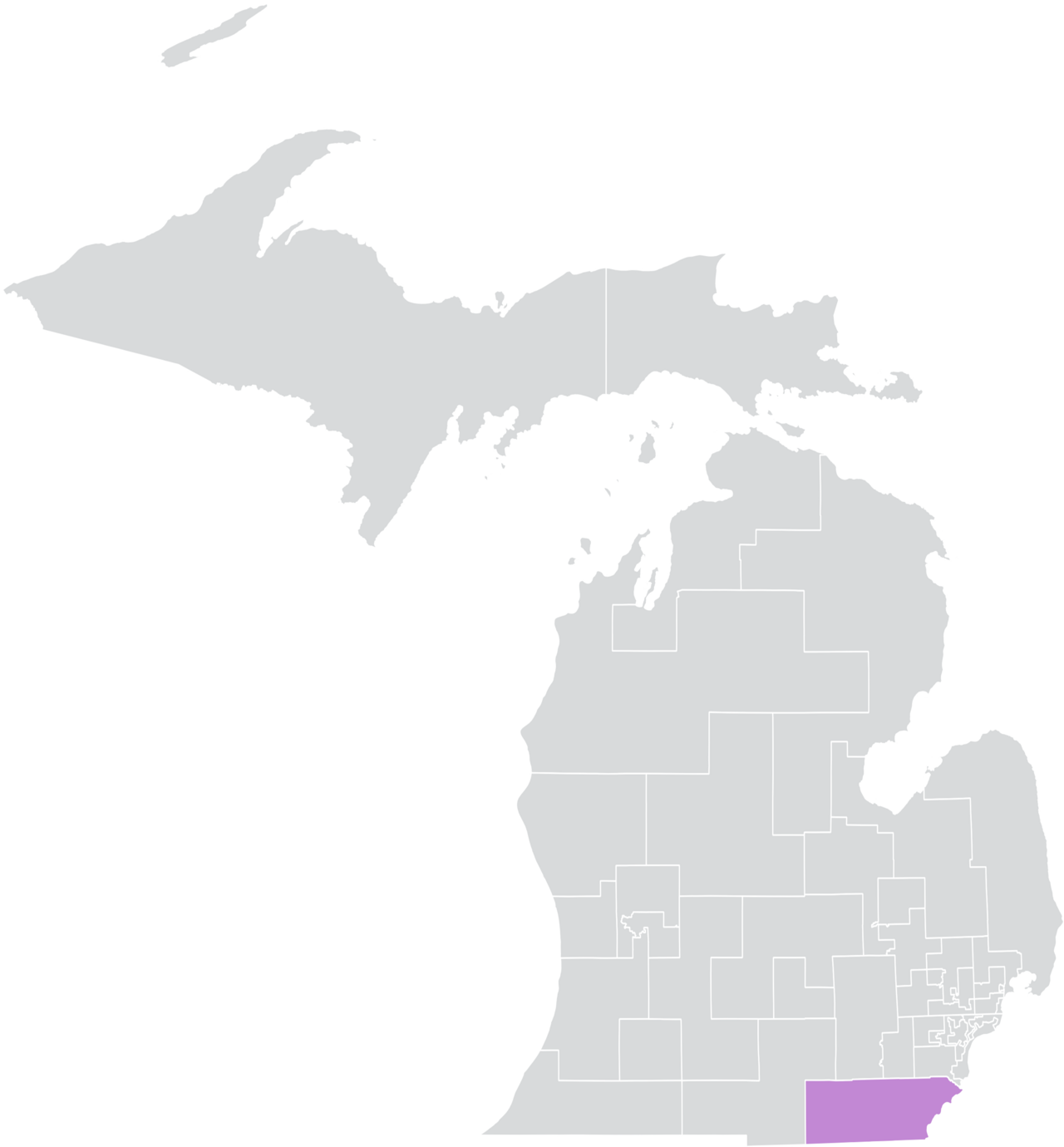
The contest for Michigan’s Senate seat has taken a sharp turn as Republican challenger Mike Rogers and his political allies have launched a targeted campaign effort, linking Democratic candidate Abdul El–Sayed to the Muslim Brotherhood. These aggressive tactics, deployed less than two weeks before the November midterms, aim to exploit existing political divisions among key voting blocs in the Detroit area.
Targeted Attacks and Political Strategy
The strategy, which includes branding the candidate as a ‘jihadist’ as per Donald Trump, is reportedly designed to discourage support from Jewish and Black voters who initially backed El–Sayed’s primary opponent. Rogers has focused his rhetoric on El–Sayed’s past statements regarding Israel and his alleged family connections to the global organization, which seeks to implement Islamic law worldwide. Strategists noted that the attacks also aim to inflame economic tensions between Black voters and Michigan’s large Arab-American population.
Specifically, the Republican campaign has drawn attention to old social media posts from El–Sayed’s half-sister concerning his mother’s involvement with the group in the 1970s. Despite the candidate vehemently denying any affiliation and stating he was raised by his father and step-mother, his earlier support for Muslim Brotherhood protesters in Egypt—including an op-ed from 2011 and a letter backing former President Mohamed Morsi—has been heavily leveraged by opponents.
The Race and Candidate Response
The Senate race, which is currently rated a toss-up by independent analysts, is pivotal, as the outcome could influence whether Democrats secure the four seats necessary to gain control of the chamber. El–Sayed has built his campaign on themes of healthcare, affordability, and reforming political financing. When questioned during a televised debate, Rogers challenged the candidate’s loyalty to the United States, prompting El–Sayed to dismiss the query as ‘shameful’ and reaffirm his dedication to American constitutional principles.
In response to the political maneuvers, El–Sayed’s team asserted that the attacks were a distraction from the economic impact of the opposing party’s agenda, claiming that independent fact-checkers have consistently refuted the false claims. Meanwhile, Rogers’ campaign spokesperson indicated that the candidate’s ‘extremist positions’ were alienating residents of Michigan.
Outlook and Community Concerns
While El–Sayed maintains significant support—a September poll showed 81% backing among Black voters—some political observers suggest that the late deployment of such divisive rhetoric may be ineffective or could even prove counterproductive if voters perceive the messaging as anti-Muslim. Community leaders, however, emphasized the need for unity, stressing that the election is too significant to allow differences between communities to impede the selection of a senator who supports American policies. The race remains highly volatile as both sides push their narratives toward the final voting days.
