



World Views
Tehran Celebrates US Electoral Shift Amid Escalating Regional Military Tensions
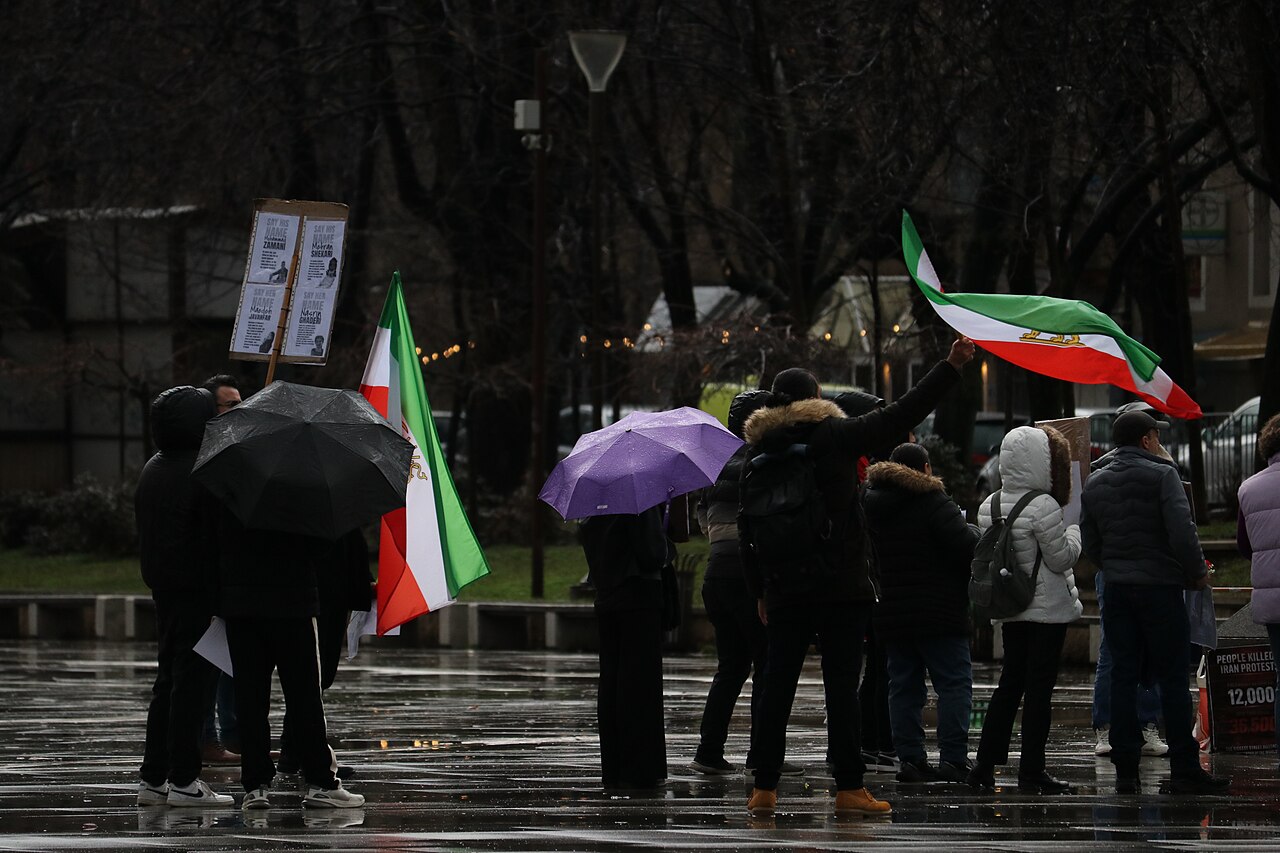
Iran’s government has publicly expressed satisfaction over the recent American midterm election results, interpreting the democratic shift as a decisive rejection of the military actions initiated by Donald Trump. While celebrating the electoral victory of Democratic candidates, Tehran maintains a state of high alert, expressing deep concern that the former US President could seek to compensate for the political setback with renewed military strikes. The Iranian response signals a complex geopolitical moment: a moment of perceived national triumph juxtaposed against the persistent, high-stakes threat of regional conflict.
The Diplomatic and Political Fallout
Iranian officials, including Parliament Speaker Mohammad Baqer Qalibaf, utilized social media to endorse the electorate’s choice, stating that the American public had rejected the notion of war. This sentiment was amplified by state-run media, which linked the election timing to the anniversary of the 1979 embassy seizure. However, the celebration is tempered by the rigid stance of the Supreme Leader, Mojtaba Khamenei, who warned that hostility from the United States would continue regardless of which political party holds power. Khamenei asserted that the end of American global dominance is imminent, dismissing any inclination toward compromise with Washington.
Regional Instability and Economic Pressure
The tensions are not confined to diplomatic rhetoric. Regional conflict has intensified across the Middle East, involving strikes between Iran-backed groups and Israel, and Houthi attacks on energy and airport infrastructure in Saudi Arabia. These military escalations, coupled with Tehran’s declaration of the Strait of Hormuz as closed, have severely disrupted global oil and gas trade, driving up international prices. Furthermore, the US naval blockade against Iran continues to inflict significant economic damage on the nation.
A Shadow Over Washington
Prior to the election, senior Iranian figures reportedly engaged in political maneuvers, deliberately extending talks with the US in an effort to undermine Trump’s political standing. The Iranian narrative suggests that Washington has been captive to Iran’s influence for decades. Despite these efforts, the diplomatic landscape remains precarious. Mediators are actively seeking a path to de-escalation, but the risk of renewed combat operations remains high, as Trump has indicated he has not ruled out resuming military action after the vote. Tehran, in turn, has signaled that it is prepared to retaliate more broadly should conflict restart, ensuring that the election results have not brought lasting peace to the region.
World Views
The Free Speech Paradox: How Censorship Undermines Pro-Israel Advocacy

A growing debate is emerging regarding the strategic effectiveness of censorship within the pro-Israel community, with critics arguing that attempts to restrict speech are inadvertently damaging the movement’s credibility and accelerating anti-Zionist sentiment. The recent cancellation of rapper Macklemore from a major concert tour serves as a prominent flashpoint, illustrating the volatile intersection of political commentary, private business decisions, and fundamental liberties.
The Macklemore Incident: An Unintended Consequence
The controversy began when Macklemore voiced support for the Palestinian cause at a concert in September 2026. Shortly thereafter, the stadium owner, Robert Kraft, prohibited the artist from performing at the venue, citing concerns about his history of ‘hate speech’ and anti-Semitic language. While Kraft, as a private entity, possessed the legal right to make this decision, observers suggest the move was strategically flawed. The resulting public outcry, however, provided a significant boost to the artist’s following and galvanized support for the Palestinian cause among a segment of the population already skeptical of Israel.
The Strategic Dilemma of Advocacy
The core criticism suggests a dangerous paradox: if the movement champions Israel as a defender of Western civilization, its proponents should ideally advocate for the most unfettered expression possible. Instead, the author argues that when supporters attempt to silence critical voices—even if those voices are deemed offensive—it gives credence to the criticisms being leveled against them. This selective application of speech rules risks fueling broader conspiratorial narratives about the control of society by powerful Jewish figures.
Internal Conflicts and Global Trends
The issue extends beyond celebrity cancellations. Critics point out a notable inconsistency: while the community focuses heavily on deplatforming anti-Israel speakers, they often overlook extremist rhetoric coming from within their own ranks. For instance, the commentary of certain highly popular Israeli figures who advocate for discriminatory policies against Arab citizens raises questions about who is truly being held accountable for harmful speech. This disparity suggests a double standard in the pursuit of ideological purity.
Furthermore, the trend of speech limitation is not confined to American political activism. Legal scholars within the Jewish state itself have noted a rise in government actions and legislation that place limits on expression, despite existing robust protections. This internal erosion of discourse, coupled with widespread polling indicating that a significant portion of American Jews support banning certain forms of anti-Israel speech, suggests that the challenge to free expression is systemic and deeply rooted.
The Call for Unregulated Discourse
The final assessment is clear: institutional exclusion, even when legally permissible, creates substantial backlash. The report concludes that for the pro-Israel movement to maintain its standing as a champion of Western values on the global stage, it must accept the principle of near-unregulated expression. Until the principle of unfettered discourse is adopted, the movement risks becoming a pariah, suffering reputational damage due to its own censorship efforts.
World Views
Political Firestorm Erupts Over Iran Conflict Following GOP Midterm Defeat
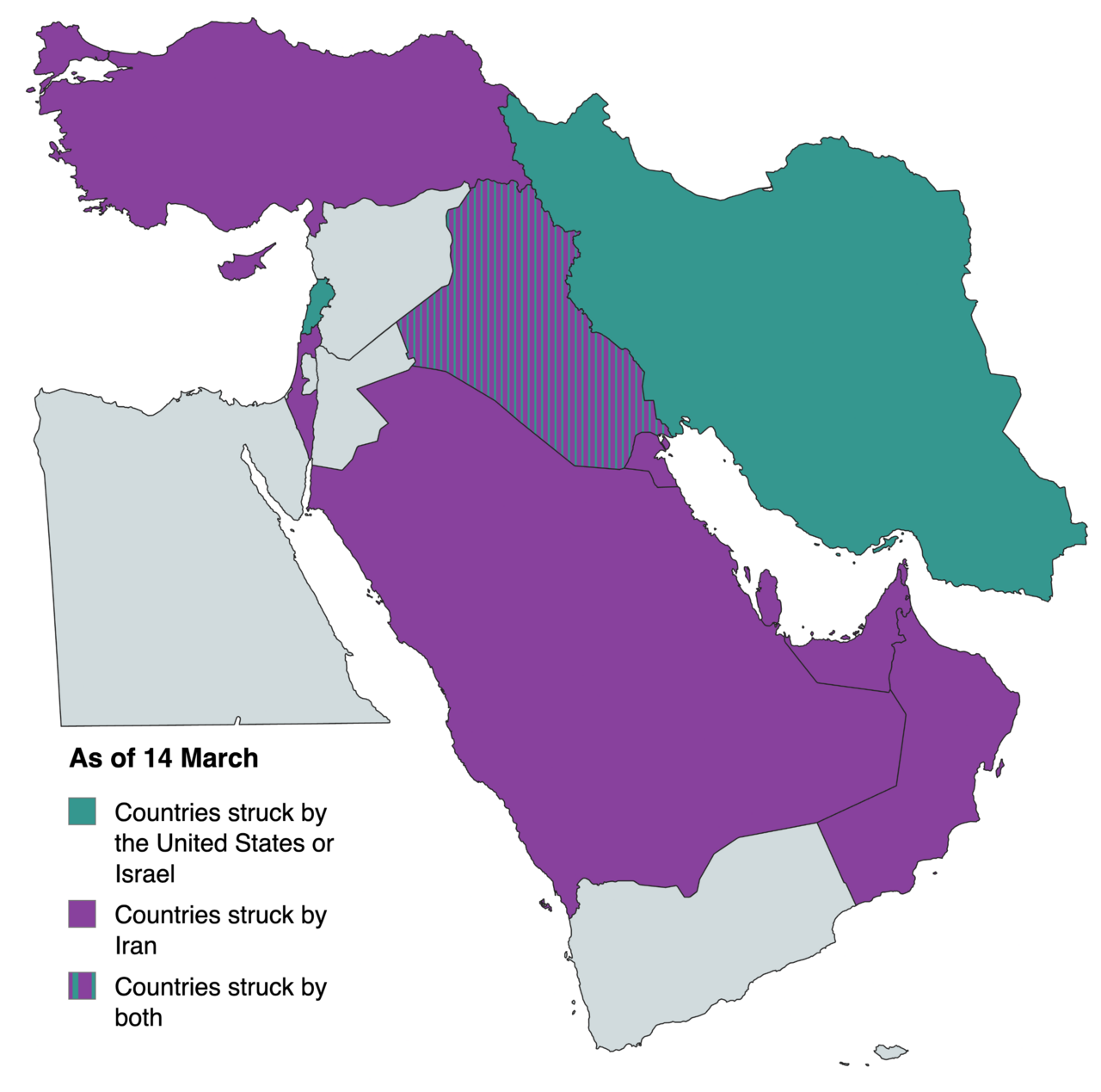
The recent collapse of Republican control over Congress has ignited a major political debate regarding the ongoing conflict with Iran. Following the crushing defeat in the midterm elections, Vice President JD Vance publicly singled out the Middle East engagement and the relationship with Israel as primary drivers of the GOP’s losses. This assertion has placed Donald Trump in a delicate position, forcing him to reconcile his steadfast support for the military action against Tehran with the political reality of voter backlash.
Contrasting Views on the Conflict’s Cost
Vance argued that the war is the fundamental reason for the party’s electoral failure, proposing several strategies to win back disaffected voters. These included terminating the current military operations in Iran, addressing the rising cost of living, and re-evaluating America’s alignment with Israel. While Trump acknowledged that the conflict was ‘a piece’ of the political damage, he strongly defended the necessity of the military intervention. He maintained that the action was justified because it prevents Iran from achieving nuclear capability, stating he would repeat the decision even if it meant electoral loss.
Political Ramifications and Policy Shifts
The divergence between the two senior Republicans adds a layer of complexity to Washington’s policy planning. Vance’s remarks have complicated the deliberation process as US officials consider whether to initiate new major combat operations against Iran. Furthermore, the political heat is intensifying for senior Pentagon figures, including Defense Secretary Pete Hegseth, who is already facing significant unpopularity within Congress and potential impeachment proceedings.
Meanwhile, the Democratic majority, having secured control of both chambers, has indicated its intention to pursue an end to the Iran conflict as part of a wider affordability initiative. This shift reflects deep voter frustration, particularly in conservative areas, where high gasoline prices and the general cost of living were cited as key factors fueling the Democratic surge. Critics, both conservative and liberal, have challenged Vance’s focus, with some commentators dismissing his claims as ‘nonsense’ while others pointed out that his narrative overlooked other economic and governance issues, such as tariffs and corruption.
The ongoing debate underscores a profound national division: whether the strategic imperative of preventing nuclear proliferation outweighs the immediate economic anxieties and political costs borne by the American electorate. As the legislative landscape shifts, the question of the conflict’s future remains one of the most contentious issues facing the nation.
World Views
Comedian Jeff Garlin Declares Staunch Zionist Identity in Candid Podcast Appearance

Veteran comedian and actor Jeff Garlin has opened up about his Jewish heritage and political convictions in a recent podcast interview, asserting his pride and commitment to Zionism. The actor, known for his roles in popular sitcoms like ‘The Goldbergs’ and ‘Curb Your Enthusiasm,’ discussed the complexities of modern Jewish identity, addressing everything from his personal life to the rising tide of antisemitism.
Unwavering Political and Cultural Stance
In a candid discussion for the ‘People Jew Wanna Know’ podcast, Garlin made explicit statements regarding his political alignment. Teaser clips released for the upcoming episode showed the Chicago native declaring his support for Israel and proudly identifying as a Jew and a Zionist. Beyond political declarations, the actor also shared personal insights, including how he sought divine guidance before meeting his partner, Sari Tracht.
The Conflict Between Pride and Practice
Despite his deep cultural pride, Garlin offered a surprising critique of traditional religious practice. While affirming his identity, he expressed discomfort with the conventional environment of the synagogue. He stated that the required rituals of sitting and standing within the temple setting often make him feel overwhelmed, suggesting that he would be much more devout if the setting were less structured. This viewpoint contrasts with his earlier public demonstrations of cultural observance, such as lighting Hanukkah candles during media appearances.
Addressing Rising Antisemitism
The conversation also touched upon the pervasive issue of hatred directed at Jewish people. Garlin has been vocal about this topic in the past, participating in awareness initiatives to combat prejudice. He previously voiced his confusion regarding the hostility faced by his community, questioning why people would target him and his people when he holds no animosity toward them. This commentary reflects a broader discussion among many in the diaspora regarding the increasing intensity of anti-Jewish sentiment globally.
Synthesis of Identity in the Modern Age
Garlin’s willingness to discuss these multifaceted aspects of his identity—the political, the personal, and the spiritual—underscores a growing trend of open dialogue among public figures. By balancing declarations of national pride with critiques of religious formality, the comedian provides a complex portrait of a modern Jew navigating cultural expectations and contemporary political realities. His candor serves as a powerful commentary on how identity is expressed in a highly scrutinized public sphere, bridging personal belief with national allegiance and social commentary.
