



Features
Can Multi-Generational Trips Avoid Transit Burnout
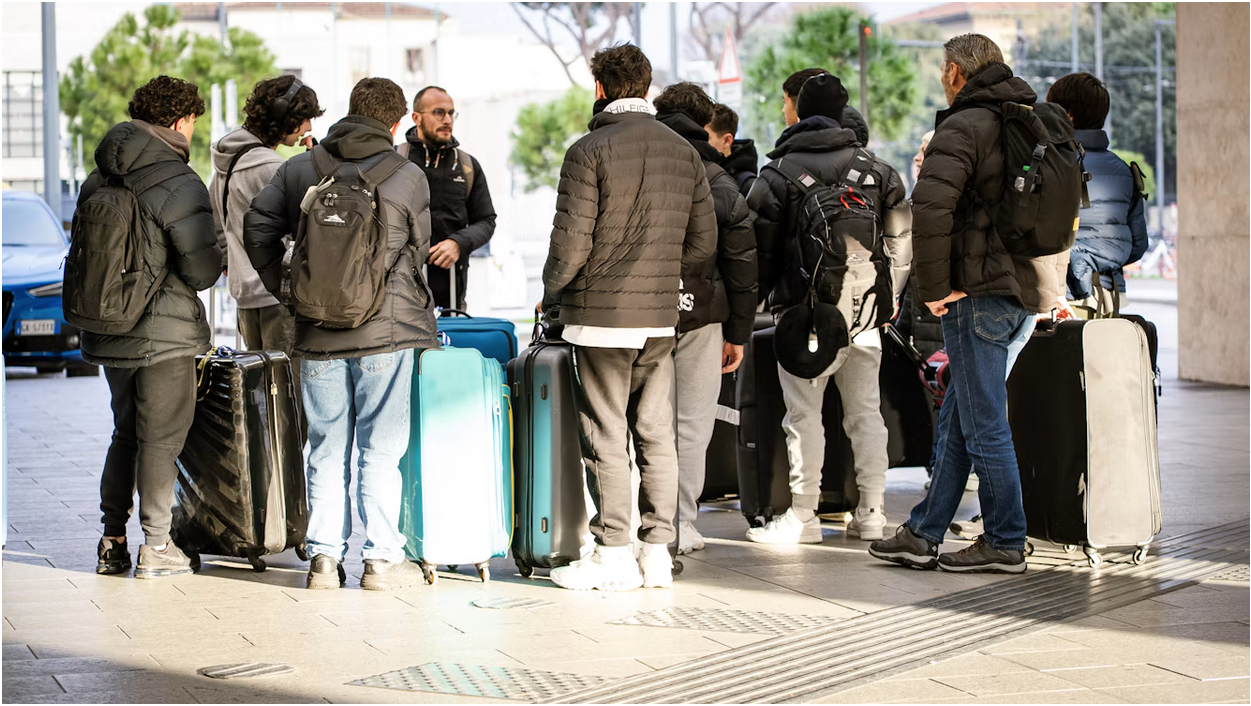
A multi-generational trip can bring children, parents and grandparents together, but frequent transfers can quickly drain the group’s energy. Long station walks, tightly timed connections and heavy bags often create more tension than the attractions themselves.
The best defence against transit burnout is a schedule shaped around the group’s real abilities. Families should discuss mobility, sleep routines and personal priorities before booking. Expectations need to be clear before everyone leaves home. Once those needs are visible, the itinerary can leave room for both shared experiences and individual breaks.
Pacing Itineraries for Varied Energy Levels
Start with one main activity each day, then treat everything else as optional. A museum visit at 10 a.m. followed by lunch and a free afternoon will usually work better than three timed attractions spread across a city. Younger children may need a nap, grandparents might welcome a quiet café and teenagers could want time to explore nearby shops.
Travel days deserve even less structure. If a train arrives at noon, avoid booking a guided tour for 1:30 p.m. Delays, station exits and the trip to the accommodation can easily consume that margin. Choose a flexible afternoon activity such as a public garden, waterfront walk or neighbourhood market. Anyone who feels tired can return early without causing the group to miss a reservation.
Build recovery periods into longer trips as well. After two busy sightseeing days, schedule a slower morning or a full day without tickets. The practical advice in this guide to a multi-generational road trip also supports involving the whole family in the planning process. Ask each traveller to name one priority and one activity they’re comfortable skipping.
A shared digital calendar can keep the plan visible, but a printed one-page schedule helps family members who prefer paper. Mark fixed bookings, walking times and rest periods clearly. When everyone knows which parts are flexible, a change feels like an expected adjustment instead of a disappointment.
Reducing Gear Hassles on Transfer Days
Pack so each adult can manage their own essential items without depending on the strongest person in the group. One wheeled case and one small day bag per traveller is a useful limit for many city trips. Children can carry a light backpack containing a sweater, snack and activity, though an adult should still have space to take it if needed.
Keep medicine, identification, chargers and one change of clothing in personal bags. Checked luggage, hotel rooms or vehicle compartments may not be available when those items are needed. A small packing cube for each family member also makes short stays easier because nobody has to unpack an entire case to find socks.
Temporary storage can solve the awkward gap between accommodation checkout and an evening departure. For example, families passing through central Edinburgh can reserve Edinburgh Waverley luggage storage through an online booking network. This allows travellers to spend their final hours visiting a nearby attraction or having lunch without pulling suitcases over uneven streets.
Assign transfer-day roles before leaving the hotel. One adult can hold tickets and confirm the platform, another can count bags and a third can stay with children or anyone who walks more slowly. Avoid changing those roles halfway through a crowded station unless necessary.
Before each transfer, check the route from the platform to the next transport connection. A ten-minute walk on a map may involve stairs, busy crossings or a large station concourse. That detail determines how much time the family actually needs.
Accessible Stops Near Major Attractions
Choose rest stops before anyone becomes exhausted. Look for cafés, libraries, public gardens and indoor seating within a short distance of the main attraction. A planned 30-minute break can prevent a rushed search for washrooms or chairs when someone is already uncomfortable.
Accessibility information should come directly from the attraction or local transit operator. Check for step-free entrances, elevators, accessible washrooms and seating inside exhibits. If a family member uses a mobility aid, call ahead to ask where taxis or accessible vehicles may drop passengers. Photos on mapping services can also reveal steep approaches and cobblestones that a standard route description may overlook.
Keep the group’s walking radius realistic. A kilometre may feel easy at home, yet it becomes harder after several hours in a gallery or while supervising young children. Consider a simple hub plan: visit one major site, eat within two blocks and select a nearby park or smaller attraction for the afternoon. This reduces repeated boarding, waiting and transfers.
Weather matters too. Heat, cold and rain can change a manageable route into a tiring one. Carry water and sun protection during warm months, then identify an indoor backup before leaving the accommodation. On wet days, pick attractions connected by a direct transit route and avoid schedules that require multiple changes.
Finally, agree on a regrouping point in case the party separates. Choose a specific entrance, ticket desk or café instead of saying “outside.” Give older children and adults a card containing the accommodation address and one family contact number.
Creating Meaningful Shared Memories Together
Shared memories often come from participation, not from covering the longest list of landmarks. Invite family members to take turns selecting a meal, photo stop or short activity. A grandparent might choose a historic neighbourhood, a child could pick an aquarium exhibit and an adult sibling may arrange a family portrait. That balance gives everyone some ownership of the trip.
Families also use shared travel to pass along stories and strengthen connections across generations. RBC Wealth Management’s discussion of multi-generational travel legacies highlights how experiences can support family bonds and shared values. You can bring that idea into an ordinary holiday by asking relatives about previous visits, childhood trips or family traditions connected to a place.
Keep memory-making simple. Ask one person each day to record three details: something funny, something unexpected and something the group learned. Children can collect ticket stubs or draw a favourite sight, while adults add captions to a shared photo album. Guidance on creating lasting travel memories also emphasizes the value of experiences that family members can remember together.
Allow smaller groups to split up without guilt. Two relatives may enjoy a long gallery visit while others rest at the accommodation. Everyone can reunite over dinner and exchange stories, giving the day a shared ending without demanding identical energy levels.
Before heading home, choose one photo together and ask each person to describe what happened around it. Years later, those details will matter more than the number of attractions checked off the schedule. A trip that leaves space for conversation, rest and unplanned discoveries has a much better chance of being remembered for the family time, not the tiring transfers.
Features
Japanese hair straightening treatment at Sets on Corydon

Here are 2 videos showing hair straightening and hair bonding techniques at Sets on Corydon.
Features
What Makes an Online Gaming Platform Transparent and Trustworthy?
Online gaming has become a familiar part of Canadian entertainment, bringing together people who enjoy everything from competitive esports to casual multiplayer games. What began as a relatively small industry has developed into a major part of the country’s digital economy, with Canadian studios creating games enjoyed around the world.
As gaming platforms continue to expand, players have become more interested in the services behind their favourite titles. The quality of the gameplay still matters, naturally, but so does knowing how a platform operates, what information it collects and what customers can expect when creating an account or purchasing digital content.
Transparency begins with clear information
A trustworthy gaming platform should explain its services in language that customers can understand. Subscription charges, optional purchases, account settings and the conditions attached to digital products should be available before anyone makes a decision.
Canadian consumers are already familiar with similar expectations in other online services, including streaming subscriptions, digital marketplaces and mobile applications. Different industries operate under their own requirements, but providing accessible information remains an important part of building public confidence.
Canada’s approach to digital entertainment also reflects the country’s broader regulatory structure. Consumer privacy, commercial transactions and entertainment services can involve different federal or provincial requirements, depending on the activity. A similar approach can be seen in other areas of digital entertainment, where clear rules help customers understand how different services operate. The framework outlined in the guide to Canadian gambling regulations, for instance, shows how provinces establish their own requirements and standards, providing a structured environment for entertainment services across Canada.
Although these regulations concern a different industry, they demonstrate how Canadian digital services can operate within clearly defined frameworks. For ordinary video gaming platforms, transparency is more directly reflected in understandable terms of service, clear payment information and accessible privacy policies.
Canada’s growing gaming industry
Canada has developed a substantial video game industry, with studios operating in Montreal, Toronto, Vancouver and other cities. According to a September 2025 report by Statistics Canada, the country’s video game industry has experienced significant growth, with the number of gaming companies more than doubling from 775 in 2013 to 1,628 in 2022, contributing to Canada’s expanding technology sector.
This popularity extends beyond commercial gaming. Online tournaments, multiplayer communities and gaming clubs have also become ways for people to connect through shared interests. Jewish community initiatives such as Lost Tribe Esports have demonstrated how gaming can bring geographically separated participants together through organised activities and friendly competition.
The growth of these communities has made the quality of digital platforms increasingly important. Clear rules, understandable account settings and reliable communication can help create an environment where people feel comfortable participating.
Privacy and account protection matter
Creating an account is now a routine part of online gaming. Many platforms allow customers to save progress, maintain friends lists, participate in multiplayer sessions and access purchased content across several devices.
These features involve managing personal information, making privacy policies an important consideration. The Office of the Privacy Commissioner of Canada provides guidance on meaningful consent, encouraging organisations to explain what information they collect, why they need it and how it may be used.
For gaming services, these principles can be reflected in straightforward account controls, understandable privacy notices and clear explanations of optional features. Players should be able to review their preferences without having to search through complicated menus.
Building confidence through community
Online gaming is also a social activity, particularly in multiplayer titles where participants regularly communicate and cooperate. A welcoming community depends partly on the tools provided by the platform, including moderation features, community guidelines and accessible support channels.
These considerations are relevant to Canadian gaming communities of all sizes, from local esports clubs to international networks that help people maintain connections across considerable distances.
Good platforms also communicate changes clearly. When a game introduces new features, updates its subscription options or adjusts its community guidelines, providing accessible explanations helps customers understand what has changed.
Ultimately, trustworthy online gaming services are built through everyday practices rather than impressive promises. Clear information, reliable account features, reasonable community standards and transparent policies all contribute to a positive gaming experience.
As Canada’s gaming industry continues developing, these qualities can help ensure that digital entertainment remains accessible, enjoyable and welcoming to the diverse communities that participate in it.
Features
The Residences at Linden Pointe – Winnipeg’s newest retirement community for the 55+ crowd

By BERNIE BELLAN Situated in the beautiful neighbourhood of Linden Pointe, The Residences of Linden Pointe, which will soon be opening in 2027, is now accepting reservations for tenancy.

Located just one block south of McGillirvay Boulevard and just a short distance from Kenaston Boulevard), The Residences will provide a host of amenities included with the rent that are sure to appeal to individuals and couples who want to enjoy their retirement years in stylized comfort.
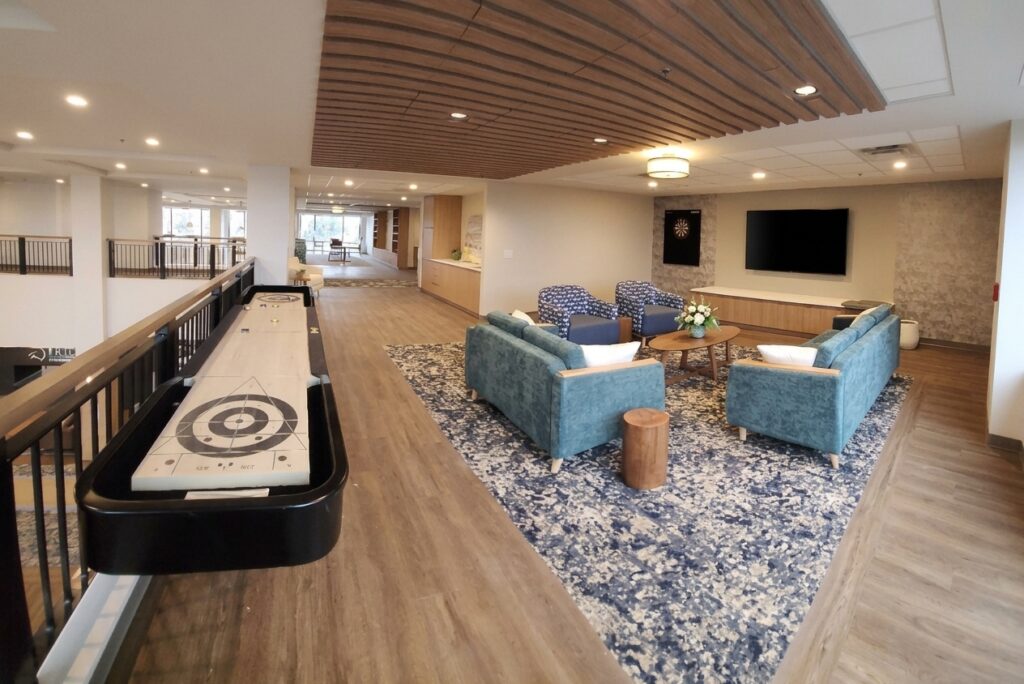

Here are just some of the services that will be included with the rent:
• Restaurant-Style Dining
• Movie Theatre
• Resident Fitness Room
• Game, Art, and Activity Spaces
• Salon and Spa Services
• Housekeeping
• Utilities Included
• Cozy Resident Lounge and Social Areas
• Secure Storage Lockers
• Outdoor Patio and Garden Spaces
• Pet Friendly w/ Dog Wash Station
• Underground Parking
• In Suite Laundry
• Full Kitchens


As the information brochure for The Residences explains, it will be “redefining retirement living in Winnipeg. Our vibrant community aims to offer the perfect balance of modern features and warmth, where active adults can fully embrace the freedom of independent living. At The Residences, you’re free to enjoy the amenities, activities, and community knowing that a helping hand is always nearby if you need it.”
With a choice in suites, from junior suites to 2 bedroom units, The Residences will be attractive for both singles and couples.





But, in case you thought The Residences would be somewhat akin to a nursing home, the truth is it will be far from that. “Independent Living is designed for active, self-sufficient seniors who want a lifestyle with fewer responsibilities — not medical care. At The Residences, independent living is finding an engaging community and living your best life now with all of the amenities to give you more time and freedom.”
With many built-in social activities, clubs, and shared spaces to help people make friends, The Residences will be a true community.
To read more about what The Residences will have to offer you can call: 431-778-4636.
You can also click on this pdf (or download it to make it full size):
