



World Views
Tehran Celebrates US Electoral Shift Amid Escalating Regional Military Tensions
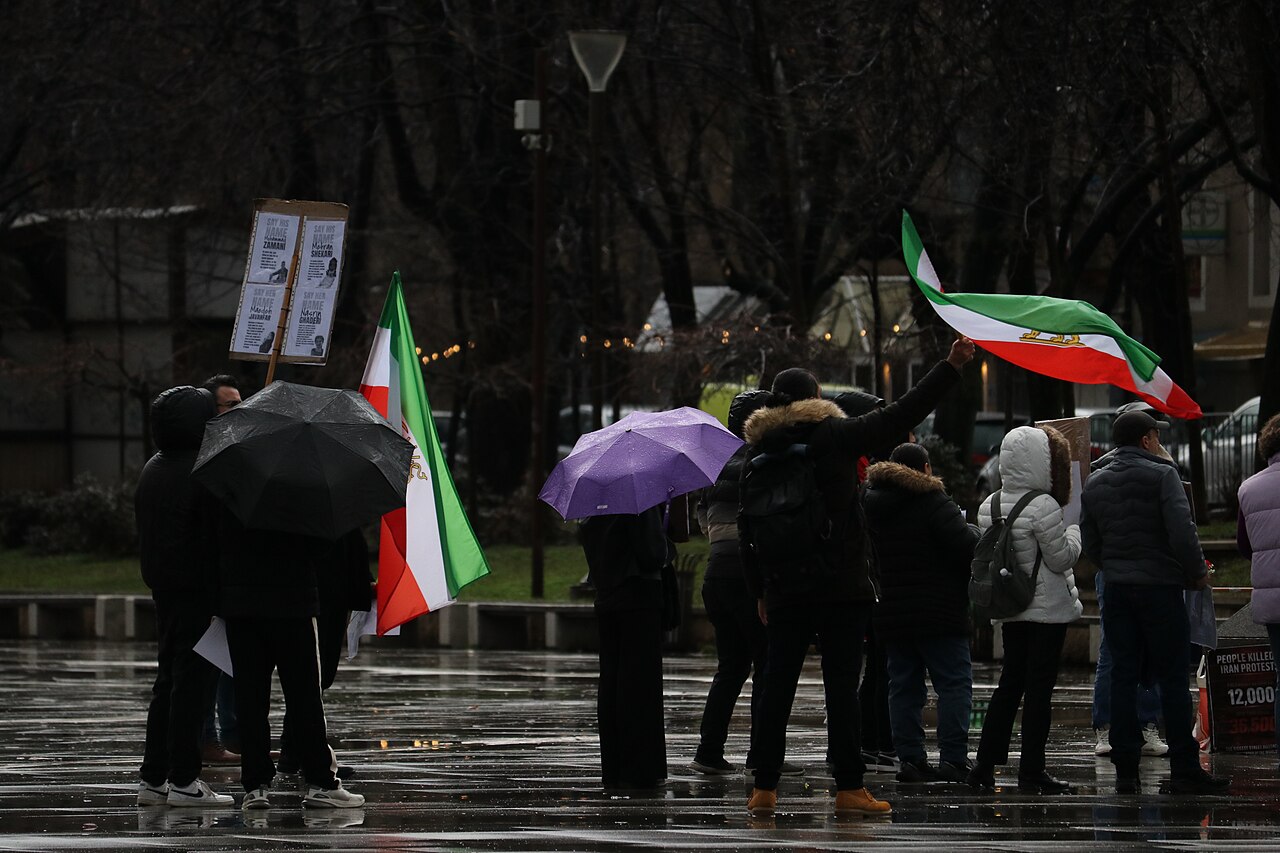
Iran’s government has publicly expressed satisfaction over the recent American midterm election results, interpreting the democratic shift as a decisive rejection of the military actions initiated by Donald Trump. While celebrating the electoral victory of Democratic candidates, Tehran maintains a state of high alert, expressing deep concern that the former US President could seek to compensate for the political setback with renewed military strikes. The Iranian response signals a complex geopolitical moment: a moment of perceived national triumph juxtaposed against the persistent, high-stakes threat of regional conflict.
The Diplomatic and Political Fallout
Iranian officials, including Parliament Speaker Mohammad Baqer Qalibaf, utilized social media to endorse the electorate’s choice, stating that the American public had rejected the notion of war. This sentiment was amplified by state-run media, which linked the election timing to the anniversary of the 1979 embassy seizure. However, the celebration is tempered by the rigid stance of the Supreme Leader, Mojtaba Khamenei, who warned that hostility from the United States would continue regardless of which political party holds power. Khamenei asserted that the end of American global dominance is imminent, dismissing any inclination toward compromise with Washington.
Regional Instability and Economic Pressure
The tensions are not confined to diplomatic rhetoric. Regional conflict has intensified across the Middle East, involving strikes between Iran-backed groups and Israel, and Houthi attacks on energy and airport infrastructure in Saudi Arabia. These military escalations, coupled with Tehran’s declaration of the Strait of Hormuz as closed, have severely disrupted global oil and gas trade, driving up international prices. Furthermore, the US naval blockade against Iran continues to inflict significant economic damage on the nation.
A Shadow Over Washington
Prior to the election, senior Iranian figures reportedly engaged in political maneuvers, deliberately extending talks with the US in an effort to undermine Trump’s political standing. The Iranian narrative suggests that Washington has been captive to Iran’s influence for decades. Despite these efforts, the diplomatic landscape remains precarious. Mediators are actively seeking a path to de-escalation, but the risk of renewed combat operations remains high, as Trump has indicated he has not ruled out resuming military action after the vote. Tehran, in turn, has signaled that it is prepared to retaliate more broadly should conflict restart, ensuring that the election results have not brought lasting peace to the region.
World Views
As Caribbean Health Systems Face Crisis, Israel Emerges as Strategic Partner in Regional Transition
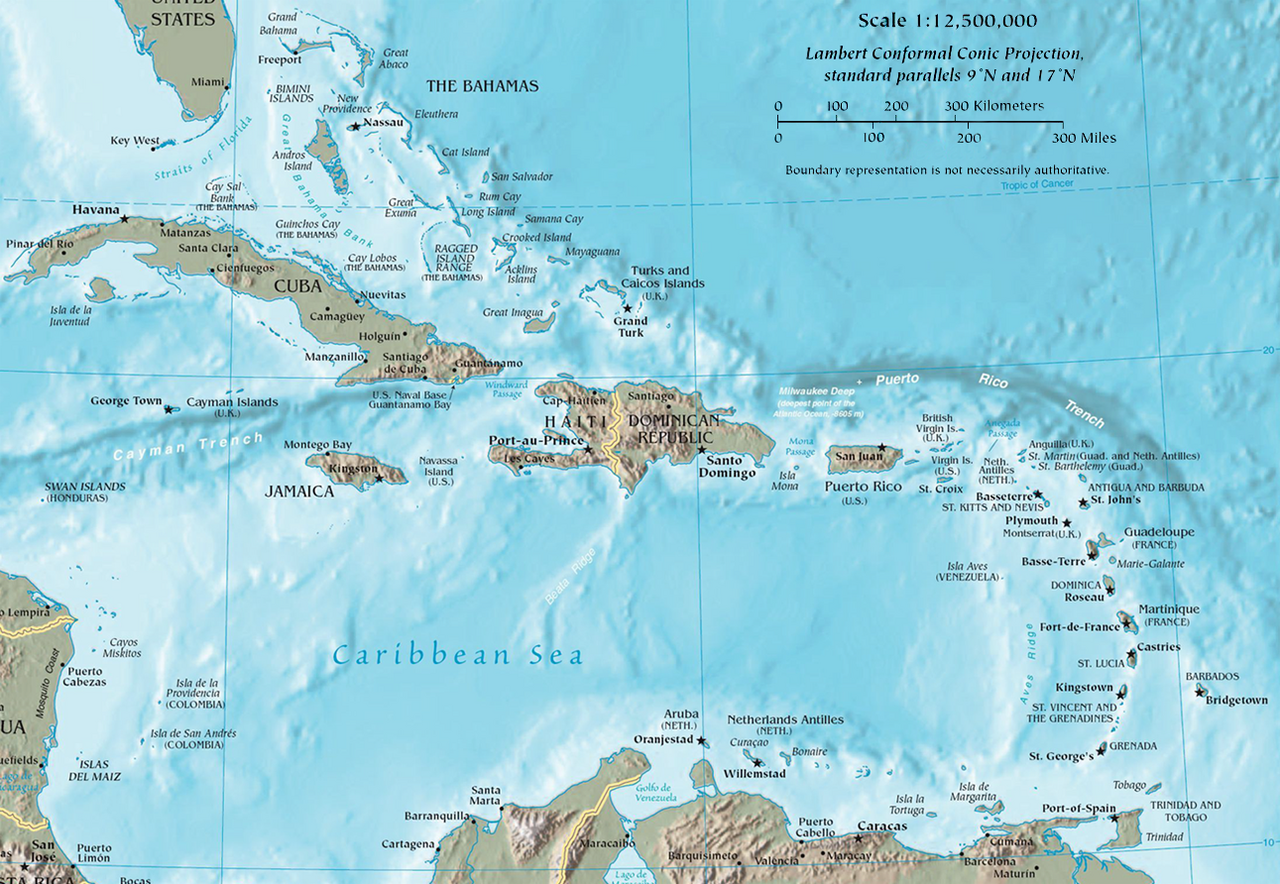
A significant geopolitical shift is underway across the Caribbean as Western Hemisphere nations begin dismantling decades-old medical cooperation agreements with Cuba. Driven by increased pressure from Washington, several regional governments are reviewing or phasing out state-run Cuban medical missions, citing concerns regarding labor practices and financial arrangements with Havana. This rapid transition, while aligning with U.S. policy goals, is simultaneously creating a substantial and immediate void in the essential healthcare services provided to local populations, placing immense strain on already fragile regional health infrastructures.
The Policy Shift and Regional Vacuum
The United States has actively urged Caribbean and Latin American countries to abandon these medical arrangements. In response, nations such as Guatemala, Bahamas, and Guyana have taken concrete steps to renegotiate or terminate contracts with the Cuban government. While some countries are finding new employment arrangements for the medical personnel, the overall movement signals a major overhaul of regional health diplomacy. Recognizing this challenge, the U.S. government has outlined a strategy to aid these nations, offering support for modernizing healthcare infrastructure, implementing telemedicine, and recruiting medical professionals from other countries.
An Unconventional Opportunity for Israel
Amidst this regional upheaval, a unique diplomatic and commercial opportunity is presenting itself for Israel. Unlike the United States, which is actively driving the discontinuation of these missions, Israel is not bound by an obligation to replace the services. This unique position allows the country to enter the dialogue as a strategic partner, rather than a mandated replacement provider. Israeli expertise in advanced healthcare technologies, including digital health, remote consultations, and hospital administration, offers a practical solution to extend the reach of existing local medical staff.
The focus, experts suggest, must remain on bolstering local capacity rather than simply substituting doctors with technology. However, Israel possesses established channels for implementation. Precedents exist, such as the swift assistance provided by Israeli medical teams to Jamaican hospitals following a major storm. Furthermore, institutional ties through the Inter-American Development Bank already link Healthcare Israel to Latin American and Caribbean digital health initiatives.
Expanding Diplomatic Horizons
By offering targeted clinical assistance and professional training, Israel can not only stabilize regional healthcare delivery but also achieve broader diplomatic goals. This cooperation provides a practical avenue to strengthen ties across the Caribbean and Latin America, potentially fostering mutual trust in areas previously overshadowed by political differences. The initiative could also unlock commercial opportunities for Israeli medical technology firms. As noted by commentators, this move could extend the spirit of practical, beneficial partnerships—similar to those fostered by the Abraham Accords—beyond the Middle East, transforming a regional health challenge into a powerful engine for international cooperation and goodwill.
World Views
Iranian Disillusionment Grows as US Signals Retreat from Military Campaign Against Regime
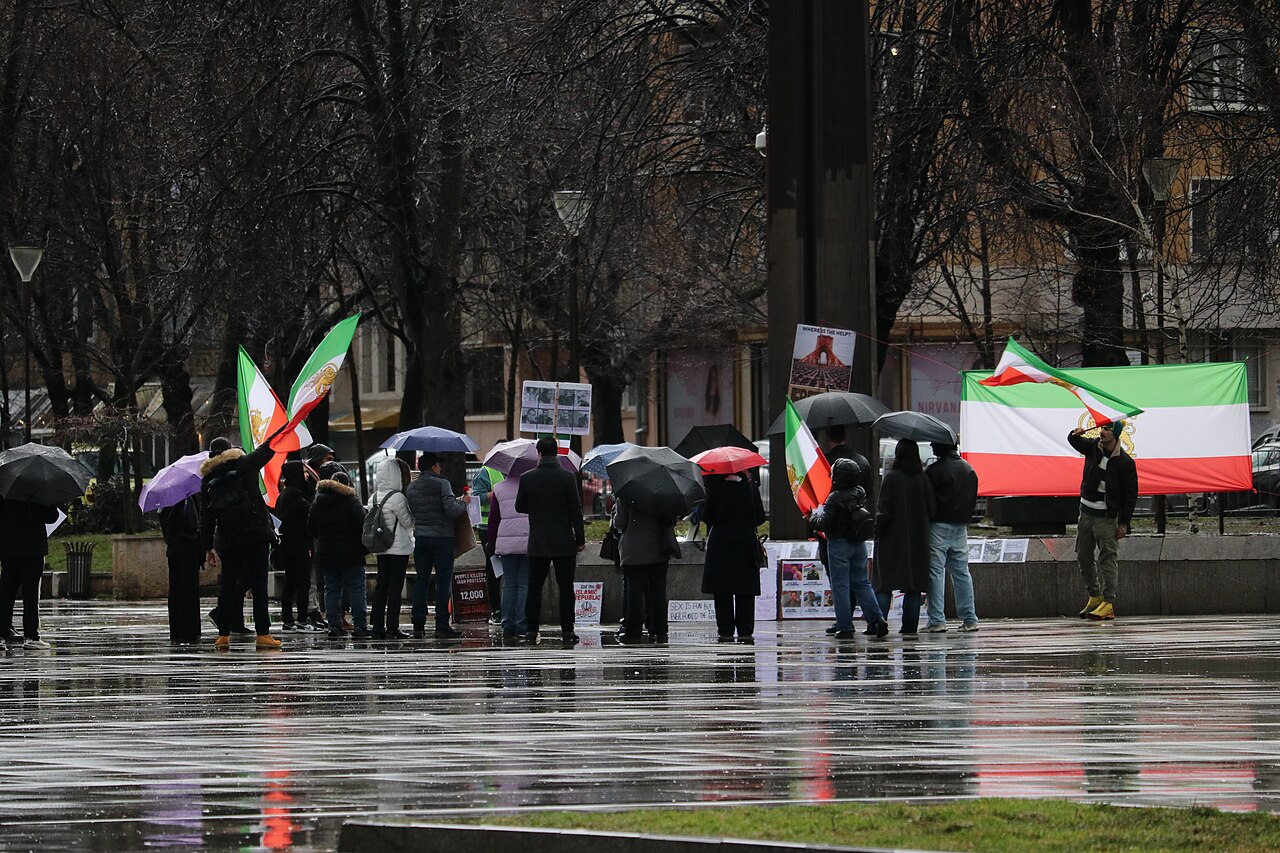
A growing sense of frustration and profound disappointment is sweeping through Iran as high-ranking American officials, including President Donald Trump, have indicated a reluctance to initiate further large-scale military operations against the Islamic Republic. For many Iranians who had pinned their hopes on American and Israeli military action to destabilize the ruling government and spark political transformation, the prospect of Washington stepping back has proven deeply disheartening.
The Unfulfilled Promise of Intervention
Many citizens in Iran, who have endured years of economic hardship and political repression, viewed the military involvement by the United States and Israel as a critical opportunity to weaken the entrenched authorities. Speaking with journalists, anonymous Iranian sources expressed deep disappointment, noting that the promises of regime change made by both the Trump administration and Israeli leadership had not materialized. These individuals, who have faced severe risks, including potential death penalty charges, highlighted that repeated internal efforts to challenge the government had been met with brutal force. Consequently, foreign intervention was seen by some as a final, desperate hope for systemic change.
Shifting Priorities in Washington
Recent statements from American officials suggest that additional military strikes may not be necessary, pointing instead to the effectiveness of the existing economic sanctions and the naval blockade imposed on Iranian ports. President Trump recently communicated that the conflict was, militarily speaking, ‘effectively over,’ though he maintained that American forces remained prepared to act if circumstances warranted it. This stance reflects a pivot in US strategy, prioritizing economic leverage and political stability over further kinetic military action. Furthermore, discussions involving regional mediators, such as Qatar, have been actively sought to de-escalate tensions between Tehran and Washington.
Diverging Views on the Future
While some Iranians feel discouraged by the administration’s move away from offensive action, believing the government should have been defeated by any means possible, others remain resolute. These individuals argue that while the regime’s military strength has been diminished by the conflict, a lack of continued external pressure would allow the government to rebuild its capabilities, potentially endangering global stability. This highlights a critical divergence: Washington appears to be calculating the political and economic costs of continued involvement, while many Iranians still view sustained American pressure as essential to preventing the Islamic Republic from restoring its power. Meanwhile, Iran has issued warnings that it is ready to retaliate against critical infrastructure across the Middle East, keeping the possibility of renewed confrontation highly unresolved.
World Views
Senator Cruz Challenges Vance’s Narrative on U.S.-Israel Ties After Midterm Losses
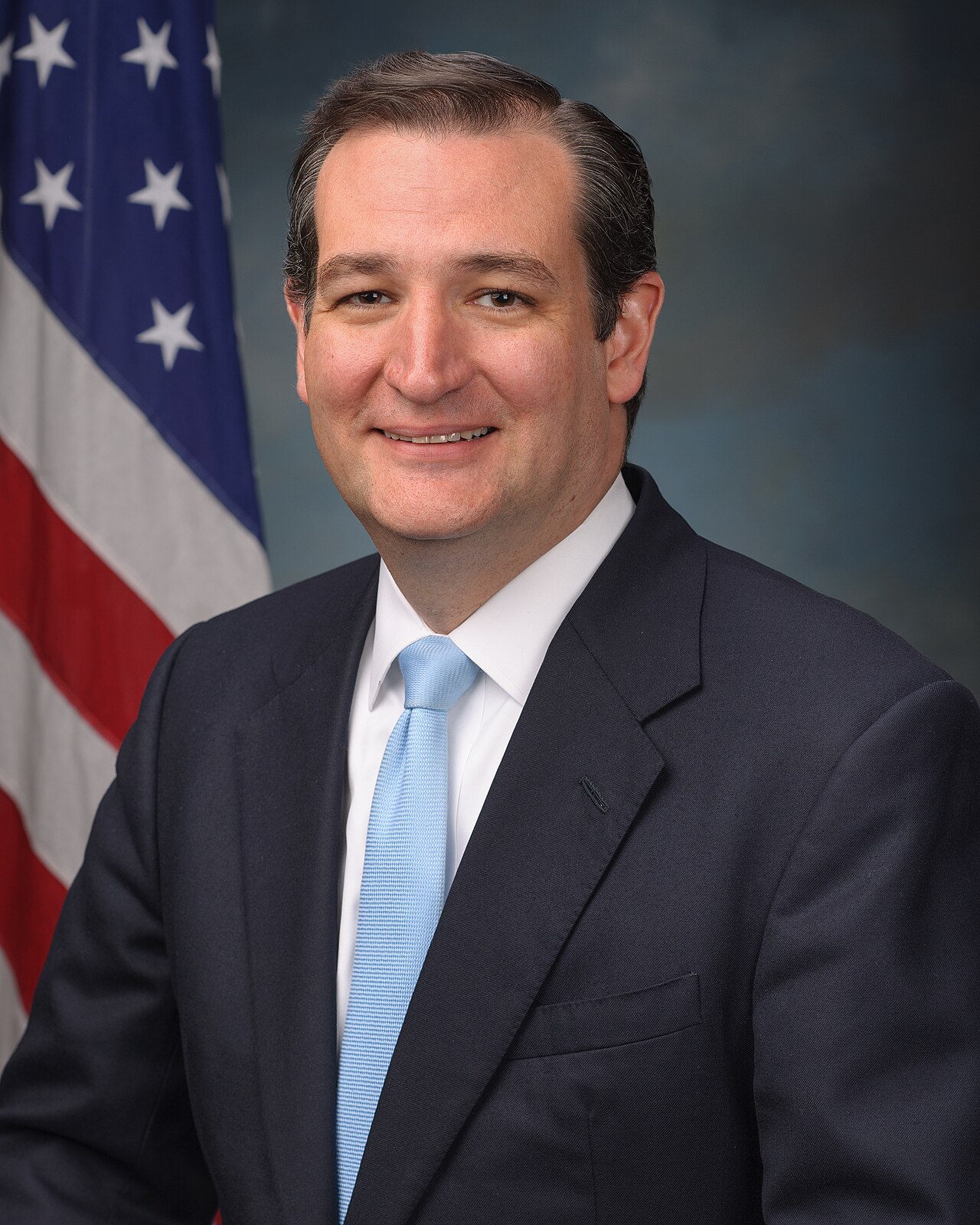
Texas Senator Ted Cruz publicly refuted Vice President JD Vance’s post-election assessment, arguing forcefully against the notion that the relationship between the United States and Israel contributed to the Republican Party’s significant electoral setbacks during the recent midterm elections. The disagreement surfaced during a recent gathering at the Jewish Leadership Conference in Manhattan, where Cruz strongly rejected the premise that the electorate gave a mandate to shift away from support for Israel.
Ideological Clash Over Foreign Policy
The political sparring occurred when Jonathan Silver, a senior executive at the conservative Tikvah Fund, questioned Cruz regarding Vice President Vance’s perceived efforts to foster an isolationist and anti-Israel faction within the party. Cruz responded by directly challenging the Vice President’s viewpoint, stating that anyone interpreting the election results as a directive to abandon Israel was fundamentally misreading the political landscape. Vance had previously referenced polling data indicating that some defecting Republican voters wished to alter the current dynamic of U.S.-Israel relations.
Rising Extremism and Political Warning
While the exchange centered on foreign policy, Cruz used the platform to raise a persistent alarm about the escalating presence of anti-Israel and antisemitic rhetoric, noting that this trend is visible across the political spectrum. He has been voicing these concerns for over a year. Cruz cited prominent figures on both the left and the right—including Mayor Zohran Mamdani and Senator-elect Abdul El-Sayed on the left, and Tucker Carlson, Candace Owens, and former Representative Marjorie Taylor Greene on the right—as examples of this growing polarization.
The Senator warned that these right-wing voices are gaining substantial influence. He estimated that a significant portion of young conservative individuals are receptive to their messages, projecting a grim future where both major political parties could become unapologetically anti-Israel and antisemitic within the next five years. This sentiment aligns with the work of groups like Front Line, which supports Cruz and funds advertising campaigns aimed at making antisemitism unacceptable within the Republican Party.
A Call for Political Vigilance
Cruz’s intervention underscores a deepening internal conflict within the GOP regarding its foundational commitment to Israel. The Senator’s remarks serve as a stark warning to his political base, suggesting that the concerns over ideological drift and extremism are far from resolved, regardless of the party’s recent electoral performance.
