



World Views
Michigan Jewish Communities Reveal Political Fracture Amid Israel Policy Debate
A recent analysis of precinct-level election results in Michigan suggests a significant and troubling shift among voters in the state’s heavily Jewish communities. Despite the Democratic nominee, Abdul El-Sayed, securing a statewide victory, data indicates that his candidacy faced considerable electoral headwinds in areas with large Jewish populations. The core of this political divergence appears directly tied to his outspoken and sharply critical positions regarding Israel and the Middle East conflict.
Local Precincts Show Stark Divide
The data provides a striking snapshot of the tension between El-Sayed’s platform and the preferences of these specific communities. In Huntington Woods, a Detroit suburb where a substantial portion of residents are Jewish, El-Sayed’s performance lagged considerably behind that of the Democratic gubernatorial nominee, Jocelyn Benson. The gap in support reached nearly 15 percentage points in that area. Similarly, in West Bloomfield, another heavily Jewish suburb, El-Sayed trailed Benson by over eight percentage points.
The controversy surrounding El-Sayed was multifaceted. His public calls to end American military aid to Israel, his characterization of the military campaign in Gaza as a ‘genocide,’ and his initial handling of a deadly attack on a local synagogue—where he minimized the event—generated substantial community backlash. Even after issuing an apology months later, these issues created a palpable rift within the Democratic coalition.
The Electoral Cost of Policy
While some surveys indicated that a majority of Jewish early voters still supported El-Sayed, the precinct-level performance suggests that his stances imposed a meaningful electoral liability. Analysts argue that Israel policy has become an independent and powerful voting consideration for Jewish Democrats. This internal conflict led to notable ruptures within the party itself; for instance, a previously competing Democratic politician withdrew her endorsement to support a Republican candidate, citing concerns about antisemitism and the rhetoric surrounding Israel.
The Michigan results offer a critical case study for the Democratic Party heading into future cycles. The evidence suggests that while El-Sayed maintained support from certain constituencies, his appeal did not translate uniformly across the Jewish electorate. His performance in these specific communities contrasts sharply with his strong showing in areas with large Muslim populations, illustrating how the Israel debate is actively shaping competing groups within the Democratic electorate. As the party looks toward 2028, these findings underscore the growing difficulty of unifying the coalition when fundamental foreign policy disagreements persist.
World Views
Beyond the Ballot Box: Iranian Public Views US Election Through Lens of Regime Change
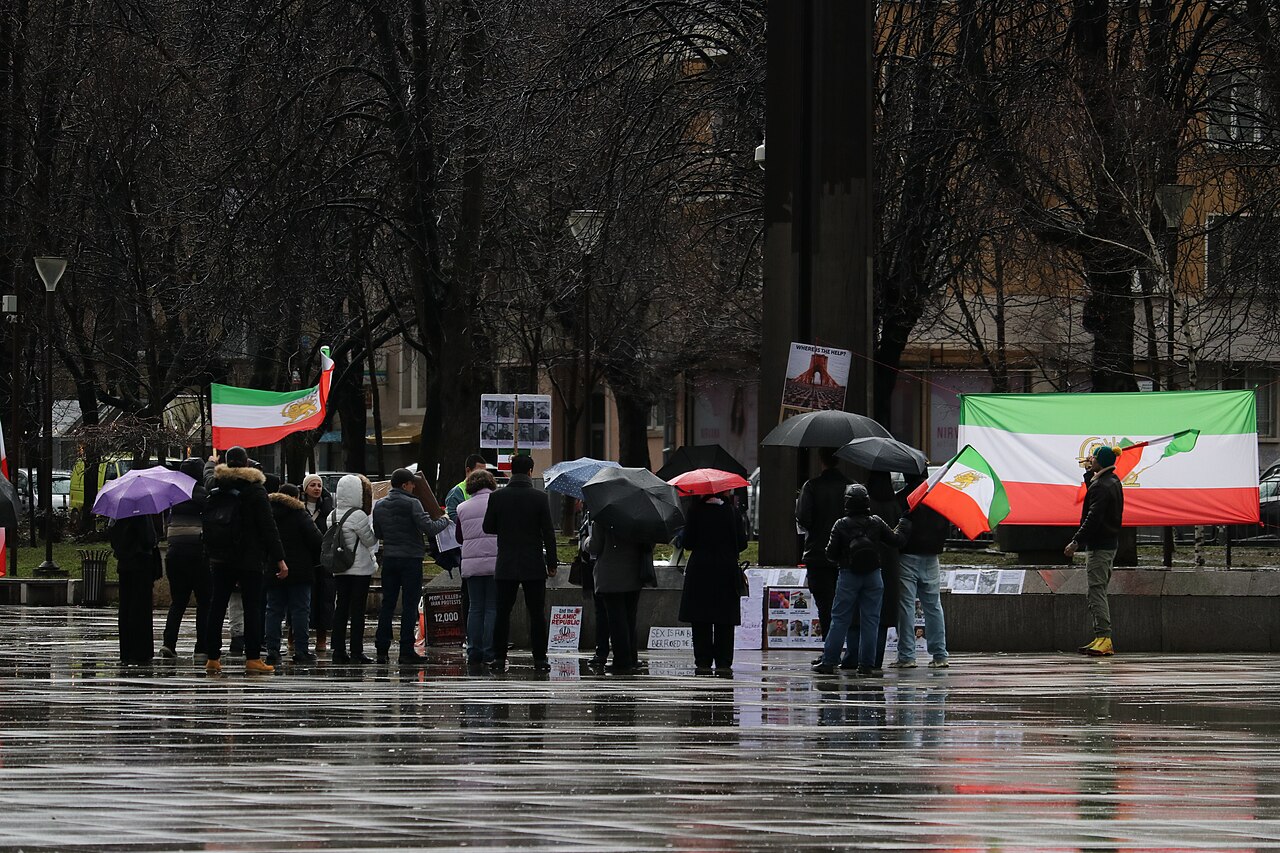
While the Iranian government has publicly celebrated the recent Democratic Party successes in the United States as a decisive rejection of former President Trump’s aggressive policies toward Tehran, the reality on the ground among ordinary Iranians paints a much darker, more complicated picture. Interviews conducted inside Iran reveal a profound skepticism regarding the power of American political shifts to fundamentally alter the trajectory of the Islamic Republic.
Disappointment and Skepticism Over Washington’s Influence
The official narrative from Tehran, which has interpreted the electoral outcome as a victory for opposition to military action, sharply contrasts with the sentiments expressed by citizens. Many Iranians voiced a deep sense of disappointment, regardless of which party secured control of Congress. For many, the central issue transcends the partisan split; they are primarily concerned with which political force in Washington is best positioned to exert meaningful pressure on the authoritarian regime.
Amir, a high school educator, emphasized that the foreign policy decisions made by the United States directly impact their lives, expressing doubt that the Democratic platform possesses the necessary leverage to challenge the Iranian government. Similarly, Neda, a university student specializing in international relations, admitted her hopes lay with a tougher stance from the Republican party, stating that only that political faction could effectively dismantle the current regime. This reflects a widespread expectation that a more confrontational American approach is necessary for change.
A History of Betrayal Shapes Expectations
This disillusionment is rooted in a deep historical memory. Hassan, a civil engineer, drew a parallel between the political choices of the American electorate and the complex coalition that led to the 1979 Iranian Revolution. He suggested that, much like the diverse groups who opposed the monarchy, Americans might be making a similar error by trusting political alliances that ultimately consolidate power in the hands of the clerical establishment.
This historical perspective is powerfully echoed by Arash, a local business owner, who remains deeply wary of political cooperation between liberal and Islamist factions, citing past events where initial allies were systematically sidelined by the ruling powers. For these Iranians, the stakes are intensely personal—concerning economic hardship, restrictions on personal freedoms, and the general uncertainty facing their nation.
The Primacy of Internal Change
Even as the United States faces internal political rivalries, the focus for many Iranians remains fixed on the future of their own country. Mahsa, a nurse from Tehran, indicated that she still wishes for the current president to continue his efforts, illustrating a distinction between American electoral results and their desired outcome for Iran. The collective sentiment suggests that whether Democrats or Republicans win is secondary to the fundamental question: can any political development in Washington ultimately help the Iranian populace regain control over their destiny?
World Views
Irish Medical Association Pushes Boycott of Drugmaker, Sparking Fears Over Patient Access

A significant ethical debate is unfolding within Irish healthcare as a prominent medical consultants group has advanced a motion advocating for a boycott of Teva Pharmaceuticals, one of Israel’s largest drug manufacturers. This initiative, driven by international scrutiny surrounding the conflict in Gaza, raises serious concerns about the stability of medicine supply and patient access across Ireland. Teva is a major supplier, providing products that account for a substantial portion of prescriptions within the country’s public health system.
The Call for Ethical Procurement
The Irish Hospital Consultants Association (IHCA), which represents specialists working in hospitals, recently endorsed a resolution urging its members to refrain from prescribing or utilizing Teva products when medically suitable alternatives exist. The motion stipulates that this decision must not compromise patient safety or disrupt existing medical treatments. Furthermore, the association pledged to support clinicians who choose to refuse Teva products for moral reasons, assuring them they would not face professional penalties or disciplinary action.
The IHCA stated that these actions stem from substantial ethical worries and global attention focused on the company amid the ongoing war in Gaza. The proposal, put forward by a pediatric orthopedic surgeon, emphasizes that ethical considerations should become a core component of how Irish hospitals and health institutions make decisions regarding pharmaceutical purchases. The surgeon, who has treated families affected by the conflict, expressed profound moral distress, asserting that it is unacceptable for the products he prescribes to potentially contribute, even indirectly, to further violence.
Economic Impact Versus Moral Imperative
The implications of this shift are considerable. Teva is one of the largest providers of prescription drugs to Ireland’s publicly funded health service, and its generic medicines are estimated to have generated substantial economic savings for the country. This introduces a sharp conflict between the moral demands of the anti-war movement and the practical necessity of affordable, readily available treatments for the general public. Industry data indicates that Teva’s generic offerings saved the nation millions of euros in the years leading up to 2018.
International Precedent and Legal Warnings
This debate is not unique to Ireland. Similar actions have been observed in the United Kingdom, where professional bodies representing nurses and pharmacists have ended collaborations with Teva UK due to conflicts with their institutional values. However, legal advocacy groups in the UK have sharply criticized these decisions, warning that healthcare organizations must maintain political neutrality. They argued that professional bodies should not allow themselves to become tools for political boycotts, asserting that their primary duty remains the advancement of patient care.
As the IHCA’s motion moves forward, the focus shifts to how Irish institutions will balance the growing pressure from international campaigns to isolate the Israeli drugmaker against the fundamental mandate of ensuring continuous and accessible care for all patients.
World Views
Political Tsunami: Eisenkot Mandate Looms as Compromise Shifts Dynamics in Israeli Government Talks
Israeli President Isaac Herzog is set to formally designate a candidate to lead the nation’s next government on Sunday, following a significant shift in parliamentary support. Yashar party leader Gadi Eisenkot has secured the backing of 67 members of the 120-member Knesset, positioning him as the frontrunner to receive the mandate, despite considerable internal challenges facing his potential governing coalition.
The Momentum Shifts to Eisenkot’s Bloc
The endorsement figures represent a major turning point, with Eisenkot garnering far more support than the incumbent Prime Minister, Benjamin Netanyahu. Eisenkot has called for the immediate establishment of a national emergency government, arguing that the current political climate poses a severe threat to the stability and democratic foundations of Israel. He has outlined several core principles for any new administration, including recognizing the nation as a Jewish, democratic, liberal, and egalitarian state, and demanding universal military or national service for all citizens.
Coalition Hurdles and Unexpected Pivots
While Eisenkot has strong backing from various factions, translating parliamentary support into a functional governing coalition remains complex. The opposition is divided between a Jewish-led bloc and a separate, smaller Arab-led grouping. A major obstacle has been the reluctance of several Jewish-led parties to join a government that would include Arab lawmakers. However, a critical development has emerged: Yisrael Beytenu leader Alexander Lieberman has indicated a willingness to compromise with ultra-Orthodox factions. This signals a potential breakthrough, allowing the rival bloc to move past long-standing political deadlocks concerning military conscription.
The Stakes of the Final Mandate
Lieberman, while offering this olive branch, has stressed that the Netanyahu era must conclude. He acknowledged that unseating the current leader would necessitate ‘painful’ compromises, but he explicitly rejected the idea of forming a minority government that relied on Arab parliamentarians to maintain power. Meanwhile, the Arab-led parties have presented conditional support. While some leaders have condemned violence and called for political change, they have not provided explicit, unconditional backing.
Netanyahu continues to advocate for a broad unity government under his leadership, but all Jewish opposition groups have firmly rejected this notion. The successful formation of a stable majority is crucial, as failure would necessitate another election, which analysts suggest Netanyahu might perform better in. The President’s consultation process this week confirms that the political landscape is volatile, making Sunday’s mandate assignment a defining moment for Israel’s immediate political future.
