



World Views
Amid Rising Hate, Dutch Leader Appeals to Jewish Community to Remain Home
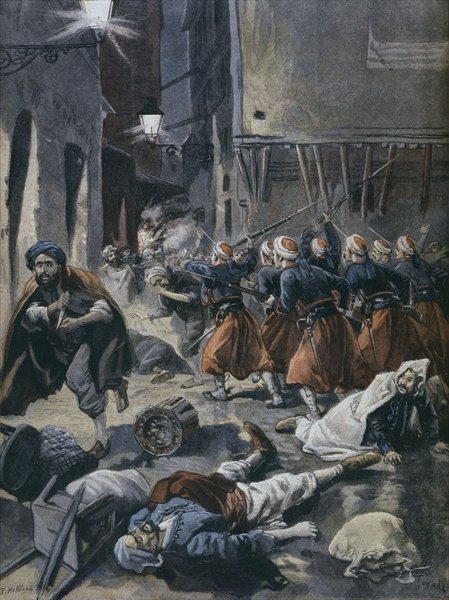
In a stark appeal to the Dutch Jewish community, Prime Minister Rob Jetten urged those considering emigration to remain in the country, emphasizing that the Netherlands represents a shared and secure home for all. The address, delivered during a remembrance ceremony marking the devastating 1938 pogrom in Amsterdam, came as the nation grapples with a palpable surge in anti-Jewish hostility. Jetten acknowledged the deep anxiety within the community, condemning the escalating wave of threats directed at Jewish institutions across the nation.
Domestic Crisis and Visible Presence
The Prime Minister sought to reassure citizens that they are an essential part of the Dutch fabric, highlighting recent increases in funding allocated for security measures at Jewish sites and governmental efforts to bolster communal life. He expressed profound sadness that families are questioning the long-term viability of their children’s futures here. Jetten underscored his personal commitment to ensuring Jewish life maintains a visible presence in Dutch society, a commitment he symbolized by placing a traditional Jewish prayer case, a mezuzah, on the doorframe of his official residence.
He noted that the fear surrounding negative public reactions is causing fewer people to display this traditional symbol. Meanwhile, the lived experience for many Dutch Jews reflects this climate of caution; rising public hostility has led some to conceal Jewish symbols, avoid speaking Hebrew in public forums, or hesitate to openly affirm their identity.
Geopolitical Tensions Intensify Strain
Jetten’s domestic call for reassurance occurs against a backdrop of increasingly fraught diplomatic relations between the Netherlands and Israel. Tensions have reached a low point in recent decades following the deadly military action across southern Israel in October 2023. The friction has manifested in several high-profile disputes. For example, Israel recently mandated that Dutch diplomats working in Ramallah return their Israeli-issued credentials, a move taken in response to the Netherlands’ September imposition of trade restrictions on goods originating from Israeli communities in the West Bank.
The Dutch trade measures, which are notably comprehensive, restrict commerce not only with Israeli settlements beyond the designated Green Line but also with areas in the Golan Heights. Furthermore, the government faces significant criticism from both Israeli officials and Jewish leaders, who accuse the state of inadequately addressing the growing tide of anti-Jewish hatred and violence targeting its citizens.
The Unchanging Threat
The statistics paint a troubling picture of the ongoing crisis. Despite Jews constituting less than one-third of one percent of the national population, anti-Jewish hate crimes account for a disproportionate twenty-six percent of all discrimination cases reported. Authorities indicated that the number of registered antisemitic incidents remained virtually stagnant, recording 867 cases in 2025, a figure closely matching the 880 cases documented the preceding year. The Prime Minister’s appeal serves as a public declaration of intent to safeguard the community, even as the nation navigates a complex intersection of internal prejudice and external political conflict.
World Views
The Commercial Triumph of Hanukkah: How a Festival Became a Central Pillar of the American Holiday Season

In the contemporary American marketplace, the celebration of Hanukkah has achieved a level of commercial prominence rarely seen in traditional religious holidays. What began as a localized observance has transformed into a massive retail spectacle, characterized by elaborate decorations and widespread merchandising. Recent observations highlight the sheer scale of this cultural phenomenon, where themed toys, oversized inflatables, and diverse decorative items are now ubiquitous, creating an extensive period of anticipation that spans weeks before Christmas.
The Modern Retail Spectacle
The modern Hanukkah shopping experience is described as a vibrant ‘hunt,’ with retailers offering an astonishing range of products. From musical dreidel figures that play traditional tunes to intricate garlands featuring shimmering symbols, the variety is immense. This trend reflects a successful cultural shift, where the eight nights of the holiday have been expanded into a season of sustained festive engagement. Retailers have invested heavily in making the holiday visible, moving it far beyond the confines of private Jewish homes and into the mainstream consumer landscape.
Historical Roots of Visibility
This heightened visibility is not a sudden development; it is the result of generations of cultural integration. Historians note that the holiday’s prominence in American life owes a significant debt to the pervasive influence of Christmas. When Jewish immigrants arrived in the United States during the late 19th and early 20th centuries, they encountered a society deeply immersed in the customs of December gift-giving and holiday consumption. Early Jewish publications and advertisers played a crucial role in adapting Hanukkah to fit this burgeoning American consumer culture.
Early advertisements showcased a growing market for Hanukkah gifts, adapting American vocabulary and promoting items ranging from dolls to dental products. Furthermore, the Americanization extended into culinary traditions. Initial promotions offered simplified methods for preparing traditional potato pancakes, adapting complex recipes that historically relied on specific rendered animal fats. These early efforts laid the groundwork for the modern, highly visible holiday.
The Calendar Conundrum
The increasing closeness of the Jewish calendar to the widely celebrated December holidays presents a unique cultural dynamic. As Hanukkah begins closer to Christmas, observers note a sense of shared, simultaneous celebration. However, this proximity also creates a noticeable ‘calendar mismatch.’ As the holiday concludes, the cultural intensity often gives way to a rapid shift in focus, leaving behind the remnants of the celebration—like unused festive candles and half-finished food items—as the national countdown to Christmas intensifies.
Despite the transient nature of the holiday’s intense focus, the traditions continue to evolve. The celebratory spirit proves resilient, with modern families adapting ancient customs into highly contemporary, personalized displays. This ongoing evolution demonstrates Hanukkah’s successful and permanent establishment within the broader tapestry of American winter festivities, proving that its journey has moved significantly beyond its original, more modest origins.
World Views
Senators Push Back Against Deepening US-Israel Defense Ties Amid Policy Concerns
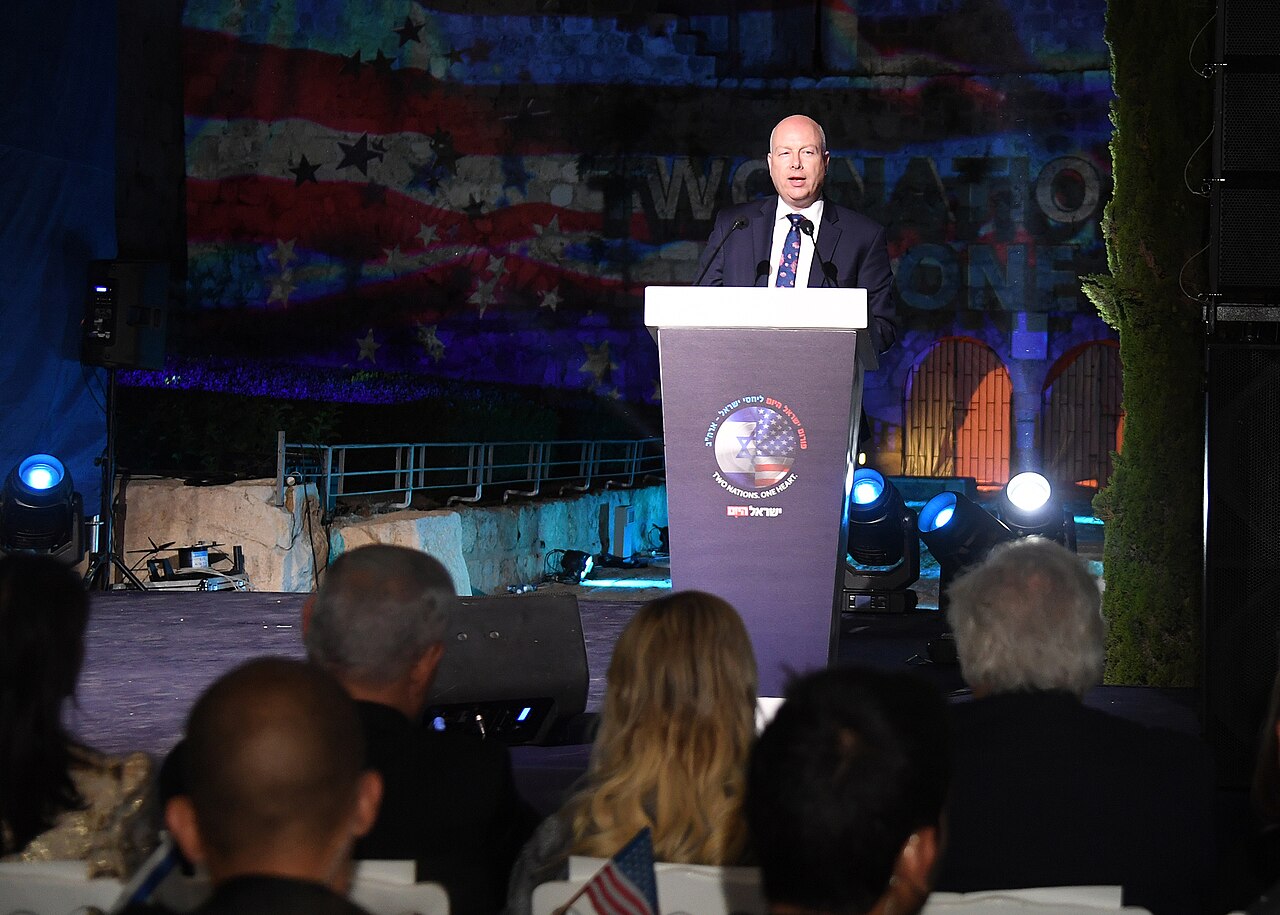
A coalition of twelve Democratic senators, including prominent figures like Elizabeth Warren and Tammy Duckworth, has strongly voiced opposition to expanding military collaboration between the United States and Israel. In a detailed communication to Congressional leadership, the lawmakers argued that certain provisions within the upcoming 2027 National Defense Authorization Act (NDAA) risk compromising American interests due to the policies pursued by the Israeli government, particularly regarding the Gaza Strip and the West Bank.
Concerns Over Technology and Autonomy
The specific legislative measure sparking concern would mandate the Secretary of Defense to appoint an executive official responsible for coordinating joint American-Israeli defense initiatives. These efforts would encompass everything from technology research and development to industrial cooperation. The senators warned that such a requirement would severely restrict the Administration’s ability to operate independently. They cautioned that embedding Israeli technology into the American defense industrial base could create long-term dependencies, making future policy adjustments extremely difficult or prohibitively expensive. Furthermore, they expressed apprehension that the arrangement could grant Israel undue influence over American weaponry and military systems.
A Call for Transparency and Accountability
The letter, spearheaded by Senator Chris Van Hollen, who has become a vocal critic of Israel’s military aid, suggested that the proposed integration was unwise, especially given the ongoing actions of the Israeli government in the region. The senators indicated that the intent behind the bill seemed to be a shift from traditional, transparent aid channels to less discernible acquisitions programs. This shift, they argued, would simultaneously reduce transparency and increase Israel’s leverage over the United States. This stance aligns with advocacy groups like J Street, which insists that military engagement should not deepen until Israel complies with the Gaza peace agreement and ceases settler violence in the West Bank.
Navigating Aid and Political Shifts
The debate comes as the political landscape surrounding military assistance is shifting. Just recently, former President Donald Trump announced plans to halt billions of dollars in annual support to Israel by the close of 2026. While the current annual funding of $3.8 billion is largely used domestically to purchase components and systems from U.S. manufacturers, some critics have dismissed the former President’s statement as a mere diversion. The Democratic lawmakers are pushing back against both the continuation of aid and the proposed deeper integration, advocating instead for a fundamental reassessment of the relationship. The senators emphasized that the relationship needs a ‘reset’ to ensure it remains consistent with shared American values and interests.
World Views
As Global Isolation Efforts Intensify, Morocco and Israel Cement Deepening Military Ties

In a striking divergence from mounting international pressure to isolate the Jewish state, Morocco and Israel are aggressively deepening their military and security relationship. High-level delegations from the Israeli defense and intelligence sectors recently visited Rabat, signaling a powerful strategic alignment that transcends broader diplomatic headwinds. This commitment to bilateral security cooperation is rapidly expanding the footprint of defense technology and mutual trust between the two nations.
Strategic Expansion and New Military Presence
The recent visit, led by a senior Israeli defense official, was aimed at reinforcing the strategic alliance and boosting defense exports. During the engagement, the Israeli delegation met with Morocco’s top defense administrators and senior palace representatives. A key milestone expected during this trip is the inauguration of Israel’s permanent Defense Attaché Office in the North African kingdom, establishing a dedicated, long-term military presence. Officials involved stated that the relationship is founded on mutual respect and deep historical connections, and that the partnership is intended to evolve to unprecedented levels.
This military cooperation is underpinned by significant commercial agreements. Morocco has made Israel a major supplier of military hardware; for instance, the nation recently procured 36 self-propelled artillery systems from Elbit Systems. This contract has elevated Israel to the third-largest arms vendor for Morocco, accounting for eleven percent of its total arms imports, according to research from the Stockholm International Peace Research Institute (SIPRI).
Economic and Technological Integration
The partnership extends far beyond mere hardware sales. Morocco has also signed a substantial billion-dollar deal with Israel Aerospace Industries (IAI) to acquire an advanced surveillance satellite, significantly bolstering the kingdom’s defense and intelligence capabilities. Furthermore, the cooperation is structured through government-to-government frameworks, with Israeli firms actively supporting the development of an independent Moroccan defense industry through joint ventures and offset arrangements.
Economically, the relationship has seen robust growth since the normalization of ties in 2020 under the Abraham Accords. Bilateral trade has surged dramatically, demonstrating the increasing interdependence. The deepening ties include military-to-military training exercises between the Israel Defense Forces and the Royal Moroccan Armed Forces. This comprehensive strategic bond—covering defense, technology, and trade—solidifies Morocco’s role as a key regional partner, despite the prevailing global climate of calls for diplomatic separation.
