



World Views
Death Row Boxer in Iran Honoured Globally, Declares Defiance Against Regime
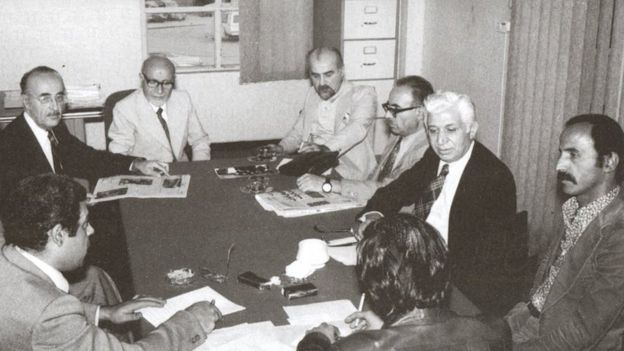
Mohammad Javad Vafaei Sani, a decorated Iranian boxing coach and national silver medalist, has received international recognition for his unwavering stand against political oppression, despite facing execution in his home country. The 31-year-old athlete was named the recipient of the prestigious 2026 Magnitsky Human Rights Award for his courageous activism. The global campaign recognizing human rights defenders highlighted that Vafaei Sani’s plight has become a powerful symbol of the systemic persecution of peaceful dissent and the suppression of basic human liberties within Iran.
A Symbol of Resistance and Persecution
Award organizers noted the severe mistreatment endured by the athlete, including prolonged periods of isolation and allegations of both psychological and physical torture while incarcerated. Vafaei Sani, who originated from Mashhad, was arrested in early 2020 after participating in large-scale anti-government demonstrations in late 2019. Iranian authorities subsequently charged him with grave offenses, including ‘corruption on earth’ and supporting the opposition group PMOI/MEK. Although his death sentence was initially overturned by Iran’s highest court twice, the Mashhad Revolutionary Court issued a third ruling in September 2024, which the Supreme Court upheld on October 4, 2025, leaving him on death row despite multiple international and legal appeals.
A Pledge of Unyielding Freedom
In a message shared during the London ceremony, Vafaei Sani accepted the honour on behalf of those who sacrifice their lives for freedom. He stated that he would never yield to the government’s demands for submission or televised confessions. Instead, he publicly affirmed his commitment to a democratic and free Iran—a nation where equality is guaranteed, and political opposition is not met with imprisonment or execution. The athlete declared that he would remain resolute and would not submit to oppression until the Iranian populace achieved freedom.
His case has garnered widespread international support. Numerous high-profile athletes, Olympic figures, and human rights experts have campaigned to halt the sentence. In 2023, a collective of over 110 international non-governmental organizations and former United Nations officials petitioned the UN High Commissioner for Human Rights to intervene. More recently, the World Boxing Council and the Sport & Rights Alliance have repeatedly appealed to the International Olympic Committee to take action on his behalf, underscoring the global urgency to prevent the execution of this prominent activist.
World Views
Analysis of Institutionalized Extremist Rhetoric within Palestinian Authority Religious Circles

A disturbing pattern of violent religious rhetoric has been documented emanating from senior religious figures within the Palestinian Authority (PA), raising serious concerns about the normalization of extreme hostility. Investigative reports indicate that PA religious leaders frequently deliver sermons in mosques that explicitly call upon followers to target and destroy perceived enemies. This persistent messaging, amplified through official state television channels, transforms religious services into platforms for incitement, shifting the focus from spiritual guidance to calls for physical action.
The Nature of the Violent Appeals
The documentation reveals that these appeals are not isolated incidents. Senior Shari’ah judges and other religious officials have repeatedly used public forums, including Friday prayers, to issue highly aggressive directives. For example, one publicized sermon featured a PA judge invoking divine power to strike and eliminate adversaries, using precise, systematic language that demanded the total eradication of those identified as enemies of their religion and people. This language moves beyond general anger, employing mathematical precision to demand comprehensive destruction.
Palestinian Media Watch has chronicled this phenomenon over many years, noting that the calls for violence against Jewish communities have been a recurring feature in both mosque addresses and official PA broadcasts. The repetitive nature of these sermons is a key element of the concern. Experts suggest that when authoritative figures continually reiterate extreme concepts during routine religious rituals, the message gradually ceases to be viewed as radical and instead becomes integrated into a perceived religious or political duty.
The Psychological Impact of Repetition
The constant reinforcement of violent ideology holds significant psychological weight. As sociologists observe, the consistent exposure to extreme ideas, particularly when delivered by trusted institutional figures, alters the mindset of the audience. What begins as a provocative statement can, through continuous repetition, become accepted as a normal or even necessary course of action. This institutional repetition effectively normalizes hatred and violence within the community structure.
Broader Political Implications
The dissemination of this rhetoric via official PA media suggests a systemic endorsement of these views, rather than merely individual extremism. The use of state-controlled television to broadcast these sermons elevates the calls for destruction from personal opinions to institutional policy. This dynamic presents a profound challenge to regional stability, indicating that the messaging of hostility is deeply ingrained within certain segments of the PA’s religious and political infrastructure. International observers are increasingly scrutinizing how this continuous ideological conditioning impacts the broader socio-political landscape of the region.
World Views
Aid Efforts vs. Obstruction: Unpacking the Gaza Flooding Crisis
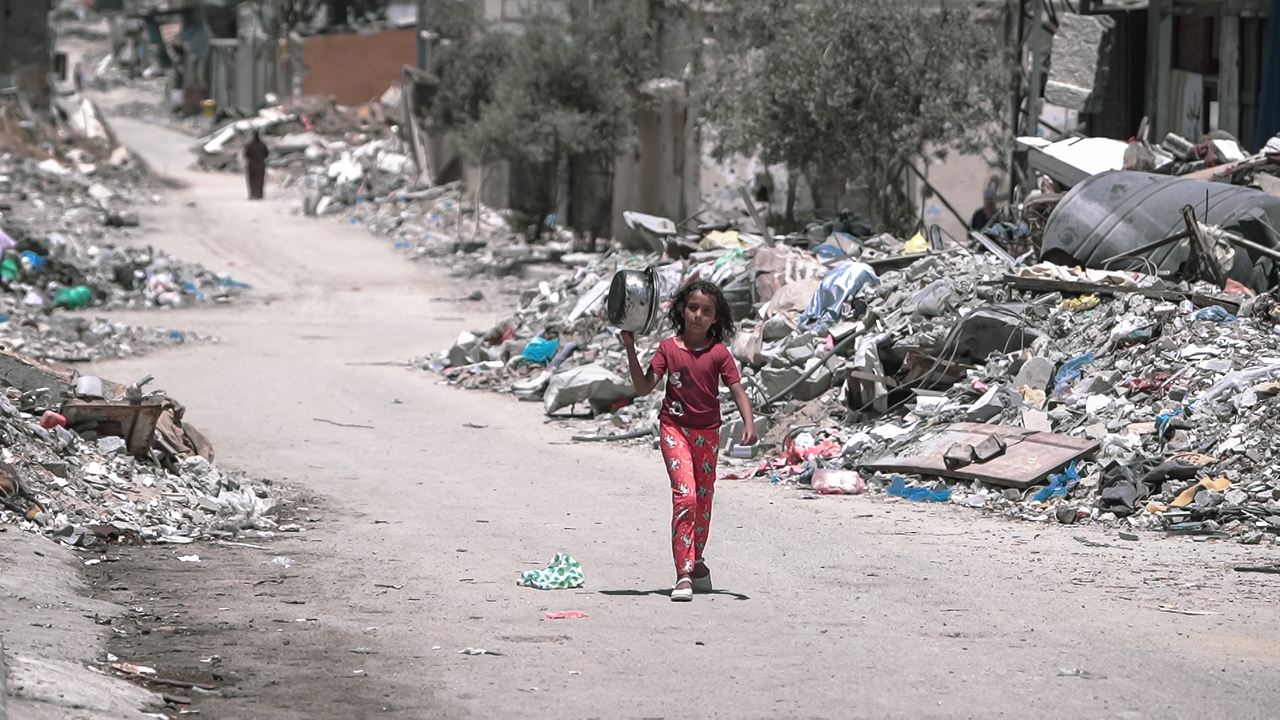
The recent torrential rains that swept through the Gaza Strip led to severe flooding, displacing numerous Palestinians who sought shelter in tents. In the immediate aftermath, several international media organizations directed intense scrutiny toward Israel, suggesting that restrictions on the entry of construction materials and vehicles were the primary cause of the calamity. Reports from outlets such as CNN, the BBC, and Al Jazeera echoed claims that Israeli limitations were responsible for the suffering of displaced citizens.
Israel’s Extensive Winterization Campaign
However, an investigative look at the ground operations reveals a complex picture that goes beyond simple blame. While some media platforms focused on restrictive policies, the Israeli military’s coordination body, COGAT, has documented extensive humanitarian preparations for the region since early September. These efforts were undertaken in coordination with various international aid groups to prepare the population for the approaching cold season.
COGAT confirmed that the winterization initiative involved facilitating the movement of essential supplies. These items included medical equipment, tarpaulins, winter clothing, generators, engine oil, and various shelter components. As the storm arrived, the body affirmed that over 91,000 tents and 8,200 trucks carrying vital necessities had been successfully imported into the territory since the campaign began. Furthermore, the military was actively working on infrastructure repairs, including the drainage of sewage channels and the maintenance of water and electrical systems, demonstrating an effort to bolster local resilience.
Allegations of Internal Obstruction
Crucially, reports from local activists and analysts suggest that the catastrophe was compounded by actions within Gaza itself. Sources indicate that Hamas allegedly actively hindered the preparations for the coming weather. These reports claim the terror group obstructed necessary construction projects and used threats against officials to prevent work. Furthermore, it was alleged that Hamas blocked efforts to demolish heavily damaged structures, arguing that the impending rain would resolve the danger, despite the buildings posing risks to nearby civilians.
Activists also pointed out that, despite the presence of heavy machinery, Hamas failed to execute basic pre-emptive measures, such as digging essential drainage ditches. This raises a significant question about who is actively contributing to the vulnerability of the local populace. While Israel has been managing the complex task of humanitarian aid while simultaneously navigating security concerns regarding Hamas, the alleged internal resistance to safety measures has been largely overlooked in the dominant media narrative. This highlights a critical divergence between the official portrayal of events and the reality of ground-level preparedness and obstruction.
World Views
The Unending Divide: Why Religion and State Power Remain Israel’s Most Contentious Issue
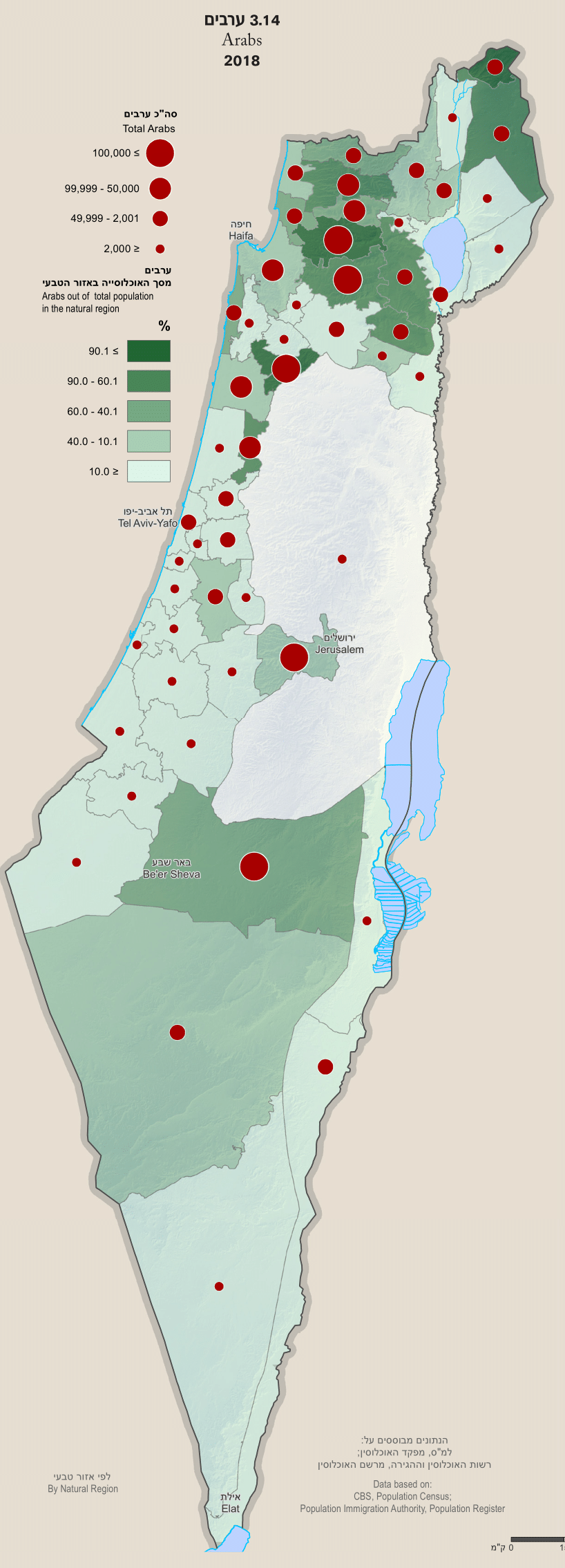
For centuries, philosophers have warned against the entanglement of spiritual life with governmental authority. A historical observation, attributed to the Jewish sage Maimonides, suggests that when spiritual devotion becomes fused with political rule, genuine piety inevitably vanishes. This ancient principle remains intensely relevant to the modern Israeli political system, which is perpetually defined by the complex, often divisive relationship between religious observance and state governance.
A History of Political Compromise
The tension between faith and politics is not new to the region. The author, who has long observed this dynamic, traces his own reservations back to his father, a prominent rabbi in London. In the mid-20th century, the father chose to step away from a major religious Zionist movement after it became deeply involved in legislative bargaining. He held the conviction that engaging in political frameworks would inherently lead to ethical compromises and corruption. This early experience highlighted a preference for religious bodies acting as powerful advocacy groups, preserving spiritual life, rather than participating in the messy process of political negotiations.
The Struggle Against Secular Dominance
During the early years of the State, the political environment was heavily influenced by secular forces aiming to minimize religious influence. The author recounts a specific incident from his youth in Israel: religious children from abroad were being denied proper religious accommodations at a youth center. While the religious parties were small at the time, they successfully negotiated a concession, securing that a quarter of all unaccompanied religious immigrants would be allowed access to religious reception facilities. Despite this achievement, the author noted the inherent complexity, viewing the necessity of bargaining—even for a partial victory—as a problematic aspect of the system.
Modern Frustrations and Rigidity
Today, the author expresses profound dissatisfaction with the current political climate, criticizing the rivalries among various religious factions and the manner in which faith is utilized in political maneuvering. While acknowledging the initial necessity for religious communities to push back against prevailing secular and Marxist ideologies of the past, the author finds the ongoing clashes detrimental, arguing they foster negative attitudes toward religion itself. Specific concerns include the inflexibility of certain Haredi groups regarding military service requirements and the overall rigidity of the established State Religious system. The consistent opinion shared by the writer is that religious practice should never be imposed by the state.
Ultimately, the enduring debate serves as a powerful commentary on the limits of governance. The author maintains a clear philosophical stance, aligning with the historical wisdom that the preservation of religious integrity requires a strict separation from the often-compromised nature of political power.
