



World Views
Providence Divestment Initiative Faces Scrutiny Over Reliance on Biased UN Frameworks
Providence, Rhode Island, has become the largest municipality in the United States to pass a resolution calling for divestment from Israel, an action that seeks to position the city as a moral leader. However, the initiative has drawn sharp criticism from analysts who point to the deep institutional biases inherent in the United Nations mechanisms upon which the motion relies. The city’s plan, approved by three-quarters of voters, seeks to withdraw support from nations accused of severe human rights violations, including ethnic cleansing and illegal military occupation.
The Foundation of the Divestment Motion
The city’s resolution is predicated on findings from various international bodies, including the International Court of Justice (ICJ), United Nations Special Rapporteurs, and various Commissions of Inquiry. Critics argue that this reliance places the city’s moral judgment in the hands of organizations that are not neutral observers. A key point of contention is the mandate of certain UN officials. For instance, one Special Rapporteur’s mandate is specifically tasked with investigating Israeli actions, which observers suggest limits the scope of scrutiny to only one side of the ongoing conflict.
Concerns Over Institutional Impartiality
The credibility of the UN’s findings has been challenged by concerns regarding the impartiality of its members. Specific officials have faced international calls for removal following public statements that drew comparisons between Israel and other nations, and allegations regarding the influence of various lobbying groups. Furthermore, commissions of inquiry, such as the one examining the conflict’s origins, have been criticized for expanding their scope to include charges of genocide, even amid the complex realities of modern warfare and the actions of non-state belligerents.
Systemic Bias in Global Governance
Analysts suggest that the challenges are not isolated to individual reports but reflect a systemic issue within the global organization. The UN, according to some former experts, operates with an atmosphere of intimidation that prevents a balanced view of the Israeli-Palestinian dispute. The ICJ itself, when reviewing related cases, has been noted to have judges with documented histories of strong criticism toward Israel. This pattern of institutional focus, including standing agendas and specialized committees, leads critics to conclude that the organization is heavily skewed against Israel.
In essence, while Providence aims to establish itself as a beacon of ethical governance, its method involves adopting pronouncements from bodies deemed by critics to be profoundly partisan. The initiative, therefore, represents a complex interplay between local moral ambition and the highly contentious, and often biased, structures of international diplomacy.
World Views
Aid Efforts vs. Obstruction: Unpacking the Gaza Flooding Crisis
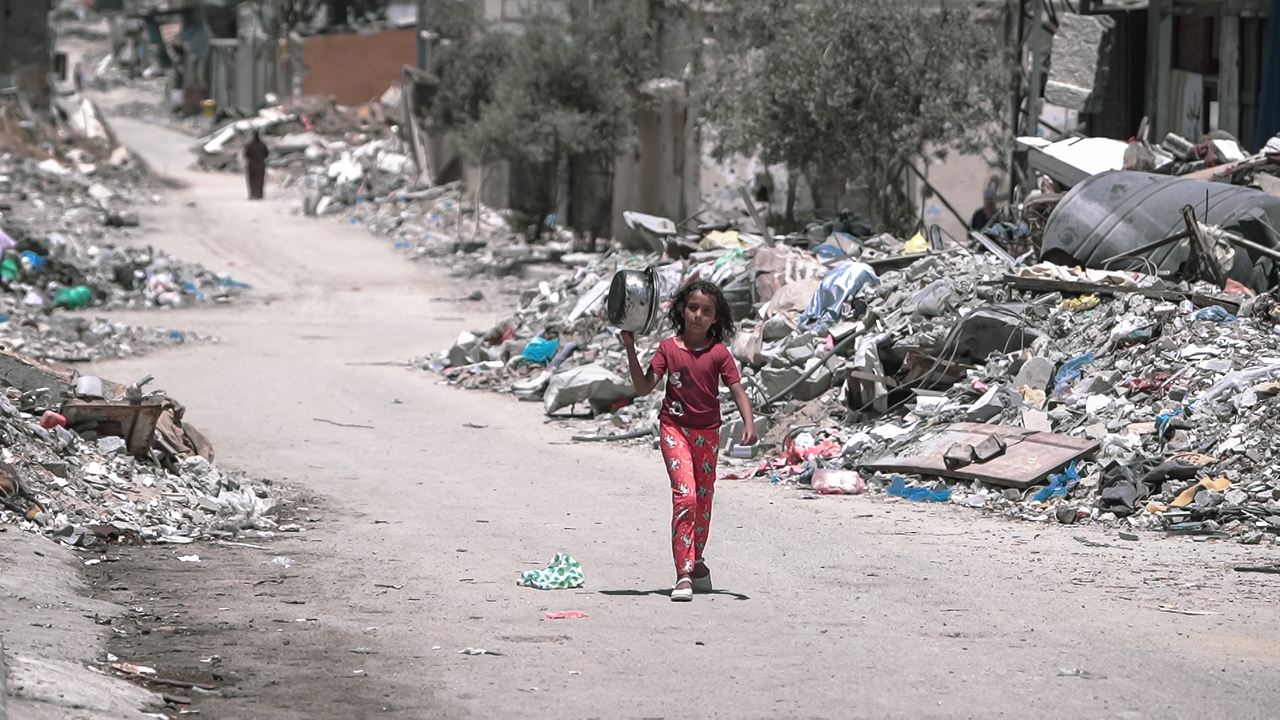
The recent torrential rains that swept through the Gaza Strip led to severe flooding, displacing numerous Palestinians who sought shelter in tents. In the immediate aftermath, several international media organizations directed intense scrutiny toward Israel, suggesting that restrictions on the entry of construction materials and vehicles were the primary cause of the calamity. Reports from outlets such as CNN, the BBC, and Al Jazeera echoed claims that Israeli limitations were responsible for the suffering of displaced citizens.
Israel’s Extensive Winterization Campaign
However, an investigative look at the ground operations reveals a complex picture that goes beyond simple blame. While some media platforms focused on restrictive policies, the Israeli military’s coordination body, COGAT, has documented extensive humanitarian preparations for the region since early September. These efforts were undertaken in coordination with various international aid groups to prepare the population for the approaching cold season.
COGAT confirmed that the winterization initiative involved facilitating the movement of essential supplies. These items included medical equipment, tarpaulins, winter clothing, generators, engine oil, and various shelter components. As the storm arrived, the body affirmed that over 91,000 tents and 8,200 trucks carrying vital necessities had been successfully imported into the territory since the campaign began. Furthermore, the military was actively working on infrastructure repairs, including the drainage of sewage channels and the maintenance of water and electrical systems, demonstrating an effort to bolster local resilience.
Allegations of Internal Obstruction
Crucially, reports from local activists and analysts suggest that the catastrophe was compounded by actions within Gaza itself. Sources indicate that Hamas allegedly actively hindered the preparations for the coming weather. These reports claim the terror group obstructed necessary construction projects and used threats against officials to prevent work. Furthermore, it was alleged that Hamas blocked efforts to demolish heavily damaged structures, arguing that the impending rain would resolve the danger, despite the buildings posing risks to nearby civilians.
Activists also pointed out that, despite the presence of heavy machinery, Hamas failed to execute basic pre-emptive measures, such as digging essential drainage ditches. This raises a significant question about who is actively contributing to the vulnerability of the local populace. While Israel has been managing the complex task of humanitarian aid while simultaneously navigating security concerns regarding Hamas, the alleged internal resistance to safety measures has been largely overlooked in the dominant media narrative. This highlights a critical divergence between the official portrayal of events and the reality of ground-level preparedness and obstruction.
World Views
The Unending Divide: Why Religion and State Power Remain Israel’s Most Contentious Issue
For centuries, philosophers have warned against the entanglement of spiritual life with governmental authority. A historical observation, attributed to the Jewish sage Maimonides, suggests that when spiritual devotion becomes fused with political rule, genuine piety inevitably vanishes. This ancient principle remains intensely relevant to the modern Israeli political system, which is perpetually defined by the complex, often divisive relationship between religious observance and state governance.
A History of Political Compromise
The tension between faith and politics is not new to the region. The author, who has long observed this dynamic, traces his own reservations back to his father, a prominent rabbi in London. In the mid-20th century, the father chose to step away from a major religious Zionist movement after it became deeply involved in legislative bargaining. He held the conviction that engaging in political frameworks would inherently lead to ethical compromises and corruption. This early experience highlighted a preference for religious bodies acting as powerful advocacy groups, preserving spiritual life, rather than participating in the messy process of political negotiations.
The Struggle Against Secular Dominance
During the early years of the State, the political environment was heavily influenced by secular forces aiming to minimize religious influence. The author recounts a specific incident from his youth in Israel: religious children from abroad were being denied proper religious accommodations at a youth center. While the religious parties were small at the time, they successfully negotiated a concession, securing that a quarter of all unaccompanied religious immigrants would be allowed access to religious reception facilities. Despite this achievement, the author noted the inherent complexity, viewing the necessity of bargaining—even for a partial victory—as a problematic aspect of the system.
Modern Frustrations and Rigidity
Today, the author expresses profound dissatisfaction with the current political climate, criticizing the rivalries among various religious factions and the manner in which faith is utilized in political maneuvering. While acknowledging the initial necessity for religious communities to push back against prevailing secular and Marxist ideologies of the past, the author finds the ongoing clashes detrimental, arguing they foster negative attitudes toward religion itself. Specific concerns include the inflexibility of certain Haredi groups regarding military service requirements and the overall rigidity of the established State Religious system. The consistent opinion shared by the writer is that religious practice should never be imposed by the state.
Ultimately, the enduring debate serves as a powerful commentary on the limits of governance. The author maintains a clear philosophical stance, aligning with the historical wisdom that the preservation of religious integrity requires a strict separation from the often-compromised nature of political power.
World Views
Supernatural Actor Alleges Political Co-Star Blacklisted Him Over Israel Support

Nathaniel Buzolic, a prominent actor known for playing Kol Mikaelson in successful supernatural dramas, has publicly accused a former colleague of deliberately isolating him from fan conventions. Buzolic alleges that this professional blacklisting stems directly from his outspoken public support for Israel. The incident highlights a growing friction point in the entertainment industry, where political alignment is reportedly affecting career opportunities and fan engagement.
Allegations of Career Sabotage
The Australian performer, who has maintained a highly visible pro-Israel presence online, claimed that an unnamed male co-star has effectively prevented him from participating in meet-and-greets and industry events. Buzolic stated that this individual, whom he described as a ‘coward,’ has banned him from events when they are in attendance. The actor suggested that the former peer holds pro-Palestinian views but deliberately keeps this stance private, allegedly to safeguard his own professional standing.
According to Buzolic, the co-star’s motives extend beyond simple exclusion from events; he claims the individual sought to restrict Buzolic’s ability to secure work and interact with his fanbase. The actor further emphasized that those who hesitate to publicly affirm their beliefs are exhibiting cowardice, arguing that such silence impedes others from earning a living. Buzolic concluded his statement by invoking the family mantra from the Mikaelson series, underscoring the gravity of the situation.
A History of Advocacy and Controversy
Buzolic’s activism has been highly visible, particularly following the events of October 7, 2023. Since that date, he has utilized his social media platform to disseminate messages and videos supporting the nation of Israel. His career began with *The Vampire Diaries* in 2021, taking on the role of a member of the influential Mikaelson family. He subsequently contributed to the spin-off series *The Originals* (2013-2018), alongside other major stars in the genre. Beyond these roles, he also appeared in *Legacies*.
The discussion around Buzolic’s political commentary has been complex. In addition to his pro-Israel advocacy, the actor has also shared content that has drawn criticism. Earlier in the same day he made his accusation, he posted a video that allegedly depicted Palestinians mistreating a camel in the West Bank. This juxtaposition of intense political support and controversial imagery adds layers of complexity to the narrative of his public persona and the ensuing professional conflict.
The Intersection of Politics and Pop Culture
This dispute underscores a broader trend where personal political convictions are increasingly intersecting with celebrity visibility. The case raises significant questions about the boundaries between artistic expression, personal belief, and professional collaboration within global entertainment. While Buzolic maintains that his views are fundamental to his identity, the accusation suggests that the industry environment may be increasingly intolerant of outspoken political differences, forcing actors to navigate a difficult line between advocacy and career preservation.
