



World Views
Poll Reveals Deepening Tensions as Senator-Elect El-Sayed Faces Jewish Voter Skepticism
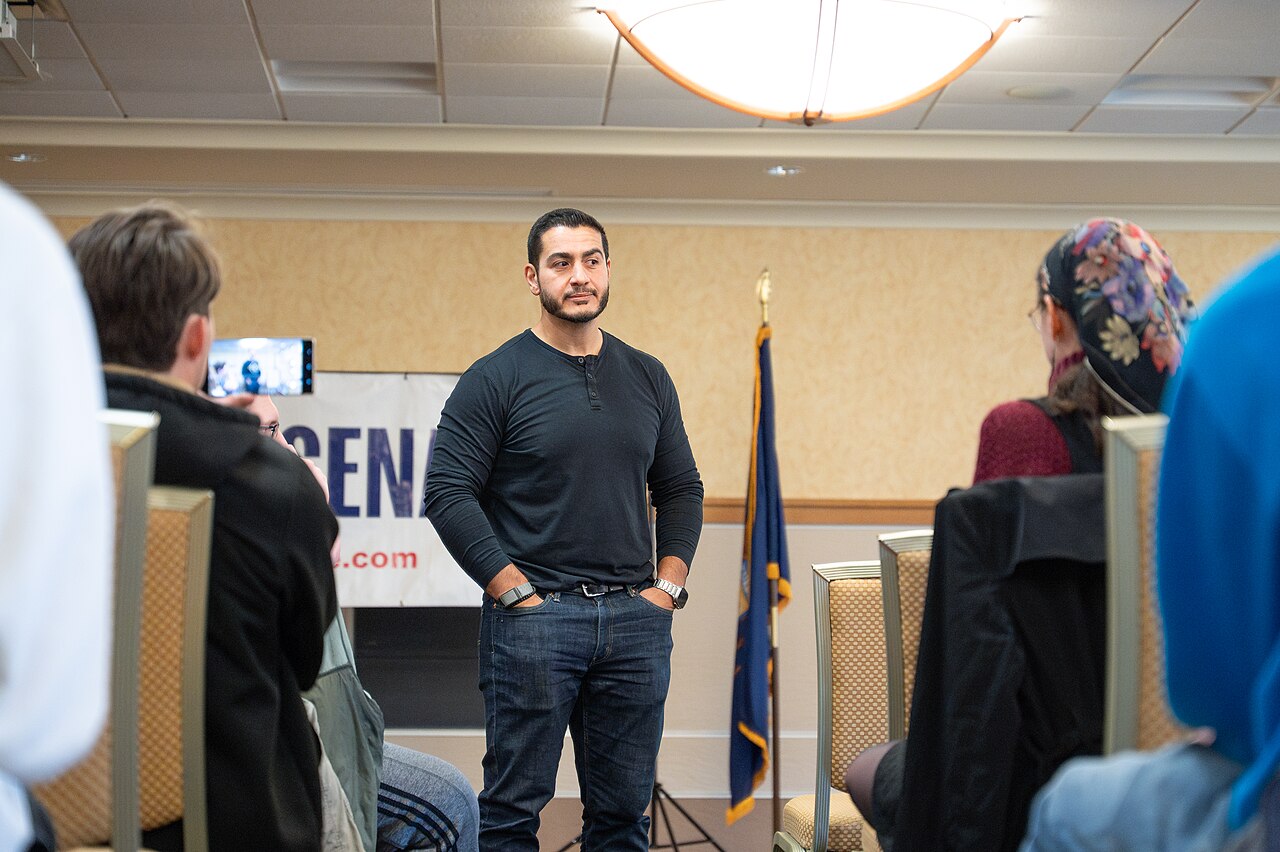
Despite securing his Senate victory, Senator-elect Abdul El-Sayed is facing scrutiny regarding his support among Michigan’s Jewish electorate, according to recent polling data. A new survey conducted by Mercury Public Affairs, representing The Jewish Majority, found that the incoming lawmaker captured only half of the community’s vote in the recent midterm elections, exposing persistent political fault lines within a traditionally Democratic constituency.
The Numbers Don’t Lie: A Tale of Two Candidates
The data indicates that El-Sayed secured 50% of the Jewish vote, while Republican Mike Rogers garnered 43%. Furthermore, the results showed a substantial advantage for Democratic Gov.-elect Jocelyn Benson, who claimed 69% of the community’s support—a margin of 19 percentage points over El-Sayed. The findings suggest that opposition to the Democratic nominee was not merely a reflection of general partisan trends, but was tied directly to concerns about the candidate’s personal conduct and political stances.
Controversy Over Identity and Policy
Analysts suggest that El-Sayed’s difficulties with Jewish voters stem from specific controversies surrounding his rhetoric and positions. These concerns were heavily influenced by his outspoken criticism of Israel and his perceived approach to antisemitism. For instance, in March, he faced backlash after making remarks regarding an attempted terrorist attack against a prominent synagogue in West Bloomfield. While he later issued an apology, the initial comment drew significant community disapproval.
These issues were compounded by his public associations and views on the Israeli-Palestinian conflict. The polling revealed that among Jewish Democrats and those leaning Democratic, Benson received overwhelming support, contrasting sharply with the 70% support El-Sayed achieved. Among those Jewish Democrats who rejected El-Sayed, a significant majority indicated they would support a different Democratic contender. Specific reasons cited by these voters included concerns about antisemitism (87%), his comments following the synagogue incident (84%), and his general stance on Israel (83%).
Implications for the Democratic Party
The results underscore a complex dynamic: while many Jewish Democrats were willing to cross party lines or withhold their vote over candidate suitability, this did not translate into a broader rejection of the Democratic Party itself. The impact was keenly felt in Oakland County, Michigan’s largest Jewish community, where Rogers won the local Jewish vote. Although El-Sayed ultimately secured his Senate seat—making him the first Muslim elected to the United States Senate—the polling raises critical questions. It forces political observers to consider whether Democratic candidates can successfully navigate the sensitive intersection of identity politics, the US-Israel relationship, and concerns over antisemitism without alienating crucial segments of their base.
World Views
Istanbul Pact Bolsters Regional Security Bloc, Linking Turkey and Qatar in Defense Alliance

In a significant move aimed at fortifying regional stability and collective security, Turkey and Qatar formalized a mutual defense agreement this week. The pact, signed during high-level discussions in Istanbul, commits both nations to a unified front against any external armed aggression targeting either country. This strategic alignment represents a deepening of bilateral ties, cementing a shared commitment to safeguarding their national sovereignty and maintaining a more secure geopolitical environment in the volatile Middle East.
Scope of the Defense Cooperation
The accord transcends mere military cooperation, establishing a framework for continuous consultation on various security threats, encompassing both domestic and global challenges. The signatories agreed to dramatically expand their collaborative efforts across several critical areas. These include conducting joint military exercises, fostering partnerships within the defense manufacturing sector, and facilitating the exchange of specialized personnel for training purposes. Turkish President Tayyip Erdogan, who signed the document alongside Qatari Emir Sheikh Tamim bin Hamad al-Thani, emphasized the commitment to working toward preventing conflict resurgence in the Gulf region and establishing pathways for dialogue leading to peace.
Energy and Strategic Alignment
Beyond military matters, the joint statement highlighted the nations’ intent to accelerate their energy collaboration, particularly focusing on the trade of liquefied natural gas. This move builds upon the long-standing commercial relationship between the two states. The Turkish presidency noted that the countries are actively working to diversify and enhance their energy partnership while simultaneously growing their cooperative ventures in the defense industry. This dual focus on energy security and military preparedness underscores the strategic depth of the new relationship.
Broader Regional Implications
The signing of this bilateral agreement occurs against a backdrop of heightened regional tensions and evolving security architectures. It is noteworthy that Turkey has recently cemented its involvement in broader regional defense initiatives. Just recently, Ankara ratified a joint defense pact established in Mecca alongside Saudi Arabia and Pakistan. Under that agreement, an attack on any of the three nations would be treated as an attack on all parties involved, a commitment that has allowed Turkey to potentially provide military support to Saudi Arabia in its ongoing efforts to counter militant attacks from Yemen’s Iran-backed Houthi groups. The new Turkey-Qatar defense alliance adds another major component to this shifting landscape of allied nations seeking stability and mutual protection in a complex and often contested region.
World Views
US Military Denies Iran’s Radar Attack Claim Amid Escalating Gulf Tensions
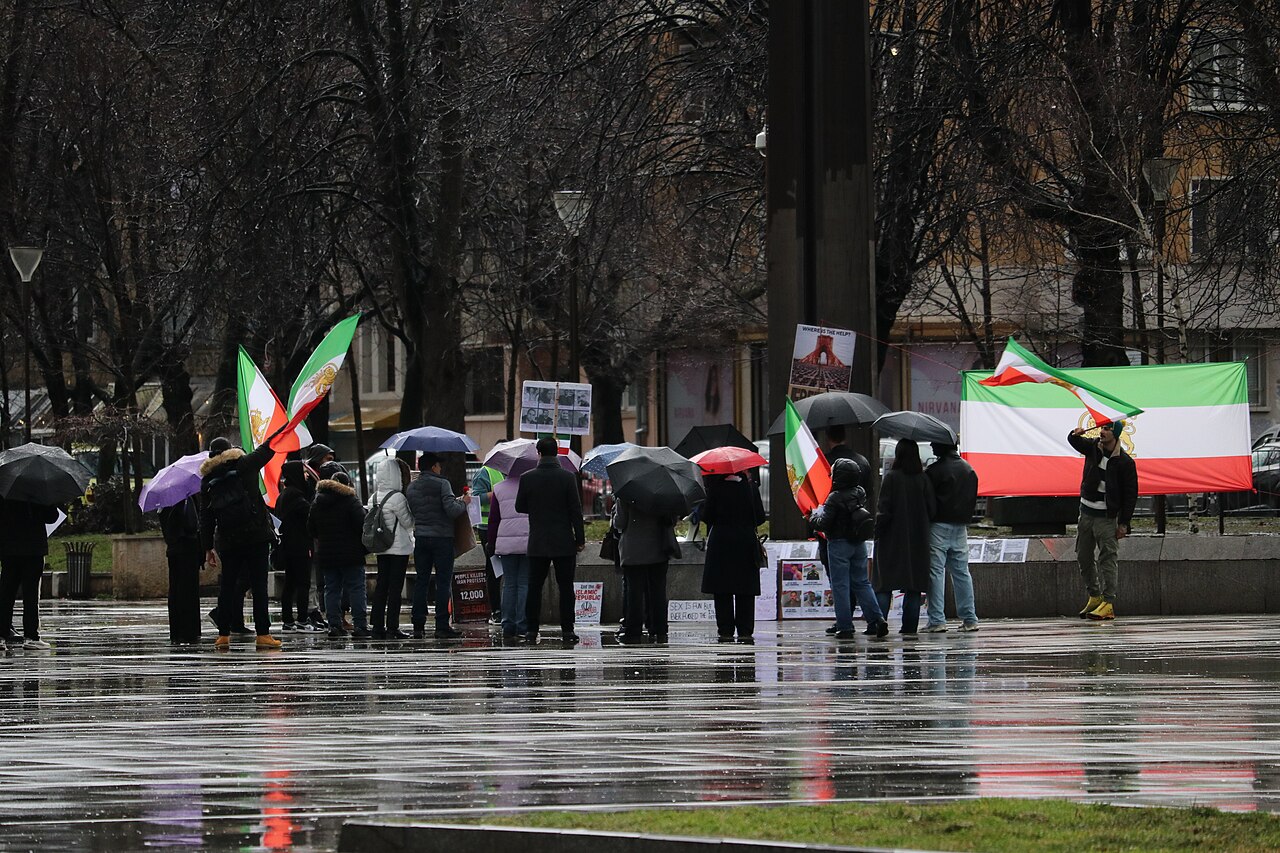
The United States military has officially refuted the assertions made by Iran regarding an alleged strike against a US early-warning radar system located in Bahrain. The denial comes as regional tensions continue to simmer, highlighting the precarious state of the conflict between Tehran and Washington. Military sources reported that US forces successfully intercepted and shot down two single-use attack drones that had been launched by the Islamic Revolutionary Guard Corps (IRGC) targeting Bahrain, confirming that the intercepted projectiles caused no damage.
The Alleged Retaliation and Regional Fallout
Iran had publicly claimed that its military action was a direct response to what Iranian state media characterized as an aerial attack on a telecommunications structure situated within its Hormozgan province. This exchange of claims occurred during a fleeting period of relative calm in a conflict that has rapidly spread across the Middle East. The incident underscores the volatile nature of the current geopolitical standoff, raising concerns about further military escalation in a critical maritime region.
Historical Context of the Standoff
The current crisis finds its roots in earlier military actions. The escalating confrontation began with coordinated strikes conducted by the US and Israel against Iranian targets in late February. Since then, the conflict has expanded its scope throughout the region. Iran has pursued a strategy of challenging international shipping lanes, launching missile and drone assaults against US installations in various Gulf nations. Furthermore, Tehran has attempted to restrict the flow of maritime commerce through the Strait of Hormuz, which serves as a crucial transit route for global supplies of oil and natural gas.
Strategic Countermeasures and Outlook
In response to these aggressive maneuvers, Washington implemented a strategic naval blockade targeting Iranian ports, aiming to disrupt the adversary’s economic capabilities. The lack of immediate comment from the Bahraini government following the drone incident suggests a desire to maintain diplomatic neutrality amid the military flare-up. Analysts suggest that the current ‘fragile lull’ is highly unstable, with both nations maintaining high levels of military readiness. The ongoing confrontation presents a significant risk to global energy markets and regional stability, emphasizing the need for diplomatic de-escalation to prevent a wider military catastrophe.
World Views
UN Watchdog Issues Urgent Warning Over Uninspected Iranian Nuclear Facility
The United Nations’ nuclear oversight body has escalated its alarm regarding a specific uranium enrichment facility in Iran, citing a profound lack of transparency and access. A confidential report released to member states indicates that the International Atomic Energy Agency (IAEA) is increasingly worried about an enrichment plant located in Isfahan. Despite Iran declaring this facility to the agency last year, inspectors have not been granted permission to examine the site, raising serious international security questions.
The Enigma of Isfahan’s Enrichment Plant
The situation is compounded by the fact that Iran continues to restrict access to its nuclear installations that were damaged or destroyed during a major military campaign conducted by Israel and the United States in June of last year. This campaign targeted other key uranium enrichment sites, which form the core of Iran’s nuclear infrastructure. The specific facility in question, identified as the Isfahan Fuel Enrichment Plant (IFEP), was declared to the agency in mid-June 2025. However, the IAEA’s planned inspection on June 13, 2025, coincided with the start of the military action, making an immediate assessment impossible.
Critical Information Gaps and Proliferation Concerns
The agency’s internal assessment highlights a critical deficiency: it lacks precise knowledge regarding the plant’s exact location, its current operational status for safeguards, or whether it houses nuclear material. Furthermore, officials noted that the Agency is increasingly troubled by Iran’s refusal to permit inspections or share the facility’s design schematics. Previously, the head of the IAEA had suggested in March that a substantial quantity of Iran’s highly enriched uranium might be located within the Isfahan tunnel network.
The confidential findings underscore that the lack of verifiable information concerning this nuclear substance, coupled with restricted access to the facilities, constitutes a matter of extreme proliferation concern that requires immediate resolution. The report strongly urges Iran to provide comprehensive details regarding the status of all its enrichment sites, including the quantity of its highly enriched uranium reserves, much of which is nearing weapons-grade material.
Call for Accountability and Transparency
Beyond the specific concerns surrounding IFEP, the IAEA reiterated its demand that Iran allow inspectors to return to the sites that were targeted in the previous year’s conflict. The agency insists that Iran must account for the enriched uranium present at the damaged locations. The organization stressed that the current lack of cooperation and information is unacceptable, emphasizing that the situation must be rectified with the utmost urgency to mitigate global nuclear risks.
