



World Views
Poll Reveals Deepening Tensions as Senator-Elect El-Sayed Faces Jewish Voter Skepticism
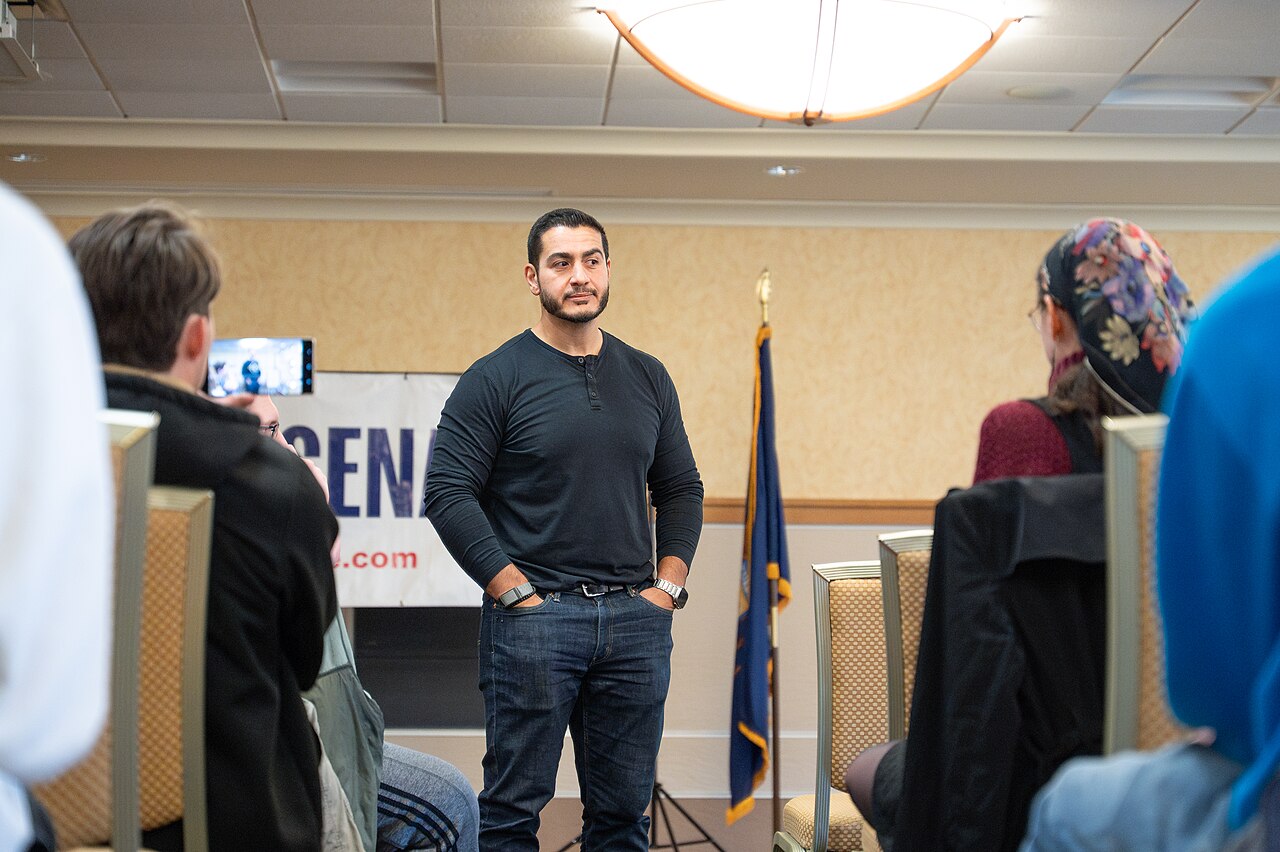
Despite securing his Senate victory, Senator-elect Abdul El-Sayed is facing scrutiny regarding his support among Michigan’s Jewish electorate, according to recent polling data. A new survey conducted by Mercury Public Affairs, representing The Jewish Majority, found that the incoming lawmaker captured only half of the community’s vote in the recent midterm elections, exposing persistent political fault lines within a traditionally Democratic constituency.
The Numbers Don’t Lie: A Tale of Two Candidates
The data indicates that El-Sayed secured 50% of the Jewish vote, while Republican Mike Rogers garnered 43%. Furthermore, the results showed a substantial advantage for Democratic Gov.-elect Jocelyn Benson, who claimed 69% of the community’s support—a margin of 19 percentage points over El-Sayed. The findings suggest that opposition to the Democratic nominee was not merely a reflection of general partisan trends, but was tied directly to concerns about the candidate’s personal conduct and political stances.
Controversy Over Identity and Policy
Analysts suggest that El-Sayed’s difficulties with Jewish voters stem from specific controversies surrounding his rhetoric and positions. These concerns were heavily influenced by his outspoken criticism of Israel and his perceived approach to antisemitism. For instance, in March, he faced backlash after making remarks regarding an attempted terrorist attack against a prominent synagogue in West Bloomfield. While he later issued an apology, the initial comment drew significant community disapproval.
These issues were compounded by his public associations and views on the Israeli-Palestinian conflict. The polling revealed that among Jewish Democrats and those leaning Democratic, Benson received overwhelming support, contrasting sharply with the 70% support El-Sayed achieved. Among those Jewish Democrats who rejected El-Sayed, a significant majority indicated they would support a different Democratic contender. Specific reasons cited by these voters included concerns about antisemitism (87%), his comments following the synagogue incident (84%), and his general stance on Israel (83%).
Implications for the Democratic Party
The results underscore a complex dynamic: while many Jewish Democrats were willing to cross party lines or withhold their vote over candidate suitability, this did not translate into a broader rejection of the Democratic Party itself. The impact was keenly felt in Oakland County, Michigan’s largest Jewish community, where Rogers won the local Jewish vote. Although El-Sayed ultimately secured his Senate seat—making him the first Muslim elected to the United States Senate—the polling raises critical questions. It forces political observers to consider whether Democratic candidates can successfully navigate the sensitive intersection of identity politics, the US-Israel relationship, and concerns over antisemitism without alienating crucial segments of their base.
World Views
UN Watchdog Issues Urgent Warning Over Uninspected Iranian Nuclear Facility
The United Nations’ nuclear oversight body has escalated its alarm regarding a specific uranium enrichment facility in Iran, citing a profound lack of transparency and access. A confidential report released to member states indicates that the International Atomic Energy Agency (IAEA) is increasingly worried about an enrichment plant located in Isfahan. Despite Iran declaring this facility to the agency last year, inspectors have not been granted permission to examine the site, raising serious international security questions.
The Enigma of Isfahan’s Enrichment Plant
The situation is compounded by the fact that Iran continues to restrict access to its nuclear installations that were damaged or destroyed during a major military campaign conducted by Israel and the United States in June of last year. This campaign targeted other key uranium enrichment sites, which form the core of Iran’s nuclear infrastructure. The specific facility in question, identified as the Isfahan Fuel Enrichment Plant (IFEP), was declared to the agency in mid-June 2025. However, the IAEA’s planned inspection on June 13, 2025, coincided with the start of the military action, making an immediate assessment impossible.
Critical Information Gaps and Proliferation Concerns
The agency’s internal assessment highlights a critical deficiency: it lacks precise knowledge regarding the plant’s exact location, its current operational status for safeguards, or whether it houses nuclear material. Furthermore, officials noted that the Agency is increasingly troubled by Iran’s refusal to permit inspections or share the facility’s design schematics. Previously, the head of the IAEA had suggested in March that a substantial quantity of Iran’s highly enriched uranium might be located within the Isfahan tunnel network.
The confidential findings underscore that the lack of verifiable information concerning this nuclear substance, coupled with restricted access to the facilities, constitutes a matter of extreme proliferation concern that requires immediate resolution. The report strongly urges Iran to provide comprehensive details regarding the status of all its enrichment sites, including the quantity of its highly enriched uranium reserves, much of which is nearing weapons-grade material.
Call for Accountability and Transparency
Beyond the specific concerns surrounding IFEP, the IAEA reiterated its demand that Iran allow inspectors to return to the sites that were targeted in the previous year’s conflict. The agency insists that Iran must account for the enriched uranium present at the damaged locations. The organization stressed that the current lack of cooperation and information is unacceptable, emphasizing that the situation must be rectified with the utmost urgency to mitigate global nuclear risks.
World Views
Global Safety Net: Major Jewish Organizations Launch International Crisis Response Unit
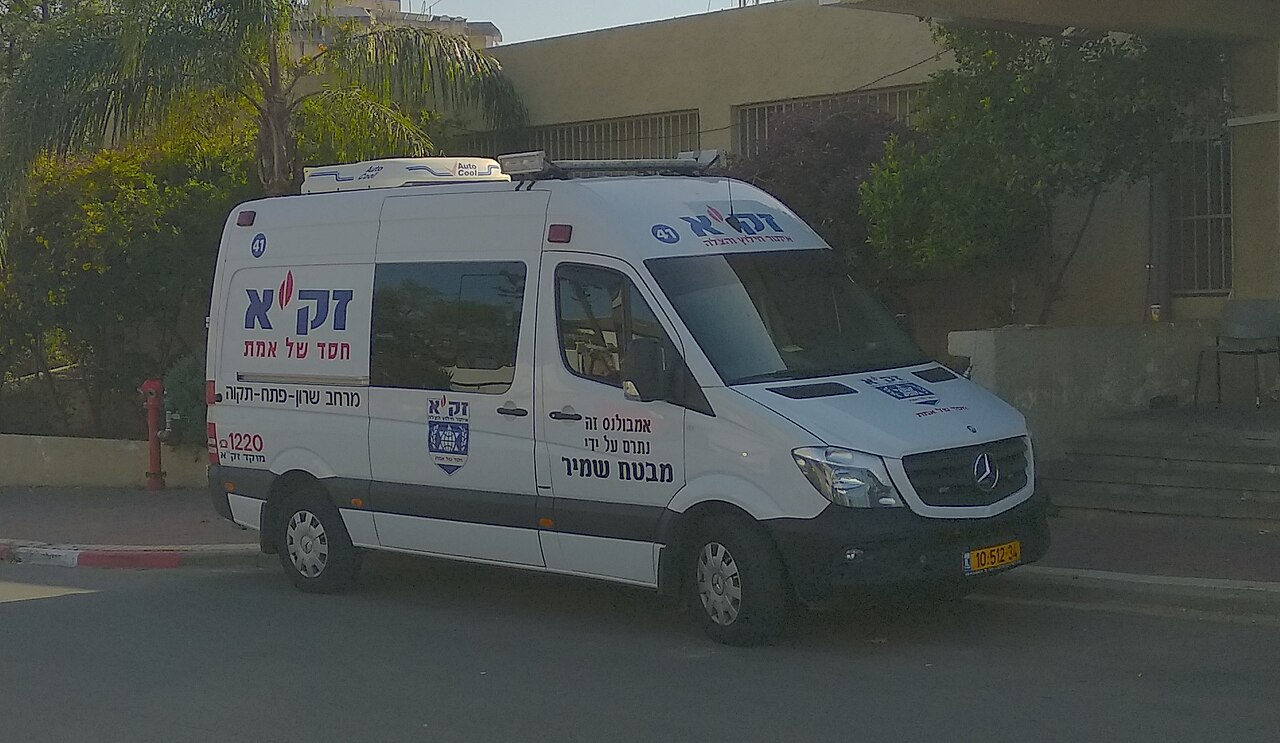
In a significant move aimed at enhancing global preparedness, the Israeli non-profit ZAKA and the worldwide Orthodox Jewish movement Chabad have forged a powerful alliance. This partnership establishes an international emergency response network designed to provide crucial search-and-rescue services, disaster relief, and dignified support to Jewish communities facing crises across the globe. The initiative was formally announced during the largest gathering of Jewish leaders, the 43rd International Conference of Chabad-Lubavitch Emissaries, held recently in New York.
Operationalizing Global Reach
The collaboration merges ZAKA’s specialized expertise in disaster recovery and the respectful handling of human remains with the extensive global footprint of Chabad emissaries. ZAKA is renowned for its volunteer-based operations in search and rescue and disaster recovery, while Chabad representatives serve as vital humanitarian, educational, and religious anchors in communities worldwide. This union effectively combines highly specialized rescue capabilities with deep local community reach, ensuring assistance can be mobilized wherever a disaster strikes.
Training and Dedication
To ensure the unit operates effectively while adhering to religious customs, ZAKA will provide comprehensive training. This instruction covers not only advanced emergency protocols but also guidance on Jewish religious law. Dubi Weissenstern, chief executive of ZAKA Search & Rescue, emphasized the critical importance of this partnership, noting that it strengthens the community’s ability to react to emergencies globally. He stressed the need to ensure that no community is left isolated during a crisis, highlighting that trained personnel must be available instantly when lives are at stake. Furthermore, the unit will be guided spiritually by Rabbi Yoram Ulman and managed operationally by Yossi Landau, commander of ZAKA’s International Unit.
A Broader Commitment to Global Infrastructure
The announcement of the emergency response unit was part of a larger unveiling of Chabad’s global commitment. During the conference, which attracted nearly 7,000 attendees from 110 nations, leadership also presented several major infrastructure initiatives. These include the establishment of a $50 million Education Fund to provide tuition scholarships and a Building Fund designed to support emissaries in developing or expanding permanent community centers. Additionally, the movement announced the creation of its first CTeen House, a dedicated space intended to foster Jewish identity and provide a safe environment for young people. This strategic expansion underscores the movement’s dedication to strengthening its global presence and resources, positioning the new emergency network as a pivotal component of this larger humanitarian and communal effort.
World Views
Analysis of Institutionalized Extremist Rhetoric within Palestinian Authority Religious Circles

A disturbing pattern of violent religious rhetoric has been documented emanating from senior religious figures within the Palestinian Authority (PA), raising serious concerns about the normalization of extreme hostility. Investigative reports indicate that PA religious leaders frequently deliver sermons in mosques that explicitly call upon followers to target and destroy perceived enemies. This persistent messaging, amplified through official state television channels, transforms religious services into platforms for incitement, shifting the focus from spiritual guidance to calls for physical action.
The Nature of the Violent Appeals
The documentation reveals that these appeals are not isolated incidents. Senior Shari’ah judges and other religious officials have repeatedly used public forums, including Friday prayers, to issue highly aggressive directives. For example, one publicized sermon featured a PA judge invoking divine power to strike and eliminate adversaries, using precise, systematic language that demanded the total eradication of those identified as enemies of their religion and people. This language moves beyond general anger, employing mathematical precision to demand comprehensive destruction.
Palestinian Media Watch has chronicled this phenomenon over many years, noting that the calls for violence against Jewish communities have been a recurring feature in both mosque addresses and official PA broadcasts. The repetitive nature of these sermons is a key element of the concern. Experts suggest that when authoritative figures continually reiterate extreme concepts during routine religious rituals, the message gradually ceases to be viewed as radical and instead becomes integrated into a perceived religious or political duty.
The Psychological Impact of Repetition
The constant reinforcement of violent ideology holds significant psychological weight. As sociologists observe, the consistent exposure to extreme ideas, particularly when delivered by trusted institutional figures, alters the mindset of the audience. What begins as a provocative statement can, through continuous repetition, become accepted as a normal or even necessary course of action. This institutional repetition effectively normalizes hatred and violence within the community structure.
Broader Political Implications
The dissemination of this rhetoric via official PA media suggests a systemic endorsement of these views, rather than merely individual extremism. The use of state-controlled television to broadcast these sermons elevates the calls for destruction from personal opinions to institutional policy. This dynamic presents a profound challenge to regional stability, indicating that the messaging of hostility is deeply ingrained within certain segments of the PA’s religious and political infrastructure. International observers are increasingly scrutinizing how this continuous ideological conditioning impacts the broader socio-political landscape of the region.
