



World Views
Irish University Drops EU Clean Energy Project Amid Escalating Anti-Israel Campaign
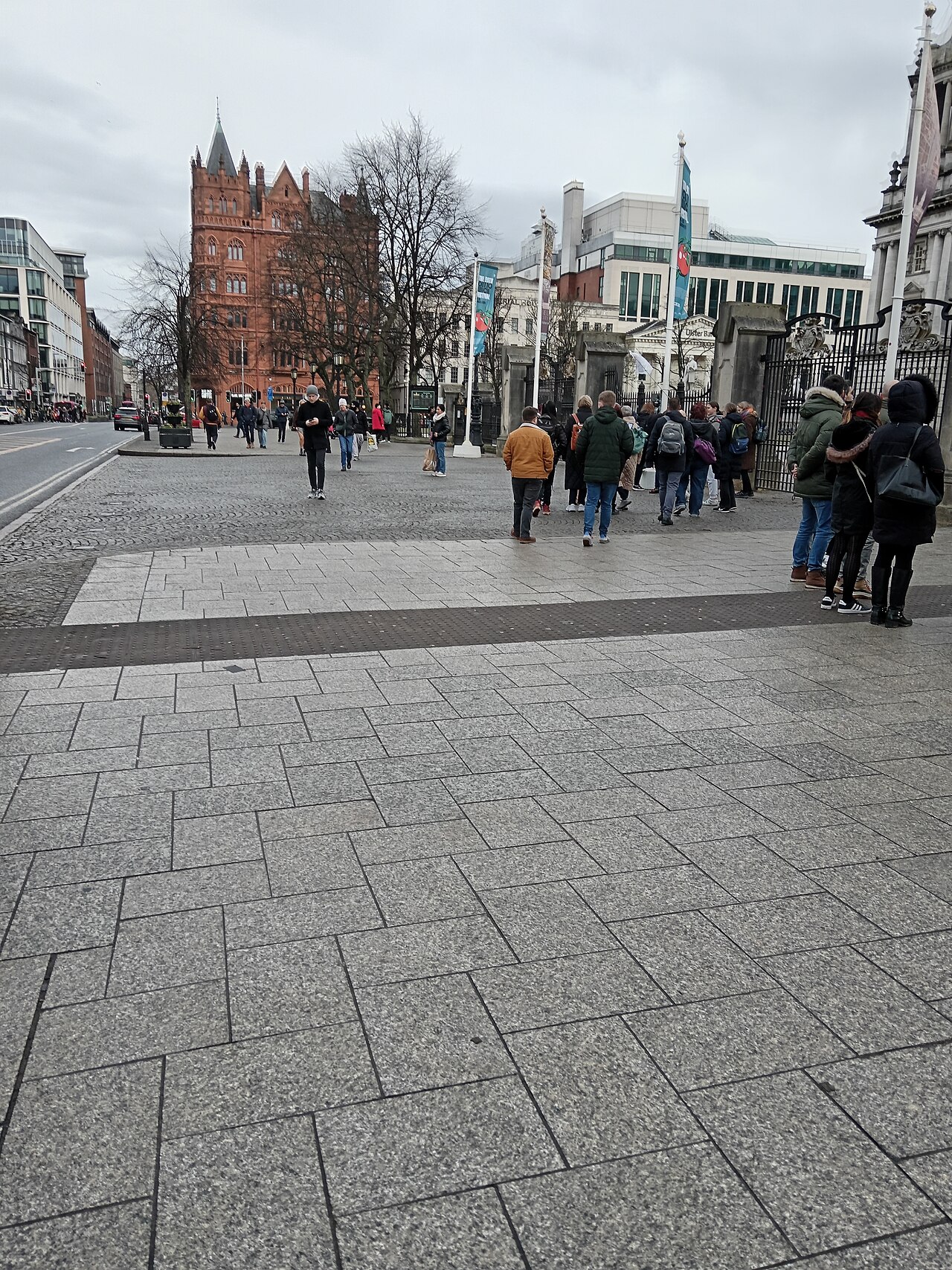
A prominent public research institution in western Ireland has severed ties with a major European clean energy initiative, choosing to withdraw from a collaborative project involving an Israeli technology firm. The University of Galway announced its departure from Asterisk, a substantial European Commission-funded endeavor aimed at developing methods to create green hydrogen directly from seawater. This decision comes amidst a sustained and growing grassroots movement advocating for institutional isolation of Israel, a trend that has significantly amplified the country’s diplomatic and academic tensions with the Jewish state.
The Fallout of the Withdrawal
The Asterisk project, valued at $4.6 million, was designed to pool expertise from various European and Israeli research and industry partners, including the Israel Institute of Technology in Haifa. However, internal pressure from student unions and faculty members led to the university’s exit. Protesters repeatedly argued that the partnership with the Israeli university was compromised by its involvement in defense and security technology development. University President Professor David Burn confirmed the formal withdrawal to the European Commission and pledged that the university would not pursue future research agreements with Israeli organizations.
Irish President Catherine Connolly publicly commended the university’s action, emphasizing that the boycott effort demonstrated the significant power of local community action. This move places Ireland’s increasingly vocal stance against Israel into the international spotlight, even as the nation appears willing to sacrifice high-level scientific research in the pursuit of its political aims.
A Wider Shift in National Policy
The university’s decision mirrors a broader trend of escalating anti-Israel sentiment within Irish institutions and government policy. Since the commencement of the Gaza conflict, the nation’s relationship with Israel has deteriorated sharply, with Dublin adopting a stance that is one of Europe’s staunchest critics. The government has advanced several measures aimed at isolating Israel politically and economically, including recognizing a Palestinian state and intervening in international legal cases.
These policy shifts extend beyond diplomatic rhetoric. Ireland has imposed new trade restrictions, specifically banning imports from Israeli settlements in the West Bank and Eastern Jerusalem. Furthermore, institutional boycotts are gaining traction in critical sectors. For instance, the Irish Hospital Consultants Association recently passed a resolution calling on its members to avoid using products from Teva Pharmaceuticals, a major Israeli drug manufacturer. This action raises concerns, given that the company’s generic medicines provided substantial economic savings for Ireland’s public healthcare system.
Academic and Economic Isolation
The pressure to cut ties is pervasive, affecting academia, trade, and even military procurement. While the government has stated intentions to distance state purchasing from Israeli companies, reports indicate that national police forces have recently acquired Israeli-made technology. The Campus Anti-Genocide Coalition has reinforced its call for a comprehensive cultural and economic boycott, insisting that there should be no amicable relations with what they term an apartheid state. This confluence of academic, governmental, and professional pressure signals a deep, systemic pivot toward isolating Israel across all facets of Irish life.
World Views
Tragedy Turns Political Firestorm: Oil Worker Deaths Spark Anti-Regime Protests in Iran
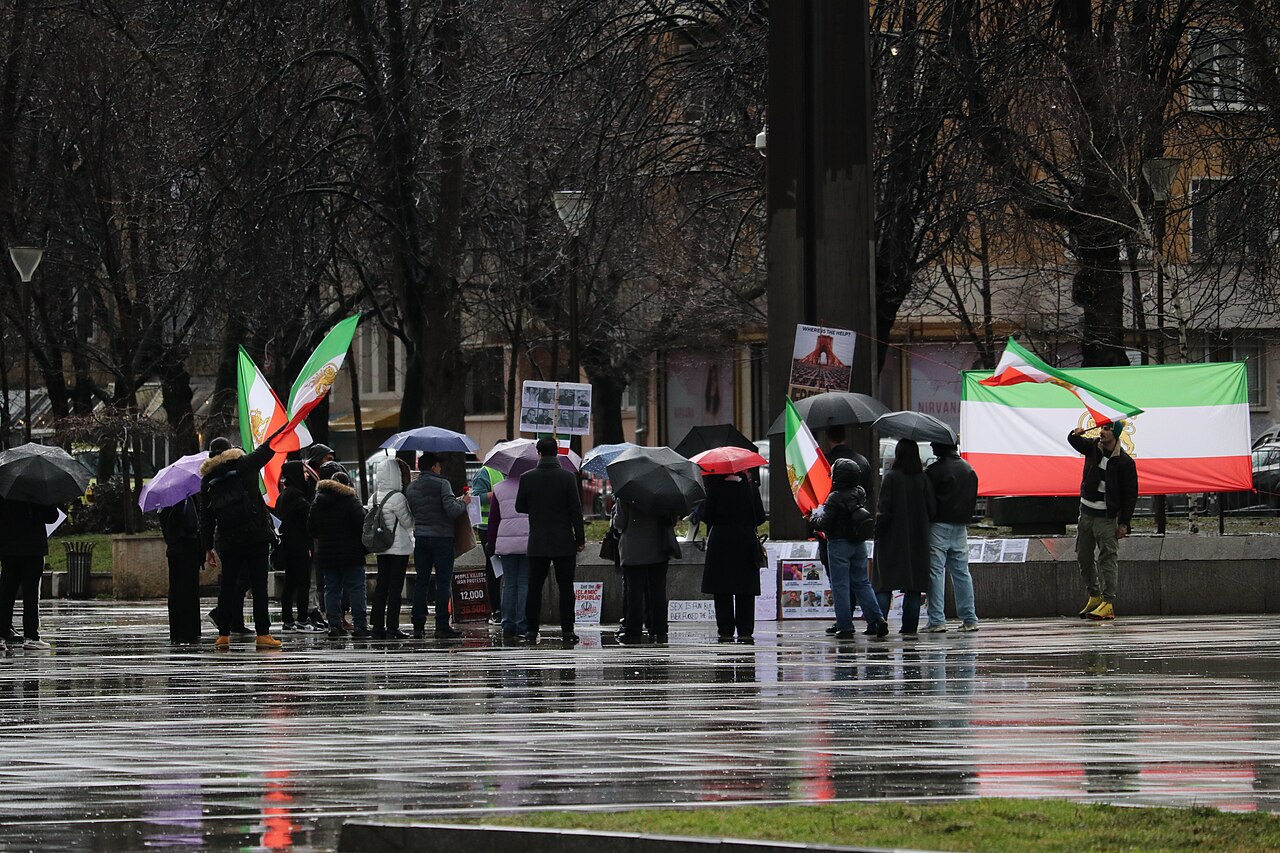
A fatal bus accident that claimed the lives of thirteen employees from Iran’s oil sector has rapidly metastasized into a sweeping political crisis, igniting massive demonstrations across the western city of Abdanan. What began as a localized demand for governmental accountability following the deadly crash quickly escalated into open defiance against the Islamic Republic’s ruling structure, with demonstrators vocally calling for the regime’s complete overthrow.
The Rapid Escalation of Dissent
Hundreds of residents took to the streets after the transport vehicle, which was moving refinery workers, overturned on Saturday. Initial gatherings focused on mourning the victims and demanding that local authorities address alleged negligence. However, the momentum swiftly shifted. Protesters began using highly charged slogans, including calls for the demise of the current political leadership and vocal support for the monarchy that existed before the 1979 revolution. Footage circulating online showed demonstrators chanting messages that referenced the return of the Pahlavi dynasty and criticizing the current Supreme Leader.
The protests broadened their scope beyond the immediate tragedy, incorporating deep-seated national grievances. Activists highlighted pervasive issues such as rising consumer costs, systemic corruption, and widespread poverty. The demonstrations served as a powerful platform for citizens to challenge the legitimacy of the Islamic government, even directing their anger toward the nation’s founder and the current leader.
Government Crackdown and National Solidarity
The government responded swiftly, deploying security forces to contain the swelling crowds. Reports indicated that security personnel utilized tear gas and pellet fire against demonstrators, leading to the arrest of at least four Kurdish citizens. Meanwhile, authorities issued warnings, urging citizens to remain calm and cautioning that those who participated in public disruption would face legal repercussions. The state media outlet, affiliated with the Islamic Revolutionary Guard Corps, acknowledged the gatherings, noting that the slogans had acquired a political dimension, though it avoided specifying their content.
Yet, the unrest has found resonance far beyond Abdanan. Messages of solidarity have emerged from numerous other cities across Iran, including Tehran and Bandar Abbas. These messages link the local protests to broader economic dissatisfaction and recall the nationwide uprisings of January 2026. The closure of the city’s bazaar in support of the victims further underscored the depth of the public unrest. Analysts suggest that the incident has tapped into a national vein of frustration, transforming a workplace tragedy into a major catalyst for renewed political upheaval across the country.
World Views
Italy Enacts Landmark Bill Adopting Global Antisemitism Definition Amid Rising Hate Concerns

Italy’s government has formally passed legislation incorporating the International Holocaust Remembrance Alliance’s (IHRA) working definition of antisemitism into national law. This development has been widely celebrated by the nation’s Jewish community as a robust measure intended to safeguard Jewish life and counter escalating hostility directed toward Jewish people and Israelis across the country. The passage of the bill signifies a significant governmental commitment to combating anti-Jewish hatred, despite facing strong opposition from certain left-wing political factions and pro-Palestinian advocacy groups.
Legislative Scope and Context of Escalation
The parliamentary vote, which passed with a decisive majority, establishes guiding principles for the government’s existing strategy against anti-Jewish prejudice. Crucially, the law does not introduce novel criminal charges or penalties. Supporters argue that this measure is a necessary response to the sharp increase in hostile incidents faced by Italian Jews, particularly following the atrocities in southern Israel in October 2023. Jewish community leaders praised the act as a vital reinforcement of democratic principles, stating that the fight against prejudice must be viewed as a societal responsibility, not merely a partisan issue.
International Reactions and Civil Liberties Debate
The move has garnered significant international praise. A senior Israeli diplomat lauded the legislation as a prime example of global zero-tolerance efforts against prejudice, specifically welcoming the inclusion of the IHRA definition and the emphasis placed on educating the public and combating online hate. Conversely, critics have expressed serious reservations. Human rights organizations have cautioned that the definition could potentially restrict legitimate political discourse, arguing that it might limit the ability to critique policies of the Israeli government without inviting legal scrutiny. Opponents contend that the legislation risks stifling criticism of the Israeli-Palestinian conflict by exploiting the definition.
The IHRA definition, adopted by dozens of nations, provides a comprehensive framework that extends beyond historical acts of hatred to include modern forms of prejudice, such as denial of the Jewish state’s right to exist. This legal shift comes as documented data reveals an alarming trend in Italy. According to monitoring bodies, the number of reported antisemitic incidents has surged dramatically, with official figures showing a substantial increase in reports over the past three years, reaching unprecedented levels in recent years.
World Views
Tensions Flare in Manchester as Pro-Palestinian Demonstrators Target Jewish Community Facility

A significant incident of public unrest occurred in Manchester last Sunday evening, where activists advocating for Palestinian rights gathered outside a local Jewish community and sports complex. Demonstrators held signs and displayed Palestinian flags in protest of a private commercial event being hosted within the facility, which was reportedly organized by an Israeli company. The gathering took place while Jewish children were actively participating in recreational activities on the premises, drawing intense concern from local residents and community security groups.
Incident Details and Community Response
The protest targeted the Manchester Maccabi Community and Sports Club in Prestwich. The demonstration was specifically reacting to an event advertised by the Paragon Group, which offered free consultations regarding Israeli real estate investment and relocation. Local members of the Jewish community, worried about the safety of minors, contacted the local neighborhood watch organization, Shomrim. Volunteers from this group were dispatched to the site and subsequently coordinated with Greater Manchester Police officers. Authorities eventually managed to escort the group of protesters away from the establishment, though no arrests were made during the event.
Shomrim Manchester emphasized that individuals should be able to access communal facilities and engage in leisure activities without experiencing intimidation or feeling unsafe. The Maccabi facility stated that it strongly opposed the demonstration organizers, asserting that their actions aimed to introduce conflict and scare tactics into the city and against the local Jewish population. The center noted that its security team did not recognize the demonstrators, suggesting they might not be local residents.
Broader Perspective on Intimidation and Security
The incident prompted strong condemnation from various Jewish advocacy organizations. The National Jewish Assembly, a pro-Israel organization, characterized the act of displaying Palestinian flags near a sports ground where Jewish children were playing as harassment and deliberate antagonism, stating that this reflects the normalization of anti-Jewish sentiment. Similarly, the Jewish Representative Council for Greater Manchester and the surrounding area denounced the gathering, describing it as deeply troubling. They stressed that the act of protesting outside a Jewish communal building with the specific goal of intimidating community members must be unequivocally condemned.
In response to the heightened tension, the Manchester Maccabi Community and Sports Club confirmed that police officers returned to the site on Monday morning to offer support. The club announced plans to collaborate with the Community Security Trust, which monitors antisemitism in Britain, and the local Bury Council. These discussions aim to explore measures that will strengthen the overall security of the site moving forward, ensuring that the public right of way remains accessible while enhancing community protection.
