



World Views
Italy Enacts Landmark Bill Adopting Global Antisemitism Definition Amid Rising Hate Concerns

Italy’s government has formally passed legislation incorporating the International Holocaust Remembrance Alliance’s (IHRA) working definition of antisemitism into national law. This development has been widely celebrated by the nation’s Jewish community as a robust measure intended to safeguard Jewish life and counter escalating hostility directed toward Jewish people and Israelis across the country. The passage of the bill signifies a significant governmental commitment to combating anti-Jewish hatred, despite facing strong opposition from certain left-wing political factions and pro-Palestinian advocacy groups.
Legislative Scope and Context of Escalation
The parliamentary vote, which passed with a decisive majority, establishes guiding principles for the government’s existing strategy against anti-Jewish prejudice. Crucially, the law does not introduce novel criminal charges or penalties. Supporters argue that this measure is a necessary response to the sharp increase in hostile incidents faced by Italian Jews, particularly following the atrocities in southern Israel in October 2023. Jewish community leaders praised the act as a vital reinforcement of democratic principles, stating that the fight against prejudice must be viewed as a societal responsibility, not merely a partisan issue.
International Reactions and Civil Liberties Debate
The move has garnered significant international praise. A senior Israeli diplomat lauded the legislation as a prime example of global zero-tolerance efforts against prejudice, specifically welcoming the inclusion of the IHRA definition and the emphasis placed on educating the public and combating online hate. Conversely, critics have expressed serious reservations. Human rights organizations have cautioned that the definition could potentially restrict legitimate political discourse, arguing that it might limit the ability to critique policies of the Israeli government without inviting legal scrutiny. Opponents contend that the legislation risks stifling criticism of the Israeli-Palestinian conflict by exploiting the definition.
The IHRA definition, adopted by dozens of nations, provides a comprehensive framework that extends beyond historical acts of hatred to include modern forms of prejudice, such as denial of the Jewish state’s right to exist. This legal shift comes as documented data reveals an alarming trend in Italy. According to monitoring bodies, the number of reported antisemitic incidents has surged dramatically, with official figures showing a substantial increase in reports over the past three years, reaching unprecedented levels in recent years.
World Views
Tensions Flare in Manchester as Pro-Palestinian Demonstrators Target Jewish Community Facility

A significant incident of public unrest occurred in Manchester last Sunday evening, where activists advocating for Palestinian rights gathered outside a local Jewish community and sports complex. Demonstrators held signs and displayed Palestinian flags in protest of a private commercial event being hosted within the facility, which was reportedly organized by an Israeli company. The gathering took place while Jewish children were actively participating in recreational activities on the premises, drawing intense concern from local residents and community security groups.
Incident Details and Community Response
The protest targeted the Manchester Maccabi Community and Sports Club in Prestwich. The demonstration was specifically reacting to an event advertised by the Paragon Group, which offered free consultations regarding Israeli real estate investment and relocation. Local members of the Jewish community, worried about the safety of minors, contacted the local neighborhood watch organization, Shomrim. Volunteers from this group were dispatched to the site and subsequently coordinated with Greater Manchester Police officers. Authorities eventually managed to escort the group of protesters away from the establishment, though no arrests were made during the event.
Shomrim Manchester emphasized that individuals should be able to access communal facilities and engage in leisure activities without experiencing intimidation or feeling unsafe. The Maccabi facility stated that it strongly opposed the demonstration organizers, asserting that their actions aimed to introduce conflict and scare tactics into the city and against the local Jewish population. The center noted that its security team did not recognize the demonstrators, suggesting they might not be local residents.
Broader Perspective on Intimidation and Security
The incident prompted strong condemnation from various Jewish advocacy organizations. The National Jewish Assembly, a pro-Israel organization, characterized the act of displaying Palestinian flags near a sports ground where Jewish children were playing as harassment and deliberate antagonism, stating that this reflects the normalization of anti-Jewish sentiment. Similarly, the Jewish Representative Council for Greater Manchester and the surrounding area denounced the gathering, describing it as deeply troubling. They stressed that the act of protesting outside a Jewish communal building with the specific goal of intimidating community members must be unequivocally condemned.
In response to the heightened tension, the Manchester Maccabi Community and Sports Club confirmed that police officers returned to the site on Monday morning to offer support. The club announced plans to collaborate with the Community Security Trust, which monitors antisemitism in Britain, and the local Bury Council. These discussions aim to explore measures that will strengthen the overall security of the site moving forward, ensuring that the public right of way remains accessible while enhancing community protection.
World Views
Iraq’s Prime Minister Prepares for High-Stakes Confrontation with Iran-Backed Militias
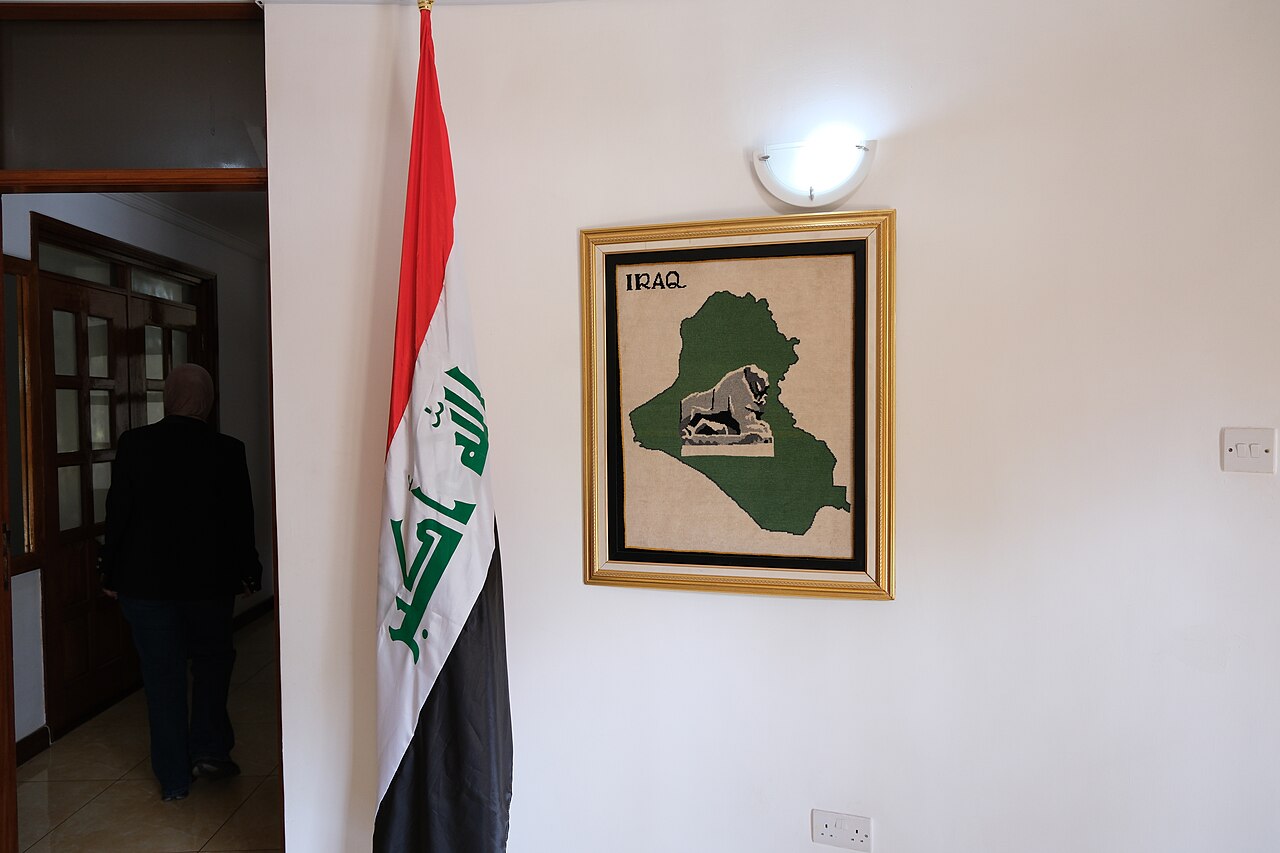
Iraq’s newly appointed Prime Minister, Ali al-Zaidi, is reportedly preparing for a confrontation that analysts suggest represents the most perilous political maneuver of his tenure. The 41-year-old leader, who transitioned from a successful business career into politics, has issued directives to his security forces to prepare for a direct engagement with powerful Shi’ite militias that serve as proxies for Iran. This bold move directly challenges the deep-rooted influence of Tehran within the country’s political and security landscape.
Targeting Corruption and State Authority
The primary focus of this planned crackdown is Kataib Hezbollah, a heavily armed organization that has been designated a terrorist entity by the United States. Security officials have leveled serious accusations against the militia, alleging that it operated a large-scale smuggling operation that diverted vast sums of state-owned oil revenue. In response to internal investigations centered in Jurf al-Sakhar, a key stronghold in Babil province, nine high-ranking security and oil sector officials have already been removed from their posts. Zaidi has ordered military and security commanders to reinforce the area, signaling government intent to enter the city and assert state control.
A Political Gamble with Extreme Stakes
Political observers have warned that Zaidi’s public commitment to confronting armed factions, including groups aligned with Iran, carries immense personal and political danger. Analysts note that these organizations possess significant military capacity and have a proven willingness to employ force against those who challenge their authority. The situation presents a critical test of the government’s ability to enforce its mandate, with consequences potentially reaching far beyond domestic political squabbles. Despite the risks, Zaidi has made clear his determination to proceed with the disarmament campaign, stating he would ‘not back down’ from the effort to place all weaponry under government control, even if it posed a threat to his own life.
Navigating Geopolitical Pressures
Zaidi, who entered politics as a compromise candidate, benefits from notable support from Washington, a factor many recent Iraqi leaders lacked. Furthermore, external pressure from the Trump administration has reportedly encouraged him to dismantle the militias, particularly those involved in attacks against international interests in Saudi Arabia and the UAE. However, the path ahead is fraught with peril. The militias have demonstrated the capacity to fight back; indeed, a previous attempt at a similar operation five years ago resulted in a drone strike targeting the Prime Minister’s Baghdad residence, which authorities classified as an assassination attempt. As Zaidi moves forward, he must carefully balance the need to assert sovereignty against the formidable military power of the Iran-linked groups.
World Views
London Imposes Sweeping Sanctions on Israeli Construction Firms and Aid Blocker
The United Kingdom has announced a significant new package of sanctions targeting both construction companies involved in expanding Israeli settlements in the West Bank and a specific activist group accused of obstructing humanitarian aid into Gaza. The move, spearheaded by British Foreign Secretary Ed Miliband, represents a major diplomatic escalation, positioning the UK as a key international actor in the ongoing debate over the viability of a two-state solution. The sanctions specifically aim to disrupt the financial lifelines supporting illegal settlement development and ensure the flow of essential supplies to civilians in the Gaza Strip.
Targeting Settlement Expansion and Development
The sanctions package zeroes in on eight Israeli firms implicated in developing housing projects within the disputed territory. These companies, including Har Hevron Development Company Ltd and Hemdat Shomron Ltd, face asset freezes and director disqualifications. The measures were timed to precede final tender deadlines for the massive E1 project, a development that critics argue would effectively bisect the West Bank and sever East Jerusalem from the rest of the territory. Officials stated that the government’s primary objective is to protect the concept of a viable two-state political arrangement, warning companies that they would be clamped down upon if they participate in settlement growth.
Blocking Aid and Diplomatic Friction
Alongside the corporate measures, the Foreign Office targeted Tzav 9, an activist organization accused of organizing blockades that prevented aid convoys—carrying necessities like food and fuel—from reaching Gaza. Miliband affirmed that aid must be permitted to reach those in urgent need, emphasizing that those who impede this delivery must face the legal repercussions. The action comes after the UK had previously announced plans to overhaul its global human rights sanctions program and join other nations in resetting its approach to Israeli activities in the West Bank.
Geopolitical Ripples and Deteriorating Ties
The decision has immediately triggered a sharp rebuke from Israeli leadership. Foreign Minister Gideon Saar characterized the sanctions as a hostile action against private, lawful businesses. Saar indicated that the Israeli government would evaluate and implement various countermeasures in response to London’s actions. This development underscores a significant and deepening rift in the bilateral relationship between Britain and Israel. The sanctions follow a pattern of increasing diplomatic tension, including previous trade measures and threats by Jerusalem regarding the closure of the British Consulate in East Jerusalem.
The move places the UK alongside other partners who have taken steps to limit the flow of resources to settlements. While the Palestinian Authority welcomed the measures and called for international solidarity, the sanctions solidify the UK’s position in a complex and increasingly polarized international landscape, signaling a firm commitment to international norms over traditional diplomatic alignment.
