



World Views
Iraq’s Prime Minister Prepares for High-Stakes Confrontation with Iran-Backed Militias
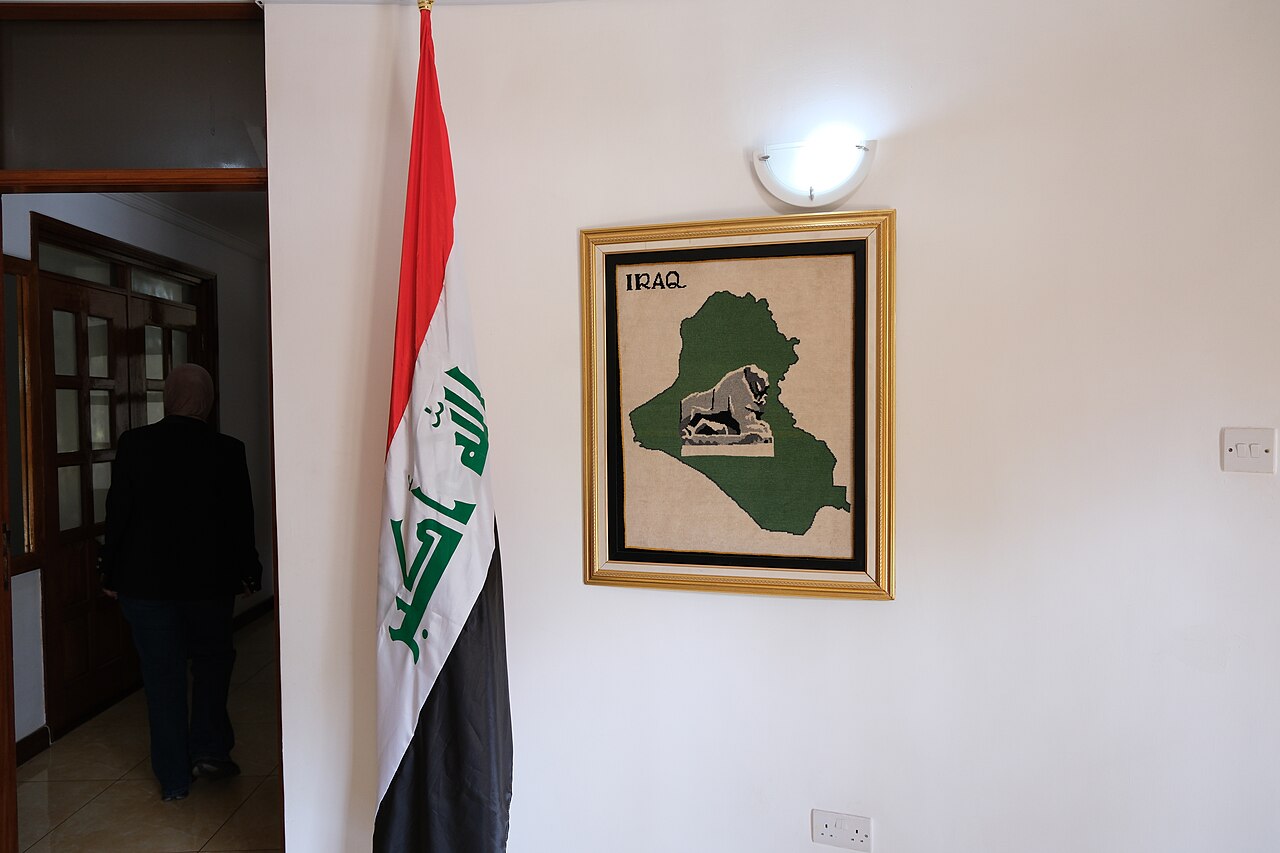
Iraq’s newly appointed Prime Minister, Ali al-Zaidi, is reportedly preparing for a confrontation that analysts suggest represents the most perilous political maneuver of his tenure. The 41-year-old leader, who transitioned from a successful business career into politics, has issued directives to his security forces to prepare for a direct engagement with powerful Shi’ite militias that serve as proxies for Iran. This bold move directly challenges the deep-rooted influence of Tehran within the country’s political and security landscape.
Targeting Corruption and State Authority
The primary focus of this planned crackdown is Kataib Hezbollah, a heavily armed organization that has been designated a terrorist entity by the United States. Security officials have leveled serious accusations against the militia, alleging that it operated a large-scale smuggling operation that diverted vast sums of state-owned oil revenue. In response to internal investigations centered in Jurf al-Sakhar, a key stronghold in Babil province, nine high-ranking security and oil sector officials have already been removed from their posts. Zaidi has ordered military and security commanders to reinforce the area, signaling government intent to enter the city and assert state control.
A Political Gamble with Extreme Stakes
Political observers have warned that Zaidi’s public commitment to confronting armed factions, including groups aligned with Iran, carries immense personal and political danger. Analysts note that these organizations possess significant military capacity and have a proven willingness to employ force against those who challenge their authority. The situation presents a critical test of the government’s ability to enforce its mandate, with consequences potentially reaching far beyond domestic political squabbles. Despite the risks, Zaidi has made clear his determination to proceed with the disarmament campaign, stating he would ‘not back down’ from the effort to place all weaponry under government control, even if it posed a threat to his own life.
Navigating Geopolitical Pressures
Zaidi, who entered politics as a compromise candidate, benefits from notable support from Washington, a factor many recent Iraqi leaders lacked. Furthermore, external pressure from the Trump administration has reportedly encouraged him to dismantle the militias, particularly those involved in attacks against international interests in Saudi Arabia and the UAE. However, the path ahead is fraught with peril. The militias have demonstrated the capacity to fight back; indeed, a previous attempt at a similar operation five years ago resulted in a drone strike targeting the Prime Minister’s Baghdad residence, which authorities classified as an assassination attempt. As Zaidi moves forward, he must carefully balance the need to assert sovereignty against the formidable military power of the Iran-linked groups.
World Views
London Imposes Sweeping Sanctions on Israeli Construction Firms and Aid Blocker
The United Kingdom has announced a significant new package of sanctions targeting both construction companies involved in expanding Israeli settlements in the West Bank and a specific activist group accused of obstructing humanitarian aid into Gaza. The move, spearheaded by British Foreign Secretary Ed Miliband, represents a major diplomatic escalation, positioning the UK as a key international actor in the ongoing debate over the viability of a two-state solution. The sanctions specifically aim to disrupt the financial lifelines supporting illegal settlement development and ensure the flow of essential supplies to civilians in the Gaza Strip.
Targeting Settlement Expansion and Development
The sanctions package zeroes in on eight Israeli firms implicated in developing housing projects within the disputed territory. These companies, including Har Hevron Development Company Ltd and Hemdat Shomron Ltd, face asset freezes and director disqualifications. The measures were timed to precede final tender deadlines for the massive E1 project, a development that critics argue would effectively bisect the West Bank and sever East Jerusalem from the rest of the territory. Officials stated that the government’s primary objective is to protect the concept of a viable two-state political arrangement, warning companies that they would be clamped down upon if they participate in settlement growth.
Blocking Aid and Diplomatic Friction
Alongside the corporate measures, the Foreign Office targeted Tzav 9, an activist organization accused of organizing blockades that prevented aid convoys—carrying necessities like food and fuel—from reaching Gaza. Miliband affirmed that aid must be permitted to reach those in urgent need, emphasizing that those who impede this delivery must face the legal repercussions. The action comes after the UK had previously announced plans to overhaul its global human rights sanctions program and join other nations in resetting its approach to Israeli activities in the West Bank.
Geopolitical Ripples and Deteriorating Ties
The decision has immediately triggered a sharp rebuke from Israeli leadership. Foreign Minister Gideon Saar characterized the sanctions as a hostile action against private, lawful businesses. Saar indicated that the Israeli government would evaluate and implement various countermeasures in response to London’s actions. This development underscores a significant and deepening rift in the bilateral relationship between Britain and Israel. The sanctions follow a pattern of increasing diplomatic tension, including previous trade measures and threats by Jerusalem regarding the closure of the British Consulate in East Jerusalem.
The move places the UK alongside other partners who have taken steps to limit the flow of resources to settlements. While the Palestinian Authority welcomed the measures and called for international solidarity, the sanctions solidify the UK’s position in a complex and increasingly polarized international landscape, signaling a firm commitment to international norms over traditional diplomatic alignment.
World Views
Escalation Risks Mount as US and Iran Exchange Fire Despite Diplomatic Efforts
The fragile diplomatic efforts aimed at de-escalating tensions between the United States and Iran have been severely tested following a violent exchange of military actions this week. The conflict reignited when the United States launched an aerial strike against an Iranian missile launch facility on Qeshm Island. This action came in direct response to claims by Iranian forces that they had targeted a US military radar station located in Bahrain, demonstrating the dangerous volatility persisting in the region.
Immediate Military and Diplomatic Fallout
The exchange represents a stark reminder of the deep-seated difficulties in ending nearly nine months of ongoing conflict that has severely destabilized the Middle East. A US military source confirmed that fighter jets targeted a Revolutionary Guards launch site in the Strait of Hormuz, citing Iran’s ‘aggression targeting US personnel and assets.’ Conversely, Iranian media reported that their strike on the Bahraini base did not result in infrastructure damage. Bahrain, which hosts the headquarters of the US Fifth Fleet, confirmed intercepting the attack with no reports of casualties. Simultaneously, diplomatic channels were active, with officials from Qatar and Iran meeting to discuss ‘bridging perspectives,’ while Iranian Foreign Minister Abbas Araqchi was also engaged in talks with Oman’s leadership regarding maritime security and preventing military escalation.
The Critical Choke Point and Regional Instability
The Strait of Hormuz remains a critical global waterway, carrying a substantial portion of the world’s oil and natural gas supplies. This vital passage is currently under pressure, with increased incidents involving commercial tankers. Reports indicated that both Iran’s Revolutionary Guards and navy claimed oil and LNG tankers caught fire in the strait, further fueling global anxiety. The conflict is not confined to the Gulf; Iran is exerting pressure on Washington through its allies in Yemen, where attacks on Saudi Arabia and territorial seizures along the Bab el-Mandeb Strait are squeezing Gulf oil producers. Furthermore, Iran has publicly condemned the sentencing of Shi’ite clerics in Bahrain, a move that underscored Tehran’s continued opposition to the Gulf state’s internal affairs.
Future Outlook and Political Deadlock
The path toward resolution appears blocked by significant geopolitical friction. The ongoing military stalemate has been complicated by political commentary, with former President Donald Trump recently stating that the US might refrain from further action unless provoked by Tehran or the Houthi group. This political rhetoric contrasts sharply with the rising threat of maritime attacks and the diplomatic efforts being made in Oman and Qatar. With the US maintaining a naval blockade and the conflict continuing to influence global energy prices, the region remains on the brink of further, potentially catastrophic, military escalation.
World Views
Israeli Doctor’s Expertise Saves Life During Mid-Air Medical Crisis on International Flight

A routine international journey turned into a desperate fight for life last Sunday when a flight attendant on a Lufthansa plane suffered a sudden and severe allergic reaction. The crisis unfolded high above the Mediterranean as the crew member’s condition rapidly deteriorated, necessitating an emergency landing in Belgrade, Serbia. The life of the crew member was ultimately saved by the quick thinking and profound medical knowledge of Dr. Uriel Trahtemberg, an Israeli physician who was traveling on the same flight.
The Critical Onboard Intervention
The incident occurred roughly a third of the way through the journey from Israel to Germany. When the flight crew requested urgent medical assistance, Dr. Trahtemberg, who is the director of an intensive care unit in northern Israel, immediately stepped forward. While two other medical professionals—a neurologist and a gynecologist—were already attending to the passenger, the initial emergency response proved insufficient. Although a fellow crew member administered an emergency epinephrine injector, the attendant’s symptoms worsened dramatically; he repeatedly lost consciousness, experienced severe facial swelling, and exhibited dangerously weak vital signs.
A Moment of Failure and Expertise
It quickly became apparent that the initial dose of medication had failed to provide adequate relief. Trahtemberg realized that the autoinjector had been accidentally discharged into the air during the attempt to demonstrate its proper use. Recognizing the life-threatening nature of the situation, he located adrenaline within the aircraft’s dedicated medical supplies and provided a direct injection. This intervention was crucial, as adrenaline is the primary treatment for severe allergic responses, working to constrict blood vessels, stabilize blood pressure, and counter the dangerous circulatory failure caused by swelling and fluid leakage.
From Crisis to Controlled Landing
After the adrenaline injection brought the attendant’s vitals under some control, Dr. Trahtemberg urgently advised the pilot to divert the aircraft immediately to the nearest suitable airport. He stressed that without swift action, the medical emergency could quickly become irreversible. Upon safely landing in Belgrade, the attendant was immediately transferred to a local hospital for intensive follow-up care, and the Lufthansa service continued its route with replacement personnel.
Professionalism Over Heroism
Reflecting on the extraordinary event, Dr. Trahtemberg maintained a grounded perspective, emphasizing that his actions were rooted purely in his professional duties. He stated that he was simply applying the knowledge inherent in his field when faced with a life-or-death situation. He concluded that the event should be viewed not as an act of grand heroism, but as a demonstration of necessary medical professionalism; ‘We did what was needed, the way it was needed.’
