


Uncategorized
A conference about YIVO takes place in its birthplace — Vilnius
פֿונעם 19טן ביזן 21סטן אָקטאָבער איז אין ווילנע פֿאָרגעקומען אַ גרויסע קאָנפֿערענץ לכּבֿוד דעם 100סטן יובֿל פֿונעם ייִוואָ. איבער 25 פֿאָרשערס פֿון אַרום דער וועלט האָבן געהאַלטן לעקציעס און געלייענט רעפֿעראַטן, דער עיקר וועגן היסטאָרישע טעמעס פֿאַרבונדן מיט דער אָנגעזעענער אינסטיטוציע. אַ סך רעדנערס האָבן דערציילט וועגן די ספּעציעלע מעלות פֿון דער שטאָט ווילנע פֿאַר דער מלחמה, דער אַמאָליקער ירושלים דליטא.
אין ווילנע האָבן נישט בלויז די פֿרומע און די אָרעמע־לײַט גערעדט ייִדיש, ווי אין וואַרשע, נאָר אויך די רײַכע און די געבילדעטע, די דאָקטוירים און אַדוואָקאַטן. אין ווילנע זענען געווען העכערע לערן־אינסטיטוציעס, ווי דער לערער־סעמינאַר, מיט אַלע קורסן אויף ייִדיש. דערפֿאַר איז געווען גרינגער דאָרט צו פֿאַרוואַנדלען ייִדיש אין אַ מאָדערנער שפּראַך, און דערפֿאַר איז דער ייִוואָ אויפֿגעקומען דווקא אין ווילנע, כאָטש דער פּלאַן איז לכתּחילה אויפֿגעקומען אין בערלין.
בײַ דער דערעפֿענונג האָט פּראָפֿ׳ צירל קוזניץ געהאַלטן אַ קורצע רעדע אויף ייִדיש, ווי עס וואָלט געפּאַסט פֿאַר אַ ייִוואָ־קאָנפֿערענץ פֿון אַ מאָל. איר געשיכטע פֿונעם ייִוואָ איז לעצטנס איבערגעזעצט געוואָרן אויף ליטוויש, האָט מען אויף דער קאָנפֿערענץ געפֿײַערט דאָס געשעעניש. אַחוץ דעם האָבן אַלע רעפֿערענטן און פּאַנעליסטן גערעדט ענגליש, ווײַל עס איז דער עיקר געווען אַ קאָנפֿערענץ פֿון היסטאָריקערס, נישט ייִדישיסטן. מע האָט אָבער יאָ געהערט ייִדיש אין אַ טייל פּריוואַטע שמועסן בעת די הפֿסקות, און דעם שענסטן דיאַלעקט האָט זיכער גערעדט פּראָפֿ׳ שמואל קאַסאָוו. ער רעדט ווי זײַנע טאַטע־מאַמע, וואָס זענען געקומען פֿונעם שטעטל שאַרקאָוושטשינע אין צפֿון־ווײַסרוסלאַנד.
אין די עפֿנטלעכע רעפֿעראַטן און דיסקוסיעס האָבן אַלע גערעדט פּאָזיטיוו און אַפֿילו נאָסטאַלגיש וועגן דעם ייִוואָ און דער ווילנע פֿון אַ מאָל. אין די פּריוואַטע שמועסן האָט מען געקענט רעדן אַ ביסל ערלעכער, ווי למשל וועגן עטלעכע אַמאָליקע מיטאַרבעטערס פֿונעם אינסטיטוט, וואָס זענען געווען „שווערע פּאַסאַזשירן“. די ערד זאָל זיי גרינג זײַן!
דער ייִוואָ־דירעקטאָר יהונתן ברענט האָט אין זײַן רעדע דערציילט, אַז אין ווילנע איז דער ייִוואָ געווען אַ טייל פֿון אַ גאַנצער קולטור־סיסטעם, געשטיצט פֿון אַ גרויסער קהילה פֿון ייִדיש־רעדנדיקע ייִדן. הײַנט איז יענע קהילה שוין נישטאָ, דאַרף מען זוכן אַנדערע שטיצערס, וואָס פֿאַרשטייען, אַז די ייִדישע קולטור איז וויכטיק. שטעלט זיך די פֿראַגע: ווי אַזוי קען מען מאָטיווירן יונגע אַמעריקאַנער ייִדן, זיך צו פֿאַראינטערעסירן אין דער ייִדישער שפּראַך און אין דער ייִדישער געשיכטע פֿון מיזרח־אייראָפּע?
אַזוי ווי דער הויפּט־אָרגאַניזאַטאָר פֿון דער קאָנפֿערענץ איז געווען דער ווילנער אוניווערסיטעט, איז געווען אינטערעסאַנט צו זען, אַז אַלע רעדנערס האָבן זיך באַצויגן זייער העפֿלעך צו די ליטווישע גאַסטגעבערס. מע האָט גערעדט וועגן דער געשיכטע פֿון אַנטיסעמיטיזם און פּאָגראָמען אין מיזרח־אייראָפּע, אָבער מע האָט געוואָרפֿן די שולד אויף די פּאָליאַקן, ווײַל ווילנע האָט געהערט צו פּוילן פֿאַר דער צווייטער וועלט־מלחמה.
קאַסאָוו האָט דערקלערט, אַז ביז דער מלחמה האָבן ייִדן געלעבט בעסער אין דער אומאָפּהענגיקער ליטע ווי אין פּוילן — צום טייל, ווײַל די ליטווינער האָבן געהאָפֿט, אַז די מערבֿדיקע ייִדן וועלן זיי העלפֿן צו באַקומען ווילנע, זייער היסטאָרישע הויפּטשטאָט. איך האָב געוואַרט צו זען, צי די פּוילישע פֿאָרשערס וועלן אויפֿשטיין צו פֿאַרטיידיקן דעם פּוילישן כּבֿוד — אָבער אומזיסט. ווײַזט זיך אַרויס, אַז די פּוילישע היסטאָריקערס זענען הײַנט נישט קיין גרויסע נאַציאָנאַליסטן.
עטלעכע רעדעס האָבן באַהאַנדלט דעם אַרגענטינער ייִוואָ, וואָס איז מיט דער צײַט געוואָרן אַן אינסטיטוציע פֿאַר זיך. דער ייִוואָ האָט געפֿונען אַ סך פֿרײַנד און שטיצערס אין אַרגענטינע — מער ווי אין אַנדערע לענדער, אויב מע האַלט אין זינען, אַז די צאָל ייִדן אין אַרגענטינע (אַ פֿערטל מיליאָן) איז געווען אַ סך קלענער ווי אין צפֿון־אַמעריקע.
ד״ר לאַראַ לעמפּערטיענע, וואָס פֿירט אָן מיטן ייִדישן אָפּטייל פֿון דער ליטווישער נאַציאָנאַלער ביבליאָטעק, האָט געפֿירט די געסט איבער דער נײַער אויסשטעלונג פֿון אָביעקטן און דאָקומענטן פֿאַרבונדן מיט דער געשיכטע פֿוון ייִוואָ. מע קען לייענען אַ בריוו פֿון אוריאל ווײַנרײַך ווי אַ זעקס־יעריק ייִנגל אין ווילנע צו זײַן טאַטן, מאַקס ווײַנרײַך, וואָס איז דעמאָלטס געווען אויף אַ וויזיט אין אַמעריקע. עס איז טשיקאַווע צו זען, ווי אוריאל (וואָס אין דער משפּחה האָט ער געהייסן „עליק“) שרײַבט שוין מיטן ווײַנרײַכישן אות V אַנשטאָט די צוויי יודן.
דאָרט ליגט אויך מאַקס ווײַנרײַכס דאָקטאָר־דיפּלאָם, וואָס ער האָט באַקומען אין 1923 בײַם אוניווערסיטעט פֿון מאַרבורג. פּראָפֿ׳ קלמן ווײַזער, וואָס האַלט אין פֿאַרענדיקן אַ פֿולע ביאָגראַפֿיע פֿונן מאַקס ווײַנרײַך, האָט באַמערקט, אַז אין דער אויסשטעלונג שטייט „מאַקס ווײַנרײַך פֿון ווילנע“, כאָטש ער האָט געהאַט געוווינט אין ווילנע בלויז איין יאָר, איידער ער איז אַוועקגעפֿאָרן שטודירן אין דײַטשלאַנד. זײַן אמתע היימשטאָט איז געווען דאָס שטעטל גאָלדינגען אין לעטלאַנד. דאָס הייסט, ער האָט בכּיוון געוואָלט זיך אידענטיפֿיצירן מיט ווילנע צוליב זײַן ייִדישיסטישער אידעאָלאָגיע.
אַ סך ליטווינער און אַנדערע נישט־ייִדן זענען געקומען אויף דער קאָנפֿערענץ. עס איז געווען שיין צו זען, אַז די ייִדישע געשיכטע פֿאַראינטערעסירט נישט־ייִדן אין די לענדער, וווּ אַזוי פֿיל ייִדן האָבן אַ מאָל געלעבט, ספּעציעל אין דער אַמאָליקער ירושלים דליטא. הלוואַי זאָלן זיי און מיר ווײַטער געדענקען יענע ייִדן, פֿאָרשן זייער געשיכטע, און זיך לערנען זייער לשון.
The post A conference about YIVO takes place in its birthplace — Vilnius appeared first on The Forward.
Uncategorized
In three centuries of Southern Jewish life in the Big Easy, no easy way to be Jewish
Returning: A Search for Home Across Three Centuries
By Nicholas Lemann
Liveright, 416 pages, $35
Nicholas Lemann’s Jewish life was negligible. Great care was taken to make it so.
His family not only celebrated Christmas, they skipped Hanukkah, a fact that created a small scandal in their Reform congregation in New Orleans, a shul that had confirmations instead of bar mitzvahs. His father was known to hide baskets of kippot at family weddings — including his own. The topic of Israel was never raised at home, a plantation-style house with the lofty name of Quercus, and as far as Lemann can recall, neither was the Holocaust. (Robert E. Lee, however, was rhapsodized in an elementary school poem Nicholas composed, and that his father recorded on a reel-to-reel tape recorder.)
“I knew almost nothing about the Jewish aspect, as opposed to the Southern aspect, of my family’s history,” Lemann, a staff writer at the New Yorker and professor and dean emeritus at Columbia Journalism School, writes in Returning: A Search for Home Across Three Centuries. Jewish was more the way others thought of the family than how they viewed themselves. Or so he thought.
Lemann’s book is his fifth and his most personal, reaching back in time to uncover how his aristocratic, well-established life in Louisiana was a relatively modern development following decades of assimilation.
It is a family portrait in a unique milieu — Faulkner and Robert Penn Warren meets Irving Howe’s World of Our Fathers — that follows the rough contours of the Torah: the original sins of slavery, Exodus and the conflicted push towards a promised land with political Zionism and a codification of life as Lemann reclaims tradition. It’s a compelling read, all the more so for how its personal investigation brushes up against American history.
Lemann’s great-great grandfather, Jacob, who arrived in Louisiana from Essenheim, Germany, advanced in part from the sale of human beings. He left the country with his family during the Civil War, and by the time he returned and acquired plantations from owners who defaulted on loans, Zionism was the talk of Europe and a four-letter word in their Reform German world, as the newly-monied congregants strived to partake fully in American life and not arouse suspicion. By the turn of the 19th Century, the genteel way the Lemanns walked through life served as a contrast to a wave of more devout, poorer Jews from Eastern Europe.
But within the narrative is a force of particularism that Lemann was late to investigate. His great-grandfather, Bernard, the first American-born Lemann, was sent to New York for religious instruction and, while in Europe during the Civil War, lived like almost no Jews on the continent had before, absorbing high culture while observantly Jewish.
The platform of the American Reform movement sought to sand down all markers of difference, defining Judaism as a religion not a race, but Lemann’s Harvard Law-educated grandfather Montefiore (named for the great philanthropist Moses Montefiore) had a longstanding friendship with liberal Supreme Court Justice Felix Frankfurter and testified before Congress to bring German children to New York City after Kristallnacht. Though he came of age in Jim Crow on a plantation, his advocacy extended to Black people, urging other lawyers to sign on to a statement urging the South’s compliance to the Brown v. Board of Ed decision. His relatively progressive politics are hard to divorce from his own awareness of his minority status.
“We can never hope to eliminate all bigotry,” he wrote Frankfurter. “(Look at the experience of the Jews for 5,000 years.)”
Lemann’s largest reckoning is with his father, Thomas, whose resistance to Jewish life likely came from his experience at Harvard after World War II, in the age of quotas, and the false presumption that his difference could be fully expunged in favor of full acceptance. (An irony noted by Lemann is the fact that the family may not have converted because the old families already knew them to be Jews.)
Despite the mammoth efforts of Thomas and his wife, Barbara, who grew up in New Jersey but assimilated splendidly to her husband’s Louisiana roots, Nicholas began to feel a “distinct tug in the direction of Jewishness” as an undergrad at Harvard.
“The way I was brought up, supposedly so liberated, so carefree about what it meant to be Jewish, actually amounted to a heavy burden to bear,” he writes.
The titular return, to a more conventional Jewish life, is in some ways an acknowledgement of futility.
“It looks to me now as if, all these years later, under a profoundly different set of prevailing standards, Jewishness still isn’t universalizable,” Lemann writes, reflecting on the recent turmoil at Columbia, where he was cochair of an antisemitism task force.
He has a rather dim prognosis for the Jewish future.“The old dream that there might be a completely easy way of being Jewish (at least in the way I have chosen to be Jewish) in the wider world seems once again to have vanished.”
Gone with the wind, one could say. But then if Lemann’s chronicle proves anything, it’s that difficulty — and not the pursuit of ease — may be what gives Jews our foundation. We need to remember who we are, because the wider world won’t forget.
The post In three centuries of Southern Jewish life in the Big Easy, no easy way to be Jewish appeared first on The Forward.
Uncategorized
‘No speaking Swedish here!’ — Yiddish Day in Lund University
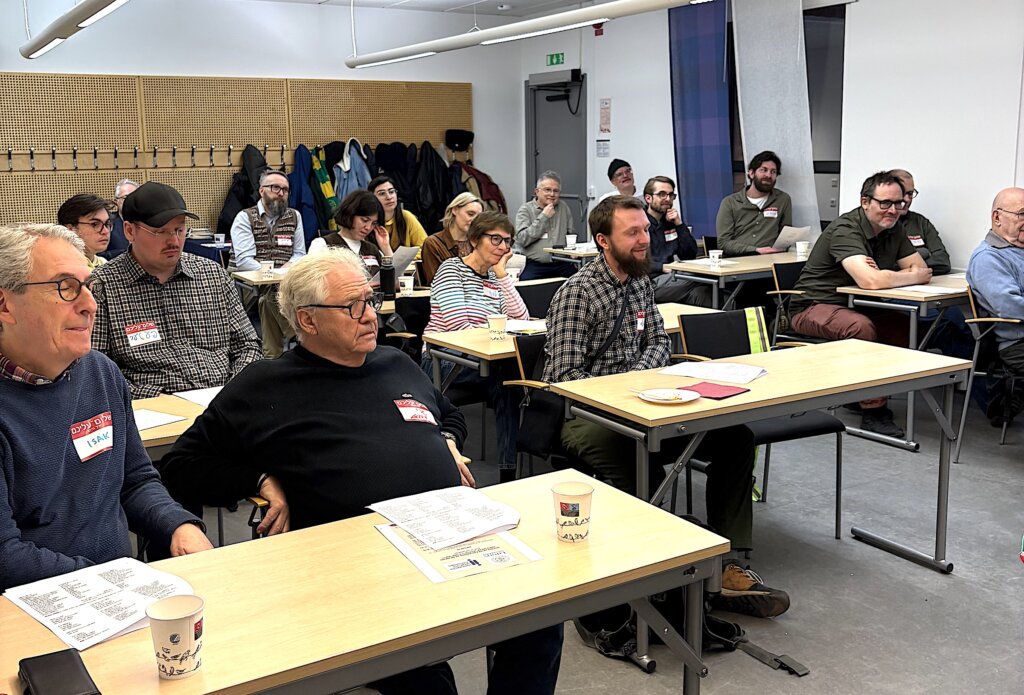
דעם 26סטן פֿעברואַר 2026 איז אין לונד, שװעדן, פֿאָרגעקומען אַ „ייִדיש־טאָג“.
דער לונדער אוניװערסיטעט בשותּפֿות מיטן שוועדישן אינסטיטוט פֿאַר שפּראַכן און פֿאָלקלאָר („איסאָף“) האָבן אָרגאַניזירט אַ צונױפֿטרעף פֿון אַמאָליקע און איצטיקע לונדער ייִדיש־סטודענטן. ס׳רובֿ הײַנטיקע ייִדיש־לימודים בײַם לונדער אוניװערסיטעט װערן געלערנט אָנלײַן, אין דיסטאַנצקורסן. דערפֿאַר איז דער ייִדיש־טאָג פֿאַר עטלעכע אָנטייל־נעמערס געװען דאָס ערשטע מאָל װאָס זײ טרעפֿן זיך מיט זײערע שותּפֿים און לערערס מחוץ די ראַמען פֿון קאָמפּיוטער־עקראַן.
אַחוץ סטודענטן און רעדנערס, האָט מען אויך פֿאַרבעטן מאַמע־לשון־רעדערס פֿון מאַלמע, אַ שטאָט נאָענט צו לונד מיט אַ גרעסערער ייִדישער קהילה. די טאַטעס און מאַמעס פֿון די הײַנטיקע מאַלמער ייִדיש־רעדערס זײַנען געװען פֿון דער שארית־הפּליטה און האָבן זיך בשעת אָדער קורץ נאָכן חורבן באַזעצט אין שװעדן. דאָס איז דער דור וואָס האָט אויפֿגעשטעלט דעם „ייִדישן קולטור־פֿאַראײן 1945“ אין מאַלמע.
די איבעריקע אָנטײל־נעמערס זײַנען געקומען צו פֿאָרן פֿון גאַנץ שװעדן, און אױך פֿון נאָרװעגיע, פֿינלאַנד, דענמאַרק, דײַטשלאַנד און האָלאַנד. אַלץ אין איינעם האָט די אונטערנעמונג צוגעצויגן אַ 30 מענטשן, פֿון יונגע סטודענטן ביז יונגע פּענסיאָנערן.
„פֿיקאַ“
אַ שוועדיש וואָרט אינעם אָרטיקן ייִדיש: אַ שמועס אַרום אַ טעפּל קאַווע מיט קוכן און אױבס.
מיט אַזאַ „פֿיקאַ“ האָט זיך נײַן אַ זײגער אָנגעהױבן די פּראָגראַם. די אָנגעקומענע האָבן זיך באַגריסט צװישן זיך, זיך פֿאַרשריבן, און יעדער אײנער האָט זיך אָנגעקלעפּט אַ ייִדיש־שפּראַכיק נאָמען־צעטל.
מאַריאַ פּערסאָן (ראָש פֿונעם צענטער פֿאַר שפּראַכן און ליטעראַטור בײַם לונדער אוניװערסיטעט) און ראָקעל נילען (קאָאָרדינאַטאָרשע פֿון די ייִדיש־לימודים) האָבן מקבל־פּנים געװען דעם עולם מיט אַ קורצער באַגריסונג אויף ענגליש. גלײַך נאָך דעם איז מען אַריבער אױף ייִדיש: אליעזר ניבאָרסקי און אורן כּהן ראָמאַן האָבן פֿאָרגעשטעלט די מיט-אָרגאַניזאַטאָרן פֿון „איסאָף“. מע האָט אָנגעװוּנטשן, אַז יעדער אײנער זאָל „הנאה האָבן פֿון ייִדישן װאָרט.“
און דאָס האָט זיך תּיכּף אײַנגעגעבן: מע האָט זיך אַרײַנגעטאָן אין אַ ליטעראַטור־װאַרשטאַט, וווּ עטלעכע אָנטײל־נעמערס האָבן פֿאָרגעלײענט לידער פֿון אַבֿרהם רײזען, ישׂראל שטערן, קאַדיע מאָלאָדאָװסקי, איציק מאַנגער און ציליע דראַפּקין. אַז איין סטודענטקע האָט פֿאָרגעלייענט דאָס פֿאָלקסליד „אַ מאָל איז געװען אַ מעשׂה“, האָט דער גאַנצער עולם גענומען זינגען אין איינעם. מע האָט געלײענט ניקאָלײַ אָלניאַנסקיס אַ פֿיקטיווע באַשרײַבונג פֿונעם אַמאָליקן ייִדישן קװאַרטאַל אין לונד און בפֿרט פֿון איין באַזונדער הײַזל.
אײנער פֿון די אָנטײל־נעמער האָט אויך דעקלאַמירט אײגענע פּאָעטישע און דראַמאַטישע טעקסטן.
בעת אַ צװײטער „פֿיקאַ“ האָט מען געהאַט די געלעגנהײט אַ קוק צו טאָן אױף די נײַסטע ייִדישע אױסגאַבעס אין די זאַמלונגען פֿון דער אוניווערסיטעט־ביבליאָטעק, מערסטנס פֿונעם שװעדישן „אָלניאַנסקי־פֿאַרלאַג“. ס׳רובֿ אָנטײל־נעמערס האָבן לײַכט געשמועסט און זיך אױסגעשפּאַנט מיט אַ טעפּעלע קאַװע, נאָר עטלעכע סטודענטן פֿון צװײטן יאָר האָבן שױן אָנגעהויבן דורכפֿירן אינטערװיוען צוצוגרייטן אַ רעפּאָרטאַזש וועגן דער קאָנפֿערענץ.
שידוכים
הײַנט איז נישט דאָס ערשטע מאָל װי מע לײענט װעגן לונד אין דער ייִדישער פּרעסע. אליעזר ניבאָרסקי האָט געברענגט „אַלטע נײַעס“ און פֿאָרגעשטעלט עטלעכע אַנאָנסן און באַריכטן בנוגע לונד אין אַמאָליקע צײַטונגען. נאָך אין 1895, עטלעכע יאָר נאָך דעם ווי אַ צאָל ייִדישע אימיגראַנטן ליטוואַקעס האָבן זיך אײַנגעאָרדנט אין אַ נײַעם פּעריפֿערישן קוואַרטאַל פֿון דער שטאָט, האָט מען געזוכט דורך אַנאָנסן אַזש אין װאַרשע אַ בעלן אויף אַ פּאָסטן פֿון שוחט, שליח־ציבור און מלמד אין לונד. און עס װײַזט זיך אַרױס אַז אין 1940, שוין לאַנג נאָך דער בליצײַט פֿונעם „לונדער שטעטל“, האָבן די „לונדער כּלות“ נאָך געהאַט אַ שם צווישן שוועדישע ייִדן.
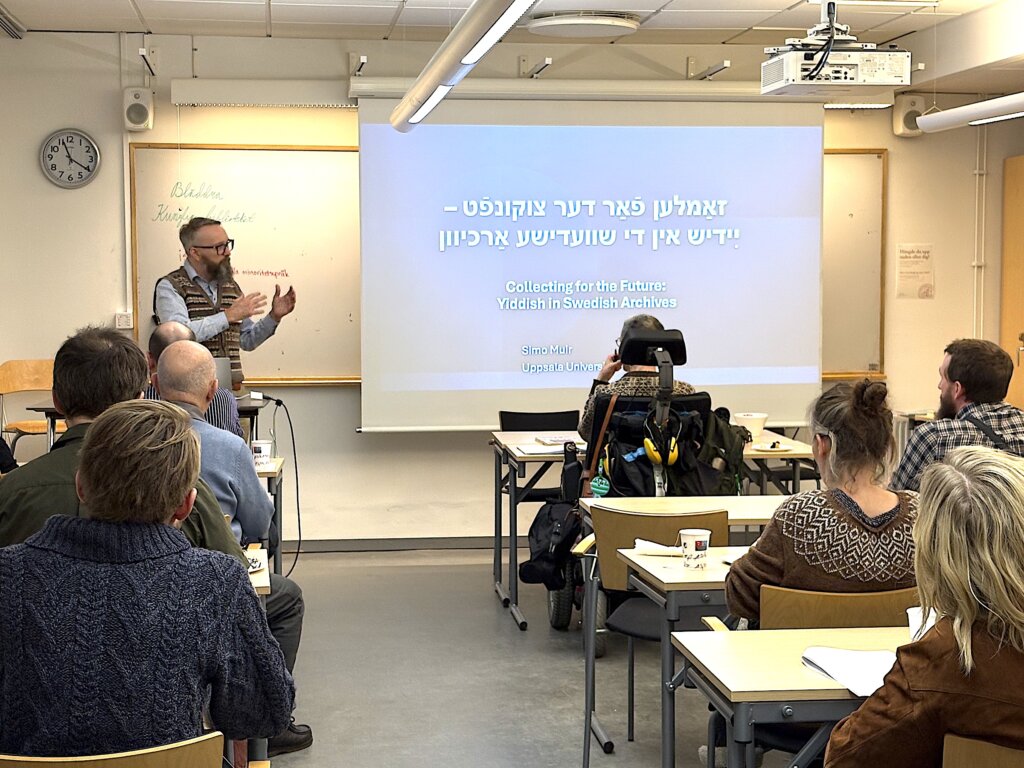
נאָך דעם האָט סימאָ מויִר, אַ פֿאָרשער פֿון דער ייִדישער שפּראַך און חורבן־לימודים אינעם אוניװערסיטעט פֿון אופּסאַלע, שװעדן, װאָס האָט פֿריִער געלערנט ייִדיש בײַם לונדער אוניווערסיטעט, געהאַלטן אַ רעפֿעראַט װעגן דעם פּראָיעקט „ייִדיש אין די שװעדישע אַרכיװן“. מע האַלט אין צוגרײטן אַ דיגיטאַלישן קאַטאַלאָג פֿון די ייִדישע מאַטעריאַלן װאָס געפֿינען זיך, אָפֿט מאָל אָן געהעריקע באַשרײַבונגען, אין די שװעדישע אַרכיװן.
מויִר האָט געװיזן בילדער און כּתבֿ־ידן פֿון די אַרכיװן אין שטעט װי שטאָקהאָלם, קריסטיאַנשטאַט און מאַלמע, און דערמאָנט אַז עס װאָלט געװען כּדאַי אויסצופֿאָרשן און צושטעלן די נעמען פֿון די מענטשן אױף די בילדער. האָט זיך אָפּגערופֿן דער פֿאָרזיצער פֿון מאַלמער קולטור־פֿאַראײן, יערי אײלנבערג: „דאַרפֿט איר פֿרעגן מיך, איך האָב זײ דאָך אַלע געקענט!“
דער פֿאָרשער האָט אויך גערעדט װעגן דער פּראָבלעם, אַז מע װײסט שױן נישט װוּ עס געפֿינען זיך טייל אַרכיװ־מאַטעריאַלן. זײער אַ סך פֿון צווישן די 1940ער און 1960ער יאָרן איז אַ פּנים נעלם געװאָרן, למשל פֿונעם אַרכיװ פֿון דער מאַלמער ייִדישער ביבליאָטעק. האָט זיך אָבער יערי אײלנבערג גלײַך אָפּגערופֿן: „דאָס האָבן מיר פֿאַר אַ יאָרן אַלץ אַרױסגעשלעפּט, די קעסטלעך שטײען בײַ מיר אױפֿן בױדעם.“ אַזוי אַרום האָט דער ייִדיש־טאָג טאַקע בײַגעטראָגן צו אַ פֿרוכפּערדיקן אױסבײַט צװישן פֿאָרשערס און דעם ברייטן עולם.
מיטאָג האָט מען געגעסן בײַ איינער פֿון די אוניװערסיטעטישע קאַפֿעטעריעס: עס איז געשטאַנען אַ בופֿעט מיט כּל־המינים גוטע מיטל־מיזרחדיקע מאכלים און דער עולם האָט זיך צונױפֿגעקליבן בײַ די טישלעך און געשמועסט גאַנץ לײַטיש, זיך דערצײלט װיצן – אױף ייִדיש, פֿאַרשטײט זיך.
– יערי, קײן שװעדיש רעדט מען נישט!
– זײַ מוחל! איך האָב שױן נישט געטראַכט אַז איך וועל דערלעבן דעם טאָג װאָס די אײנציקע שפּראַך װאָס מע מעג רעדן איז ייִדיש!
אױפֿן פּריפּעטשיק
נאָכן עסן איז מען אַרױס אױף אַ שפּאַציר. מע איז געגאַנגען דורך דעם היסטאָרישן לונדער צענטער שטאָט און די „מדריכים“ אינעם עולם האָבן דערצײלט װעגן אַזאַ צי אַן אַנדער פּרט פֿון דער געשיכטע פֿון ייִדישן לעבן אין לונד. טומאַס װוּדסקי, אַ מיטאַרבעטער פֿון „איסאָף“, האָט אַלעמען דערלאַנגט אַ טיפּיש שװעדישן כּיבוד, היימיש באַקאַנט ווי „שטױבזױגערלעך“: אַ מין זיסװאַרג מיט מאַרציפּאַן און שאָקאָלאַד װאָס איז שטאַרק באַליבט בײַם ייִדיש־אָפּטײל פֿון לונדער אוניווערסיטעט. מע האָט באַזוכט דעם אַמאָליקן ייִדישן קװאַרטאַל און געפֿונען דאָס הײַזל פֿון אָלניאַנסקיס דערצײלונג. פֿאַרן הויז פֿונעם ערשטן ייִדיש־לערער בײַם לונדער אוניווערסיטעט, שלמה שולמאַן ז״ל, האָט זיך די גאַנצע גרופּע אָפּגעשטעלט און געזונגען „אױפֿן פּריפּעטשיק“ לזכר אָט דער באַליבטער פֿיגור.

אַ באַקאַלאַװער
צוריק אין אוניװערסיטעט האָט יאַן שװאַרץ, עמעריטירטער ייִדיש־לעקטאָר אין לונד, געהאַלטן אַ „קלײנע זאַך, נישט קײן רעפֿעראַט“ װעגן זײַנע „לונדער יאָרן“, און דערצײלט װעגן דעם בראשית פֿון די ייִדיש־לימודים אין דער שטאָט, װעגן די חבֿרישע מחלוקתן מיט זײַן קאָלעגע שלמה שולמאַנען, און װעגן זײַן טאַטן, װאָס איז מיט זײַן זאַפֿטיקן פּױלישן ייִדיש געװען אַ יוצא־מן־הכּלל צװישן די ליטװישע קלאַנגען פֿון די ייִדיש־רעדערס אינעם נאָך־מלחמהדיקן דענמאַרק.
די געשיכטע איז אַזאַ: זײַט דעם יאָר 2000 האָט ייִדיש אין שװעדן דעם באַזונדערן סטאַטוס פֿון אַן אָפּגעהיטער מינאָריטעט־שפּראַך. אין 2007 האָט די רעגירונג אָנפֿאַרטרויט דעם לונדער אוניװערסיטעט דאָס אַחריות פֿאַר די ייִדיש־לימודים אין שװעדן, און זײַט 2012 קענען סטודענטן זיך לערנען אױף אַ באַקאַלאַװער אין ייִדישע לימודים.
דער תּחום האָט זיך אַנטװיקלט און הײַנט באַטייליקן זיך אין דעם פֿאָרשערס פֿון פֿאַרשײדענע אוניװערסיטעטן. און בזכות די איבערגעגעבענע טוערס און רעדערס האָט אױפֿגעבליט דאָס קולטורעלע ייִדישע לעבן אין שװעדן פֿון דאָס נײַ.
ווײַטער האָט מען זיך צעטײלט אין דרײַ גרופּעס אױסצופּרוּװן די נײַע ייִדישע „שמועס־קאַרטלעך“ װאָס דער „איסאָף“ האָט אָקערשט אַרױסגעגעבן. עס האָבן זיך אײַנגעשטעלט לעבעדיקע שמועסן אַרום פֿראַגעס װי „מיט װעמען רעדסטו ייִדיש?“ און (בפֿרט אַ שװעדישע פֿראַגע) „װאָסערע מאכלים עסטו לכּבֿוד מיטזומער?“ די טוערס פֿון „איסאָף“ האָבן ברייטהאַרציק געשאָנקען יעדן איינעם אַזאַ פּעשל שמועס־קאַרטלעך.
אין סופּערמאַרק
דער פֿאָרשער אורן כּהן ראָמאַן האָט געהאַלטן אַ רעפֿעראַט „ייִדיש אין סופּערמאַרק“. ער האָט פֿאַרגליכן מאכלים מיט אַ בפֿירושן ייִדישן נאָמען אין העברעיִש־שפּראַכיקע סופּערמערק אין ישׂראל און ענגליש־שפּראַכיקע אין די פֿאַראייניקטע שטאַטן, און דערצײלט װעגן די װאַריאַציעס און בײַטן אין אױסלײג, אַרױסרעד און באַניץ במשך דער צײַט אין די צוויי לענדער. מע האָט זיך צערעדט וועגן דער פֿראַגע, „צי איז „ראָגעלעך“ אויף עבֿרית צי אויף ענגליש אײנצאָל אָדער מערצאָל?“ און „פֿאַר װאָס שרײַבט מען אין ישׂראל אַזוי זעלטן אַ קמץ־אַלף?“
טראַדיציע
פֿאַרן געזעגענען זיך האָבן אַלע אָנטײל־נעמערס געזאָגט אַ װאָרט װעגן זײערע אײַנדרוקן פֿונעם טאָג, און די אָרגאַניזאַטאָרן האָבן אונטערגעצויגן אַ סך־הכּל. האָפֿנטלעך װעט זיך לאָזן אײַנשטעלן אַ טראַדיציע און מע וועט זיך װידער קענען זיך טרעפֿן אין לונד אין 2027.
דער עולם איז זיך פֿונאַנדערגעגאַנגען. אַ ווײַל האָט מען נאָך געהערט ייִדיש אױף די לונדער גאַסן און אין די רעסטאָראַנען. נאָך דעם איז דאָס ייִדיש מיט זײַנע רעדערס אַוועק אױף דער באַנסטאַנציע און אין דער װעלט אַרײַן.
דער ייִדיש־טאָג האָט דערלאַנגט אַלע אָנטײל־נעמערס אַ געלעגנהײט אָנצוקניפּן נײַע באַציִונגען און צו באַנײַען אַלטע חבֿרשאַפֿטן, זיך צו באַקענען מיט דער הײַנטיקער ייִדיש־פֿאָרשונג אין שװעדן און צו פֿילן דעם טעם פֿון דער שװעדיש־ייִדישער קולטור. בײַ ס׳רובֿ אָנטײל־נעמערס איז אָבער געשטאַנען ברומו־של־עולם דער פֿאַקט אַז מע האָט אַ גאַנצן טאָג געקענט הערן און רעדן נאָר ייִדיש.
The post ‘No speaking Swedish here!’ — Yiddish Day in Lund University appeared first on The Forward.
Uncategorized
We’re forgetting the lessons of the Triangle Shirtwaist Factory fire
When the young women of the Triangle Shirtwaist Factory sat down before their Singer sewing machines on Saturday, Mar. 25, 1911, they could not know that their lives would soon be extinguished because of a lit cigarette.
At around 4:40 p.m., a worker flicked a still-smoldering cigarette butt into a bin filled with paper patterns and fabric scraps. The contents ignited instantly. Someone threw a bucket of water to douse the flames — to no avail. Eighteen minutes later, 148 people were dead: 123 women and 25 men, many of them teenagers, most of them immigrants.
The Triangle Shirtwaist Factory fire, which remains the deadliest workplace disaster in New York City and one of the worst in the country, not only shocked the nation, it transformed American labor law. Locked doors, unsafe conditions, and the exploitation of young workers came to symbolize an industrial system that all too often treated human beings as expendable. Public outrage led to sweeping workplace reforms and helped launch modern labor protections.
Now, 115 years later, those hard-won safeguards are eroding.
Across the country, child labor violations are rising. Teenagers are working longer hours and, in some cases, dangerous jobs like working in industrial freezers, on construction sites, and in meat-processing facilities. According to the U.S. Department of Labor’s Wage and Hour Division, the number of children employed illegally nearly quadrupled between 2015 and 2024; meanwhile, the companies that hire them often face minimal penalties.
The lesson of Triangle was clear — when economic pressure meets diminished regulations, minors become the most vulnerable workers. Today’s legislative rollbacks and declining enforcement risk recreating the very conditions reformers fought to eliminate.
Few understood those stakes better than Pauline Newman, one of the most influential labor organizers of the early U.S. labor movement. Born in Lithuania, Newman immigrated to the United States with her mother and sisters after her father’s death. By age nine, she was climbing dark factory stairs to work in a hairbrush factory. Later, she rolled cigars, and by 12, she found work at the Triangle Shirtwaist Factory, laboring 14 hours a day in what workers called the “kindergarten,” trimming loose threads from finished garments. Shirtwaists arrived piled in cases taller than some of the children themselves.
“We were too young to do anything else,” Newman later recalled.
In one of several pieces she wrote for The Forward, she chronicled her experience working at The Triangle and what she described as her “own drab existence,” wondering “dear God will it ever be different?”
Although Newman had left Triangle before the fire, the disaster changed her life. The deaths of former coworkers propelled her into a lifetime of labor organizing and fighting to protect workers, especially minors, from exploitation. Her activism helped reshape public understanding of workplace safety and child labor, showing that reform comes only when society decides certain risks are unacceptable.
Throughout the 19th century, reformers had pursued piecemeal protections. Religious leaders fretted over working children who couldn’t read scripture, while secular advocates argued democracy required an educated citizenry. Early laws limited hours or required factory owners to provide basic education, but enforcement was inconsistent and protections varied state-by-state. When Newman arrived in New York City in 1901, meaningful safeguards were largely absent.
The Triangle fire changed that calculus. By 1913, Newman and her fellow organizers, including Rose Schneiderman, Clara Lemlich and Frances Perkins, helped push legislation that moved thousands of children from factory floors into classrooms and introduced workplace safety standards. The culmination came in 1938 with the Fair Labor Standards Act, establishing nationwide rules governing wages, hours and child labor.
Now many of these protections are being undermined. Since 2021, at least 17 states have rolled back child labor protections, while others have introduced legislation to diminish existing safeguards.
In Florida, proposed legislation would remove limits on working hours for 16- and 17-year-olds, potentially allowing overnight shifts during the school year. In 2023, Iowa passed laws permitting minors to work in previously restricted environments, including meat coolers. Arkansas, Missouri, Ohio and other states have pursued similar measures.
Supporters argue the changes provide flexibility for families and help businesses facing labor shortages. Opponents warn they expose minors to injury and undermine education.
Many young workers entering hazardous jobs today come from immigrant families struggling with rising living costs. Some are recent arrivals, including unaccompanied minors particularly vulnerable to exploitation. For these families, work isn’t an extracurricular activity; it means economic survival. But hardship does not make dangerous labor safe, nor should it justify dismantling protections.
Families facing financial instability often feel they have little choice but to send children into the workforce. But no family, however, should face the choice Pauline Newman once did: education or survival.
Nostalgia often shapes today’s political arguments. Lawmakers recall babysitting, shoveling snow, or scooping ice cream as teenagers. But many modern violations occur not in safe, supervised settings but in industrial workplaces where injuries can be life-altering or fatal; as was the case when in 2023 a 16-year-old Wisconsin boy died in a cotton-packing machine.
Weakening protections risks reversing more than a century of progress, undermining not only individual futures but an economy and democracy that depend on an educated workforce.
Preventing a return to early industrial exploitation doesn’t require reinventing labor law. It requires enforcing and modernizing protections already proven to work.
States can strengthen work-permit systems, as Illinois did in 2024, improving oversight and reducing violations. Civil and criminal penalties must increase so illegal child labor is not treated as a routine business expense. For example, New York has expanded enforcement authority and centralized employment records for minors, enabling fines upwards of $50,000 for serious and repeat violations. Policymakers should eliminate subminimum wages for young workers and tighten prohibitions on hazardous work, particularly in agriculture and manufacturing. Colorado has taken steps allowing injured minors to pursue private legal action, strengthening employer accountability.
The Triangle Shirtwaist Factory fire compelled Americans to confront what happens when profit outweighs protection. Reformers like Pauline Newman spent decades ensuring children would no longer bear the cost of unsafe workplaces. Reform was hard-won, and progress is never inevitable. More than a century later we ought to remember why those protections exist.
The post We’re forgetting the lessons of the Triangle Shirtwaist Factory fire appeared first on The Forward.