


Uncategorized
The treasures discovered by a group of non-Jews in Lublin

דער פּאָעט יעקבֿ גלאַטשטיין, אַ געבוירענער אין לובלין, פּוילן, האָט געשריבן:
לובלין, מײַן הייליקע ייִדישע שטאָט, שטאָט פֿון גרויסן דלות און פֿריילעכע ייִדישע יום־טובֿים…
שטאָט פֿון אויפֿגעוואַכטן קלאַסנקאַמף. . . .
לובלין, מײַן הייליקע ייִדישע שטאָט פֿון בילדונג־דאָרשטיקע יונגע־לײַט און יונגע מיידלעך, פֿון דעם ערשטן בעז־אַראָמאַט פֿון יונג־העברעיִש און פֿון דער באַטעמטקייט פֿון שטאָלצן ייִדיש.
הייליקע שטאָט מײַנע, . . . ווער וועט דיך צוריקשטעלן און צוריקבויען, מײַן הייליקע שטאָט, אַז פֿאַרוויסט ביסטו געוואָרן ביז דײַנע פֿונדאַמענטן און ביסט איין מוראדיקע מצבֿה.
מע שלאָגט שינדלען, מע לייגט דעכער, מען פֿאַרריכט און מען פֿאַרניצעוועט אַן אַלטע פּאַסקודנע וועלט, אָבער מײַן הייליקע שטאָט, די שטאָט פֿון מײַן וועלט, וועט קיין מאָל נישט צוריקגעבויט ווערן.
גלאַטשטיין איז געווען גערעכט. זײַן הייליקע שטאָט לובלין, די שטאָט פֿון אַרום 43,000 ייִדן פֿאַר דעם חורבן, כּמעט אַ דריטל פֿון דער דעמאָלטיקער באַפֿעלקערונג, וועט קיין מאָל נישט צוריקגעבויט ווערן, אָבער עס זײַנען דאָ מענטשן און אַן אָרגאַניזאַציע, דווקא נישט קיין ייִדן און נישט קיין ייִדישע, וואָס אַרבעטן כּדי אויפֿצוהאַלטן דעם אָנדענק פֿון יענער הייליקער ייִדישער שטאָט. די אָרגאַניזאַציע הייסט „בראַמאַ גראָדסקאַ”, (דער שטאָטטויער) און עס געפֿינט זיך אין אַ בנין אין דעם טויער, וואָס ייִדן פֿלעגן רופֿן „גראָדסקע בראָם“ אָדער „ברום“, דורך וועלכן מע פֿלעגט אַרײַנגיין אין דער אַמאָליקער ייִדישע געגנט.
דעם זומער, זײַענדיק אין פּוילן האָבן מיר (מײַן מאַן, אונדזער עלטערע טאָכטער בענאַ און איך) געמאַכט אַן עקסקורסיע קיין לובלין, — די שטאָט וווּ מײַן טאַטע האָט געוווינט ווי אַ צענערלינג ביז 1927, די שטאָט פֿון זײַן אַרײַנטריט אין „אויפֿגעוואַכטן קלאַסן־קאַמף“ און „שטאָלצן ייִדיש“,— און זיך געטראָפֿן מיט פּיאָטער נאַזאַרוקן, אַ געוועזענער ייִדיש־סטודענט פֿון דער ווײַנרײַך־פּראָגראַם בײַם ייִוואָ. פּיאָטער האָט אונדז אַרומגעפֿירט איבער דער שטאָט און דערציילט וועגן דער געשיכטע און אַרבעט פֿון דער אָרגאַניזאַציע.
„בראַמאַ“ האָט זיך אָנגעהויבן אין 1990 ווי אַ טעאַטער־טרופּע אָבער מיט דער צײַט האָבן די באַטייליקטע אײַנגעזען אַז זיי געפֿינען זיך אין האַרץ פֿון עפּעס אַ סך מער דראַמאַטישס ווי די דראַמאַטישיסטע פּיעסע — דער פֿאַרלוירענער ייִדישער וועלט — און זיי האָבן אָנגעווענדט זייערע כּוחות און פֿעיִקייטן אויף רעקאָנסטרוּירן און אויפֿהיטן די געשיכטע פֿון יענער וועלט.
שטעלט זיך די פֿראַגע, פֿאַר וואָס וואָלטן נישט־ייִדן זיך אָפּגעגעבן מיט אויפֿהיטן דעם אָנדערק פֿון די ייִדן? און די פֿראַגע קומט טאַקע דעם גאַסט אַנטקעגן ווען מע טרעט אַרײַן אינעם בנין. אויף דער וואַנט הענגט אַן אויפֿשריפֿט אין דרײַ שפּראַכן: פּויליש, ענגליש און עבריתּ בזה הלשון: „ייִדן וואָס קומען אַהער פֿרעגן אונדז, איר זײַט דאָך נישט קיין ייִדן. איר זײַט פּאָליאַקן און די ייִדישע שטאָט איז ניט אײַער געשיכטע. פּאָליאַקן פֿרעגן אונדז, ,פֿאַר וואָס טוט איר דאָס, איר זײַט דאָך פּאָלאַקן און די ייִדישע שטאָט איז ניט אײַער געשיכטע. אָדער אפֿשר זײַט איר טאַקע ייִדן?
„געדולדיק גיבן מיר צו פֿאַרשטיין אַז דאָס איז אונדזער בשותּפֿותדיקע פּויליש־ייִדישע געשיכטע. צו געדענקען די אויסגעהרגעטע ייִדן דאַרף מען נישט זײַן קיין ייִד.“
אויף אַן אַנדער וואַנטשילד שטייט געשריבן: „עס איז דאָ, בײַם גראָדסקע־טויער, וואָס מע רופֿט אויך ׳דער ייִדישער טויער׳, וואָס איז דער שומר איבער דעם נישט־עקסיסטירנדיקן שטעטל — דעם ייִדישן אַטלאַנטיס — וווּ מיר באַמיִען זיך צו פֿאַרשטיין דעם באַטײַט און דעם שליחות פֿון דעם אָרט הײַנט.“
עס זײַנען דאָ פֿאַרשיידענע אופֿנים און פּראָיעקטן דורך וועלכע זיי טוען דאָס. איינער אַזאַ האָט צו טאָן מיט פֿאָטאָגראַפֿיעס. אין 2015 האָט בראַמאַ גראַדסקאַ באַקומען אַן אוצר, אַ זאַמלונג גלעזערנע נעגאַטיוון (glass plate negatives, בלע״ז) וואָס אַרבעטערס האָבן צופֿעליק געפֿונען אין אַ בוידעם אויף רינעק 4. דער פֿאָרשער יעקבֿ כמיעלעווסקי אין מײַדאַנעק האָט אַנטדעקט אַ מעגלעכע פֿאַרבינדונג צווישן דעם אַדרעס און אַ פֿאָטאָגראַף, אַבראַם זילבערבערג, וואָס האָט דאָרטן אַ שטיק צײַט געוווינט.
די זאַמלונג איז כּולל מער ווי 2,700 גלעזערנע נעגאַטיוון פֿון פֿאַרשיידענע גרייסן, פֿון בילדער גענומען צווישן 1914 און 1939. ניט געקוקט אויף די 75 יאָר, די נישט־גינסטיקע באַדינגונגען אין בוידעם — די קעלט ווינטערצײַט און די היצן זומערצײַט — האָבן ס׳רובֿ פֿון די נעגאַטיוון זיך אויפֿגעהיט. זיי געבן דעם צוקוקער אַ בליק אַרײַן אין דעם וואָס זיי רופֿן „אַ נישט־עקסיסטירנדיקע שטאָט“: בילדער פֿון קינדער און דערוואַקסענע, מענער און פֿרויען, פֿרומע און וועלטלעכע, ייִדן און נישט־ייִדן, פֿאַרשיידענע פֿאַכלײַט, יחידים און גרופּעס, יוגנט־באַוועגונגען און ספּאָרטקלובן.
אַנדערע בילדער פֿון חתונות, בריתן און מצבֿות דאָקומענטירן וויכטיקע מאָמענטן אין דעם ייִדישן משפּחה־לעבן. די פֿאָטאָגראַפֿיעס שפּיגלען אויך אָפּ דעם בהדרגהדיקן איבערגאַנג פֿון אַ פֿרום, טראַדיציאָנעל לעבן צו אַ מער וועלטלעכן. דאָס רובֿ זײַנען בילדער פֿון פּשוטע לײַט, אין גאַנג פֿון דער טאָג־טעגלעכקייט — מענטשן וואָס האָבן קיין מאָל נישט געמיינט אַז זיי וועלן ווערן שטומע עדות אויף אַ פֿאַרשוווּנדענער וועלט.
אַן אַנדער פּראָיעקט האָט צו טאָן מיט דער דיגיטאַלער ביבליאָטעק פֿון דער ישיבֿת חכמי לובלין, אַ וויכטיקער מקום־תּורה וואָס האָט זיך געעפֿנט אין לובלין אין 1930, און איז געווען רעוואָלוציאָנער אין דער ישיבֿה־וועלט, נישט נאָר פֿאַר דעם דף־יומי וואָס איר פֿאַרלייגער, ר’ מאיר שאַפּיראָ, האָט אײַנגעפֿירט אויף אַ קאָנפֿערענץ פֿון אַגודת־ישׂראל אין ווין אין 1923, נאָר אויך פֿאַר איר שיינעם בנין וואָס האָט געהאַט אַן עסזאַל און אינטערנאַטן פֿאַר די בחורים, אַ סגולה צו די שוועריקייטן פֿון דינגען אַ צימער און עסן טעג אין פֿרעמדע הײַזער.
במשך פֿון די קנאַפּע צען יאָר פֿון איר עקסיסטענץ, פֿון 1930־1939, האָט די ישיבֿה אָנגעזאַמלט אַ ביבליאָטעק פֿון צענדליקער טויזנט ספֿרים, ביכער און צײַטשריפֿטן. אין 1941 האָבן די נאַציס אײַנגענומען לובלין און ביז מיט אַ יאָרצענדליק צוריק האָט מען געמיינט אַז נאָר פֿינעף ביכער האָבן זיך געראַטעוועט. אָבער אַ דאַנק דער איבערגעגעבענער אַרבעט פֿון בראַמאַ גראָדסקאַ, אונטער דער אָנפֿירערשאַפֿט פֿון פּיאָטער נאַזאַרוק און מאָניקאַ טאַרײַקאָ, האָבן זיך שוין אָפּגעזוכט ביז הײַנט 1,555 ביכער, פֿונאַנדערגעשפּרייט אין ביבליאָטעקן איבער דער גאָרער וועלט.
בראַמאַ גראָדסקאַ ווייסט אַז ס׳איז נישטאָ קיין שׂכל אין צוריקברענגען די ביכער קיין לובלין, אַ שטאָט וואָס האָט קוים אַ מנין ייִדן. דערפֿאַר צילעווען זיי מיט זייער דיגיטאַלער ביבליאָטעק אויסצוזוכן, אידענטיפֿיצירן און קאַטאַלאָגירן אַלע ביכער מיט שטעמפּלען פֿון דער ישיבֿה. אַזוי האָפֿן זיי צו רעסטאַוורירן די זאַמלונג און זי כאָטש סימבאָליש צוריקקערן קיין לובלין.
אַזוי ווי בראַמאַ גראָדסקאַ דינט ווי דער אַדרעס פֿאַר אויפֿהיטן דעם אָנדענק פֿון די ייִדן אין לובלין קען מען דאָרטן געפֿינען אויסטערלישע זאַכן וואָס מענטשן האָבן צופֿעליק געפֿונען און אַהין אַרײַנגעגעבראַכט: למשל, אַ וואָגנראָד וואָס האָט זיך ערגעץ געוואַלגערט, געמאַכט פֿון אַ ייִדישער מצבֿה, אַן עדות אויף אַנטיסעמיטישן וואַנדאַליזם.

בראַמאַ פֿירט אויך אָן מיט דערציִערישע פּראָגראַמען וועגן דעם חורבן און דעם ייִדישן לעבן פֿאַר דעם חורבן פֿאַר לערערס פֿון פּוילן און פֿון אויסלאַנד. זיי האָבן אַ דאַטן־באַזע וווּ זיי זאַמלען אינפֿאָרמאַציע וועגן געוועזענע לובלינער פֿון פֿאַרשיידענע מקורים, ווי למשל, רשימות פֿון אײַנוווינערס פֿון בנינים און שטים־רשימות.
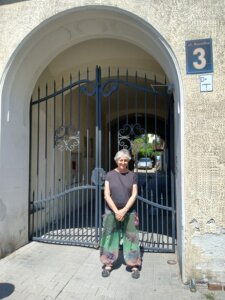
איך האָב, פֿאַרשטייט זיך, געבעטן בײַ פּיאָטערן ער זאָל זוכן אינפֿאָרמאַציע וועגן מײַנע אייגענע אָבֿות, דער משפּחה צוקער. האָט ער געזוכט אונטער זייער אַדרעס, רוסאַלקע 3, וווּ ער האָט אונדז פֿריִער געהאַט געפֿירט. צווישן די אַלע נעמען פֿון די אײַנוווינערס פֿון בנין וואָס האָבן זיך געפֿונען אין דער דאַטן־באַזע, בתוכם נישט קיין איין צוקער (מסתּמא ווײַל די משפּחה איז שוין געהאַט אַוועק פֿון לובלין אין די סוף צוואַנציקער יאָרן) האָט איין נאָמען מיר פֿאַרכאַפּט דעם אָטעם: מאָשעק (משה) גאָטליב, פֿון פֿאַך אַ בראַקער.
איך האָב קיין מאָל נישט געטראָפֿן משה גאָטליבן. געוווּסט האָב איך נאָר אַז ער איז געווען דער ערטשער מאַן פֿון דעם טאַטנס עלטסטער שוועסטער לובע און אַז זיי האָבן נאָך אַ פּאָר יאָר זיך געגט. כאָטש די מומע לובע איז שוין געווען אַ בונדיסטקע האָט זי מסכּים געווען צו אַ שידוך (איך ווייס ניט צי פֿרײַוויליק צי נישט) מיטן זון פֿון איינעם אַ גאָטליב מיט וועמען דער טאַטע (מײַן זיידע), אויך אַ בראַקער, האָט געהאַט געשעפֿטן.
מיר איז דאָס אַלע מאָל געווען אַזאַ אינטערעסאַנטער באַווײַז פֿון דעם וואָס ווי די אַלטע וועלט און די נײַע זײַנען דעמאָלט געווען געקניפּט און געבונדן. נאָך אַלעמען, ווי קומט אַ בונדיסטקע צו אַ שידוך?! מער ווי דאָס האָב איך וועגן משה גאָטליבן נישט געוווּסט. ס׳איז מיר קיין מאָל אַפֿילו נישט אײַנגעפֿאַלן צו פֿרעגן אויב ער איז אומגעקומען אָדער האָט איבערגעלעבט דעם חורבן; בײַ מיר האָט זײַן שייכות צו מײַן משפּחה זיך געענדיקט מיטן גט ערגעץ אין די 20ער יאָרן. נאָר ס׳איז קלאָר אַז ער איז אומגעקומען.
איך האָב געקענט זייער זון איצוש ע״ה, וואָס האָט אין די 1950ער יאָרן עמיגרירט קיין קאַנאַדע, וווּ מיר האָבן געוווינט, נאָר ס׳איז מיר אויך קיין מאָל נישט אײַנגעפֿאַלן אים צו פֿרעגן וואָס איז געשען מיטן טאַטן זײַנעם. צי האָט ער נאָך אַ מאָל חתונה געהאַט, האָט ער געהאַט אַנדערע קינדער — האַלבע־ברידער אָדער ־שוועסטער? זײַנען זיי אויך אומגעקומען?

מסתּמא וועל איך קיין מאָל נישט האָבן קיין ענטפֿער אויף די פֿראַגעס אָבער די קנאַפּע ידיעות האָבן אויפֿגעלעבט פֿאַר מיר אויף אַ פּאָר מינוט אַ מענטשן. דאָס איז טאַקע דער ציל פֿון בראַמאַ גראָדסקאַ — צו ווײַזן אַז די אומגעקומענע זײַנען נישט געווען בלויז ציפֿערן. דאָס ביסל אינפֿאָרמאַציע וועגן משה גאָטליבן איז אַרײַן אין איינער פֿון די 43,000 פּאַפּקעס — איין פּאַפּקע פֿאַר יעדן אומגעקומענעם ייִד, וואָס האָט געוווינט אין לובלין ערבֿ דעם אויסבראָך פֿון דער מלחמה.
און דווקא יענע דינע פּאַפּקעס האָבן מער פֿון אַלע פּראָיעקטן און חפֿצים, געמאַכט אויף מיר דעם גרעסטן אײַנדרוק. בראַמאַ צילעוועט צו געפֿינען עפּעס אַ ידיעה וועגן יעדן פֿון די 43,000 קדושים. עס קען זײַן אַ נאָמען, אַן אַדרעס, אַ פֿאַך, אַ געבוירן־טאָג, עפּעס וואָס ראַטעוועט דעם נאָמען פֿון אַנאָנימקייט און אָטעמט אַרײַן אין אים אַ נשמה.
וועגן 35,000 פֿון די אַמאָליקע אײַנוווינער האָט מען שוין עפּעס אַנטדעקט. געבליבן זײַנען נאָך 8,000 נשמות וואָס וואַרטן אויף אַ תּיקון.
The post The treasures discovered by a group of non-Jews in Lublin appeared first on The Forward.
Uncategorized
VIDEO: A Hasid gives us a tour of Morocco in Yiddish
דער ירושלימער יוטוב־שטערן וועלוול קירשנבוים האָט לעצטנס אַרויסגעשטעלט אַ ווידעאָ אויף ייִדיש פֿון אַ פּרעכטיקן וויזיט, וואָס ער האָט געמאַכט אין מאַראָקאָ. עס באַגלייט אים זײַן חבֿר אַבֿרהם פּרץ.
אינעם ווידעאָ זעט מען ווי קירשנבוים דאַוונט שחרית מיט די אָרטיקע ייִדן און באַזוכט אַ גוט אָפּגעהיטענעם בית־עולם, וווּ עס ליגן באַערדיקט גרויסע צדיקים ווי למשל הרבֿ חיים בן עתר (1696–1743), באַקאַנט ווי דער „אור החיים“. „מענטשן מיינען, אַז נאָר אין אייראָפּע זענען דאָ קבֿרים פֿון צדיקים!“ זאָגט קירשנבוים.
מיר זעען אַ גרויסע, שיינע שיל מיט אַ פֿײַנער אַרכיטעקטור אין קאַזאַבלאַנקאַ; דעם גרויסן אַראַבישן שוק, וווּ קירשנבוים קויפֿט זיך אײַן מלבושים פּונקט ווי די מאַראָקאַנער גייען אָנגעטאָן. ער באַוווּנדערט אויך די שיינע טיי־גלעזער און טשײַניקן, וואָס מע פֿאַרקויפֿט דאָרט, און באַקענט זיך מיט אַ ייִדישן סוחר וואָס האַנדלט מיט זילבער און גאָלד, פּונקט אַזוי ווי זײַן טאַטע און זיידע האָבן געטאָן פֿאַר דור־דורות.
The post VIDEO: A Hasid gives us a tour of Morocco in Yiddish appeared first on The Forward.
Uncategorized
Conservative and Christian movies are coming for Hollywood
A star-studded new movie set in a Soviet prison is coming out in November. James Franco and Rob Lowe anchor the cast of Confession, playing a brutal prison guard and an imprisoned dissident professor, and a disheveled Nick Nolte appears as a fellow prisoner.
These actors were once huge gets, and their names could convey legitimacy to a project. Nolte and Franco both have received Academy Award nominations. Lowe was a member of the Brat Pack, and was a regular on The West Wing.
Confession, written by Ben Shapiro and produced by the rightwing tabloid-esque news site The Daily Wire, is not the expected fare for actors with that kind of name recognition; Shapiro’s screenwriting aspirations have been the target of ridicule for years.
Nevertheless, this isn’t the only Daily Wire production getting big names; Danny Trejo signed onto a pro-ICE movie about Minneapolis in the aftermath of the Renee Good shooting, and Jonathan Majors led Run, Fight, Hide: Infidels earlier this year.
Each one of these actors has been, in some way, canceled or in career doldrums so may have been more open to working with The Daily Wire. And some have claimed that they did not know who Shapiro was, or what his politics were; Trejo’s son, Gilbert, said his 82-year-old father did not endorse ICE and was misled about the movie before he signed his contract.
Movie studios have struggled through the pandemic and the streaming era, both of which have tanked box office receipts, leaving the field open for movies from offbeat production studios. In addition to The Daily Wire, there has been a whole ream of Christian movies attempting to shift the stereotype of bible movies — that they’re preachy, low-budget straight-to-TV affairs with cardboard acting — to something more prestigious, or at least profitable.
The Christian company Angel Studios has been placing screenings of the half philo-semitic, half-antisemitic Jesus TV series The Chosen in movie theaters across the country, produced the right-wing hit The Sound of Freedom and is pumping out faith-based movies like the animated King of Kings Christmas story and David, a kiddie movie about the biblical king. Recently, Pinnacle Peak Pictures, another faith-based production company, premiered Daniel and the Fiery Furnace, another bible movie that was notable enough to merit a review in The New York Times. (Though admittedly it wasn’t a particularly positive one.)
For decades, Hollywood, and the media industry at large, has been associated with liberalism, progressive politics and diversity. (This is part of why conservative conspiracy theorists often insist that Jews control the media.) Even when conservatives are in power, satirical movies have poked fun at the ruling class — Team America: World Police spoofed George W. Bush’s foreign policy, while M*A*S*H critiqued Richard Nixon. During the current Trump administration, we’ve seen One Battle After Another lambasting immigration policies and rising white nationalism, Eddington on misinformation and populism, and The Apprentice depicting Trump directly.
But a rising number of higher-budget, bigger releases from the right wing, whether The Daily Wire’s conservative political parables or the Christian fables, are bringing a new kind of messaging — about the importance of God and country, about gender roles, about about the centrality of Jesus to the U.S. — to the American movie-going public.
This is no accident. A group of powerful conservative Christians, many of whom worked on Project 2025, are proponents of the Seven Mountains Mandate, a blueprint for Christian nationalism that instructs Christians to gain influence and control over the “seven mountains” of society — which include media, entertainment and the arts. The Mandate is part of the New Apostolic Reformation, a decentralized evangelical movement embraced by millions of Americans.
Jeremy Boreing, the director of many Daily Wire movies — though he has since left the company — said on a podcast hosted by businessman Patrick Bet-David that “It had always been part of our strategy to move into making culture, not just criticizing culture” as a way of proving that “there is a future where conservatives aren’t losing. There’s a future where we have political power and cultural power.”
Cultural power, of course, requires more than just a lot of movies; they have to be well-done, or at least appear to be. Previous Daily Wire productions, as well as other right-wing, MAGA movie ventures, have been hacky. Lady Ballers, about an unsuccessful men’s basketball team pretending to be women so they can dominate the league, was an unsubtle, unfunny and ultimately unwatchable spoof of transgender athletes. And even plenty of higher-budget attempts, like Daniel and the Fiery Furnace, can still fall victim to wooden acting and writing.
But now, with the financial success of movies like The Sound of Freedom and biblical parables like The Chosen, bigger stars are being drawn to projects like the Daily Wire’s lineup of pro-ICE, anti-immigration and anti-LGBTQ movies. With those bigger stars may come new audiences who might not have watched a Christian movie or Daily Wire project otherwise. And where there is money and viewers, mainstream Hollywood will go, too, no matter how progressive people expect the industry to be. We’ve already gotten a biblical epic from Amazon Prime, with The House of David, and there are likely to be many more to come.
After all, it wasn’t so long ago, after all, that Cecil DeMille’s The Ten Commandments was the biggest movie in town.
The post Conservative and Christian movies are coming for Hollywood appeared first on The Forward.
Uncategorized
‘Heil’ Mary? New Atlanta Falcons logo inspires Nazi comparisons
If there was something off about the logo the Atlanta Falcons unveiled on social media Wednesday, whoever runs their accounts did, uh, not see it.
Behind the black falcon graphic that began appearing on the football team’s helmets in the 1960s was a new background — a flag of red, tan, black and white vertical stripes. To thousands of people who responded to the logo, it looked distinctly German — in a 1930s kind of way.
“The Atlanta Falcons are preparing to invade Poland,” one fan wrote.
A day after its posting, the new profile picture had unleashed a deluge of Nazi memes in the 4,000-plus replies on X. One picture swapped in the logo for Nazi flags in the background of a historical photo of a Hitler rally. Another edited the Falcon claw to look like a Nazi salute.
Others depicted Hitler in a Falcons cap, references to Inglourious Basterds and the Battle of the Bulge and a World War II joke invoking a blown lead in Super Bowl LI.
“Falcons were up 28-3 at Dunkirk,” that tweet read.
The Falcons’ snafu enters a small but growing catalogue of Reich-coded brand mixups. Who can forget the German national soccer team’s ‘44’ soccer jerseys? There was also the swastika-emblazoned Hallmark gift wrap; the accidental Hitler mugs; and (for my money) the worst of the bunch, Zara’s concentration camp uniform shirt.
All of those have been addressed; so far, the Falcons’ has not. We’ve reached out to them for comment.
The post ‘Heil’ Mary? New Atlanta Falcons logo inspires Nazi comparisons appeared first on The Forward.
