


Uncategorized
These are the right-wing extremists we’re watching out for in 2026
There was a cultural inversion in 2025. As Trump took over the country, “woke” concerns were eliminated from major companies’ priorities — topics like transgender rights became taboo, and social media companies eliminated fact-checking. Diversity went from being a good thing to a bad word overnight, and shitposting and trolling turned into the lingua franca of not only the government but of all American society; the Department of Homeland Security took to posting joking videos of ICE raids and even the assassin who shot Charlie Kirk allegedly carved memes into his bullets.
In short, the internet broke containment. Discourse that once remained quarantined in extremist corners of forums like 4chan, places the average person never visited, roared into the mainstream. Hatred and conspiracy theories that were once far too niche and too extreme to make it out of their dark corners were suddenly being imbibed by millions and normalized.
This change has been led, and capitalized on, by far-right live-streamers, podcasters and other online creators. These influencers have become some of the main arbiters of American thought, upending the existing political schema of right and left with the mix of ideologies and conspiracy theories they espouse. They largely appeal to disillusioned young men, an audience Trump courted heavily, and won by a large margin, in 2024.
The impact has been huge, particularly on younger generations who get most of their news and information online. In one recent roundtable discussion of Gen Z conservatives, run by the Manhattan Institute, a conservative thinktank, participants disagreed on questions of universal healthcare, abortion and other former mainstay issues of the American right. But many of them agreed that there were things to like about Hitler, and reasons to fear Jews.
An important thing to note is that many of the players are part of what one might call the Nick Fuentes Extended Universe; many operate in a shared ecosystem, doing videos together and riding each other’s coattails to a larger audience. It’s a type of clout-chasing that pushes the the entire online ecosystem toward antisemitism, misogyny and other forms of hate as a tried-and-true path to virality.
These are some of the online extremists we’ll be keeping an eye on this year.
Nick Fuentes: A neo-Nazi king of extremists
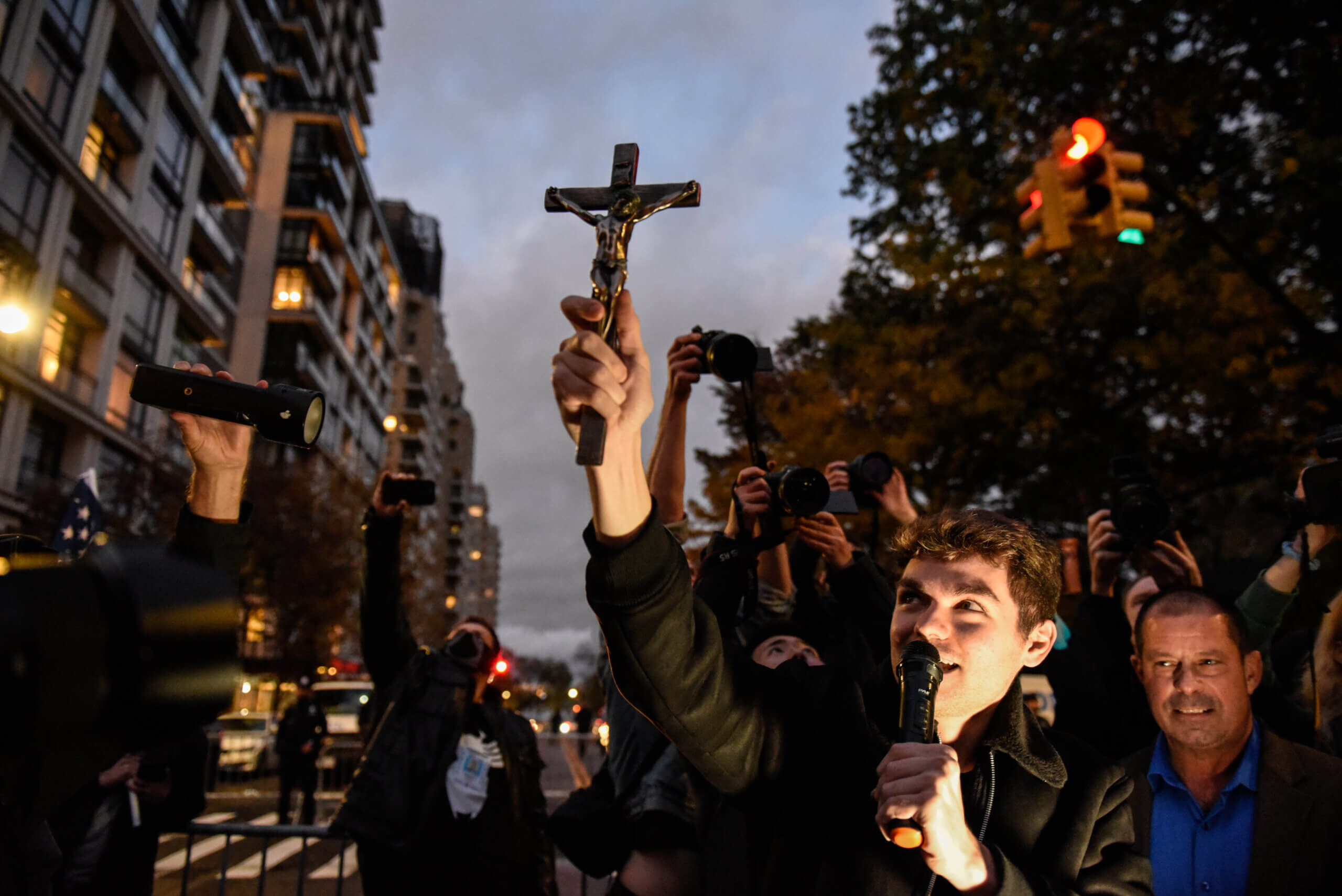
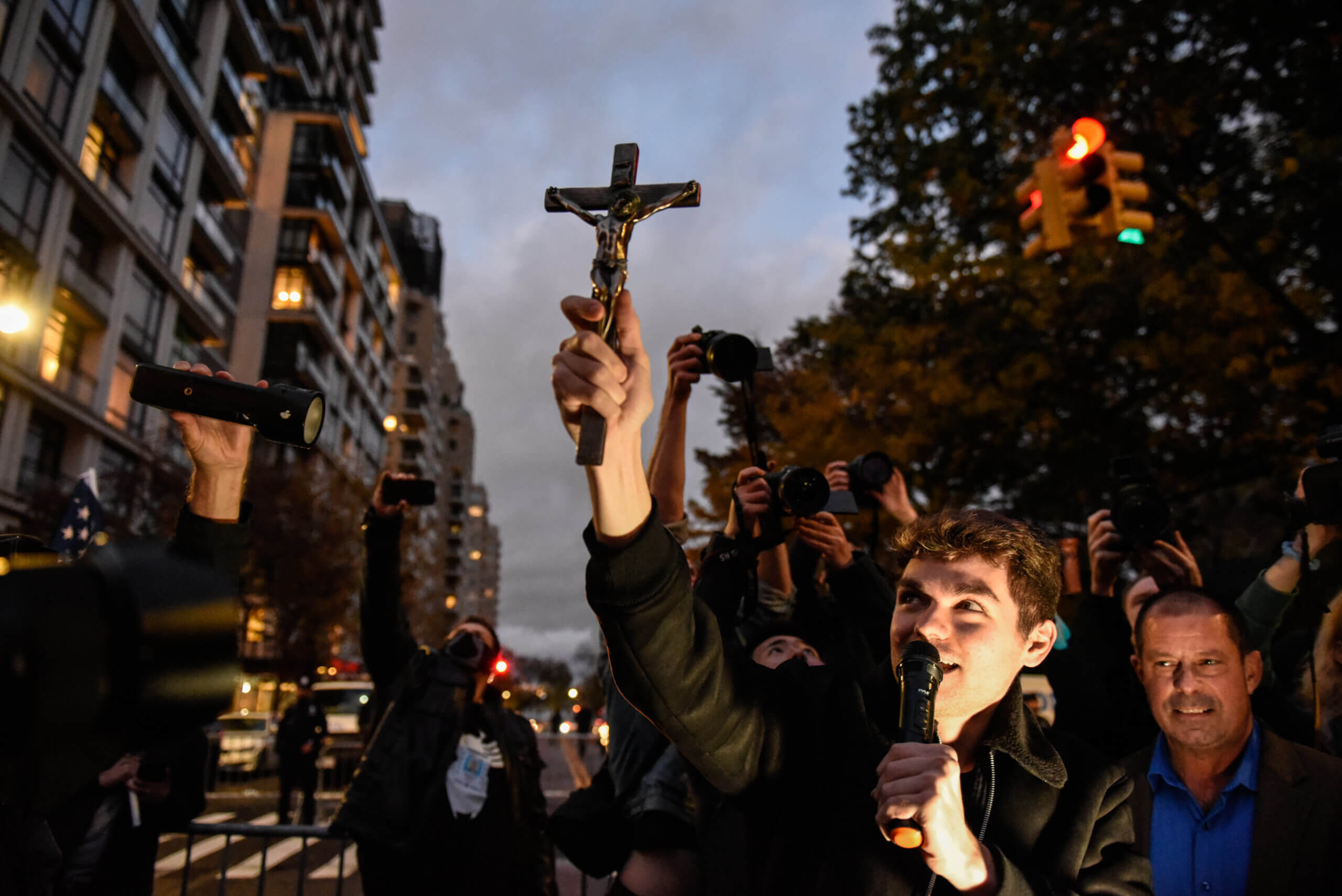
Last year, Fuentes, the avowedly antisemitic 27-year-old streaming host, went from being a pariah on the fringes of the right to the face of its new flank, and his army of conspiratorial followers, known as “groypers,” became the Republican Party’s most-desired demographic.
While Fuentes was deplatformed from Twitter, YouTube and most mainstream platforms in 2020 — thanks to his open endorsement of racism, antisemitism, Holocaust denial, misogyny and other hateful views on his streamed talk show, America First — Elon Musk returned his account to X in 2024. But the real key to Fuentes’ rise was the murder of Charlie Kirk.
Groypers had long shown up to events run by Kirk’s Turning Point USA events as part of what they called “groyper war.” Fuentes and his followers maintained that the young conservative movement headed by Kirk epitomized everything wrong with the party, namely that Kirk was too friendly to Israel and to people of color. Though Kirk was far from a moderate, the two represented opposing visions of the American right for their audiences of largely disillusioned young men.
When Kirk was killed, many experts who tracked the extreme fringes of the right suspected the shooter might have been a groyper. Though that seems not to have been the case, this significantly elevated the profile of Fuentes, who went on Tucker Carlson’s show and ranted about the problem of “organized Jewry in America.” Despite strong criticism from Republicans like Ted Cruz, Carlson defended the interview, as did Trump — “You can’t tell him who to interview,” he said — and Kevin Roberts, the head of the conservative Heritage Foundation, who called Carlson’s critics “the globalist class.”
Fuentes’ increased influence on the mainstream discourse of the right could be seen clearly in this year’s Turning Point USA’s AmericaFest conference, which took place after Kirk’s death. Fuentes fans and those influenced by his thought — particularly his harsh criticism of Israel — made up much of the audience, even though many also came to honor Kirk.
Key to Fuentes’ appeal is his ironic, trolling tone, which gives him plausible deniability for many of his more extreme statements; he has, for example, denied being a white nationalist, despite making statements like “The rootless transnational elite knows that a tidal wave of white identity is coming. And they know that once the word gets out, they will not be able to stop us. The fire rises!”
This plausible deniability is core to Fuentes’ strategy. “We have got to be on the right, dragging these people kicking and screaming into the future,” he said on America First in 2021. “If we can drag the furthest part of the right further to the right, and we can drag the center further to the right, and we can drag the left further to the right,” he continued, “then we’re winning.”
Candace Owens: A conspiracy theorist with reach
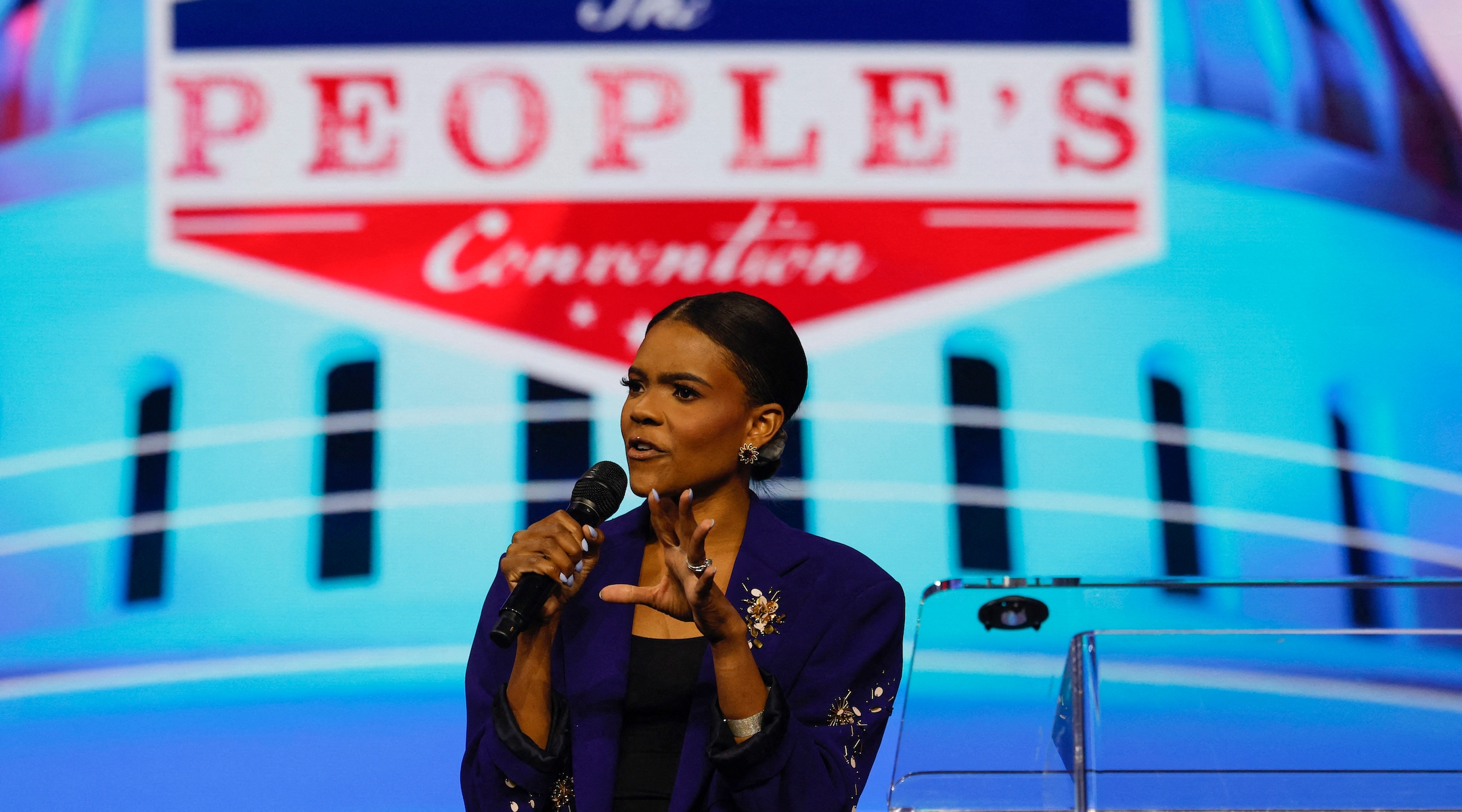
Candace Owens sounds like a crank. Once an employee of The Daily Wire, conservative Jewish pundit Ben Shapiro’s outlet, Owens was ousted in 2024 due to her antisemitism and general conspiratorial thinking, which has included the assertion that the moon landing was faked by Stanley Kubrick and that dinosaurs are “fake and gay.”
This may make her appear unthreatening; who could take that seriously? But her departure from The Daily Wire didn’t slow her down at all; she not only continued to espouse antisemitic conspiracy theories, but went deeper.
In the past few years, the podcaster regularly spread conspiracies about the Frankists, a little-known and long-defunct — though not according to Owens — group of Jewish apostates who supposedly control the government and media.
As was the case with Fuentes, Owens’ influence was buoyed by Charlie Kirk’s murder; she spread conspiracy theories that Israel, along with Emmanuel and Brigitte Macron and Egypt plotted the killing. No matter how absurd these ideas seemed, they gained so much traction that Erika Kirk, Charlie Kirk’s widow, met with Owens in December to attempt to quash these theories. She failed.
Owens’ conspiracy theories run the gamut from relatively random and harmless — her suspicion of France, for example — to virulently antisemitic; she has blamed “Zionists” for everything, including the Trump administration’s recent capture of Nicolas Maduro, and Kirk’s murder, and has also made more nebulous claims of Jewish control.
The rise in anti-Israel sentiment and increased acceptance of antisemitism on the right — JD Vance dismissed uproar over a leaked antisemitic group chat between leaders of the Young Republicans as “pearl-clutching” — has created fertile ground for Owens. With nearly 6 million followers on her YouTube podcast, and several million views on many of her individual videos, the wackiness of many of her ideas only serves to push the boundaries of what ideas enter the discourse on the far-right.
Tucker Carlson: An old-school pundit courting the new right
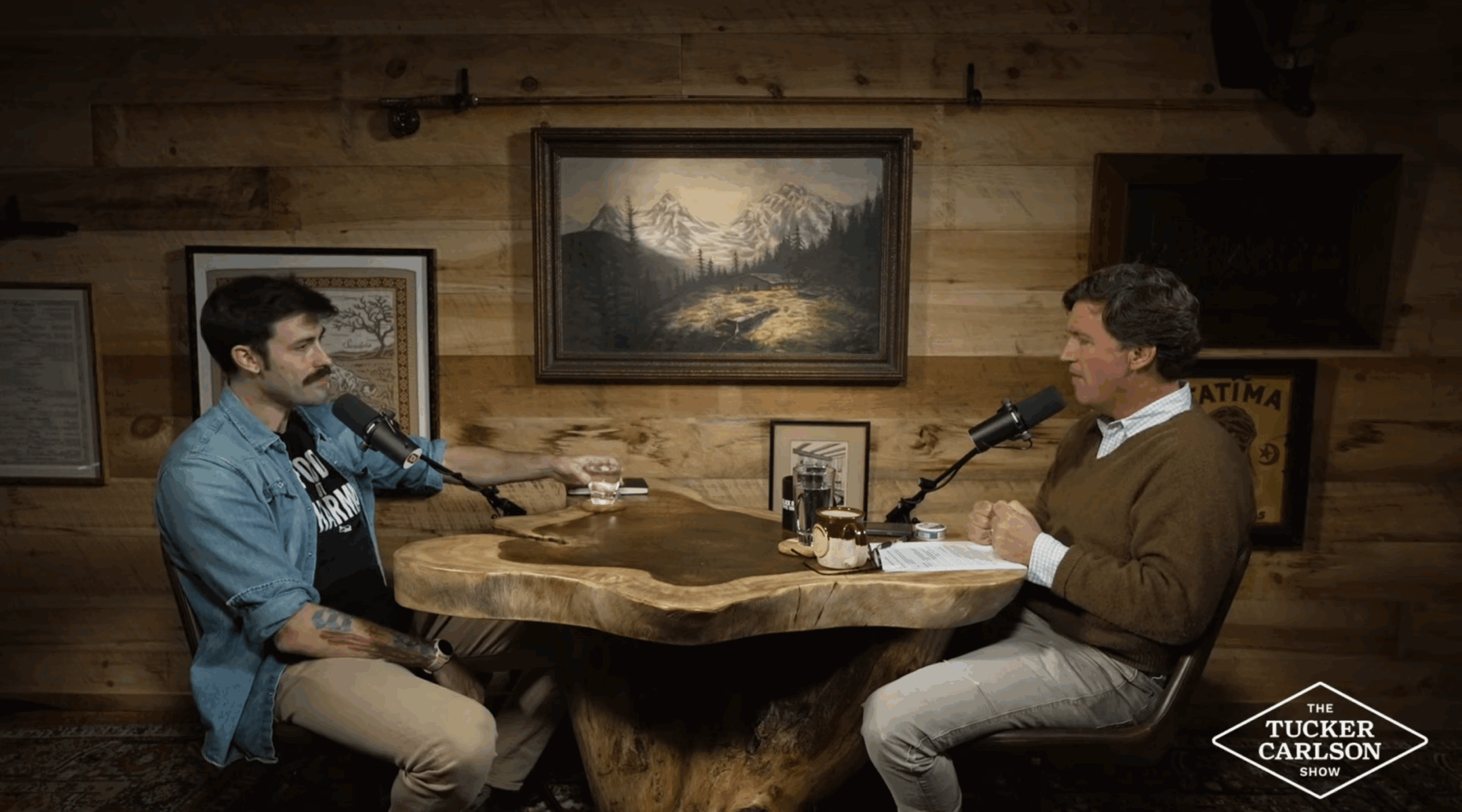
Tucker Carlson is not exactly a new figure to watch — his show was once a centerpiece of rightwing discourse. But after he left Fox in 2023, he fell temporarily into comparative obscurity. He began to stream his own show on X, but, for a time, ceased generating major headlines.
While he was lying relatively low, he took on a new persona: He revamped his signature look, exchanging his bowtie for a folksier checkered shirt and streaming from a wood-paneled cabin, and began sharing conspiratorial ideas about 9/11 and chemtrails, and offering increasingly harsh criticism of Israel’s influence over the American government that sometimes edges into antisemitic conspiracies.
When Carlson interviewed Fuentes in fall of 2025, he roared back into the discourse as a sort of kingmaker on the right. His outreach to Fuentes symbolically meshed the old guard with the new right’s younger and more extreme audience.
He continues to heavily critique the establishment Republican party, creating fractures that the Fuentes crowd can take advantage of to continue to shift the party’s ideology.
Adin Ross: Gaming streamer with a side of antisemitism
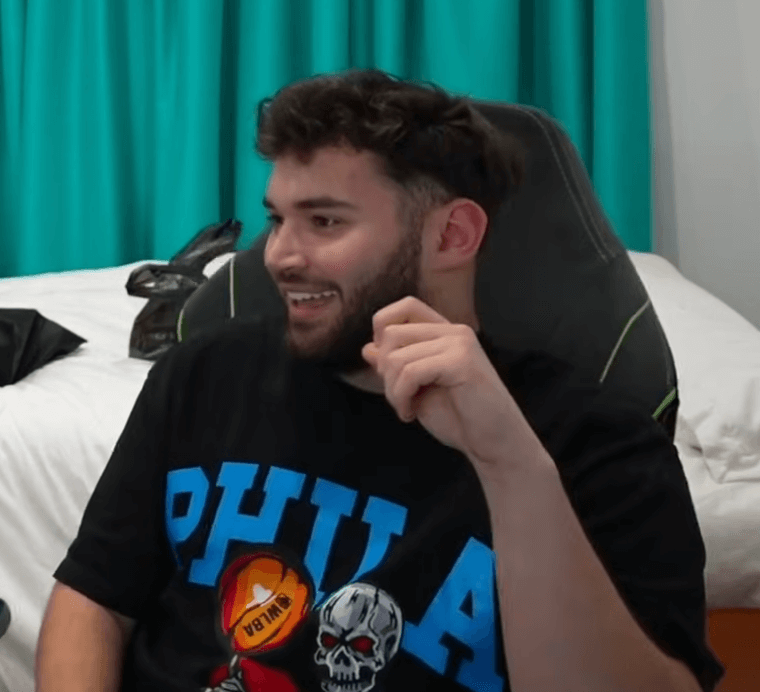
Ross made his name through gaming and video game commentary — largely Grand Theft Auto — on Twitch. He has been repeatedly banned from the platform for hateful and antisemitic comments.
The world of gaming streamers is often dismissed by those who aren’t in it. After all, video game expertise does not have any obvious relationship with news or politics. But many of these influencers talk as they game, and followers come to them not only to watch them play, but also to hear these defacto pundits’ opinions. Acknowledging the power of these streamers on the mainstream right, Trump made a 2024 campaign appearance on Ross’ show, where the streamer gifted him a Tesla Cybertruck.
Despite the fact that Ross is Jewish, he has allowed hateful rhetoric in his comments and has made similar comments himself, regularly rubbing his hands together to imitate the stereotype of greedy Jews. He has repeatedly hosted Fuentes on his show, as well as a slew of other figures who have made antisemitic comments that Ross has either laughed at or let go. He also regularly makes homophobic and misogynistic remarks. In the rapid-fire comments on his streams, his viewers reflect these ideas back at him, using the term “gay” as a slur and sending memes of the “happy merchant,” an antisemitic caricature of a hook-nosed, Orthodox Jewish man rubbing his hands together.
Ross is also kind of an idiot; famously, after someone in his chat called him a fascist three years ago, he looked up the definition while live streaming and was unable to pronounce it, or many of the words in the definition — including “authoritarian” and “ultra-nationalist.” Nor had he heard of the examples of fascists given, such as Mussolini. Nevertheless, Ross has 7 million followers on Twitch and nearly another 2 million on Kick, another streaming platform.
Manosphere podcasts: A broad web of influence

The so-called manosphere of podcasts is nothing new; it includes massively popular creators like Joe Rogan, Theo Von and Andrew Tate who run some of the most-watched video podcasts around. They sit around microphones speaking seemingly off the cuff for hours-long shows, and have massive appeal among young men, who turn to them for advice on dating and finances, and look to them as models of masculinity.
While Tate is overtly toxic, calling himself a misogynist, encouraging viewers to assault their girlfriends as well as praising Hitler and telling his followers to “bring back” the Nazi salute, many of these podcasters are less open about their extremist views.
Some, particularly Rogan and Von, take a stance of “just asking questions,” bringing on guests with extremist ideas such as Holocaust denial, and legitimizing those positions by engaging with them seriously.
Even if these podcasters are not overtly antisemitic, racist or misogynist, or might not personally share the views of their guests, their popularity means new audiences get exposed to ideas like Holocaust denial, making them a sort of gateway drug to extremism. As racism and antisemitism become more acceptable on the right, it’s likely these podcasters will welcome increasingly extremist guests than they already do, bringing their ideas to their massive audiences.
Joel Webbon: Christian nationalist internet pastor
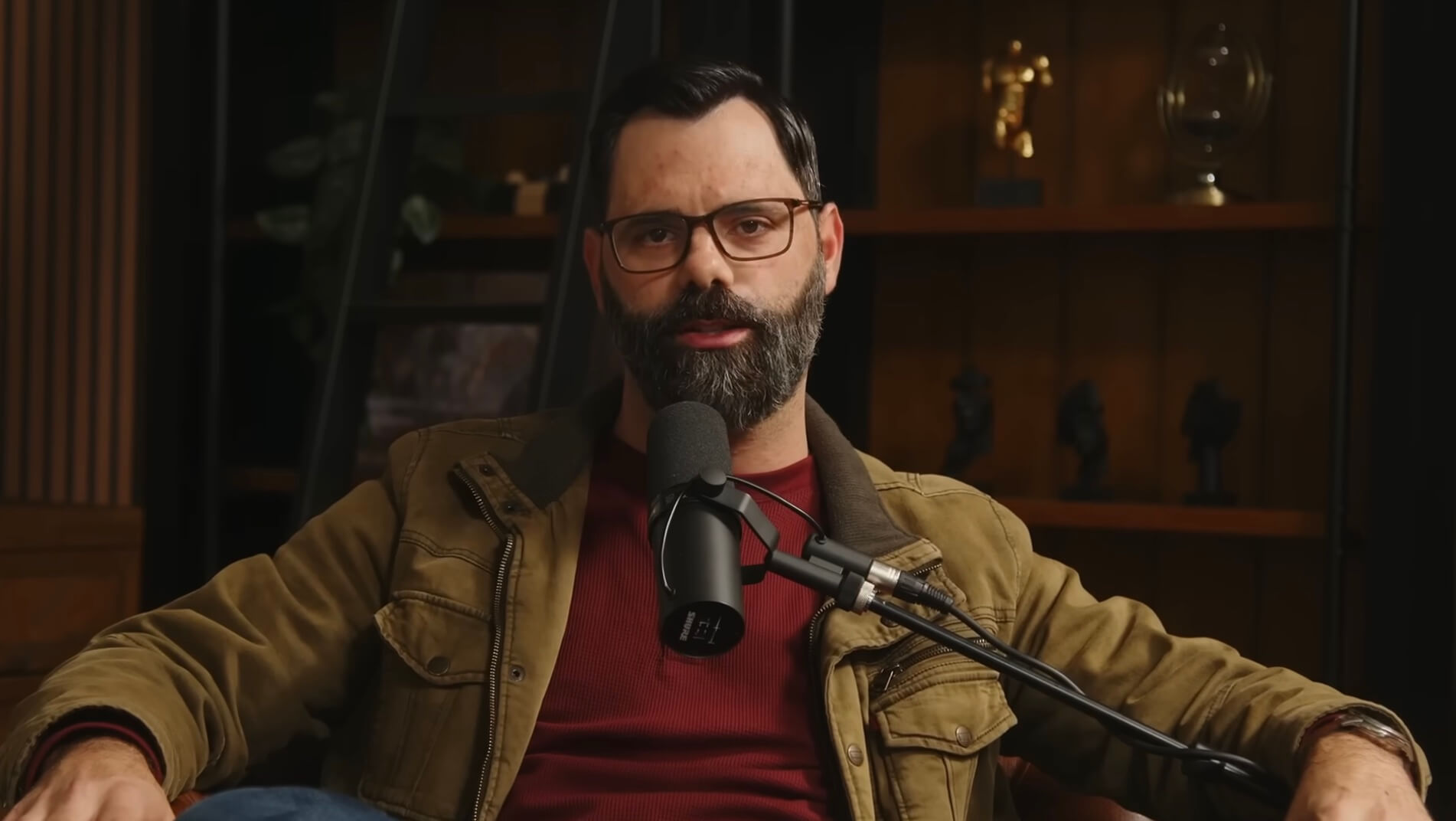
Joel Webbon, a Christian nationalist podcaster and influencer who runs Right Response Ministries, is still slightly niche, but his ideology is on the rise.
His audience is largely devout Christians, but it’s still sizable, with about 150,000 followers on YouTube; he is one of what some many, including myself, have termed the TheoBros, conservative Christian nationalists who combine theology with the sort of life advice on masculinity, women and fitness that made Andrew Tate and Theo Von famous. Webbon’s tone of theological expertise gives him extra influence among young Christian men, who turn to him as something of a religious mentor.
Webbon has recently launched a new channel, New Christian Right Studios or NXR, which he calls “theology in practice” — Christianity applied to politics and society. Webbon has always advocated for ultra-conservative Christian political ideas, such as a Christian government and removing women’s right to vote. But the rebrand is a sign that he intends to engage more in targeted political advocacy, aiming for a larger audience than just the theology obsessives, and hoping to draw in the kind of red-pilled, conspiratorial young men that Fuentes speaks to.
As part of the new mission, Webbon has turned toward open Jew-hatred, Holocaust denial and white nationalism — a step away from an older generation of Christian nationalist pastors who, while extreme, stayed clear of such overt antisemitism. His X account is full of allegations that Jews are “marked by subversion, deceit and greed,” opposition to interracial marriage, and statistics about the declining white population. He also released a book titled The Hyphenated Heresy: Judeo-Christianity, whose subject is solving the “Jewish question” within Christianity, and arguing that the church has moved too far toward Jewishness.
In the past year, Webbon has spoken with open admiration for Fuentes’ ability to connect with young men. And, at the beginning of 2026, he released a 10-part series of videos in which he talked to Fuentes about such topics as “The Inner Workings of ‘World Jewry.’” This crossover with Fuentes, who is a devout Catholic and advocate of Christian nationalism, will likely bring a whole new audience to Webbon, who is ready and waiting with warped biblical justifications for his antisemitism and misogyny.
Clavicular: An appearance-obsessed streamer with confused politics
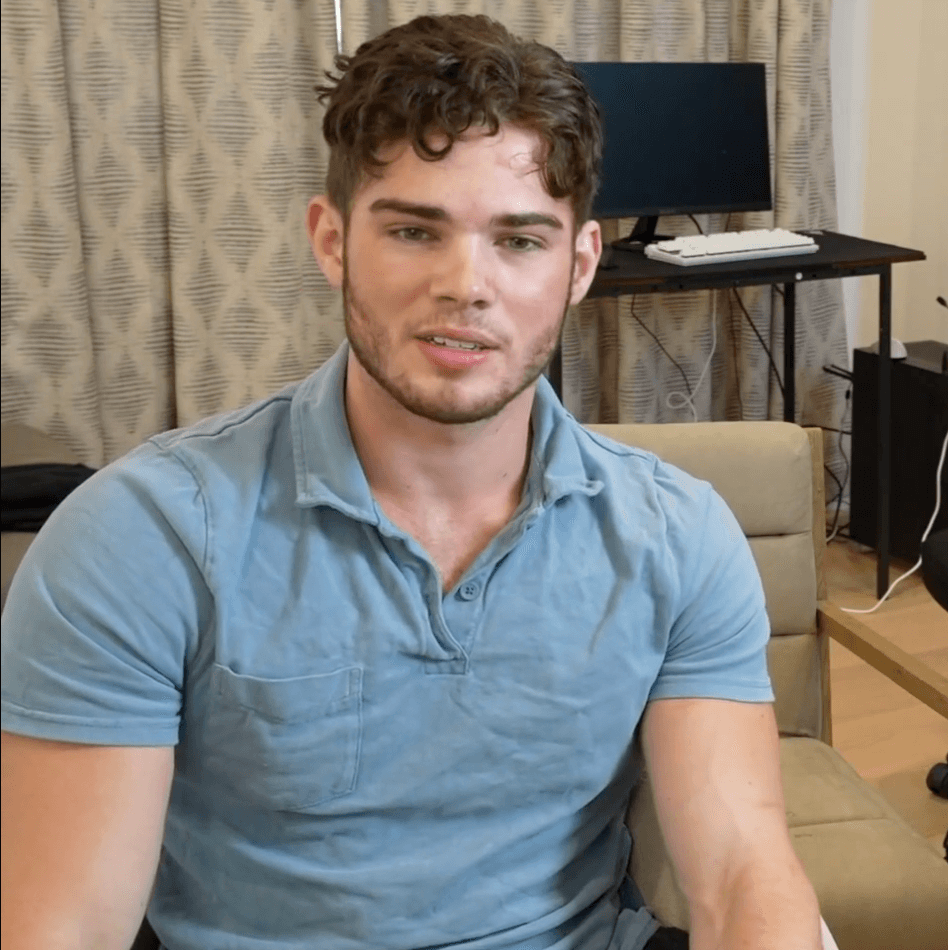
Perhaps the oddest entry on this list, Clavicular is what is called a “looksmaxxer,” a type of influencer who believes that appearance is the most important thing in the world and the key to success. Clavicular, whose real name is Braden Peters, gives advice to young men hoping to get good jobs and attractive women. But looksmaxxing is not just a lifting routine; it involves routines like “mewing” — pressing your tongue to the roof of the mouth to supposedly improve your jawline — intensive plastic surgery and even taking meth to “leanmax” and get defined abs. This is all in pursuit of a look known online as the gigachad — based off of a meme of a white man with a sharp, square jawline, bulging muscles and a beard.
Despite the obvious absurdity of this subculture, the 19-year-old streamer is on the rise. Both YouTube titan Mr. Beast and internet journalist Taylor Lorenz have said he is likely to be the biggest streamer of 2026.
Clavicular has yet to openly espouse much political ideology. But the subtext of looksmaxxing is white supremacy; that’s part of the gigachad look. And Clavicular also did a chummy hours-long video with Fuentes, exposing his audience to the neo-Nazi and implying a friendliness to Fuentes’ antisemitic and misogynist ideology. In the video, Clavicular said he got into looksmaxxing after being interested in politics in high school under the theory that his good looks would aid his ability to influence people politically. In the same conversation, he said that “saving European culture” requires steroids and looksmaxxing, and modeled his social media strategy on Fuentes’ own.
It’s hard to say where Clavicular is heading. But just as the gaming streamers began to include extremist political ideas alongside their video games, it’s likely that Clavicular will turn to the same tried-and-true strategy to grow his own profile.
The post These are the right-wing extremists we’re watching out for in 2026 appeared first on The Forward.
Uncategorized
California College Employee Calling Jewish Professor ‘Colonizer’ Was Antisemitic, Investigation Finds

Sign reading “Welcome to City College of San Francisco” above glass entry doors with building number 88, San Francisco, California, Aug. 29, 2025. Photo: Smith Collection/Gado/Sipa USA via Reuters Connect
A City College of San Francisco (CCSF) staff member who called a Jewish professor a “colonizer” among other verbal attacks engaged in unlawful harassment and discrimination based on the academic’s Jewish identity, according to an independent investigation into the incident.
The Louis D. Brandeis Center for Human Rights Under Law and the StandWithUs Saidoff Legal Center, two Jewish advocacy groups, on Tuesday celebrated the upholding of a disciplinary investigation’s finding as a “significant victory” for Jewish faculty and students.
“The outcome establishes a critical precedent for how universities must evaluate conduct often mischaracterized as political speech but that, in context, targets Jewish identity,” the groups said in a statement.
The investigation stemmed from a series of incidents which escalated to an explosive May 2025 confrontation in which CCSF employee Maria Salazar-Colon, president of the local Service Employees International Union (SEIU) union, allegedly launched a volley of anti-Jewish invective at computer science professor Abigail Bornstein. Calling Bornstein a “colonizer” and telling her to “shut the f—k up,” Salazar-Colon converted the professor’s name into a sobriquet by denouncing her as “Dumb-stein” during the public comment portion in a meeting of the community college’s board of trustees, according to the Brandeis Center and StandWithUs.
That utterance, combined with other comments related to Israel, indicated Salazar-Colon’s awareness of Bornstein’s Jewishness and her willingness to degrade her over it, the Brandeis Center and StandWithUs said — noting that a trivial discussion on college “governance,” not politics or the Middle East conflict, set the staff member off.
Salazar-Colon allegedly continued targeting Bornstein through email, denouncing her again as a “colonizer” and making other crude statements. The conduct drove the professor off campus. She reported the alleged harassment to the CCSF administration and filed a criminal complaint with the local police.
However, Salazar-Colon hit back, filing her own grievance in response to allege that she was the victim. Meanwhile, the college hired a law firm as a third-party investigator to look into the matter. Its findings were conclusive, determining not only that Salazar-Colon was fully culpable but that her conduct, rising to “workplace violence,” was intentionally discriminatory against a Jewish colleague.
CCSF ultimately dismissed Salazar-Colon’s “retaliatory” complaint, but the finality of its decision hung on the opinion of the college trustees. Salazar-Colon filed an appeal with the body. It took no action, crystallizing, the Brandeis Center and StandWithUs said, a consensus on the “seriousness of the underlying conduct and the strength of support for the [third-party investigator’s] findings.”
On Monday, Brandeis Center staff litigation attorney Deena Margolies told The Algemeiner that, in this case, justice prevailed but that many other Jewish members of academia suffer similar indignities.
“The college did the right thing here. They brought in an independent investigator. They made clear that this was about discrimination based on Bornstein’s protected identity, that being Jewish — not union advocacy — and that’s important and a necessary distinction that we don’t often see being recognized,” Margolies said. “I’m seeing many more of these disciplinary matters in the employee context, and I notice that what often happens is that when a Jewish professor or staff member is targeted or files a complaint, there is often a cross complaint, a baseless complaint which is retaliatory. And yet, they always end up coming through.”
CCSF will be taking disciplinary action. against Salazar-Colon.
As previously reported by The Algemeiner, antisemitism promoted by university employees often disguises itself as politics, complicating higher education institutions’ response to it.
In September, a survey conducted by the Anti-Defamation League (ADL) and the Academic Engagement Network (AEN) found that staff and faculty accelerated the “antisemitism” crisis on US college campuses by politicizing the classroom, promoting anti-Israel bias, and even discriminating against Jewish colleagues. It found that 73 percent of Jewish faculty witnessed their colleagues engaging in antisemitic activity, and a significant percentage named the Faculty and Staff for Justice in Palestine (FSJP) group as the force driving it.
Of those aware of an FSJP chapter on their campus, the vast majority of respondents reported that the chapter engaged in anti-Israel programming (77.2 percent), organized anti-Israel protests and demonstrations (79.4 percent), and endorsed anti-Israel divestment campaigns (84.8 percent). Additionally, 50 percent of respondents said that anti-Zionist faculty have established de facto, or “shadow,” boycotts of Israel on campus even in the absence of formal declaration or recognition of one by the administration. Among those who reported the presence of such a boycott, 55 percent noted that departments avoid co-sponsoring events with Jewish or pro-Israel groups and 29.5 percent said this policy is also subtly enacted by sabotaging negotiations for partnerships with Israeli institutions. All the while, such faculty fostered an environment in which Jewish professors were “maligned, professionally isolated, and in severe cases, doxxed or harassed” as they assumed the right to determine for their Jewish colleagues what constitutes antisemitism.
Administrative officials responded inconsistently to antisemitic hatred, affording additional rationale to the downstream of hatred. More than half (53.1 percent) of respondents described their university’s response to incidents involving antisemitism or anti-Israel bias as “very” or “somewhat” unhelpful, and a striking 77.3 percent thought the same of their professional academic associations. In totality, alleged faculty misconduct and administrative dereliction combined to degrade the professional experiences of Jewish professors, as many reported “worsening mental and physical health, increased self-censorship, fear for personal safety,” and a sense that the destruction of their careers and reputations was imminent.
“Antisemitism cannot and should not be downplayed as political, academic, or workplace disagreement. Antisemitism is, clearly and concretely, insidious discrimination,” Brandeis Center chairman Kenneth Marcus, a former US assistant secretary of education for civil rights, said in a statement released with the news of the outcome of the CCSF incident. “Institutions have both the authority and the obligation to intervene, and we are hopeful that these outcomes encourage those who wish to report incidents of antisemitism to come forward without fear of retaliation.”
Follow Dion J. Pierre @DionJPierre.
Uncategorized
Turkish Intel Chief Hosts Hamas Leaders as New Report Warns of Turkey’s Ties to Muslim Brotherhood

Turkish President Tayyip Erdogan speaks during a ceremony for the handover of new vehicles to the gendarmerie and police forces in Istanbul, Turkey, Nov. 28, 2025. Photo: REUTERS/Murad Sezer
Turkey’s extensive ties with Hamas and other terrorist groups and Islamist movements are raising alarm bells among analysts, highlighting Ankara’s controversial pivot away from its traditional Western alliances amid ongoing regional conflicts.
This week, Turkish intelligence chief Ibrahim Kalın met in Ankara with Khalil Al-Khaya, a senior Hamas negotiator, and the terrorist group’s political bureau delegation to discuss prospects for advancing the second phase of the Gaza ceasefire — marking the second such meeting in under two weeks.
Last week, Kalın also met with senior Hamas leaders in Istanbul, underscoring Turkey’s ongoing diplomatic engagement with the Islamist group.
Notably absent from both meetings’ public summaries was any mention of Hamas’s disarmament — a key condition of the US-backed peace plan, which the terrorist group continues to reject, further complicating ceasefire efforts.
Earlier this year, the US-backed plan to end the war in Gaza hit major roadblocks after proposals surfaced that would allow Hamas to retain some small arms — an idea strongly denounced by Israeli officials who insist the Islamist group must fully disarm.
Israel has previously warned that Hamas must give up its weapons for the second phase of the ceasefire to move forward, pointing to tens of thousands of rifles and an active network of underground tunnels still under the terrorist group’s control.
Last week, US President Donald Trump’s “Board of Peace” reportedly presented a disarmament plan to Hamas that would require the terrorist group to allow the destruction of its vast Gaza tunnel network as it lays down its arms in stages over eight months. Palestinian officials indicated Hamas would not accept the proposal without “amendments and improvements.”
Under Trump’s 20-point Gaza peace plan, phase two would involve deploying an international stabilization force (ISF), beginning large-scale reconstruction, and establishing a Palestinian technocratic committee to oversee the territory’s administration.
Conditioned on Hamas’s disarmament, the Israel Defense Forces (IDF) would also withdraw from the approximately 53 percent of the enclave they currently occupy.
Since the start of the war in Gaza, Turkey has repeatedly tried to position itself as a regional mediator, maintaining direct intelligence channels with Hamas to advance ceasefire talks and solidifying its role in US-backed diplomatic efforts.
However, Turkey has also been a long-time backer of Hamas, hosting senior officials multiple times over the years and refusing to designate the group as a terrorist organization. Ankara has also provided Hamas with both political and financial support by allowing its leadership to operate networks from Turkish soil.
Israeli officials have repeatedly accused Hamas operatives of using Turkey as a base for recruitment, financing, and operational coordination.
On Monday, Israeli intelligence services uncovered a Hamas terror network in the West Bank, directed by an operative based in Turkey, revealing ongoing coordination between the group’s cells abroad and on the ground.
According to Sinan Ciddi, senior fellow at the Foundation for Defense of Democracies (FDD), a Washington, DC-based think tank, Turkey’s high-level meetings with Hamas and growing engagement in Gaza reflect a stark gap between its public diplomacy and private dealings, revealing a calculated effort to maintain influence in the region.
“Publicly, Turkey has presented itself as a diplomatic broker seeking a ceasefire. Privately, its continued high-level engagement with Hamas, particularly through intelligence channels, signals an enduring political alignment and a willingness to preserve the group as a relevant actor in postwar Gaza,” Ciddi wrote in a newly released report.
“Ankara’s maintenance of access to Hamas leadership is likely intended to help ensure Turkey retains influence over any future political settlement,” he continued.
Israel has consistently opposed any role for Turkish security forces in postwar Gaza, with Ankara seeking to expand its regional influence — a move experts warn could strengthen Hamas’s terrorist infrastructure.
Amid growing concerns over Turkey’s regional influence, a newly released FDD report underscored the country’s pivot under President Recep Tayyip Erdogan from its traditional Western alignment toward closer ties with Islamist movements, including the Muslim Brotherhood.
The report identified Turkey as a key refuge for Muslim Brotherhood leaders from across the region, including Egypt and Yemen, a role that has intensified after many fled their home countries amid government crackdowns.
For years, the Muslim Brotherhood has faced bans or restrictions across the Middle East, with some European countries and the United States recently designating the group or specific branches as terrorist organization.
“There is an established track record … where Turkey significantly undermines the transatlantic alliance’s core security concerns,” Ciddi said.
Uncategorized
US Appeals Court Reinstates $655M Ruling Against Palestinian Authorities Over Terrorism

Palestinian Authority President Mahmoud Abbas looks on as he visits the Istishari Cancer Center in Ramallah, in the West Bank, May 14, 2025. Photo: REUTERS/Mohammed Torokman
A US federal appeals court on Monday reinstated a whopping $655.5 million judgment against the Palestine Liberation Organization (PLO) and the Palestinian Authority (PA), delivering a major legal victory for American victims seeking to hold the groups responsible for the notorious “pay-for-slay” terrorism program.
The ruling by the US Court of Appeals for the Second Circuit restored a jury’s earlier finding that the PLO and PA bore civil liability under the Anti-Terrorism Act for a series of attacks in Israel that killed and injured US citizens.
In its opinion, the court recalled its previous mandate vacating the initial decision, writing that doing so was warranted by “intervening changes in underlying law” and the need to prevent an unjust outcome after years of litigation. The panel emphasized that appellate courts retained the authority to revisit earlier decisions in “extraordinary circumstances,” a standard it found satisfied in this case.
The judges also addressed the issue of jurisdiction, which had previously served as an obstacle in the case.
In 2023, a federal appeals court ruled that US courts did not have the authority to hear certain lawsuits against the PLO and the PA stemming from terrorist attacks abroad that killed or injured American citizens. In a decision issued by Second Circuit court, the panel concluded that Congress could not compel foreign defendants to face litigation in US courts without sufficient ties to the country, dealing a significant setback to victims seeking damages through American legal channels.
But the court signaled that subsequent legal developments from the Supreme Court and evolving interpretations of the Anti-Terrorism Act altered the analysis enough to justify reinstating the judgment.
At the center of the case was the Anti-Terrorism Act’s provision allowing US nationals to seek civil damages for acts of international terrorism. A jury had originally awarded damages to victims and their families, finding a link between the alleged terrorists and attacks targeting civilians. Those damages resulted in the mandated enforcement of the more than $650 million judgment.
For victims’ families and advocates, the decision marked a significant step toward enforcing consequences against groups accused of supporting or incentivizing violence.
Supporters have argued that lawsuits play a critical role in deterring terrorism, particularly when criminal prosecution is not possible. By reinstating the judgment, the court appeared to endorse the broader principle that US law can serve as a tool of accountability, even in cases involving foreign actors and overseas attacks.
The court cautioned that enforcement presents a distinct set of legal and practical challenges. It pointed to potential obstacles including asset location, sovereign protections, and the complexities of executing judgments against foreign entities.
The Palestinian Authority, which exercises limited self-governance in the West Bank and has long been riddled with accusations of corruption, has for years carried out a so-called “pay-for-slay” program, which rewards terrorists and their families for carrying out attacks against Israelis.
Under this policy, official payments are made to Palestinian prisoners held in Israeli jails, the families of “martyrs” killed in attacks on Israelis, and Palestinians injured in terrorist attacks.
Reports estimate that approximately 8 percent of the PA’s budget has been allocated to paying stipends to convicted terrorists and their families.
Skeptics suggest the hurdles in seeking financial retribution from the PLO and PA could prove substantial. The PLO and PA maintain limited assets within the US, and some may be protected from seizure. Efforts to enforce the judgment could also raise sensitive diplomatic concerns, particularly given the entities’ role in international negotiations and governance.
The case is likely to have far-reaching implications for future terrorism litigation, particularly as Congress continues to explore ways to expand the reach of US courts in holding foreign actors accountable.