



World Views
Source Scrutiny Mounts Over Al Jazeera’s Exclusive Hamas Military Footage
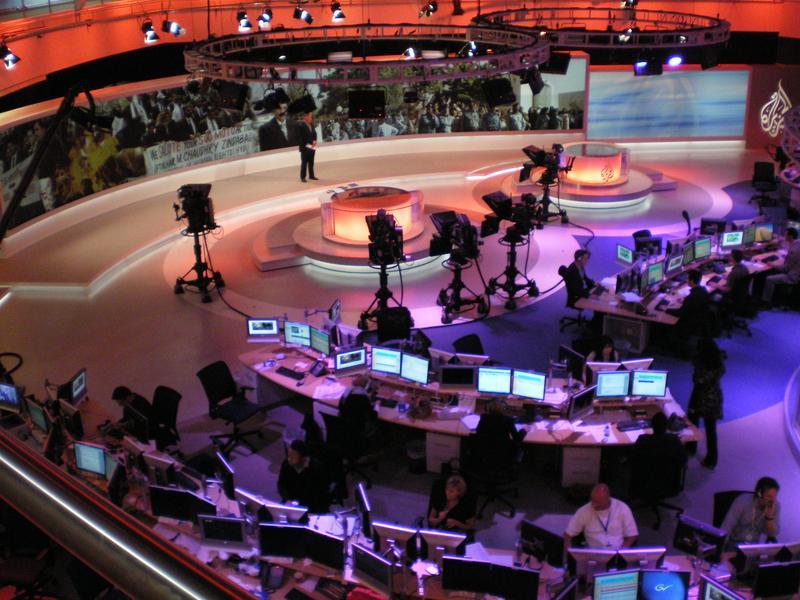
A recent investigative broadcast by the Qatari network Al Jazeera has ignited a significant debate regarding journalistic sourcing and control. The network aired an episode titled ‘What Is Hidden Is Greater,’ showcasing internal military records and footage of high-ranking Hamas commanders who have since been killed in combat. However, the channel has failed to provide any explanation for how it acquired this sensitive material, leading to intense scrutiny from media analysts and military observers alike.
The Content and The Contradiction
The program featured documents detailing a February 2023 meeting of Hamas’s military council, along with an operational order signed by Mohammed Deif in October 2023. The network promoted the episode as a presentation of top-secret information. Crucially, Hamas quickly amplified the broadcast by publishing the footage of its deceased leaders on Telegram within hours of the original airing. This immediate self-publication by the group makes the theory of an external, unauthorized leak increasingly difficult to maintain.
Allegations of Editorial Influence
The lack of clarity surrounding the source has prompted Israeli military documents to surface, suggesting a history of Hamas attempting to influence the narrative presented by the program’s producer, Tamer Al Misshal. These disclosures indicate that in 2022 and 2023, Hamas had sought to establish a secure communication line with the network and had issued directives related to the coverage of the conflict. One document reportedly instructed Al Misshal to ensure the group’s approval before airing material received from Islamic Jihad.
Despite these claims, Al Jazeera has firmly refuted the allegations put forth by Israeli military sources. While some of the footage presented was not entirely novel, with earlier images of commanders having been published previously, the network still maintains its claim of exclusivity for the specific compilation. Media watchdogs have noted that the confluence of Hamas’s own dissemination of the material, combined with documents indicating a dedicated communication channel, strongly points toward the militant group being the primary source.
The Unanswered Questions
The situation leaves two fundamental questions unanswered: whether Hamas explicitly authorized the release of this specific material, and to what extent the militant group shaped the way the information was ultimately presented to the global audience. As the investigation continues, the incident serves as a stark example of the complex intersection between state-sponsored media, non-state actor communications, and the integrity of international journalism.
World Views
Cabinet Battle Lines Drawn: Miller’s Appointment Sparks Deep Schism in Jewish Community
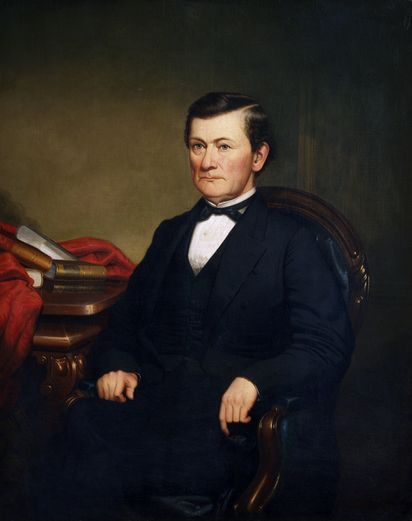
The selection of Stephen Miller as the next White House Chief of Staff has ignited a sharp ideological conflict within the Jewish community, revealing deep divisions over the most effective strategies to combat rising antisemitism. While conservative and pro-Israel advocacy groups have strongly endorsed the move, viewing it as a vital safeguard against discrimination, liberal Jewish organizations have voiced grave warnings that his hardline political philosophy poses a significant threat to the community’s security and civil liberties.
A Political Divide Over Protection and Policy
Supporters of the appointment, including several prominent advocacy networks, praised Miller’s promotion as a recognition of the substantial contributions Jewish Americans have made to public service. These groups have expressed a desire to collaborate with Miller to ensure that institutions are held accountable when they fail to protect Jewish citizens from harassment. The appointment follows Trump’s decision to replace his former chief of staff, and his supporters see Miller’s key role as strengthening the administration’s existing anti-hate initiatives, such as the multi-agency Task Force launched by the Justice Department.
Conversely, liberal Jewish leaders have issued stark warnings. They contend that promoting Miller will reinforce dangerous trends of extremism and normalize antisemitism. Officials from these groups indicated that Miller’s staunch advocacy for anti-immigrant policies is fundamentally linked to the proliferation of hate speech and violence targeting Jews. They pointed out that the core of his immigration agenda is built upon deeply antisemitic conspiracy theories regarding ‘replacement’ and ‘invasion’ of populations.
The Stakes of the Ideological Conflict
The controversy highlights a fundamental debate within the community: whether the solution to rising hate lies in aggressive enforcement and policing of elite institutions, a path favored by the administration, or in staunch opposition to what critics call the systematic erosion of civil rights protections. Critics of Miller have pointed to his past support for white nationalist and highly anti-immigrant rhetoric, drawing comparisons to far-right political figures. Furthermore, some Jewish political figures have previously urged Trump to dismiss Miller, citing his troubling political stances.
Prominent commentators, including a Jewish former government official, labeled Miller as bigoted and xenophobic, arguing that his policies represent a ‘brutal Kristallnacht against undocumented immigrants.’ These critics fear that Miller’s influence could make vulnerable communities less safe, suggesting that his role might undermine the civil rights principles inherent to national security. The debate underscores the profound political polarization facing the community during this period of intense national scrutiny.
World Views
Culture Clash in London: Protests Target Arab-Jewish Musical Diplomacy at British Library
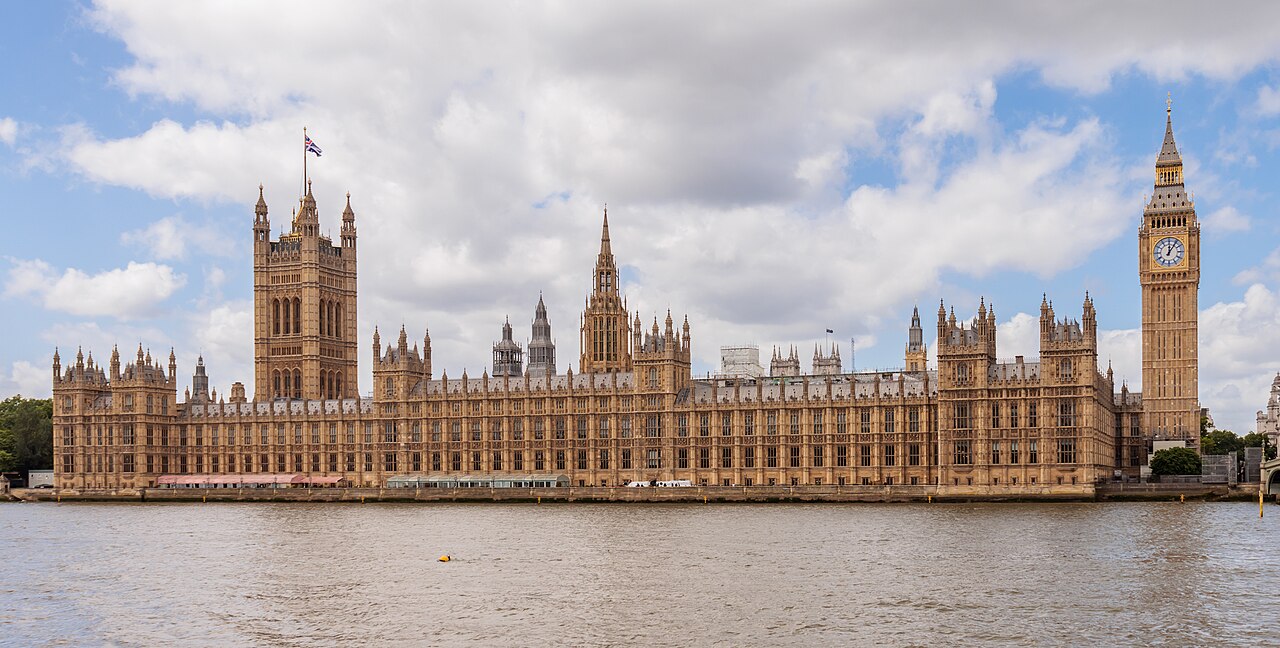
Tensions flared in London on Tuesday evening as pro-Palestinian activists demonstrated outside the British Library, targeting a musical performance by the Arab-Jewish ensemble, Shesh Besh. The concert, which aimed to showcase the power of music to foster international understanding, drew intense political opposition from groups calling for a complete boycott of the performing organization, the Israel Philharmonic Orchestra (IPO).
The Performance and the Political Backlash
The demonstration was organized by the Palestine Solidarity Campaign (PSC) and centred on the IPO’s involvement. Shesh Besh, established in 2000 as an educational project of the IPO, features a blend of classical Western and Middle Eastern music performed by musicians from both Israeli and Arab backgrounds. The group promotes the idea that shared art transcends cultural divides. This specific concert, held at the British Library and advertised as an evening of ‘shared humanity,’ marked the ensemble’s first UK appearance since 2009.
However, the PSC vehemently rejected the event, arguing that the IPO was complicit in the military actions taking place in the Gaza Strip. The group contended that the orchestra was using the concert as a form of propaganda, distracting the public from the severe humanitarian crisis and the regime’s actions. They emphasized that their objection was not aimed at the individual artists, but rather at the institution’s close ties to the Israeli defence apparatus and its perceived silence on Palestinian rights. The protesters held signs demanding an end to what they deemed ‘ethnic cleansing’ in Palestine.
Clash of Counter-Narratives and Police Intervention
The political confrontation was further amplified by a counter-protest organized by the Jewish-led group Stop The Hate UK. Approximately fifty supporters attended, waving Israeli flags and displaying signs opposing the anti-Israel demonstrations. The situation quickly became highly contentious regarding free speech and police conduct. A representative from the counter-protest group claimed that Metropolitan Police deliberately confined the pro-Israel participants to a side street, preventing them from being seen or heard by the main demonstrators on Euston Road. The group asserted that this police action was unlawful and discriminatory.
Debate on Cultural Freedom
The incident has sparked a broader debate concerning the intersection of cultural exchange and political advocacy in the UK. Campaign Against Antisemitism (CAA) weighed in, suggesting that the protest demonstrated a narrowing of acceptable discourse, arguing that even efforts promoting Arab-Jewish coexistence are now viewed as political propaganda. They contended that targeting such a unifying cultural event indicates a wider intent to eliminate any connection to the Jewish state. The clash highlights the difficulty institutions face when attempting to host events that promote universal themes amidst deep-seated geopolitical conflict.
World Views
Beyond the Ballot: Chicago Demands a Higher Standard of Civic Leadership

As political campaigns conclude, the conversation in major urban centres like Chicago must shift beyond mere electoral promises. Experts argue that the city urgently requires a redefined benchmark for civic leadership—one rooted not in political expediency, but in active, empathetic representation of all residents. This elevated standard demands that leaders actively listen when communities express distress and possess the fortitude to confront prejudice, even when it is politically inconvenient.
The Crisis of Trust and Targeted Hate
Amid rising community divisions and declining faith in established institutions, the ability of local government to foster unity is being severely tested. For specific groups, particularly the Jewish community in Chicago, concerns regarding the normalization of hate are growing alarmingly. Reports indicate that many residents feel unheard, witnessing a disturbing increase in anti-Jewish hate crimes. Civic leaders, it is argued, have a profound duty to treat these concerns with the utmost seriousness, focusing on local realities within neighbourhoods, schools, and places of worship.
From Policy to Practice: The Need for Action
The source material highlights a critical flaw in municipal governance: the gap between policy creation and measurable implementation. While mechanisms exist, such as the Commission on Human Relations, accountability demands clear, actionable next steps. Leaders must move past merely creating advisory bodies; they must ensure that recommendations lead directly to tangible change. Furthermore, the responsibility for combating hatred cannot rest solely on educational systems. All citizens bear a duty to speak out against prejudice, regardless of the identity of the targeted individual.
A Call for Inclusive Governance
The core message emphasizes that a city’s strength lies in its capacity for mutual understanding, not in pitting diverse communities against one another. Leaders must demonstrate that representing Chicago means representing its entirety—Jewish, Black, Latino, Christian, and Muslim communities alike. This requires creating safe public spaces where difficult conversations can occur without the assumption that disagreement automatically precludes dialogue. This civic culture, however, is not manufactured solely at City Hall; it is nurtured in daily interactions, classrooms, and dinner tables.
Ultimately, the litmus test for future leaders should be simple: Do their actions reflect their words? Do they genuinely bring people together or further drive them apart? Chicago deserves governance that prioritizes listening, action, and the unwavering defense of dignity for every single resident.
