



World Views
Senator Cruz Challenges Vance’s Narrative on U.S.-Israel Ties After Midterm Losses
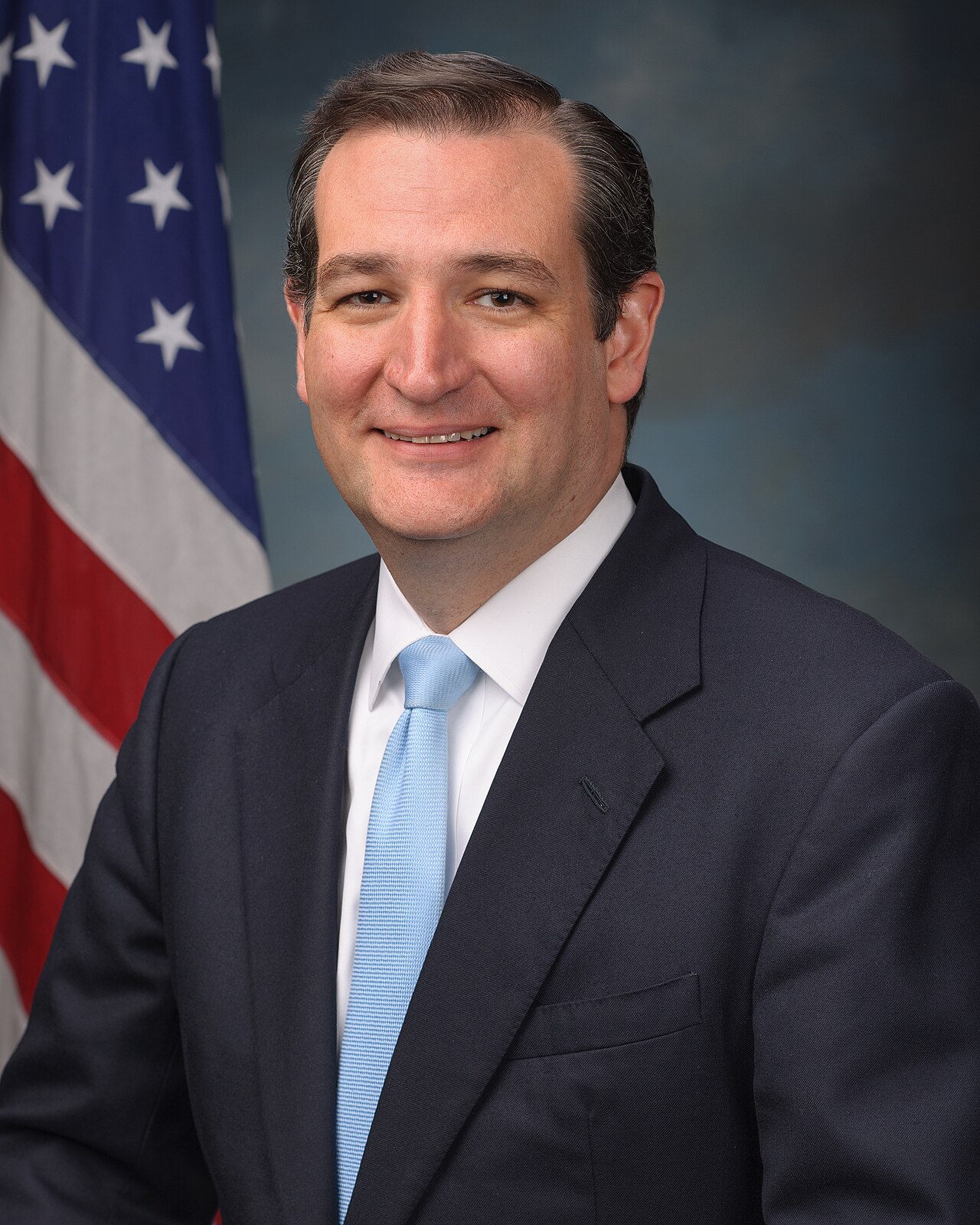
Texas Senator Ted Cruz publicly refuted Vice President JD Vance’s post-election assessment, arguing forcefully against the notion that the relationship between the United States and Israel contributed to the Republican Party’s significant electoral setbacks during the recent midterm elections. The disagreement surfaced during a recent gathering at the Jewish Leadership Conference in Manhattan, where Cruz strongly rejected the premise that the electorate gave a mandate to shift away from support for Israel.
Ideological Clash Over Foreign Policy
The political sparring occurred when Jonathan Silver, a senior executive at the conservative Tikvah Fund, questioned Cruz regarding Vice President Vance’s perceived efforts to foster an isolationist and anti-Israel faction within the party. Cruz responded by directly challenging the Vice President’s viewpoint, stating that anyone interpreting the election results as a directive to abandon Israel was fundamentally misreading the political landscape. Vance had previously referenced polling data indicating that some defecting Republican voters wished to alter the current dynamic of U.S.-Israel relations.
Rising Extremism and Political Warning
While the exchange centered on foreign policy, Cruz used the platform to raise a persistent alarm about the escalating presence of anti-Israel and antisemitic rhetoric, noting that this trend is visible across the political spectrum. He has been voicing these concerns for over a year. Cruz cited prominent figures on both the left and the right—including Mayor Zohran Mamdani and Senator-elect Abdul El-Sayed on the left, and Tucker Carlson, Candace Owens, and former Representative Marjorie Taylor Greene on the right—as examples of this growing polarization.
The Senator warned that these right-wing voices are gaining substantial influence. He estimated that a significant portion of young conservative individuals are receptive to their messages, projecting a grim future where both major political parties could become unapologetically anti-Israel and antisemitic within the next five years. This sentiment aligns with the work of groups like Front Line, which supports Cruz and funds advertising campaigns aimed at making antisemitism unacceptable within the Republican Party.
A Call for Political Vigilance
Cruz’s intervention underscores a deepening internal conflict within the GOP regarding its foundational commitment to Israel. The Senator’s remarks serve as a stark warning to his political base, suggesting that the concerns over ideological drift and extremism are far from resolved, regardless of the party’s recent electoral performance.
World Views
Internal Divisions Emerge as Michigan Senator Navigates Shifting Jewish Political Landscape
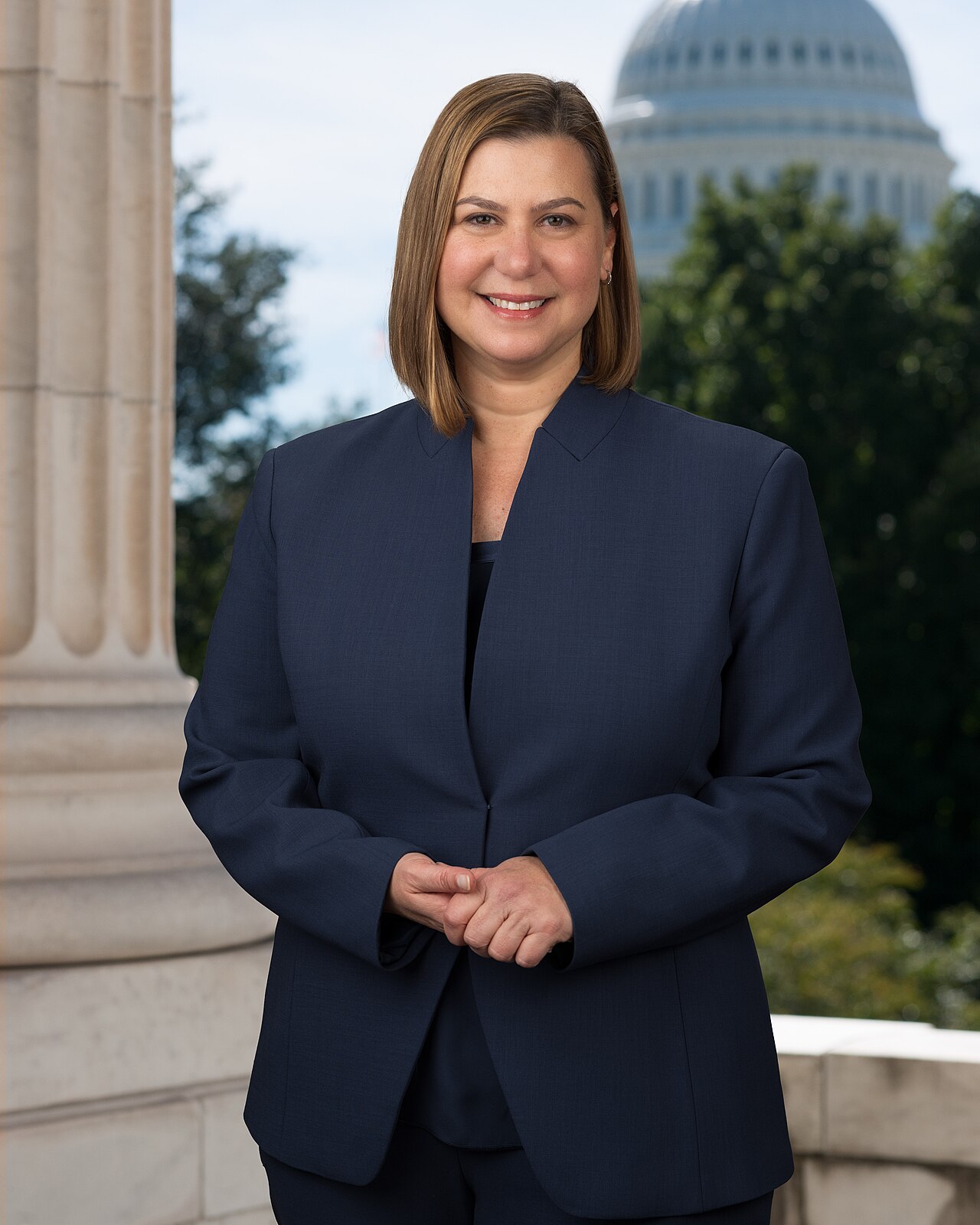
A recent scheduling conflict at a Detroit synagogue brought to light deep-seated ideological tensions within the Jewish community regarding the political trajectory of Michigan Senator Elissa Slotkin. The planned appearance by the Jewish Democrat at Congregation Shaarey Zedek was met with significant community discomfort, prompting the religious leadership to issue an acknowledgement of ‘offense and hurt’ to congregants. Although the Senator ultimately did not attend due to air travel disruptions, the incident highlighted a growing rift between her progressive political alignments and the traditional expectations of her constituents.
The Price of Political Moderation
Slotkin, who possesses a background in national security and has historically identified as Zionist, has recently staked out a moderate position within the Democratic Party. This attempt to bridge the gap between the progressive wing and more moderate voters has led to friction, particularly concerning her campaign support for Abdul El-Sayed. Some long-time Jewish supporters have expressed feelings of betrayal, arguing that she should have actively challenged the progressive narratives promoted by El-Sayed during the general election. One prominent donor noted his disappointment that she did not publicly critique the candidate’s platform.
This backlash signals a wider instability within the Jewish Democratic electorate. Slotkin’s association with El-Sayed, a figure who has faced criticism for questioning Israel, has put her at odds with the state’s traditional pro-Israel camp. This dynamic is particularly sensitive given the Senator’s growing national profile and her stated ambition to seek a presidential run in 2028, making her political affiliations a matter of high importance to major donors.
Ideological Shifts and Community Response
The conflict is rooted in Slotkin’s evolving policy stance. She has begun distancing herself from the party’s staunchly pro-Israel faction, notably by voting to restrict the sale of certain weapons to Israel. Furthermore, she has reduced her association with groups like AIPAC, a notable shift from her earlier political activities. While some community members view these changes as a betrayal of core values, others offer a different perspective. Leaders within the Jewish Democratic Council of America have asserted that Senator Slotkin’s current stance reflects a modern consensus: supporting Israel’s security while simultaneously opposing extreme government policies.
For Slotkin, navigating this complex landscape is a delicate act. Her efforts to position herself as a unifying figure are constantly challenged by internal community divisions. The incident at Shaarey Zedek serves as a clear warning sign that her pursuit of a moderate, bipartisan identity risks splitting her support base rather than consolidating it, placing her political future under intense scrutiny.
World Views
Beyond Left vs. Right: The Deepening Fault Lines Fracturing American Jewish Community

The internal divisions within the American Jewish community are proving to be far more complex than simple political left-versus-right alignments. Driven by nuanced disagreements over Jewish identity, the definition of antisemitism, and the community’s relationship with Israel, the community is experiencing a profound fracture. While the intense shock and grief following the attacks on Israel in late 2023 briefly fostered a sense of unity, that consensus has since dissolved, revealing deep-seated ideological fault lines.
Defining the Crisis of Discourse
According to research by Roberta Rosenthal Kwall, a law professor at DePaul University, the polarization is characterized not merely by differing opinions, but by a tendency toward intense, toxic vilification. This dynamic pits politically and religiously liberal segments—which constitute the vast majority of the population—against a more conservative minority, largely comprised of the Orthodox community. Experts note that while historical disagreement is normal, the current environment involves individuals viewing those who disagree with them as fundamentally immoral or evil.
The Call for a Sensible Middle Ground
Kwall proposes a path forward: the establishment of a broad, confident Jewish center built upon a foundational consensus. This agreement would acknowledge Israel’s right to exist as a Jewish and democratic state, commit to combating antisemitism regardless of its origin, and accept the legitimacy of criticizing Israeli government policies. Furthermore, the proposed framework calls for American Jews to extend sympathy and support to innocent Palestinians.
Navigating Ideological Extremes
The challenge of achieving this consensus is significant. Critics argue that a focus on unity risks marginalizing those who fundamentally challenge the premise of a Jewish state. Kwall, however, maintains that while a broad tent is necessary, it cannot be a structure without core principles. She is clear that individuals who reject the basic right of Israel to exist as a Jewish democratic state cannot be part of this communal enterprise.
The path to reconciliation, she argues, requires a concerted effort to develop this ‘sensible middle ground.’ This initiative must be consciously directed toward younger generations, such as Gen Alpha, who need to be engaged affirmatively rather than through the divisive rhetoric of the past. While acknowledging that some segments of the community have greater difficulty engaging in dialogue, the central argument remains that a majority of American Jews can agree on a core set of principles necessary to prevent the community from collapsing under the weight of its own intense internal conflicts.
World Views
Democratic Leadership Calls for Fundamental Shift in U.S.-Israel Alignment
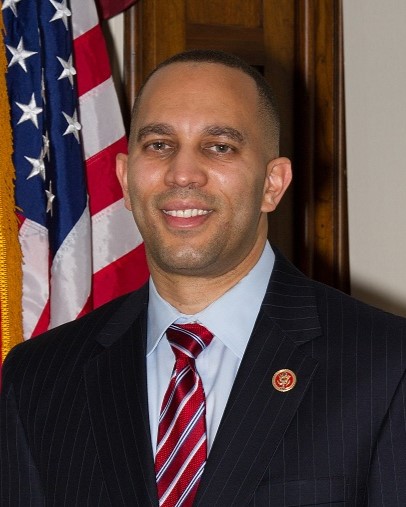
As Democrats prepare to assume control of the U.S. House, Minority Leader Hakeem Jeffries has publicly advocated for a profound transformation in the relationship between the United States and Israel. While clarifying that he does not intend to oppose defense collaborations, Jeffries asserted that the current state of affairs is unacceptable and requires significant, dramatic alteration. His remarks signal a notable evolution in the Democratic party’s approach to the Middle East, moving toward a more critical stance on the established policies governing the region.
Core Policy Demands and Strategic Concerns
Jeffries focused his concerns on several critical areas, including the situation in Gaza and the West Bank. Furthermore, he addressed the military aid agreement with Israel, a memorandum signed by the Obama administration in 2016 that commits $38 billion in assistance until 2028. He stressed the urgent need for a meaningful change in this arrangement as the current pact nears its expiration date. This call for change is occurring against a backdrop of differing views; while some political figures, such as former President Donald Trump, have suggested reducing the aid before its lapse, Israeli Prime Minister Benjamin Netanyahu and his government favor maintaining and strengthening existing military partnerships.
Jeffries laid out a vision for the future, emphasizing the necessity of ensuring a secure and safe Israel that coexists with an independent Palestinian state. He stated that this future arrangement must provide dignity and self-determination for the Palestinian population. This perspective stands in contrast to the views held by Netanyahu and large segments of the Israeli public, who generally oppose the establishment of a Palestinian state.
The Political Context and Evolving Stance
The discussion around defense collaboration also touched upon recent legislative efforts, such as those proposed by Senator Chris Van Hollen to remove certain defense provisions from the National Defense Authorization Act. Though Jeffries did not comment on specific discussions with the senator, his public declaration underscores a growing political movement within the Democratic caucus. His comments reflect a broader shift in the party’s posture, moving away from previous diplomatic positions toward a more interventionist and critical role in the conflict.
Jeffries also highlighted that Israel possesses a strong economy and the capacity to fund its own defense needs. He suggested that any future security arrangements should align with the defense agreements established with other Western allies. While he previously argued that restricting military assistance could limit Israel’s capacity to confront militant groups like Hamas and Hezbollah, he maintained that a lasting peace is achievable. He concluded by assuring colleagues that the caucus would work together to achieve the just and enduring peace that both Israelis and Palestinians merit.
