



World Views
Democratic Tide Sweeps Midterms, Reshaping Congressional Power and US-Israel Policy
The United States has witnessed a major political upheaval following its midterm elections, with the Democratic Party securing substantial victories that have granted them control of both the Senate and the House of Representatives. This sweeping electoral success not only signals a significant rebuke to the Republican agenda but is also casting a sharp new light on the contentious future of American foreign policy, particularly concerning the relationship with Israel.
A Wave of Progressive Victories
The election results were marked by several historic wins for candidates advocating for progressive platforms. In a high-profile Michigan Senate race, Democrat Abdul El-Sayed secured a victory, bringing the nation’s first Muslim senator to Washington and elevating a prominent critic of Israel’s military actions. Similarly, in Maine, Troy Jackson defeated a long-standing Republican incumbent, advocating for the cessation of arms transfers to the Jewish state and criticizing the government’s actions in Gaza. Even in Texas, a traditionally Republican stronghold, James Talarico’s unexpected Senate win demonstrated the depth of the political shift.
The Shifting Political Landscape
Beyond the legislative chambers, the midterms underscore a deepening ideological split within the Democratic Party regarding its strategic alliance with Israel. Progressive figures are increasingly vocal in their opposition to military support and the conduct of the Israeli government in the Middle East. This trend is supported by voting data, where exit polls indicated that a significant majority of Jewish voters supported the Democratic ticket, marking a notable decline compared to previous election cycles.
Legislative Implications and Future Outlook
The Democratic takeover of Congress places immediate pressure on the administration’s legislative priorities. While the White House retains control over diplomatic and military operations, a majority in Congress is positioned to increase scrutiny over weapons transfers and challenge future military assistance packages. This comes amid recent statements by the administration indicating a potential reduction in annual military aid to Israel, a move that has been framed by some Republicans as a political liability. The incoming Congress will play a crucial role in determining the mechanics and timeline of any such changes. Furthermore, the election results are expected to profoundly influence the political environment for the 2028 presidential race, as both parties recalibrate their positions on foreign affairs and the Middle East.
World Views
Ideological Battle Defines Hudson Valley Election After Lawler Concedes to Conley
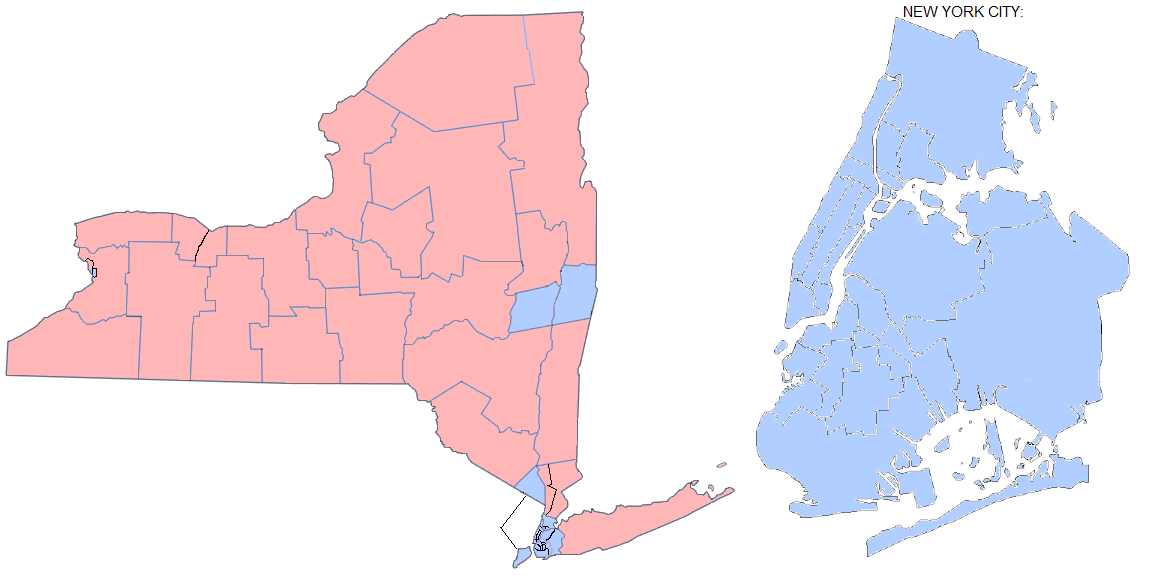
The political landscape of New York’s 17th Congressional District has settled following the concession by Republican Congressman Mike Lawler to Democratic challenger Cait Conley. The intense electoral contest, fought fiercely in the lower Hudson Valley, highlighted deep ideological fractures within the district, particularly among its substantial Jewish population. The region, which includes vast areas of Rockland, Putnam, Westchester, and Dutchess counties, is home to one of the largest Jewish communities in the United States, making this election a crucial bellwether for national political trends.
The Shifting Sands of Local Politics
The campaign pitted two candidates against each other, both of whom sought to align themselves with pro-Israel sentiments, yet approached the issue from opposing political angles. Lawler, a Catholic who maintained strong connections with the Orthodox Jewish community in the area, had positioned himself as a staunch advocate for Israel since he entered Congress in 2023, receiving backing from the Republican Jewish Coalition and AIPAC. Conley, conversely, secured endorsement from the Democratic Majority for Israel, emphasizing her support for Israel while simultaneously voicing opposition to the current Benjamin Netanyahu administration.
Navigating the Political Divide
Both candidates utilized the polarizing nature of their respective parties to attack their opponents. Lawler criticized Conley, asserting that she would not detach herself from the progressive wing of the Democratic Party, specifically citing the stances of New York City Mayor Zohran Mamdani. Conley countered by linking Lawler to the political priorities of President Donald Trump, accusing him of serving merely as a supporter of Trump’s legislative agenda. These mutual attacks underscored the high stakes and the deep polarization present in the district.
The Significance of the Jewish Vote
The outcome of this race is viewed by analysts as a microcosm of broader global and domestic debates concerning Jewish identity and political alignment. With more than one in five residents in the district identifying as Jewish, the community’s engagement was paramount. The contest demonstrated that even within a community strongly supportive of Israel, there are significant internal differences regarding domestic political affiliation and foreign policy approaches.
A Broader Context of Decision-Making
This localized election mirrors larger global conversations, from diplomatic efforts in the Knesset to the upcoming American midterms. Community leaders and observers noted that Jewish constituents across the country are currently grappling with complex choices about their political futures. The fierce campaign in the Hudson Valley serves as a potent reminder that while shared values may exist, the paths to achieving them—whether through the Republican or Democratic framework—remain sharply divided.
World Views
Midterm Fallout Reshapes US-Israel Dynamics Amid Political Upheaval
The dramatic losses suffered by the Republican party in the recent midterm elections signal a significant political shift in the United States. Beyond the immediate repudiation of Donald Trump and his chosen candidates, the fallout from this electoral tide is creating profound reverberations across global politics, particularly affecting the relationship between Washington D.C. and Israel. Analysts suggest that the changing political landscape poses complex challenges for both Israeli leadership and key figures within the Democratic caucus.
Shifting Alliances and Regional Security
The weakening of Donald Trump’s political standing has immediate implications for Prime Minister Benjamin Netanyahu. For years, the former President served as a powerful domestic bolster for Netanyahu, helping secure regional support and shielding the Israeli government from intense international scrutiny. With Trump’s influence diminished, the security blanket that supported Israel’s aggressive regional agenda is significantly compromised. Experts indicate that the combination of a less influential Trump and a strengthened Democratic Congress makes it unlikely that the level of support for hawkish policies against Iran and its allies will be maintained.
Democratic Leadership Faces Growing Internal Pressure
In Washington D.C., the Democratic wave sets the stage for major internal conflicts. As Hakeem Jeffries and Chuck Schumer prepare to take leadership roles in their respective chambers, they face mounting pressure from a growing segment of the party demanding a stricter stance toward Israel. Despite the leaders’ historical ties to pro-Israel communities, they must contend with a rising tide of anti-Israel sentiment. While the massive Democratic victory dilutes the leverage of extreme anti-Israel lawmakers, their numbers are still growing, forcing leaders to navigate a difficult path between party loyalty and constituent demands.
The Struggle for Influence and the Rise of New Voices
This political realignment has also exposed the limitations of established pro-Israel lobbying efforts. Despite substantial financial backing, groups like AIPAC have struggled to formulate an effective counter-strategy against the growing political backlash. Furthermore, the electoral success of progressive figures—such as Senator Jon Ossoff and Governor Josh Shapiro—who have publicly criticized Netanyahu’s military actions, signals a powerful generational shift. These candidates are increasingly defining a new political narrative, challenging the long-standing consensus among American political elites and prompting Jewish communities worldwide to weigh the direction of future policy.
A Season of Critical Decisions
The midterms mark a pivot point. From the Knesset to the halls of Congress, political actors are facing a period of intense scrutiny and major decision-making. The diminishing influence of certain pro-Israel voices, coupled with the ascent of vocal critics, suggests that the era of unquestioned support for Israeli policies is facing its greatest challenge yet in American politics.
World Views
Diplomatic Push in Doha: Analysts Warn Gulf Talks Risk Becoming an Iranian Extortion Play
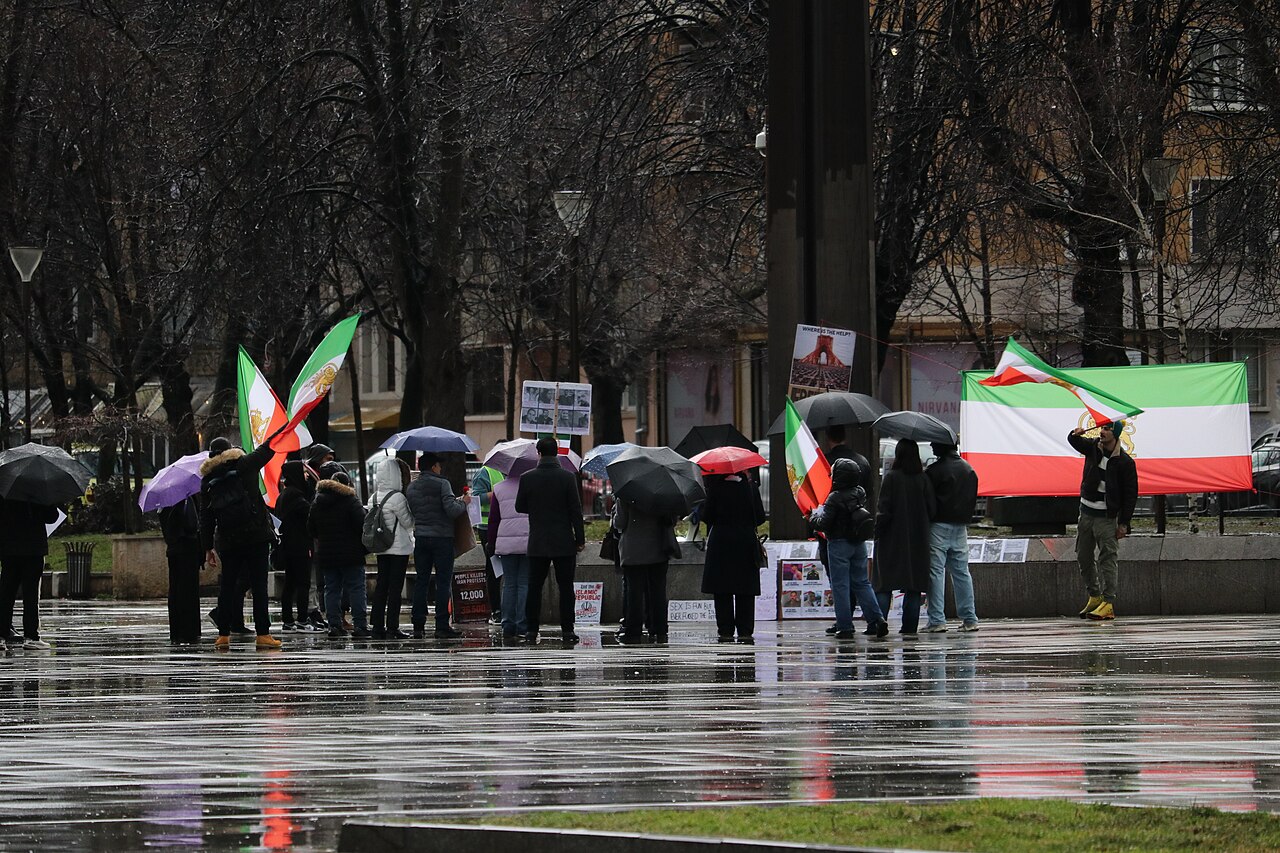
Diplomatic efforts currently underway in Doha, involving mediators from Qatar and Pakistan, are facing intense scrutiny from analysts who argue the negotiations are not focused on regional stability, but rather on a sophisticated strategy of economic and political coercion by Iran. While talks aim to de-escalate tensions in the vital Strait of Hormuz, critics contend the current framework allows Tehran to leverage maritime disruption for significant concessions, effectively trading temporary calm for durable economic relief.
The Proposed ‘Trap’ and Iran’s Demands
The situation presents a concerning asymmetry. Iran, which has repeatedly disrupted commercial shipping and driven up global energy prices, is reportedly demanding a comprehensive package of relief simply to restore the previous status quo. This package, detailed in Tehran’s seven-step proposal, includes the removal of the US naval blockade on Iranian ports, the restoration of oil export permissions, a reduction in American regional military presence, and the release of billions in frozen funds. Crucially, Iranian officials are insisting that nuclear discussions will not restart until these economic demands are fully met.
Furthermore, Iranian representatives have proposed a radical change to international navigation rules, demanding that commercial vessels adhere to a specific corridor negotiated between Tehran and Muscat. This move, observers suggest, risks replacing international maritime law with permanent Iranian control over a critical global shipping artery.
Complicating Factors and Strategic Risks
The neutrality of the mediating parties is also questioned. Qatar’s economic dependence on shared gas reserves with Iran is cited as a factor that may compel Doha to accommodate Tehran. Meanwhile, the involvement of Saudi Arabia, which supported the mediation to protect its economic vision, reportedly did not mandate strong nuclear verification or maritime enforcement mechanisms in its public statements. Experts caution that the sequence of events is fatally flawed: granting sanctions relief for a temporary maritime truce allows Iran to maintain its coastal missile batteries and naval assets, ready to threaten shipping again if talks falter.
The Unverified Nuclear Threat
Adding profound gravity to the situation is the ongoing issue of Iran’s nuclear program. Despite international concerns, the International Atomic Energy Agency (IAEA) has noted that a significant amount of highly enriched uranium remains unaccounted for. Officials have highlighted that remote monitoring cannot substitute for physical inspections. Analysts warn that providing economic lifelines to Tehran while its nuclear stockpile remains unverified constitutes a severe strategic risk. This diplomatic gamble, critics argue, risks purchasing temporary stability at the expense of allowing an unmonitored nuclear threshold state to gain economic strength.
For Washington, the pressure to ease economic strain on the population is immense. Therefore, experts advise that any easing of the naval restrictions must be strictly reciprocal, phased, and tied directly to unimpeded global navigation under international law, ensuring that economic benefits are locked behind a binding nuclear framework.
