



World Views
Global Gathering of Noahides Marks New Era for Universal Morality, Amid Rising Antisemitic Conflict

A historic international congress convened in Jerusalem last week, bringing together nearly 100 leaders from 22 different nations across six continents. The event, organized by the World Noahide Center, marked the first global assembly of individuals who adhere to the ancient moral principles derived from the Torah—known as the Noahide Laws—without seeking conversion to Judaism. This gathering solidified the movement’s commitment to a universalist vision, establishing a foundational charter and laying the groundwork for lasting international cooperation.
Establishing a Global Covenant
The congress, which took place in Jerusalem, served as a pivotal moment for the Noahide movement. Participants signed the foundational scroll, the Megillat Bnei Noach, in the presence of local authorities. The charter established six regional continental councils, formalizing the structure of the newly formed international Beit Din, which acts as the supreme legal and spiritual authority for the worldwide movement. Rabbi Oury Cherki, the movement’s leader, stated that while previous efforts focused on the material liberation of the Jewish people, the current moment demands a focus on a healthy connection with the entire world, fulfilling ancient prophetic visions.
A Distinct Path in a Fractured World
The event also provided encouragement to the Israeli populace amid global anti-Israel sentiment. Leadership within the movement emphasized that Israel offers a unique and positive perspective for humanity. According to commentary from the organization, Israel possesses a distinct identity separate from Western norms. They argue that this unique heritage allows the nation to present a universal vision, offering a leadership role for humanity as global ideologies struggle with internal contradictions.
The Theological Backlash and Conspiracy Theories
However, the movement’s growing visibility has drawn intense criticism. The ancient commandments—which prohibit acts like murder, theft, and idolatry—have become the focus of a bitter religious controversy, recently highlighted by public attacks from media figures. Rabbi Tovia Singer, a prominent Jewish educator, forcefully dismissed the growing hostility among certain Christian fundamentalists. Singer asserted that the core conflict is not over the moral laws themselves, but over the theological concept that a non-Jew can worship the God of Israel and achieve spiritual merit without accepting Jesus Christ. He argued that opponents, unable to challenge this idea biblically, have resorted to ‘grotesque conspiracy theories,’ portraying the movement as a sinister plot against Christians.
Singer characterized this hostility as ‘religious paranoia dressed up as prophecy,’ noting that the Noahide movement has no history of persecution. The gathering, therefore, stands as a powerful testament to the movement’s resilience, demonstrating a commitment to universal moral principles even while facing intense theological and political opposition.
World Views
Strategic Pivot: US Officials Suggest Economic Pressure Replaces Military Strikes Against Iran
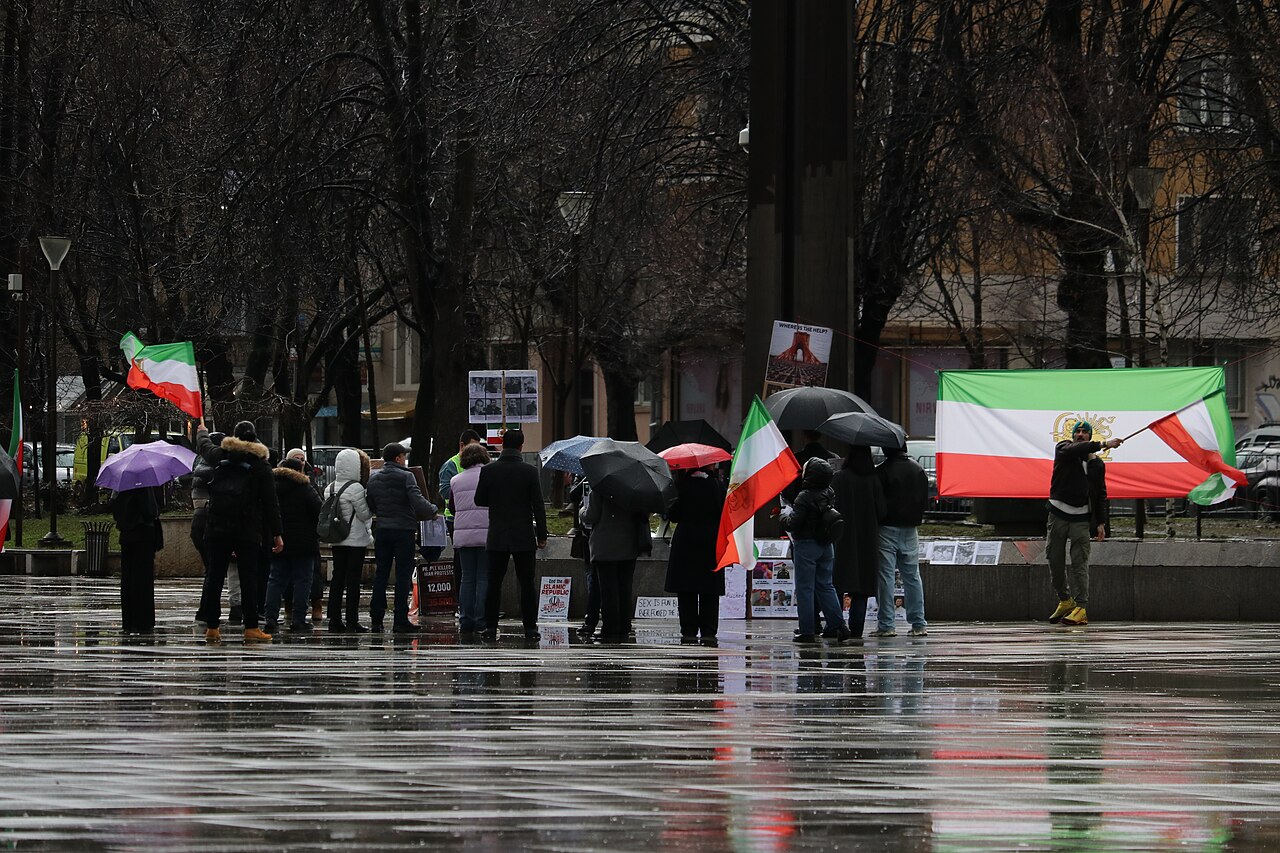
Washington is reportedly considering a significant strategic shift in its approach to Iran, with top officials signaling that intensifying economic pressure is proving more effective than resuming major military operations. Senior administration figures have indicated that the severe financial damage inflicted by the US blockade and sanctions on the Iranian government may render further large-scale strikes unnecessary. This pivot, however, is generating considerable debate, with some regional analysts expressing deep concern that the current ambiguity in US policy could inadvertently lead to a ‘capitulation agreement’ rather than a decisive resolution.
The Debate Over Force and Finance
Secretary of State Marco Rubio stated that the economic hardships currently facing Iran are ‘extraordinary’ and are compounding daily. He emphasized that the objective of the sanctions is being met through financial means, suggesting that military action is redundant. This sentiment is echoed by other key advisors within the executive branch. Conversely, Defense Secretary Pete Hegseth strongly defended the military campaign, asserting that the US has achieved a ‘historic military victory.’ He detailed the destruction of numerous targets, including the grounding of the nation’s air force and the severe damage to its defense industrial base, while warning that Tehran’s attempts to rebuild capabilities could trigger further intervention.
Internal Division and Regional Tensions
The strategic direction is not uniform across Washington. While some officials advocate for a negotiated settlement, President Donald Trump has maintained that the conflict is ‘effectively over’ militarily, emphasizing the alignment of Gulf states—including Saudi Arabia and the UAE—who support the existing naval blockade. Despite this, reports indicate that Israeli Prime Minister Benjamin Netanyahu has been pressuring the President to initiate renewed military strikes. This pressure contrasts sharply with the stated preference of several Gulf leaders to avoid further escalation.
The Iranian Stance and Future Outlook
Iran’s leadership has firmly rejected suggestions that diplomatic progress is underway. Officials have accused Washington of fabricating reports of talks, demanding that the United States accept Tehran’s seven conditions, which include lifting the blockade and easing financial restrictions. Yet, these demands were dismissed by Rubio as ‘outrageous and ridiculous.’ Analysts note that the current uncertainty reflects a complex mix of regional opposition, shifting Iranian positions, and internal political dynamics within the US. While the US maintains a posture of readiness for conflict, the immediate future remains precarious, marked by increased maritime incidents in the Gulf of Oman and the persistent threat of renewed military action from both sides.
World Views
Wave of Antisemitic Violence Targets Jewish Businesses Across Canada, Montreal Incidents Highlight Escalation
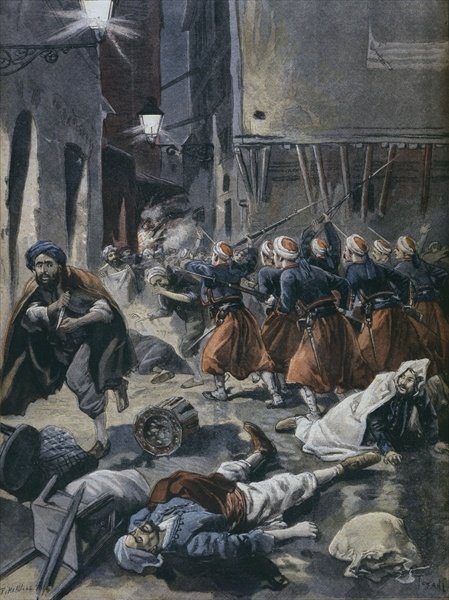
A seemingly isolated act of vandalism against a kosher restaurant in Montreal has become the latest flashpoint in a disturbing national trend of violence targeting Jewish businesses and institutions across Canada. Early Monday, a local establishment in the Côte-des-Neiges neighbourhood was shattered when unknown individuals hurled a large piece of concrete through its window. The incident, which occurred in the pre-dawn hours, is viewed by community leaders not as a singular event, but as part of a rapidly escalating pattern of anti-Jewish aggression.
Local Attacks Showcase Growing Threat
The incident at Pizza Pita Prime was met with strong condemnation from the owner, Uri Peretz. He noted the timing of the assault, which coincided with the anniversary of the 1938 pogrom known as Kristallnacht. While the restaurant remained operational despite the damage, Peretz stressed the growing concern regarding a series of targeted attacks against Jewish entities in the city. He indicated that he believes the incidents are not merely coincidental but reflect a deliberate escalation.
Arson and Threats Plague Montreal
This violence follows closely on the heels of a catastrophic attack on a downtown Montreal bakery. The family-owned business, Mimimelon, was subjected to two separate arson attacks within a span of two days, resulting in the complete destruction of the premises. The bakery’s owner reported that in mid-September, a masked person had previously entered the location and issued a direct threat, stating that ‘All the Jews will burn.’ Authorities have launched a thorough investigation into these bakery incidents, focusing on potential motives stemming from the community’s ties to Jewish life.
National Surge in Hate Crimes
The Montreal events are symptomatic of a much larger crisis gripping the country. Since the October 7, 2023, invasion of Israel, Canada has witnessed a sharp increase in antisemitic activity. Data released by the Jewish advocacy group B’nai Brith Canada confirms this alarming trend. They documented 27 violent antisemitic incidents nationwide since the beginning of 2026 alone, a figure that more than doubles the total recorded in the entirety of 2025.
This mid-year tally has already exceeded the full-year counts for several preceding years, underscoring the speed of the escalation. While the 2026 count trails the record-setting 77 incidents documented in 2023, the trajectory suggests the Jewish community faces its most volatile period of recent memory. Police forces are responding to these growing concerns by increasing patrols in affected areas, while community leaders continue to advocate for resilience and heightened security measures against the rising tide of hate.
World Views
Applying the Lens of Ambassador Avner: Timeless Principles Confront Modern Israeli Crises
The late Ambassador Yehuda Avner, renowned diplomat and author of the definitive work, The Prime Ministers, offered a profound historical record of Israel’s founding. His life’s work, which chronicled the actions of nation-builders, was underpinned by a deeply personal set of guiding ethics he referred to as his Ten Commandments. As the nation navigates extreme political volatility, escalating regional threats, and internal divisions, analysts are examining how Avner’s unwavering principles—which prioritize survival and dignity—would inform today’s fraught decisions.
Domestic Stability and the Price of Unity
Avner’s philosophy stressed that national survival required uncompromising commitment to the Jewish people’s rights. In the current climate of complex coalition negotiations, where ultra-Orthodox parties hold pivotal leverage over legislative matters, his perspective would likely focus less on political maneuvering and more on communal cohesion. He advocated strongly for internal solidarity, a lesson he learned during the national unity efforts preceding the Six-Day War. For Avner, the maintenance of peace within the community, even amid deep disagreement, was paramount. He would have viewed the persistent debates over military service and religious exemptions not merely as political disputes, but as existential tests of national resolve.
Navigating External Threats and Peace
Regionally, Avner’s commandments provide a stark framework for risk assessment. His first guiding rule—to trust warnings from adversaries regarding intentions to destroy the nation—resonates powerfully with current geopolitical tensions involving Iran. He saw the historical pattern of aggression and would likely advise a posture of extreme vigilance. Furthermore, his ninth commandment, which balances the desire for peace with the absolute need for freedom, frames the ongoing conflict in Gaza. Avner acknowledged the historical path toward peace, yet he emphasized that disarmament and genuine security must precede any lasting agreement. He would maintain that the pursuit of freedom, defined as the right of the Jewish people to self-determination, remains the ultimate goal.
The Global and Spiritual Imperative
Avner’s commitment extended beyond mere politics. He consistently maintained that Jerusalem is not exclusively a Jewish city, but a holy place that accommodates the prayers of all faiths. This pluralistic view was central to his eighth commandment: unwavering loyalty to the truth that Israel is the Jewish nation-state and Jerusalem is its eternal capital. On the diplomatic front, he would have been critical of any perceived weakening of Israel’s sovereignty, whether through external political pressure or diminished international support. His career taught him the critical importance of national self-assurance, believing that a nation must stand strong on its own merits, rather than relying on external validation. His legacy remains a powerful reminder that national identity is defined by both historical truth and moral courage.
