



World Views
Strategic Pivot: US Officials Suggest Economic Pressure Replaces Military Strikes Against Iran
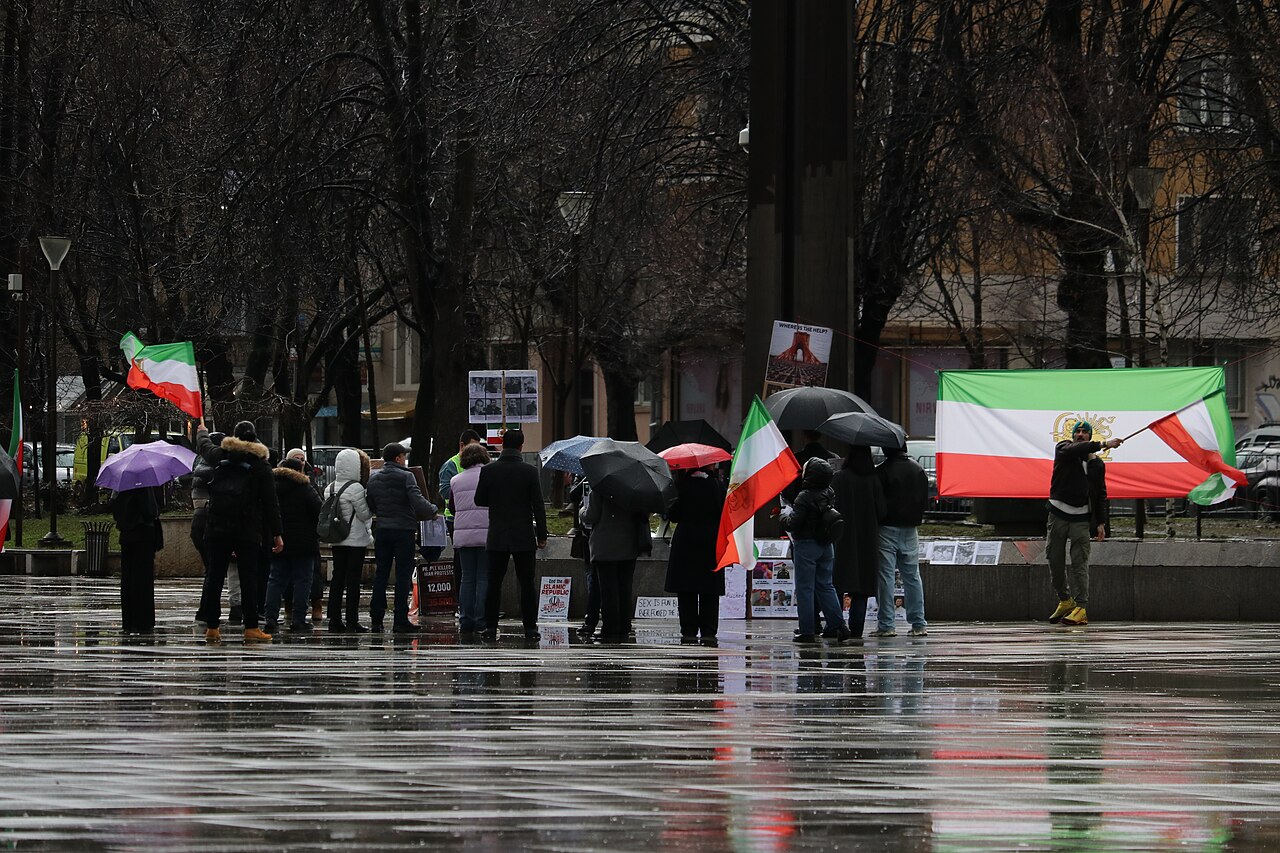
Washington is reportedly considering a significant strategic shift in its approach to Iran, with top officials signaling that intensifying economic pressure is proving more effective than resuming major military operations. Senior administration figures have indicated that the severe financial damage inflicted by the US blockade and sanctions on the Iranian government may render further large-scale strikes unnecessary. This pivot, however, is generating considerable debate, with some regional analysts expressing deep concern that the current ambiguity in US policy could inadvertently lead to a ‘capitulation agreement’ rather than a decisive resolution.
The Debate Over Force and Finance
Secretary of State Marco Rubio stated that the economic hardships currently facing Iran are ‘extraordinary’ and are compounding daily. He emphasized that the objective of the sanctions is being met through financial means, suggesting that military action is redundant. This sentiment is echoed by other key advisors within the executive branch. Conversely, Defense Secretary Pete Hegseth strongly defended the military campaign, asserting that the US has achieved a ‘historic military victory.’ He detailed the destruction of numerous targets, including the grounding of the nation’s air force and the severe damage to its defense industrial base, while warning that Tehran’s attempts to rebuild capabilities could trigger further intervention.
Internal Division and Regional Tensions
The strategic direction is not uniform across Washington. While some officials advocate for a negotiated settlement, President Donald Trump has maintained that the conflict is ‘effectively over’ militarily, emphasizing the alignment of Gulf states—including Saudi Arabia and the UAE—who support the existing naval blockade. Despite this, reports indicate that Israeli Prime Minister Benjamin Netanyahu has been pressuring the President to initiate renewed military strikes. This pressure contrasts sharply with the stated preference of several Gulf leaders to avoid further escalation.
The Iranian Stance and Future Outlook
Iran’s leadership has firmly rejected suggestions that diplomatic progress is underway. Officials have accused Washington of fabricating reports of talks, demanding that the United States accept Tehran’s seven conditions, which include lifting the blockade and easing financial restrictions. Yet, these demands were dismissed by Rubio as ‘outrageous and ridiculous.’ Analysts note that the current uncertainty reflects a complex mix of regional opposition, shifting Iranian positions, and internal political dynamics within the US. While the US maintains a posture of readiness for conflict, the immediate future remains precarious, marked by increased maritime incidents in the Gulf of Oman and the persistent threat of renewed military action from both sides.
World Views
New Off-Broadway Production Examines How Family Survives Deep Political Division

A powerful new theatrical production currently running Off-Broadway in New York City is forcing audiences to confront the agonizing question of whether familial bonds can endure profound ideological disagreement. Titled ‘The Blue Violinist Over West End Avenue,’ the play delves into the complex intersection of faith, heritage, and contemporary geopolitical tensions surrounding Israel and Jewish identity.
The Fractured Stein Family Dynamic
Set in 2023 on Manhattan’s Upper West Side, the story centers on the Stein family as they gather for an engagement celebration. The initial harmony quickly dissolves when Jake, the youngest family member, introduces his new partner, Jenna. Jenna is portrayed as a student activist with strongly held pro-Palestinian, anti-Zionist views, immediately exposing deep fissures within the family structure. The Steins, whose lineage carries the weight of Holocaust history, are compelled to engage in difficult conversations about loyalty, tradition, and what it means to maintain their cultural heritage in a polarized world.
Navigating Acceptance Versus Assimilation
The drama is driven by generational conflict. Dina, the family matriarch, delivers a pivotal speech addressing the choice between accepting difference and assimilating into a broader culture. This theme echoes throughout the narrative, where patriarch Abe Stein struggles to balance his commitment to ancestral traditions against the evolving choices of his descendants. The play explores whether the younger generation is truly preserving its Jewish roots or if they are being influenced by conflicting narratives regarding the nation of Israel.
Playwright Debbie Goodstein, whose work is inspired by the spirit of Sholem Aleichem, emphasized that while the story is deeply rooted in Jewish culture, the issues of belonging and identity are universal. She stated that the core inquiry is how individuals can evolve and change without destroying the connections that define them.
Urgency and Universal Relevance
The playwright shared that her own understanding of Jewish history and the importance of safety for the community was shaped by the experiences of her mother and in-laws, both of whom survived the Holocaust. Although the play is not strictly autobiographical, the conflict reflects struggles she observed in her own social circle. Goodstein noted that the initial concept developed before the October 7, 2023 attacks, but the violence gave the thematic material an immediate and critical urgency. She explained that she was struck by the vastly different ways people viewed the same issues, leading to increasing concern about where such intense passion and misunderstanding could lead.
Ultimately, the production argues that love and family do not necessitate agreement, nor does loyalty require the abandonment of deeply held convictions. The piece functions as a plea for dialogue, aiming to leave the theatre audience more inclined to listen to those with whom they fundamentally disagree, suggesting that even when common ground remains elusive, the door to understanding must stay open.
World Views
Ankara Accuses Israel of Aggressively Undermining Turkish Regional Expansion
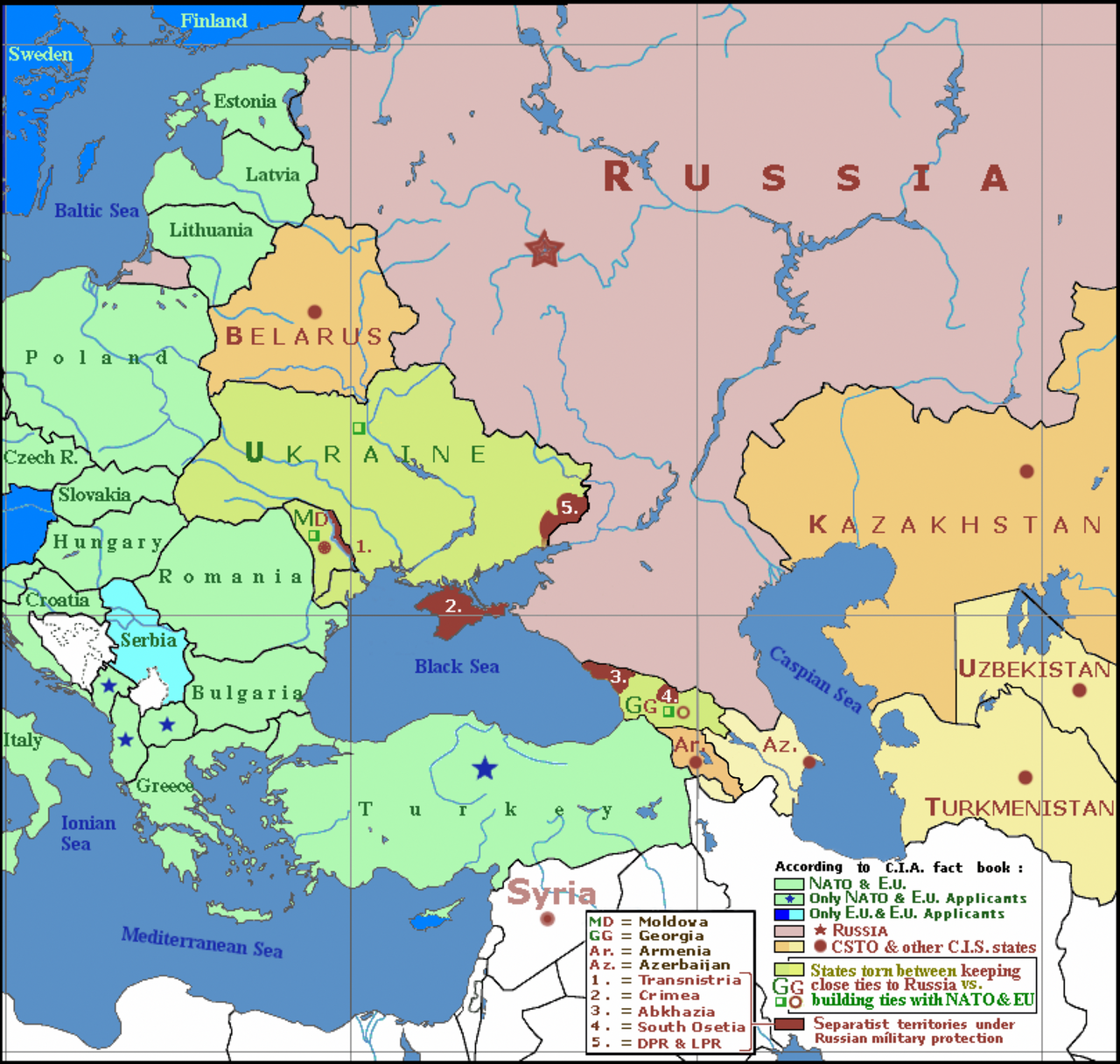
Turkey’s intelligence apparatus has issued a stark warning, asserting that Israel is mounting an increasingly aggressive campaign to impede Ankara’s growing influence across the Middle East and into Africa. A comprehensive new report from Turkey’s National Intelligence Academy (MIA) claims that Israeli regional policies directly challenge the nation’s strategic aspirations to become a dominant power in global affairs, expanding its diplomatic, military, and economic reach.
The Geopolitical Contest: From Damascus to the Red Sea
The 82-page Turkish document contends that Israel exploits political volatility and ethnic divisions within neighboring nations, thereby preserving its own strategic advantage. Officials stated that Israel benefits from the instability, weakening the military capacities of countries that might otherwise align closely with Turkey. This rivalry is playing out across multiple critical theatres. In the Levant, Ankara views Israel’s actions—including military campaigns in Lebanon and Gaza—as part of a broader effort to establish a permanent sphere of influence. Turkey sees Israel’s attempts to halt the rebuilding of the Syrian military as a direct effort to undermine Ankara’s desire for a lasting foothold in Damascus.
Strategic Competition in the Horn of Africa
The competition is not confined to the Middle East. The Horn of Africa has emerged as a major flashpoint. Turkey has long cultivated deep partnerships with Mogadishu through extensive military training and investment. However, Israel’s recent recognition of Somaliland as an independent state has created significant diplomatic tension. Turkish officials view this move as an unacceptable interference in Somalia’s internal affairs and a direct challenge to Turkey’s long-standing security presence. The strategic importance of this area, near the vital Bab al-Mandab Strait, is underscored by the risk that Israel could leverage its ties with Somaliland to establish a stronger maritime foothold, directly competing with Turkey’s interests.
Globalizing the Rivalry
The tension is further compounded in the Eastern Mediterranean, where Turkish intelligence characterizes Israel’s deepening defense and energy cooperation with Cyprus and Greece as an attempt to strategically encircle Turkey. According to the MIA, Israel’s growing network of partnerships aims to restrict Turkey’s access to regional alliances and limit its sway over Mediterranean security and energy arrangements. In response, the Turkish government has advised that Ankara must strengthen regional governments and develop security frameworks to mitigate foreign military interference. The assessment ultimately recommends a flexible diplomatic approach, urging Turkey to deepen ties with Gulf states, Egypt, and Iraq, while simultaneously maintaining its foundational partnerships with NATO and Europe, thereby preventing Israeli military capabilities from becoming the sole foundation of regional security.
World Views
Global Gathering of Noahides Marks New Era for Universal Morality, Amid Rising Antisemitic Conflict

A historic international congress convened in Jerusalem last week, bringing together nearly 100 leaders from 22 different nations across six continents. The event, organized by the World Noahide Center, marked the first global assembly of individuals who adhere to the ancient moral principles derived from the Torah—known as the Noahide Laws—without seeking conversion to Judaism. This gathering solidified the movement’s commitment to a universalist vision, establishing a foundational charter and laying the groundwork for lasting international cooperation.
Establishing a Global Covenant
The congress, which took place in Jerusalem, served as a pivotal moment for the Noahide movement. Participants signed the foundational scroll, the Megillat Bnei Noach, in the presence of local authorities. The charter established six regional continental councils, formalizing the structure of the newly formed international Beit Din, which acts as the supreme legal and spiritual authority for the worldwide movement. Rabbi Oury Cherki, the movement’s leader, stated that while previous efforts focused on the material liberation of the Jewish people, the current moment demands a focus on a healthy connection with the entire world, fulfilling ancient prophetic visions.
A Distinct Path in a Fractured World
The event also provided encouragement to the Israeli populace amid global anti-Israel sentiment. Leadership within the movement emphasized that Israel offers a unique and positive perspective for humanity. According to commentary from the organization, Israel possesses a distinct identity separate from Western norms. They argue that this unique heritage allows the nation to present a universal vision, offering a leadership role for humanity as global ideologies struggle with internal contradictions.
The Theological Backlash and Conspiracy Theories
However, the movement’s growing visibility has drawn intense criticism. The ancient commandments—which prohibit acts like murder, theft, and idolatry—have become the focus of a bitter religious controversy, recently highlighted by public attacks from media figures. Rabbi Tovia Singer, a prominent Jewish educator, forcefully dismissed the growing hostility among certain Christian fundamentalists. Singer asserted that the core conflict is not over the moral laws themselves, but over the theological concept that a non-Jew can worship the God of Israel and achieve spiritual merit without accepting Jesus Christ. He argued that opponents, unable to challenge this idea biblically, have resorted to ‘grotesque conspiracy theories,’ portraying the movement as a sinister plot against Christians.
Singer characterized this hostility as ‘religious paranoia dressed up as prophecy,’ noting that the Noahide movement has no history of persecution. The gathering, therefore, stands as a powerful testament to the movement’s resilience, demonstrating a commitment to universal moral principles even while facing intense theological and political opposition.
