



World Views
Iran’s Economic Crisis Fuels Widespread Protests Among Pensioners and Educators
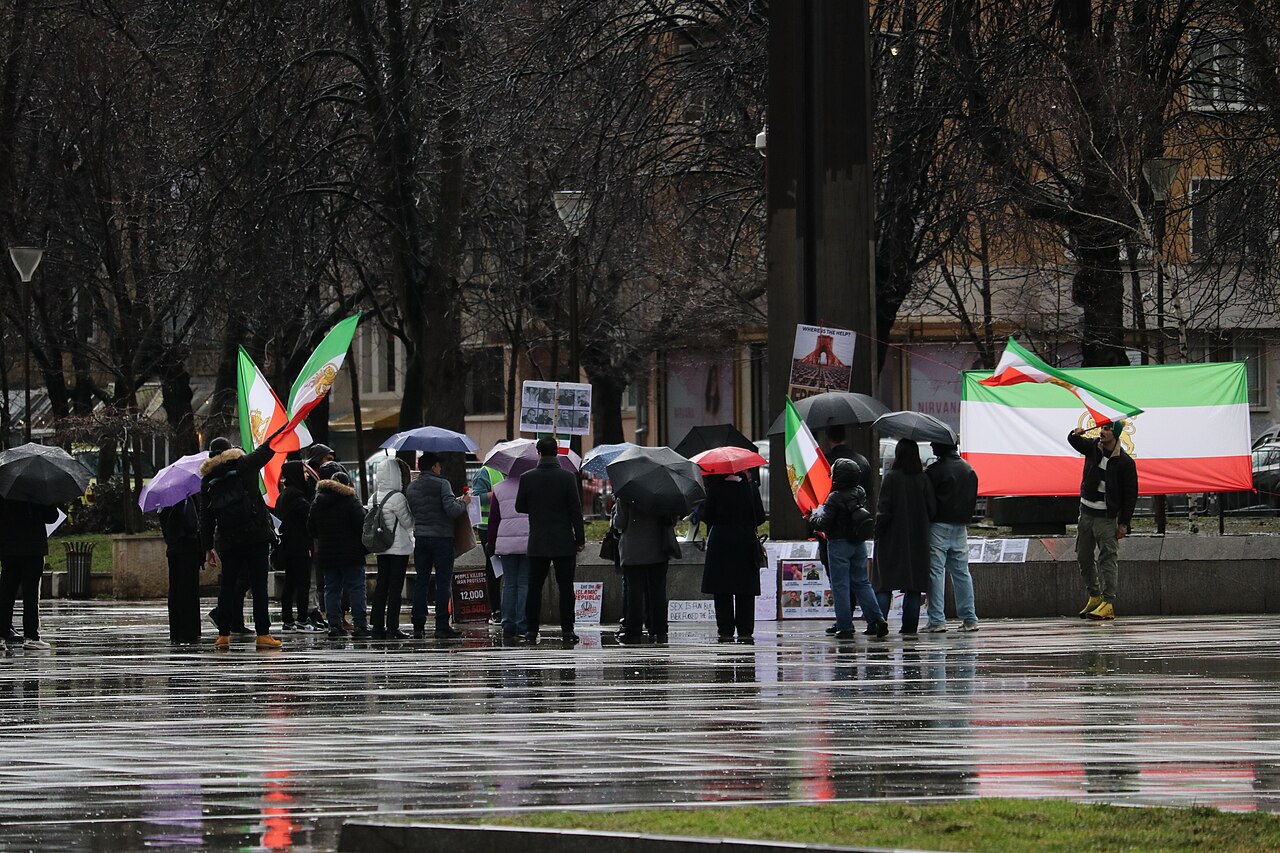
Widespread demonstrations have swept across several Iranian cities, driven by mounting economic despair among retirees and educators. These organized protests reflect deep-seated frustration over soaring living costs, insufficient retirement payments, and the persistent devaluation of incomes. Demonstrators are calling for immediate governmental action to stabilize the economy and ensure that national resources are allocated to improve citizens’ welfare rather than being diverted elsewhere.
The Core Demands and Economic Strain
The gatherings, which occurred in major hubs including Tehran, Isfahan, and Ahvaz, involved various groups, ranging from Social Security pensioners to former steel workers and teachers. Their primary focus is on the failure of the current financial system to provide basic security. In cities like Isfahan, participants marched to provincial offices, demanding the settlement of overdue benefits and the fulfillment of employment obligations. In the southwestern province of Khuzestan, retirees specifically voiced concerns about rampant inflation and delayed payments, arguing that the nation’s wealth should be used to fill empty family tables, not fund foreign military activities.
The issues extend beyond simple salary disputes. Retirees in Tehran have pressed for expanded medical coverage and supplementary insurance, noting that rising healthcare costs have severely eroded their limited purchasing power. Furthermore, the protests are increasingly incorporating political demands, with demonstrators linking their economic grievances to issues of governance and accountability. Protesters have rejected claims that the country’s financial difficulties are solely the result of external pressures, asserting that internal mismanagement is the primary culprit.
Context of International Pressure and Domestic Collapse
These social uprisings occur against a backdrop of severe international economic pressure. The United States has maintained strict sanctions on the Iranian government, which has severely constrained the nation’s financial operations and access to global markets. Domestically, the economic situation has deteriorated rapidly. The Iranian currency has plummeted to record lows, causing the prices of essential goods to skyrocket. Reports indicate that government and military personnel are also facing delayed salaries, underscoring a systemic crisis in public financial management.
Analysts note that the protests are not merely about fixed income; they represent a broader societal challenge to the regime’s priorities. From Shush, demonstrators questioned why a nation with substantial oil reserves could not guarantee decent living conditions for its elderly population. The movement has shown remarkable resilience, with participants declaring their determination to continue their activism regardless of environmental conditions. The calls for improved wages and price stability are now inextricably linked to demands for political freedom and the release of detained individuals, signaling a powerful convergence of social and political dissent.
World Views
Italian Technicians Killed in Kuwait Drone Strike Amid Escalating Gulf Tensions

Two Italian national technicians were killed during an Iranian drone assault on a facility in Kuwait on Thursday. The attack, which targeted an air-defense surveillance station, resulted in the deaths of the two workers, who were employed by the Italian branch of the major German defense contractor, Rheinmetall. The incident marks the second reported Iranian strike against the US-allied Gulf state this month, significantly raising alarms regarding the volatile security environment in the region.
Incident Details and Casualties
Foreign Minister Antonio Tajani informed the Italian Senate about the deadly attack, detailing that the Rheinmetall personnel were operating at the surveillance post when the drones struck. According to information received from Kuwait, the powerful explosion led to the fatalities. Additionally, the Kuwaiti Defense Ministry confirmed that the incident wounded two other individuals: a captain in the Kuwaiti military and a Pakistani national. The ministry verified that the two Italians succumbed to their injuries after the assault, which initially involved falling debris.
Military Response and Damage Assessment
Authorities in Kuwait confirmed that their military forces successfully detected and neutralized multiple drones within the nation’s airspace. While the primary focus was on the civilian casualties, the Defense Ministry also reported that the attack caused substantial material damage to the targeted infrastructure. Minister Tajani subsequently conveyed his profound condolences to the families affected by the tragedy.
Background of Regional Instability
This latest attack occurs against a backdrop of intense regional friction between Iran and Western powers. The escalating tensions are not new; earlier this year, Iran had announced that it had targeted American drone and missile installations within Kuwait. This earlier action was reported to have followed a previous military operation conducted by the United States in the Strait of Hormuz, specifically targeting Qeshm Island. These events underscore a dangerous pattern of military escalation near vital international shipping lanes.
Despite the gravity of the situation, the Iranian Foreign Ministry did not provide an immediate statement regarding the recent strike, and Rheinmetall declined to offer commentary. Analysts suggest that the targeting of international defense workers highlights the increasing risk faced by foreign personnel operating in geopolitical flashpoints. The incident serves as a stark reminder of the fragility of stability in the Gulf region, prompting renewed calls for de-escalation among regional powers.
World Views
Violent Clashes Erupt in Brooklyn Over Real Estate Dispute, Highlighting Deepening Community Tensions

Tensions boiled over into violent confrontations in Brooklyn’s Midwood neighborhood this week, as opposing groups clashed outside a local kosher delicatessen. The incident, which saw over 200 police officers deployed, stemmed from a real estate fair hosted at the establishment. Protesters, some aligned with pro-Palestinian views, alleged that the company was marketing properties located in West Bank settlements, leading to intense clashes with demonstrators supporting Israel and law enforcement. Multiple arrests were made following the confrontations near the deli.
The Flashpoint: Real Estate and Ideology
The core dispute centered on the nature of the real estate offerings at the venue. While the organizers firmly denied that any properties in disputed territories were being promoted, the presence of the fair ignited a passionate debate among the gathered crowds. The scene quickly escalated, featuring chants and demonstrations that reflected broader geopolitical conflicts. The deployment of the NYPD’s Strategic Response Group, an action taken shortly after plans to disband the unit were announced, underscored the severity of the disorder.
A Community Divided: Charity Amidst Chaos
In stark contrast to the political volatility, the local Jewish community responded by rallying around the business. The deli owners utilized the disruption to raise funds for the Shaare Zedek Medical Center in Jerusalem, a facility that provides essential medical treatment to both Jewish and Arab patients. This philanthropic effort highlighted a deep division: while some were shouting about political uprisings on the street, local residents were actively fundraising to support vital life-saving services in the Middle East.
A Symptom of Rising Antisemitism
Investigators and community leaders view this confrontation not as an isolated incident, but as a manifestation of increasing friction and persistent antisemitism across the city. Data from the Anti-Defamation League confirms that New York City recorded 860 reported antisemitic incidents in 2025, with Brooklyn accounting for a significant portion of those reports. Furthermore, the city has seen a sharp rise in hate crimes; in the first ten months of 2026 alone, 279 antisemitic hate crimes were recorded. The rate of antisemitic assaults has also climbed, increasing by 10% statewide, with Brooklyn contributing 50 of those incidents. The local community continues to grapple with these rising threats while simultaneously navigating intense political pressures in the neighborhood.
World Views
Eisenkot Secures Left-Wing Alliance, But Coalition Path Remains Highly Complex
In a significant political development, Gadi Eisenkot’s centre-right party has reached a preliminary agreement with a left-wing political faction, injecting fresh momentum into the ongoing efforts to form a new Israeli government. This breakthrough comes after a brief period of tension that threatened to derail Eisenkot’s attempts to displace Prime Minister Benjamin Netanyahu following a fractured election last month.
Details of the Political Accord
The Democrats party, the left-wing faction involved, confirmed that the two sides had successfully resolved their previous disagreements and agreed in principle to join forces. According to a joint declaration, the Democrats would receive four ministerial portfolios—covering areas such as public security, social affairs, communications, and culture—along with corresponding seats in the legislature. A spokesperson for the Democrats stated their commitment to fulfilling their promise to the electorate to replace Netanyahu and uphold democratic principles, calling for all political groups to quickly finalize agreements to lead the nation into a new phase.
Navigating the Electoral Maze
Despite this positive step, the overall process of establishing a ruling coalition remains fraught with difficulty. The recent election results left both Eisenkot and Netanyahu in a precarious position, with neither leader securing an outright majority in the 120-seat parliament. Eisenkot, who was appointed by the nation’s president to form a government, has been struggling to assemble a governing bloc. His current group of supporters holds 48 seats, while Netanyahu’s established alliance commands 53 seats.
The path to power is further complicated by the persistent issue of the ultra-Orthodox community. Earlier this week, Eisenkot had secured a potential partnership with Avigdor Lieberman, head of the right-wing Israel Our Home party. While Lieberman had previously expressed reservations about partnering with the ultra-Orthodox parties and avoiding Arab-led factions, he later indicated a willingness to form a government backed by a clear Jewish majority. However, finalizing this coalition would likely require a difficult compromise regarding a legislative mandate that would require ultra-Orthodox seminary students to participate in military service—a measure vehemently opposed by the religious leaders.
With a looming deadline set for December 6th to finalize the government, the negotiations face immense pressure. The success of Eisenkot’s bid hinges not only on securing the left-wing support but also on navigating the deep ideological divides, particularly concerning military conscription and the complex political dynamics of the country’s diverse factions.
