



World Views
Tensions Escalate: Intelligence Reports Fuel Debate Over Imminent Iranian Threat and Military Action
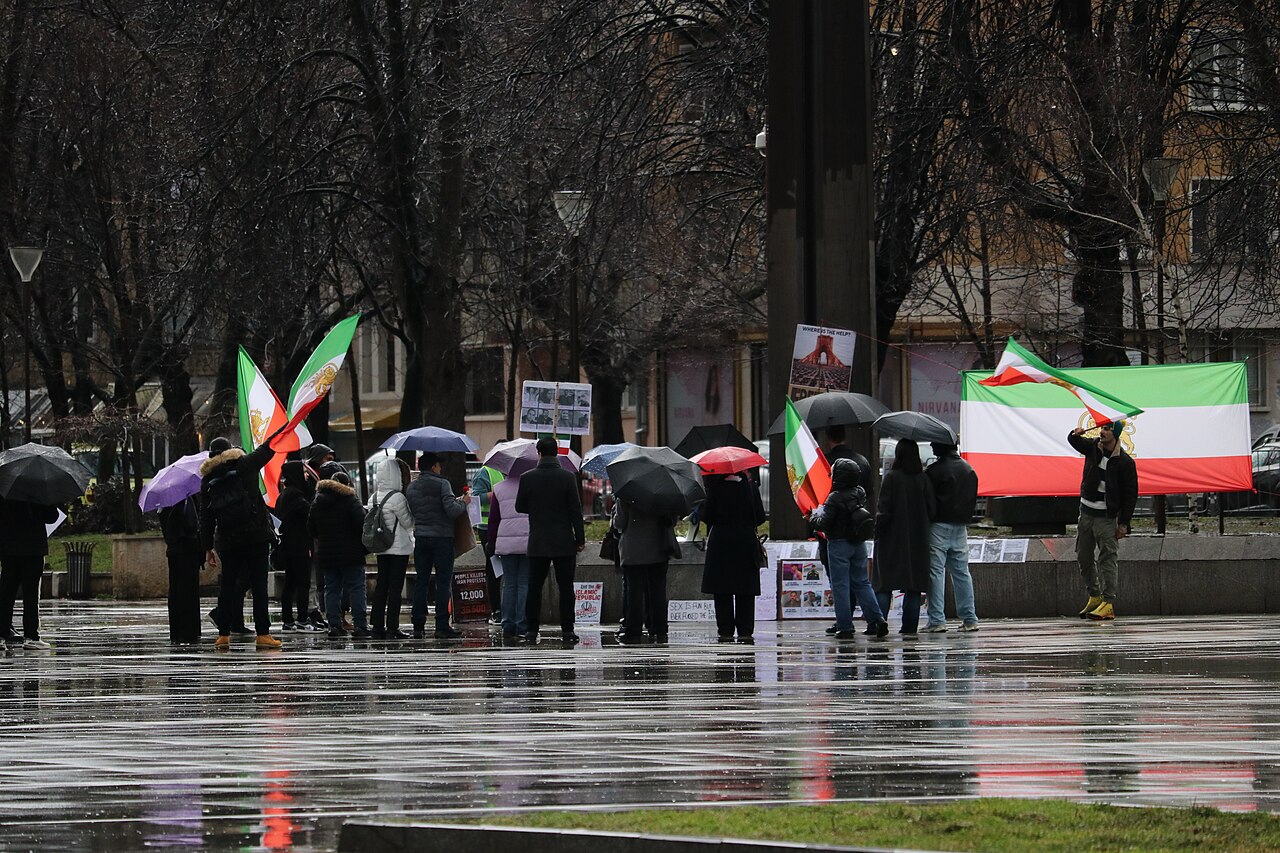
Geopolitical tensions in the Middle East have reached a critical point as high-profile figures in Washington and Jerusalem debate the immediacy of an Iranian threat. President Donald Trump recently alerted the public to indications that Tehran is developing chemical and biological weaponry, warning that a direct attack on American soil would prompt a severe military response. These warnings arrive as Israeli Prime Minister Benjamin Netanyahu has strongly asserted that military action against Iran is unavoidable, putting pressure on U.S. leadership to authorize large-scale strikes.
The Intelligence Divide and Security Concerns
During a recent appearance, Mr. Trump indicated that there was evidence Iran was focusing on biological and chemical agents, noting that nuclear capability was significantly more difficult to achieve. He dismissed a previous diplomatic agreement with Iran as ineffective, though he maintained it was not a mistake to sign. These comments follow intelligence briefings involving Mossad director Roman Gofman, who presented information regarding Tehran’s chemical weapon activities to U.S. officials, including the CIA Director. However, the assessments have not been uniformly accepted. Some senior American officials have expressed skepticism regarding the intelligence, while others acknowledge Iran’s expanded research efforts but dispute its current capacity to execute such attacks.
Calls for Military Intervention
The impetus for renewed military planning comes from Israel, where Prime Minister Netanyahu has reportedly told senior security personnel that action against Iran must occur. An unnamed high-ranking military officer confirmed that joint operational plans had been approved by the Israel Defense Forces and U.S. Central Command, awaiting a decision on the timing. Netanyahu has been actively urging the President to sanction a concentrated campaign of aerial attacks over several days. This push follows recent Israeli intelligence suggesting that the Iranian regime is accelerating its chemical weapon research and conducting tests.
Regional Instability and Diplomatic Counterbalance
The debate over the threat’s immediacy is compounded by broader regional instability. Intelligence reports have surfaced suggesting Iran might be planning attacks on senior members of the Trump administration in the United States. While officials offered differing views on whether such threats were imminent, the concerns have intensified. Meanwhile, diplomatic efforts are underway to temper potential conflict. Gulf nations are increasingly anxious that a major offensive could provoke retaliation against vital energy infrastructure. This concern has prompted diplomatic meetings, including a recent high-level discussion between Saudi Crown Prince Mohammed bin Salman and U.S. Central Command chief, underscoring that the direction of any future military campaign depends heavily on coordination with key regional partners.
World Views
French School Administrator Targeted by Extreme Antisemitic Threats Amid National Surge in Hate Crimes
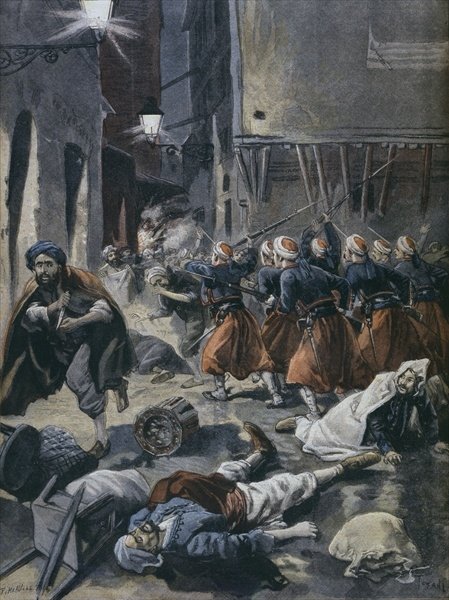
A disturbing incident targeting a Jewish school administrator in the suburbs of Paris has brought the rising tide of anti-Jewish hatred in France into sharp focus. Authorities have launched a major investigation after discovering severely threatening graffiti at the Charles-de-Gaulle High School in Rosny-sous-Bois. The vandalism, found within the school’s facilities, contained explicit slurs, a Star of David, and a direct call for the 60-year-old employee to be ‘burned,’ escalating the situation from simple vandalism to a serious threat of violence.
Legal Action and Institutional Response
The administrative assistant, who has dedicated 26 years to the school, formally filed a police complaint regarding the extreme nature of the death threats. She has since been placed on sick leave and has requested a transfer to a different institution. In response to the threat, the regional education authority provided her with functional protection, an administrative measure designed to safeguard civil servants facing harassment or violence related to their professional duties.
The victim’s legal counsel has strongly advised prosecutors to classify the incident by emphasizing that the attack was rooted in her Jewish identity. The lawyer asserted that the hateful messages clearly demonstrated a deliberate targeting of her faith. He stressed that the victim is not involved in political debates concerning Gaza or Israel; rather, she is known simply for her Jewish heritage and her surname.
Prosecution Focuses on Religious Motive
Investigators are actively working to reclassify the case, moving it toward charges of ‘death threats against a person in charge of a public service mission committed because of religion.’ This serious offense carries potential penalties, including imprisonment for up to seven years and a substantial fine. To date, law enforcement has not made any arrests related to the incident.
A National Crisis of Antisemitism
This local case is symptomatic of a far larger societal crisis. France has experienced a dramatic increase in anti-Jewish incidents over the past three years, a trend accelerated following the October 7, 2023, atrocities in Israel. Data compiled by the French Interior Ministry indicates that while the number of incidents recorded last year was 1,320, this figure still represents a pervasive threat, with more than 3.5 anti-Jewish events occurring every single day.
Statistical analysis shows that antisemitic acts have never been as widespread in the country as they have been in the recent triennium. Although there was a slight decline from the high count of 2023, the figures demonstrate a massive increase compared to pre-crisis years. Critically, despite Jews comprising less than one percent of the French population, they were responsible for a staggering 53 percent of all crimes motivated by religious hatred last year. This trend shows that the Jewish community is facing an unprecedented level of vulnerability, making the investigation into the administrator’s case a critical barometer of the nation’s struggle against rising extremism.
World Views
Irish University Drops EU Clean Energy Project Amid Escalating Anti-Israel Campaign
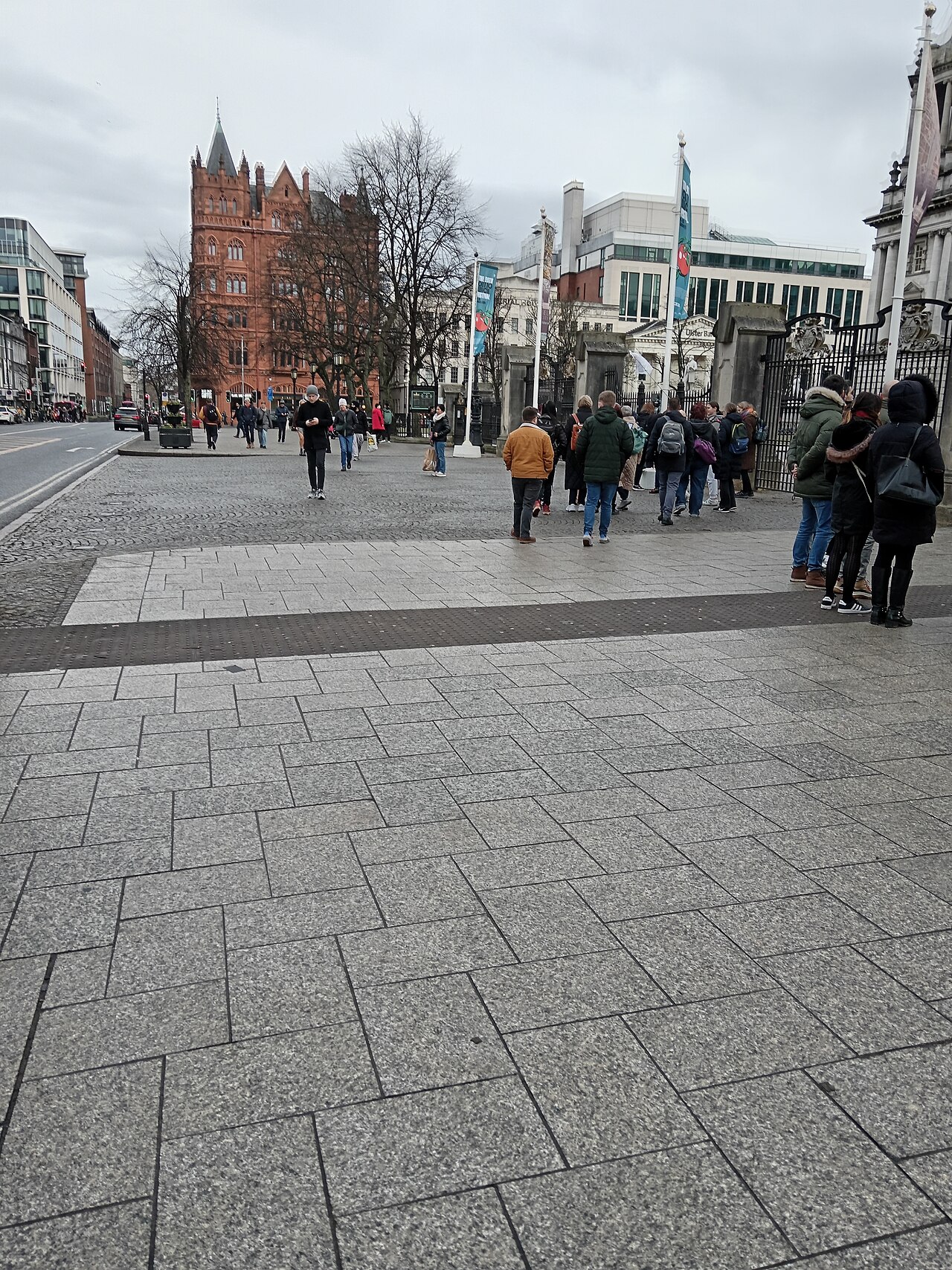
A prominent public research institution in western Ireland has severed ties with a major European clean energy initiative, choosing to withdraw from a collaborative project involving an Israeli technology firm. The University of Galway announced its departure from Asterisk, a substantial European Commission-funded endeavor aimed at developing methods to create green hydrogen directly from seawater. This decision comes amidst a sustained and growing grassroots movement advocating for institutional isolation of Israel, a trend that has significantly amplified the country’s diplomatic and academic tensions with the Jewish state.
The Fallout of the Withdrawal
The Asterisk project, valued at $4.6 million, was designed to pool expertise from various European and Israeli research and industry partners, including the Israel Institute of Technology in Haifa. However, internal pressure from student unions and faculty members led to the university’s exit. Protesters repeatedly argued that the partnership with the Israeli university was compromised by its involvement in defense and security technology development. University President Professor David Burn confirmed the formal withdrawal to the European Commission and pledged that the university would not pursue future research agreements with Israeli organizations.
Irish President Catherine Connolly publicly commended the university’s action, emphasizing that the boycott effort demonstrated the significant power of local community action. This move places Ireland’s increasingly vocal stance against Israel into the international spotlight, even as the nation appears willing to sacrifice high-level scientific research in the pursuit of its political aims.
A Wider Shift in National Policy
The university’s decision mirrors a broader trend of escalating anti-Israel sentiment within Irish institutions and government policy. Since the commencement of the Gaza conflict, the nation’s relationship with Israel has deteriorated sharply, with Dublin adopting a stance that is one of Europe’s staunchest critics. The government has advanced several measures aimed at isolating Israel politically and economically, including recognizing a Palestinian state and intervening in international legal cases.
These policy shifts extend beyond diplomatic rhetoric. Ireland has imposed new trade restrictions, specifically banning imports from Israeli settlements in the West Bank and Eastern Jerusalem. Furthermore, institutional boycotts are gaining traction in critical sectors. For instance, the Irish Hospital Consultants Association recently passed a resolution calling on its members to avoid using products from Teva Pharmaceuticals, a major Israeli drug manufacturer. This action raises concerns, given that the company’s generic medicines provided substantial economic savings for Ireland’s public healthcare system.
Academic and Economic Isolation
The pressure to cut ties is pervasive, affecting academia, trade, and even military procurement. While the government has stated intentions to distance state purchasing from Israeli companies, reports indicate that national police forces have recently acquired Israeli-made technology. The Campus Anti-Genocide Coalition has reinforced its call for a comprehensive cultural and economic boycott, insisting that there should be no amicable relations with what they term an apartheid state. This confluence of academic, governmental, and professional pressure signals a deep, systemic pivot toward isolating Israel across all facets of Irish life.
World Views
Tragedy Turns Political Firestorm: Oil Worker Deaths Spark Anti-Regime Protests in Iran
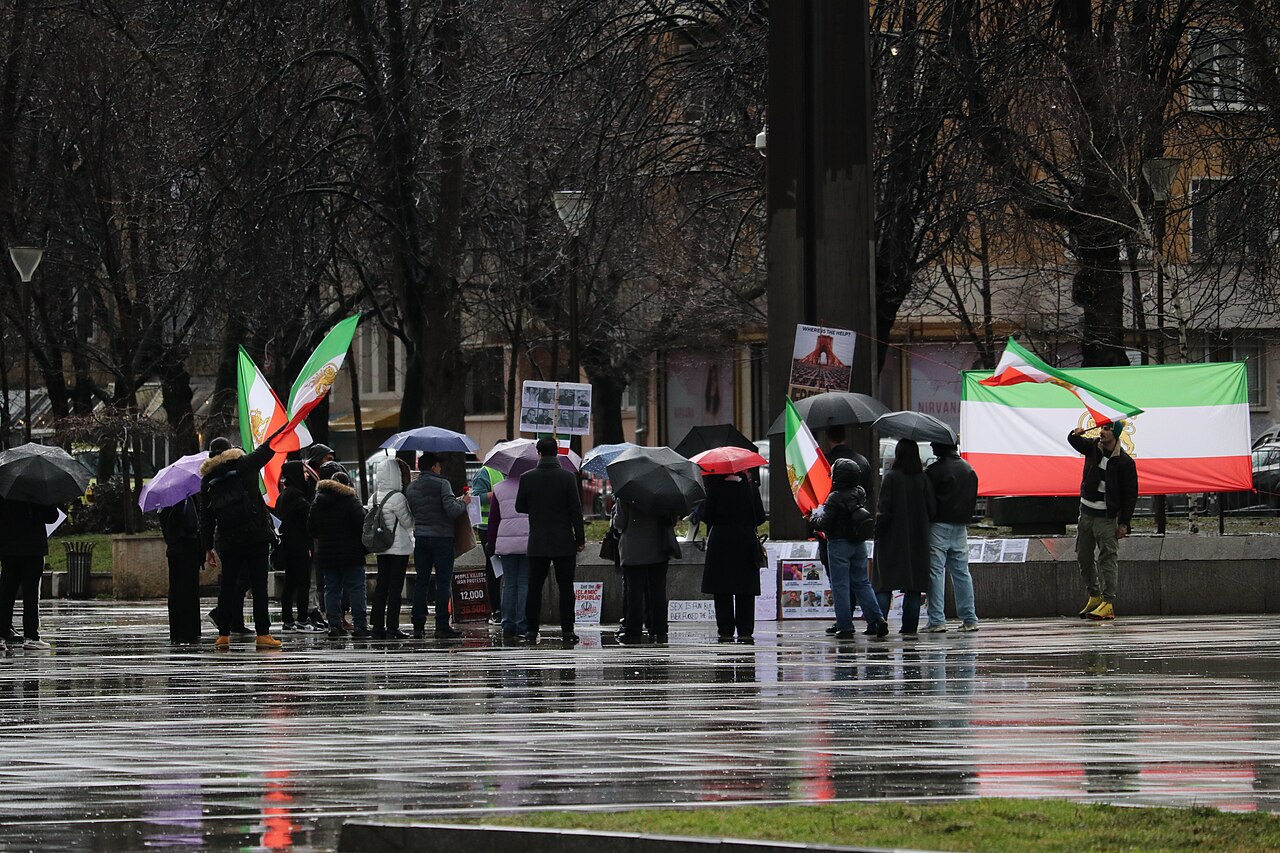
A fatal bus accident that claimed the lives of thirteen employees from Iran’s oil sector has rapidly metastasized into a sweeping political crisis, igniting massive demonstrations across the western city of Abdanan. What began as a localized demand for governmental accountability following the deadly crash quickly escalated into open defiance against the Islamic Republic’s ruling structure, with demonstrators vocally calling for the regime’s complete overthrow.
The Rapid Escalation of Dissent
Hundreds of residents took to the streets after the transport vehicle, which was moving refinery workers, overturned on Saturday. Initial gatherings focused on mourning the victims and demanding that local authorities address alleged negligence. However, the momentum swiftly shifted. Protesters began using highly charged slogans, including calls for the demise of the current political leadership and vocal support for the monarchy that existed before the 1979 revolution. Footage circulating online showed demonstrators chanting messages that referenced the return of the Pahlavi dynasty and criticizing the current Supreme Leader.
The protests broadened their scope beyond the immediate tragedy, incorporating deep-seated national grievances. Activists highlighted pervasive issues such as rising consumer costs, systemic corruption, and widespread poverty. The demonstrations served as a powerful platform for citizens to challenge the legitimacy of the Islamic government, even directing their anger toward the nation’s founder and the current leader.
Government Crackdown and National Solidarity
The government responded swiftly, deploying security forces to contain the swelling crowds. Reports indicated that security personnel utilized tear gas and pellet fire against demonstrators, leading to the arrest of at least four Kurdish citizens. Meanwhile, authorities issued warnings, urging citizens to remain calm and cautioning that those who participated in public disruption would face legal repercussions. The state media outlet, affiliated with the Islamic Revolutionary Guard Corps, acknowledged the gatherings, noting that the slogans had acquired a political dimension, though it avoided specifying their content.
Yet, the unrest has found resonance far beyond Abdanan. Messages of solidarity have emerged from numerous other cities across Iran, including Tehran and Bandar Abbas. These messages link the local protests to broader economic dissatisfaction and recall the nationwide uprisings of January 2026. The closure of the city’s bazaar in support of the victims further underscored the depth of the public unrest. Analysts suggest that the incident has tapped into a national vein of frustration, transforming a workplace tragedy into a major catalyst for renewed political upheaval across the country.
