



World Views
Tehran’s Digital Threat: Iran Details Plans to Sabotage Gulf Undersea Cables
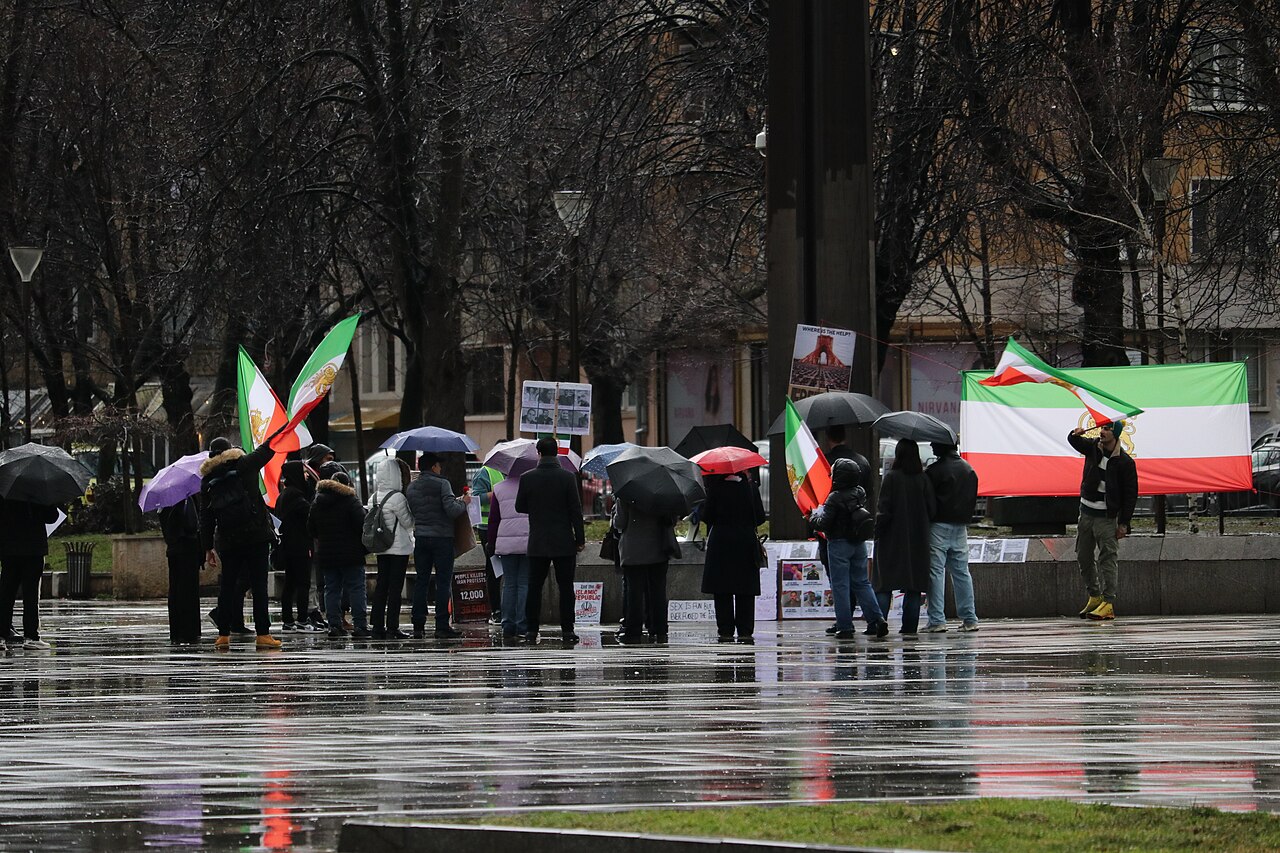
Senior Iranian security officials have revealed detailed blueprints suggesting Tehran is prepared to target critical undersea communication cables in the Gulf region should a military conflict with the United States or Israel re-ignite. The statements, made by anonymous sources, indicate a significant escalation in Iran’s strategic planning, moving beyond conventional threats to aim at the global digital infrastructure that underpins modern commerce and communication.
The Strategic Threat to Global Connectivity
According to the officials, Iran intends to exploit its full access to the region’s subsea networks if its infrastructure comes under attack. One official stated that in the event of a conflict, the concept of ‘red lines’ would vanish, extending the threat from military bases to covert facilities. Specifically, the deputy head of political affairs for the Islamic Revolutionary Guard Corps (IRGC) highlighted the potential to strike seven major internet cables located beneath the Strait of Hormuz. The aim, sources suggested, would be to ensure that any damage inflicted is not easily repaired, thereby prolonging severe disruptions to internet services and financial transactions.
Economic Pressure and Deterrence
Analysts suggest that these threats are primarily designed as a powerful deterrent, intended to exert pressure on Washington and Gulf nations. By making multinational corporations and regional governments apprehensive about the security of their investments—particularly in AI and data centres—Tehran seeks to influence US policy. While global traffic flows through the Strait of Hormuz account for less than 1% of international bandwidth, the disruption of multiple cables could severely impact e-commerce, cloud computing, and financial stability. Furthermore, the threat is compounded by Iran’s prior actions, including strikes on Amazon Web Services facilities in the UAE and Bahrain.
Maritime Escalation Intensifies Risk
This digital threat emerges against a backdrop of rapidly escalating maritime violence. Data compiled by a Washington-based think tank reveals that October recorded the highest number of ship attacks on record in the Strait of Hormuz and adjacent waterways. Since the conflict began in February, 113 attacks have been documented, with the International Maritime Organization noting damage to over 30 supertankers. This increased maritime aggression, coupled with the digital threat, paints a picture of a highly volatile and dangerous geopolitical environment. Despite investments by Gulf states and firms like Microsoft to enhance resilience through alternative land-based connections, experts warn that restoring connectivity during wartime would prove exceptionally difficult, further complicating regional stability.
World Views
Astros Appoint Brad Ausmus as Manager, Marking Significant Milestone in MLB History

The Houston Astros organization has officially named Brad Ausmus as its new manager, a decision that carries notable historical weight within Major League Baseball. Ausmus, who is 57 years old, becomes the only active Jewish manager currently leading a major league club. This appointment signals a major shift for the American League powerhouse, ushering in a new chapter for the franchise.
A Veteran Return to Houston
Ausmus brings extensive experience to the role, marking his third tenure as an MLB manager. His career includes leading the Detroit Tigers between 2014 and 2017, as well as serving with the Los Angeles Angels in 2019. Prior to this appointment, he held a bench coach position with the New York Yankees from 2024 to 2026, and he has also held roles in the front offices of the Padres and Angels. Notably, his connection to the Astros is deep-rooted; he spent ten of his eighteen seasons playing for the club. As a former catcher, Ausmus was a defensive stalwart, earning three Gold Glove Awards during his time in Houston.
Bridging Professional and Global Roles
Beyond his professional playing career, Ausmus has cultivated a unique profile through his involvement with Team Israel. He managed the squad during the 2013 World Baseball Classic qualifiers and served on the coaching staff for the 2023 tournament, culminating in managing the team for the 2026 competition. This global involvement has garnered praise from observers. Nate Fish, the CEO of Israel Baseball Americas, commented on Ausmus’s character and capabilities, stating that he possesses the qualities of a ‘perfect big league manager’ and is highly intelligent and composed. Fish also drew attention to the recurring pattern of Ausmus leading Team Israel before taking on major league management positions.
Outlook and Expectations
The former player and coach expressed genuine enthusiasm about returning to the city and the organization. Ausmus stated that he is ‘very excited to be back in Houston,’ emphasizing that the city has been a significant part of his life. He also spoke about his commitment to the international team, noting how proud he has been of Team Israel’s journey. He indicated his focus remains on constructing a cohesive and competitive unit, ready to start immediately with his staff and players. With a career total of 1,971 MLB appearances—a record held by the Jewish Baseball Museum for Jewish players—Ausmus’s presence represents not only a managerial change but a powerful reflection of his lifelong dedication to the sport and his community.
World Views
Rising Tensions and Discrimination Claims Mark New York City Landscape
A confluence of legal battles, public incidents, and acts of vandalism suggests a growing climate of friction and discrimination within New York City. Reports indicate that Jewish employees within the city’s health department have initiated a lawsuit, alleging that the agency fostered a hostile work environment and engaged in discriminatory practices against Jewish individuals and those who support Israel. The legal action spans periods under both the current and former mayoral administrations, highlighting systemic concerns regarding workplace equity.
Workplace Battles and Political Flashpoints
The seven employees who filed the suit claim they faced significant pushback, including being prevented from forming an internal support group for Jewish staff. Furthermore, they experienced retaliation after sending a group message to mourn the tragic shooting of Jewish people in Australia in December 2025. Officials involved in the case stated that the environment was oppressive to those expressing solidarity with Israel. Outside the professional sphere, political figures have also become targets of public scrutiny. During a Veterans Day parade on Fifth Avenue, Mayor Zohran Mamdani was met with audible disapproval and chants of ‘Am Yisrael Chai’ from some attendees, while supporters cheered from the sidelines.
Acts of Vandalism and Community Response
The growing unrest is mirrored by troubling acts of hate crime. In Brooklyn, a man named Saul Amantecatl Sanchez was apprehended after allegedly defacing a local Jewish Community Center in Lawrence, New York, by drawing a swastika on a door in the parking area. Sanchez, who was reportedly making a delivery at the time, was subsequently released on a court appearance ticket. These incidents underscore a visible threat to local Jewish institutions and communities.
Local Politics Amidst Broader Concerns
Amid these serious social and legal challenges, local political life continues its rhythm. Incoming New York-12 Representative Micah Lasher has taken over the unofficial House Bagel Caucus from outgoing Representative Dan Goldman. Goldman, who founded the informal group in 2023 to foster bipartisan camaraderie over city bagels, expressed confidence in Lasher’s ability to promote the local culinary tradition across the nation. Goldman’s remarks, however, carried a subtle political undertone, referencing rivals and the importance of bipartisan outreach.
The accumulation of these diverse events—from legal challenges in city agencies to public displays of hatred and the passing of political influence—paints a complex picture of modern New York. While community groups continue to demonstrate resilience and solidarity, the legal and public incidents demand heightened attention from city officials and lawmakers to ensure a safe and equitable environment for all residents.
World Views
The Quiet Power of Duty: How Ancient Texts and Royal History Redefine Strength
The collision between personal longing and public obligation has shaped countless historical dramas, from the courts of Europe to the narratives of ancient scripture. The story of Prince Edward VIII, who famously abdicated the British throne to marry Wallis Simpson, serves as a potent modern example of choosing love over duty. Yet, when examining this choice through the lens of traditional texts, a deeper lesson emerges: true strength is not found in the pursuit of immediate desire, but in the quiet endurance of responsibility.
The Impulsive Choice Versus Enduring Resolve
The biblical narrative of Esav and Yaakov offers a striking parallel to this conflict. Esav, portrayed as a formidable hunter, trades his birthright—a symbol of future authority—for immediate sustenance. This impulsive action, driven by present hunger, ultimately leads to profound regret. Conversely, Yaakov, initially presented as a more unassuming figure, embodies a different kind of fortitude. His strength is not physical, but moral; it manifests through his ability to survive hardship, absorb disappointment, and persist through years of struggle, ultimately earning a new, powerful identity.
From Palace to Public Service: A Royal Parallel
This theme of reluctant duty finds a powerful echo in the life of George VI. While Edward VIII prioritized his personal happiness, his younger brother, Albert, accepted the Crown. George VI, who was reserved and lacked the flamboyant presence of his elder sibling, unexpectedly became a symbol of national stability. During the darkest years of World War II, he and Queen Elizabeth toured bombed-out areas, demonstrating a commitment to his role that transcended personal comfort. He embodied the very concept of duty that his brother had found intolerable.
Mastering the Interior Self
Scholarly tradition suggests that the ultimate measure of strength lies in the ability to control one’s internal impulses. The narrative of the twins suggests that Esav, despite his physical prowess, was governed by the urgency of the moment. Yaakov, however, demonstrated the capacity to live for a future commitment, even when the present offered immediate gratification. This distinction challenges the common misconception that force equates to strength. The quiet victories—the commitment to an obligation, the refusal to succumb to an immediate craving—are the foundations upon which strong communities and civilizations are built. The parallel between the impulsive hunter and the enduring administrator provides a profound challenge: the most significant battles are often fought not in the field, but within the self.
