


World Views
Ideological Proxy War: Ohio Senate Race Becomes Battleground for Pro-Israel Lobbying Giants
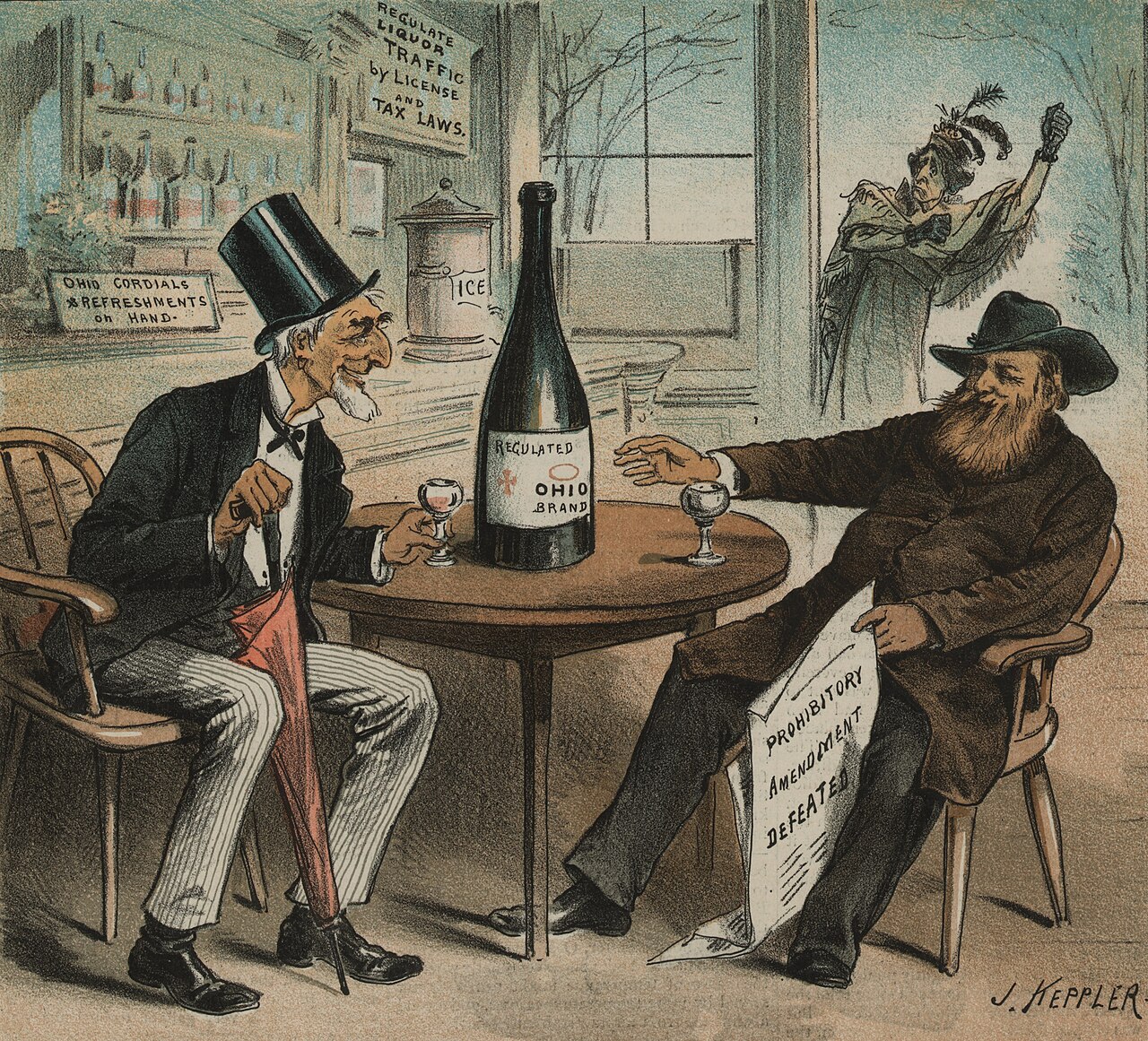
The tightly contested Senate race in Ohio has transcended a typical political contest, morphing into a high-stakes ideological proxy battle between two influential pro-Israel lobbying organizations. The election, which pits Republican Jon Husted against Democrat Sherrod Brown, is characterized by massive financial backing from competing groups—the conservative American Israel Public Affairs Committee (AIPAC) and the liberal J Street—each leveraging their support to sway the outcome of the pivotal contest.
The Influence of Financial Backers
Both candidates maintain a strong record of supporting the U.S.-Israel relationship, though their financial support comes from different corners. Husted has received substantial financial backing from AIPAC, including over half a million dollars in individual donations earmarked for his campaign, according to Federal Election Commission filings. AIPAC stated that the Senator’s endorsement stems from his commitment to the relationship between the two nations, noting his previous votes against restricting military aid to Israel. Similarly, Brown has been a longtime ally of Israel, having sponsored key security assistance legislation. He is described by J Street as a major recipient of their bundled funds, having received more than $800,000 from supporters of the group.
Controversies and Campaign Smears
Beyond the lobbying influence, the campaign has devolved into a series of intense personal attacks. Both sides have deployed allegations linking the opponent to individuals named in the Jeffrey Epstein files. Brown’s campaign has run ads criticizing Husted for accepting large donations from billionaire Les Wexner, a known financial client of Epstein. Husted’s team countered by accusing Brown of taking contributions from numerous people listed in the files. While the Husted campaign dismissed the claims as ‘hypocritical,’ the race has also been marred by a significant conduct controversy involving a former Husted staffer. The individual was reportedly dismissed after a report surfaced detailing his social media posts that referenced symbols associated with white nationalism and the SS, leading to condemnation from local Jewish community leaders who questioned the Senator’s judgment.
Political Outlook and Community Response
Amidst the financial and personal sparring, local Jewish communities have maintained a measured perspective. Representatives noted the importance of Ohio’s Jewish population and the necessity for candidates to demonstrate a genuine commitment to the safety and welfare of all Ohioans. While acknowledging the growing tendency to tie antisemitism to partisan politics, community leaders emphasized that this election presents an opportunity for both candidates to prove their dedication to public service. The race’s trajectory, fueled by powerful ideological and financial forces, suggests that the final outcome will be a complex reflection of the state’s political divisions and values.
World Views
Deepening Divide: Michigan Jewish Voters Grapple with Political Allegiances in Senate Race
A significant fracture is emerging within Michigan’s Jewish community as the state debates the upcoming U.S. Senate election. The discord centers on the recent endorsement of Republican Mike Rogers by Democrat Haley Stevens, a move that has provoked strong criticism from several Jewish Democratic figures. This political misalignment has forced many community members to confront deeply held beliefs about civil rights, political safety, and the future trajectory of American politics.
Protests Erupt Against Political Endorsements
Hours after Stevens publicly supported Rogers, a gathering took place at the United Auto Workers headquarters in Detroit. Attendees, including congressional candidate Jeremy Moss, voiced deep distress among voters who felt caught between competing political demands. Moss indicated that the candidate being promoted by Stevens was not the proper resolution to the current societal issues facing the state. Other participants, such as former Congressman Andy Levin, emphasized that the Democratic nominee, Abdul El-Sayed, holds deep regard for Judaism and the Jewish people. The group’s collective message was clear: all Democrats, regardless of background, should support El-Sayed and reject Stevens’ support for Rogers.
Ideological Conflicts and Internal Debates
The dilemma is multifaceted. While a substantial segment of Michigan’s Jewish population is increasingly troubled by El-Sayed’s statements concerning Israel and various antisemitic incidents, another group is wary of Republican policies. This tension was highlighted by a separate Zoom discussion involving Michigan Representative Hillary Scholten and several rabbis. In that forum, some Jewish leaders urged their congregants to consider voting for Emma Lazarus, the poet whose words are inscribed on the Statue of Liberty, as a form of protest. While Scholten did not instruct voters on a specific direction, she stressed the vital need to actively push back against antisemitism gaining excessive visibility in national politics.
The internal friction extends to high-level political figures. Some influential figures, including Stevens’ fiancée, have publicly indicated they would support Rogers. Conversely, liberal Jewish commentators, such as Brad Lander, have criticized Stevens, arguing that prioritizing ‘Jewish safety’ at the expense of fundamental rights like reproductive and civil liberties constitutes a betrayal of American ideals. Furthermore, Wert, the husband of State Senator Mallory McMorrow, publicly noted that Stevens declined to sign an editorial condemning Rogers for his associations with antisemitic figures, suggesting a lack of consistent standards.
A Season of High-Stakes Decisions
This campaign season epitomizes the complex choices faced by the state’s Jewish voters. They must reconcile the desire to protect their community from hate with the fear that supporting the Democratic party means endorsing policies they fundamentally oppose. The ongoing debate underscores the gravity of the Senate race, which is viewed by many as a crucial battleground for Democrats seeking to gain control of the Senate.
World Views
Rabbinic Push for Israel Stance Falters in Michigan Campaign, Sparking Internal Jewish Debate

A significant attempt by religious leaders to influence the trajectory of a Michigan U.S. Senate race has met with mixed results, raising complex questions about the role of faith communities in modern American political discourse. Before a major rally in Detroit in October, more than 250 rabbis from across the country organized a movement, demanding that Senate candidate Abdul El-Sayed publicly affirm his support for Jewish statehood in Israel and commit to the safety of Zionists.
The Demands and the Disappointment
The group, known as Nonnegotiable Michigan, presented these five key requirements as prerequisites for their support. However, neither candidate addressed the movement or its demands during the event. This outcome has led to immediate criticism from Jewish groups on the left, who argue that the tactic proved ineffective and potentially made the community more vulnerable. Despite the campaign’s conclusion, the advocacy group is not abandoning its mission.
A National Call for Principle
This effort represents one of the largest organized religious interventions in recent U.S. political history, following a major clergy letter last year condemning rising anti-Zionism. The organizers are now focused on establishing a national platform for liberal Zionist Jews to assert their core priorities. According to a co-founder, the movement believes it has successfully identified the fundamental concerns of mainstream American Jewish voters, anticipating that the issue of Israel will remain a critical factor in the 2028 presidential elections.
Internal Divisions and Political Fallout
However, the movement is facing internal dissent. Some religious figures have privately argued that the advocacy group’s messaging is too divisive, or that it overlooks other major issues, such as abortion rights and Christian nationalism. One critic suggested the initiative may have inadvertently aided the Republican challenger by drawing attention to the Jewish vote.
The scope of the effort is substantial; the group claims to have gathered over 1,900 signatures in Michigan alone, with a national tally exceeding 4,500. While organizers maintain their cause is nonpartisan, external scrutiny has also intensified. The national pro-Israel lobbying organization, J Street, raised concerns after an accidental social media post appeared to suggest the movement might be coordinating with figures aligned with AIPAC. The debate continues to highlight the profound fault lines within the Jewish community as it grapples with shifting political landscapes and the urgent need to define its priorities.
World Views
Michigan Rep’s Shock Endorsement Deepens Democratic Divide Over Israel and Identity
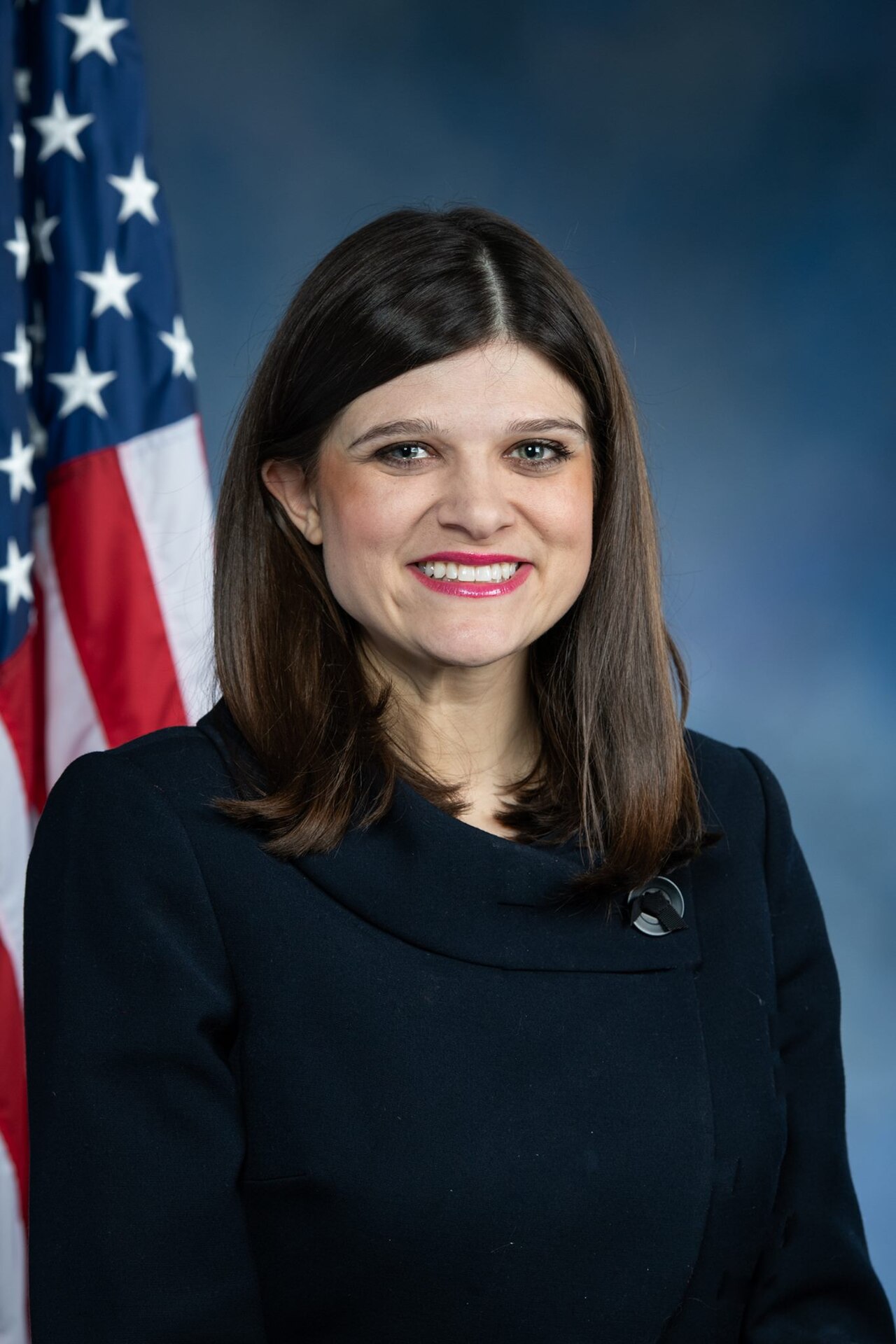
A dramatic political reversal has sent shockwaves through Michigan’s Democratic ranks, as Congresswoman Haley Stevens abruptly switched her support from the party’s candidate, Abdul El-Sayed, to Republican Mike Rogers for the U.S. Senate race. This unexpected endorsement, delivered just days before the election, has significantly intensified existing ideological fissures within Jewish communities and the broader Democratic Party regarding foreign policy and political alignment.
The Sudden Political Pivot
Stevens, who represents a heavily Jewish district in suburban Detroit, announced her shift by citing concerns over rising antisemitism. She specifically targeted El-Sayed’s previous campaign appearances with anti-Israel streamer Hasan Piker, stating that she could not align herself with Piker’s rhetoric. Stevens publicly asserted that opposition to hate was a fundamental principle, while also linking the issue to her broader belief that ‘education is on the ballot.’ This change came despite earlier public commitments to El-Sayed’s campaign and the support of her fiancée, a major Democratic donor.
Reactions from Both Sides
The move prompted intense criticism from Democratic leaders. Senate Minority Leader Chuck Schumer condemned the action as a severe betrayal. Furthermore, moderate Jewish Democrat Senator Elissa Slotkin criticized Stevens, arguing that her focus on personal grievances was overshadowing the greater good of the state and the nation. Meanwhile, the Republican side quickly capitalized on the shift. Rogers, standing beside Stevens, invoked historical parallels, referencing the danger of blaming specific groups for societal problems, and expressed concern that Jewish Democrats were feeling apprehension about the state’s future.
The political maneuver has also drawn scrutiny from advocacy groups. J Street, a liberal pro-Israel lobby, suggested that Stevens was utilizing genuine fears about increasing antisemitism to advance her own political agenda. El-Sayed, in his own press conference, dismissed the significance of Stevens’ decision, while his campaign has been criticized for leaning heavily into anti-Islam messaging in its attacks against Rogers.
A Wider Ideological Struggle
The controversy highlights a larger national debate concerning the role of identity politics and the definition of ‘hate’ in modern American elections. While Stevens insisted she remained a committed Democrat, the mass resignation of her senior staff following the announcement underscored the deep internal conflict within her own party. This episode serves as a stark example of the complex, evolving relationship between political identity, religious affiliation, and partisan loyalty in the current political climate.
