



World Views
Historic Victory: Paralympic Athlete Ezra Frech Claims Major Award on ‘Dancing With the Stars
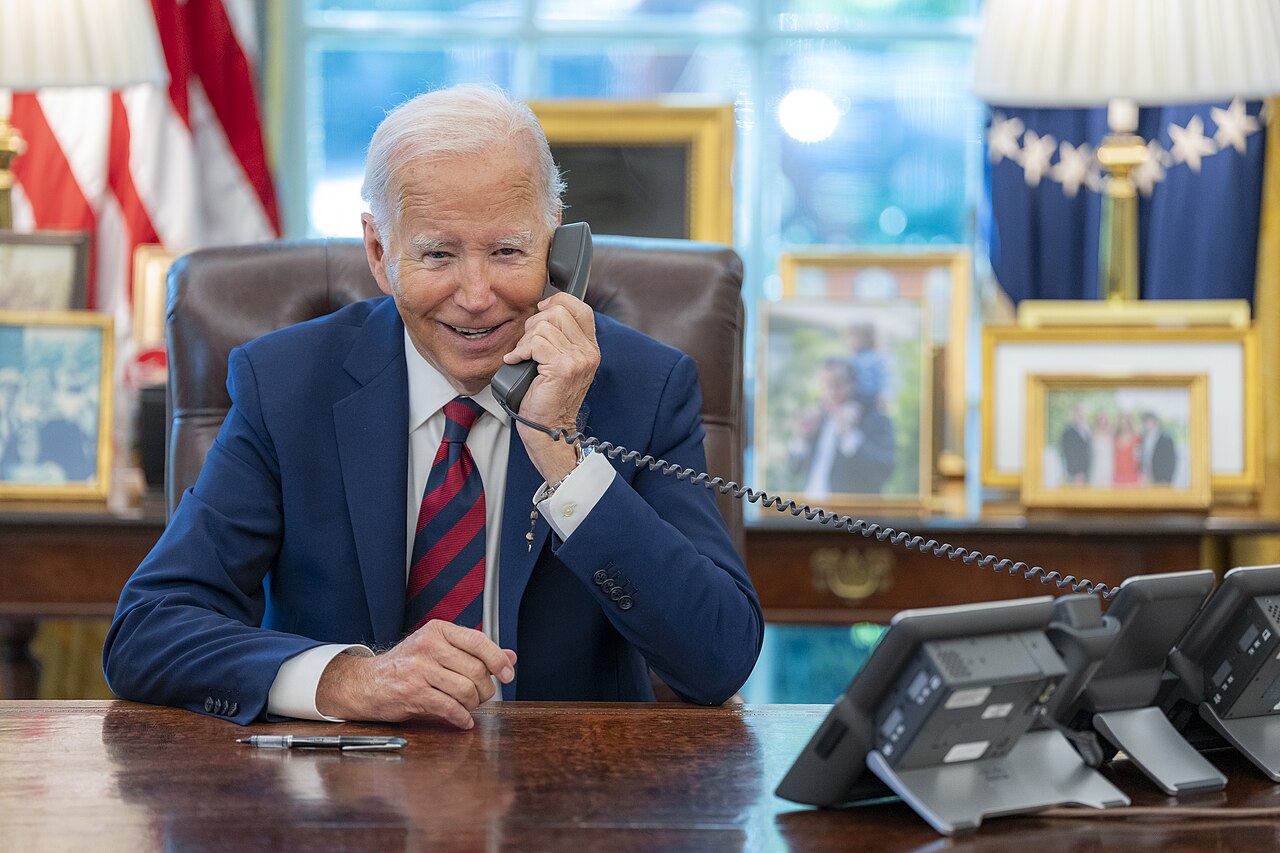
In a monumental achievement that reshaped the landscape of reality television, Jewish athlete Ezra Frech secured the prestigious Len Goodman Mirrorball Trophy during the finale of ‘Dancing With the Stars’ Season 35. At just 21 years old, Frech became the youngest male winner in the show’s history, marking a historic milestone as the first Paralympian and the inaugural amputee to claim the coveted accolade.
A Triumph of Dedication and Skill
Frech, partnered with professional dancer Daniella Karagach, clinched the award following a combination of public voting and high scores from the panel of judges. Their final routine, a freestyle piece set to music by Linkin Park, earned them a perfect 30/30 score. The performance itself was fraught with drama; midway through the dance, Frech’s prosthetic leg slipped off. Despite this unexpected difficulty, the athlete demonstrated incredible resilience, successfully reattaching the device and completing the complex routine. Following the announcement of his victory, the athlete expressed deep gratitude, noting that the experience was profoundly special and thanking the audience for their support.
From Congenital Difference to World Champion
Frech’s journey is marked by extraordinary athletic prowess and personal fortitude. Born with congenital limb differences, he underwent a left leg amputation at the age of two. His dedication to sport has seen him achieve remarkable success at the highest level. He was a key competitor in the 2024 Paris Paralympics, where he secured two gold medals in the 100-meter dash and the high jump (T63 classification). Notably, he set a new Paralympic world record in the high jump and currently holds the title of world champion in that event.
Advocacy and Community Impact
Beyond the competitive arena, Frech is deeply committed to fostering opportunities for others facing physical limitations. Alongside his father, he co-founded Angel City Sports in 2013. This nonprofit organization is dedicated to providing free sporting opportunities to individuals with disabilities in the Southern California area. His victory on the national stage serves not only as a personal triumph but also as a powerful statement for the entire disabled community, reinforcing the message that physical challenges do not define potential. The show’s live nationwide airing allowed millions of viewers to participate in the voting process, amplifying the reach of Frech’s inspiring story to a massive audience.
World Views
Coalition Crisis Looms: Eisenkot’s Bloc Faces Mathematical Deadlock Over Military Service
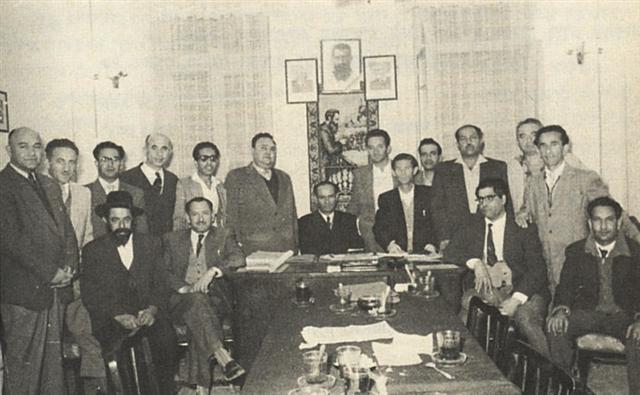
The path to forming a new government remains perilously narrow, as Gadi Eisenkot’s political bloc finds itself at the centre of a high-stakes political quagmire. Negotiations with various coalition partners have reached a critical juncture, with the final composition of the government hanging precariously on deeply divisive issues, most notably the military draft exemption. The bloc, which commands 48 seats, is mathematically constrained, meaning there are effectively no seats to spare to absorb any political disagreements.
The Tightrope Walk of Coalition Building
The process has been marked by sudden shifts in diplomatic posture. While some parties, including Likud, have expressed reservations about moving forward, others have signaled strong intent. The Democratic party, for instance, reportedly halted talks, demanding that ongoing judicial reform discussions be fully exhausted before any formal agreement could be reached. Meanwhile, Eisenkot’s party has confirmed agreements with Likud, marking the first such deal since the election, although the viability of this partnership remains highly contested.
The fundamental disagreement among Eisenkot’s partners is the nature of the government they wish to see. Some parties advocate for a government based on the inclusion of Arab political entities, while others insist on a specific ideological alignment, creating a fragmented landscape of competing demands.
The Battle Over Military Service and Law
At the core of the impasse is the issue of military service for Haredi men. Eisenkot’s faction has maintained a firm stance that there should be absolutely no compromise on the principle of ‘military service for all.’ This position clashes sharply with the demands of certain religious factions, such as United Torah Judaism (UTJ). UTJ insists that a binding law must be enacted before any government is sworn in, a condition Eisenkot’s side prefers to manage through a cabinet decision after the government takes office.
This legal and political conflict is further complicated by the Supreme Court’s rulings regarding draft exemptions, which have challenged prior legislative attempts to freeze arrests. The military itself has provided estimates on draft dodgers, indicating that a vast majority of those evading service belong to the Haredi community, intensifying the urgency of the debate.
Alternative Scenarios and The Deadline
Analysts are observing multiple potential outcomes. One path involves a minority government, potentially sworn in with only 46 to 48 seats, while another possibility involves a small cabinet designed to replace the current Prime Minister and trigger a new election if no wider support is secured. The ultimate deadline for the mandate is fast approaching, putting immense pressure on Eisenkot to broker a deal. Despite the intense negotiations, the religious parties remain divided on the immediate political future, suggesting that a quick resolution remains highly unlikely.
World Views
Iraq’s Supreme Court Greenlights Federal Takeover of Kurdish Borders and Oil Assets
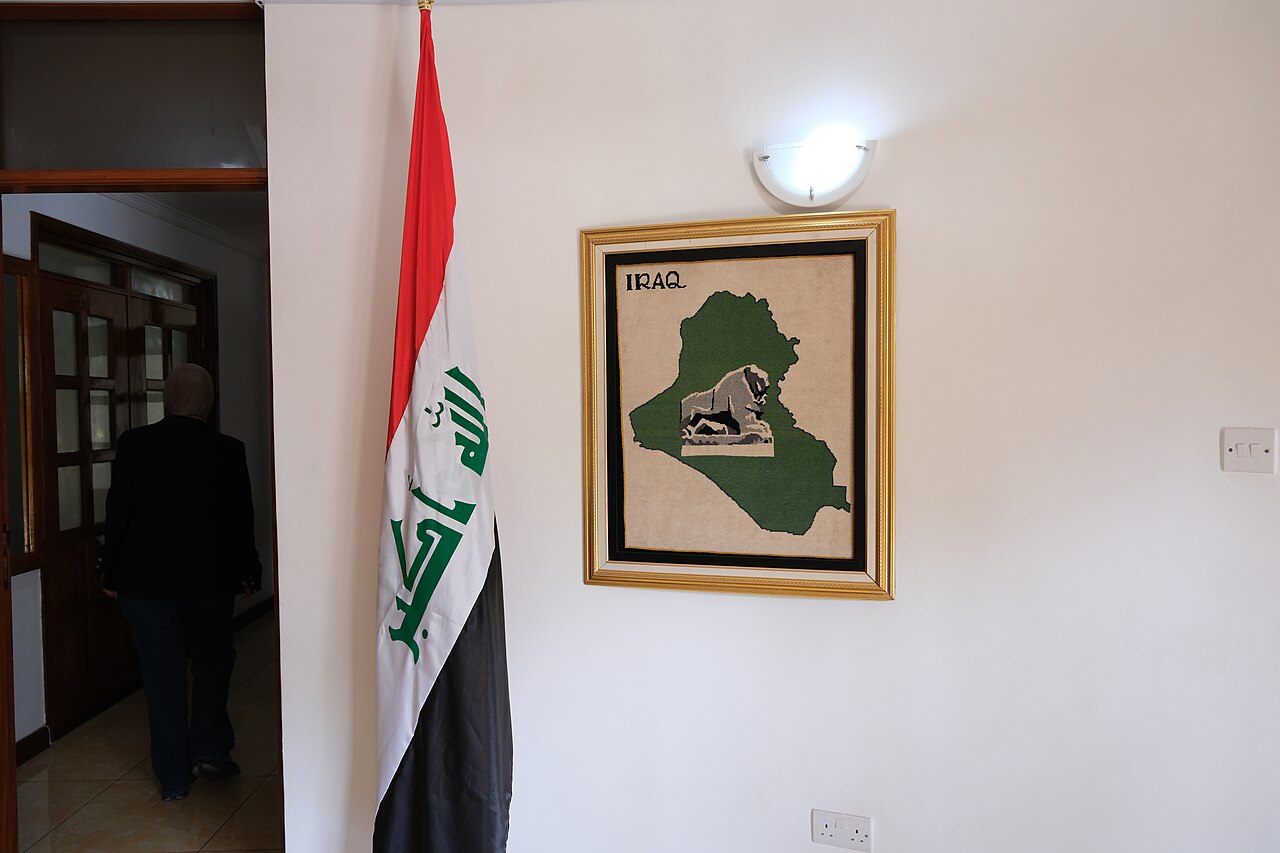
The highest judicial body in Iraq has effectively provided the green light for Baghdad to extend federal authority deep into the semi-autonomous Kurdistan Region, marking a significant escalation in the nation’s ongoing struggle for centralized control. The ruling permits federal forces to deploy along all international boundaries, including those within the Kurdish territories, directly supporting Prime Minister Ali al-Zaidi’s determined push to assert the central government’s dominance.
Federal Authority Expands into Kurdish Territory
The court decision allows federal agencies to oversee operations at all border crossings. However, it mandates that this oversight must be coordinated with regional and provincial administrations regarding customs administration. Furthermore, the ruling grants the federal oil ministry the power to audit and supervise oil and gas fields. This is a critical development, as Mr. Zaidi has already directed the federal ministry to manage state-owned oil fields located in provinces near the Kurdish region, including Kirkuk, Nineveh, and Diyala.
The Centralization Agenda
These aggressive moves are viewed by political observers as part of a comprehensive effort by the Prime Minister to dismantle the deeply entrenched system of ‘states within a state’ that has long defined the country. Zaidi’s strategy is twofold: to restrain armed groups operating outside state command and to draw clear boundaries on the KRG’s independent control over vital economic and security matters. Experts suggest that the judiciary has been highly supportive of this governmental campaign, providing the necessary legal framework to define issues of sovereignty and legality.
The immediate impetus for this push stems from serious allegations of illicit trade. State intelligence reports indicate that state-owned oil from North Oil Company is being diverted and smuggled from Kirkuk and Sulaymaniyah into Iran and onward to Afghanistan. This smuggling probe was the catalyst for Zaidi’s recent confrontation with the Iran-backed militia Kataib Hezbollah, demonstrating his willingness to challenge non-state actors.
Resistance and Future Implications
The Kurdistan Regional Government swiftly dismissed the federal measures, publicly labeling them as ‘military language and threats.’ Despite the KRG’s strong rejection, security sources indicate that a direct military clash with Kurdish forces is not a viable option for Baghdad. Instead, the coming days are expected to see the deployment of additional federal personnel near strategic oil fields, signifying a gradual, yet firm, assertion of central power.
Political analysts warn that while the judiciary has provided the legal foundation for this drive, implementing changes that challenge decades of power accrued by powerful factions—both Kurdish and Shi’ite militias—will remain politically complex and fraught with resistance.
World Views
Escalation in the Red Sea: Houthi Militia Claims Strike on Major Saudi Refinery, Targets Riyadh Financial Hub
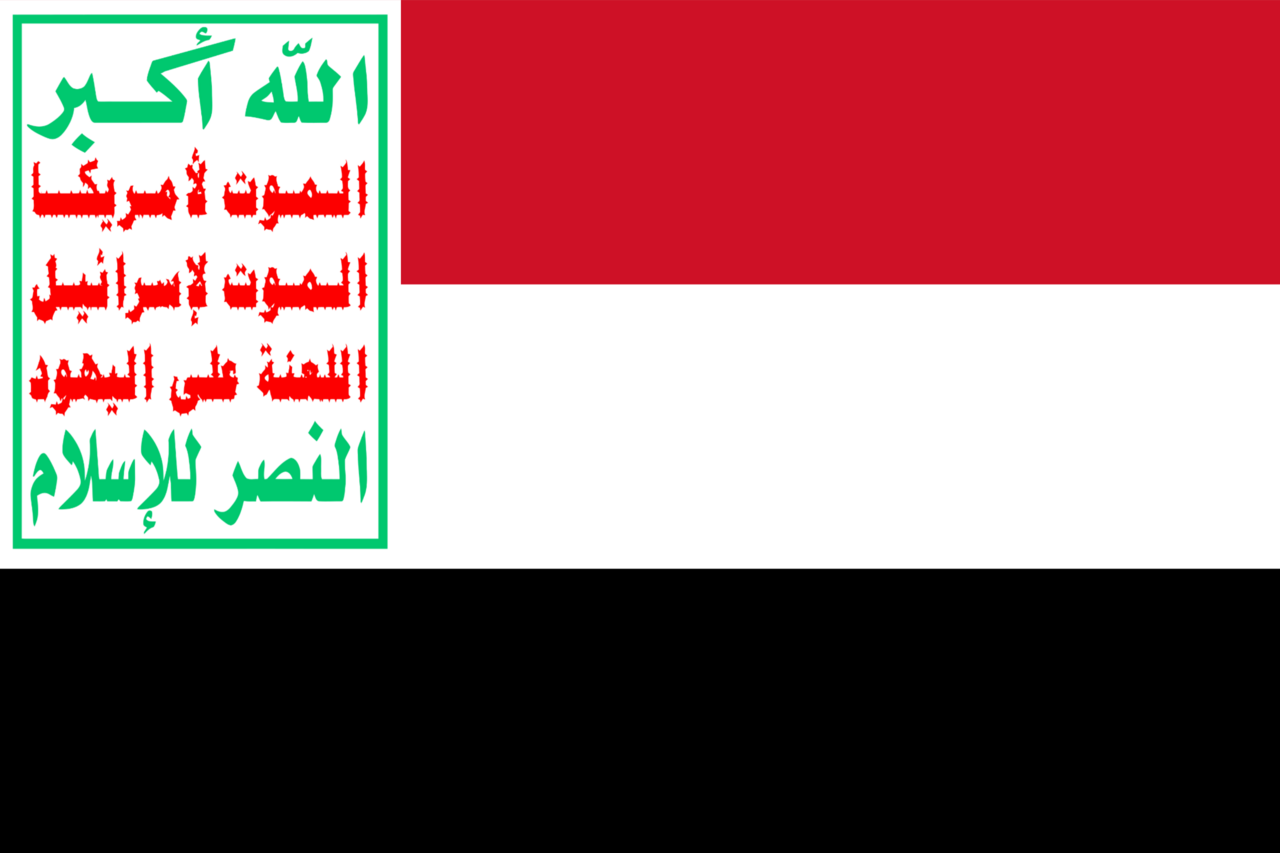
Tensions across the Arabian Peninsula have reached a critical point following claims from the Houthi militia group that they successfully targeted Saudi Arabia’s vital Ras Tanura oil refinery. The Iran-aligned faction, which controls significant territory in western Yemen, asserted that the attack resulted in significant fires at the massive industrial complex, which serves as the kingdom’s largest refining facility and sits adjacent to a major crude export terminal. Satellite imagery provided by international agencies corroborated the presence of thick black smoke above the installation, lending credence to the reports of the assault.
The Refinery Incident and Conflicting Reports
A source familiar with the situation confirmed that an attack had occurred on the sprawling refinery complex. This facility, which boasts a refining capacity of 550,000 barrels per day, is a crucial node in Saudi Arabia’s Gulf coast export network. While the Houthi spokesperson publicly claimed responsibility for the strike, neither the Saudi government nor the state energy corporation, Aramco, offered an immediate official response. In a separate statement, the Saudi-led coalition indicated that its air defenses successfully intercepted and destroyed four drones in the Eastern Province, though they did not confirm that the refinery itself had been struck.
Dual Threat: Attacks on Riyadh’s Financial Center
The aggression did not stop at the energy sector. The same Houthi spokesperson also announced that the group had carried out multiple assaults on Riyadh’s central financial district. This escalation highlights a strategic shift in the militia’s targeting. In the capital, Saudi civil defense reported that eleven individuals were injured during a strike on the towering headquarters of the Public Investment Fund, the nation’s sovereign wealth fund. This incident marks the second such attack on the landmark skyscraper in less than a week, following an earlier impact that caused structural damage but no injuries.
Regional Instability and Economic Fallout
These coordinated acts of aggression are part of a sustained campaign by the Houthi militia, which has been launching attacks against Saudi airports and critical infrastructure since the civil conflict in Yemen reignited in July. The ongoing instability, which is linked to broader regional geopolitical tensions, has already caused significant disruption. Previous attacks have forced Aramco to temporarily halt certain operations, necessitated the cancellation of numerous international flights into Riyadh, and led to the postponement of major regional events, including the AFC Asian Cup and a key investment conference.
The targeting of both essential oil infrastructure and the capital’s financial nerve center underscores the militia’s intent to inflict maximum economic and psychological damage. As the conflict continues to evolve, observers are watching closely to see how the Saudi state and its allies will respond to this renewed and multifaceted campaign of attacks.
