



World Views
Geopolitical Impasse: Saudi Arabia Pushes EU to Designate Houthi Movement as Terrorist Group
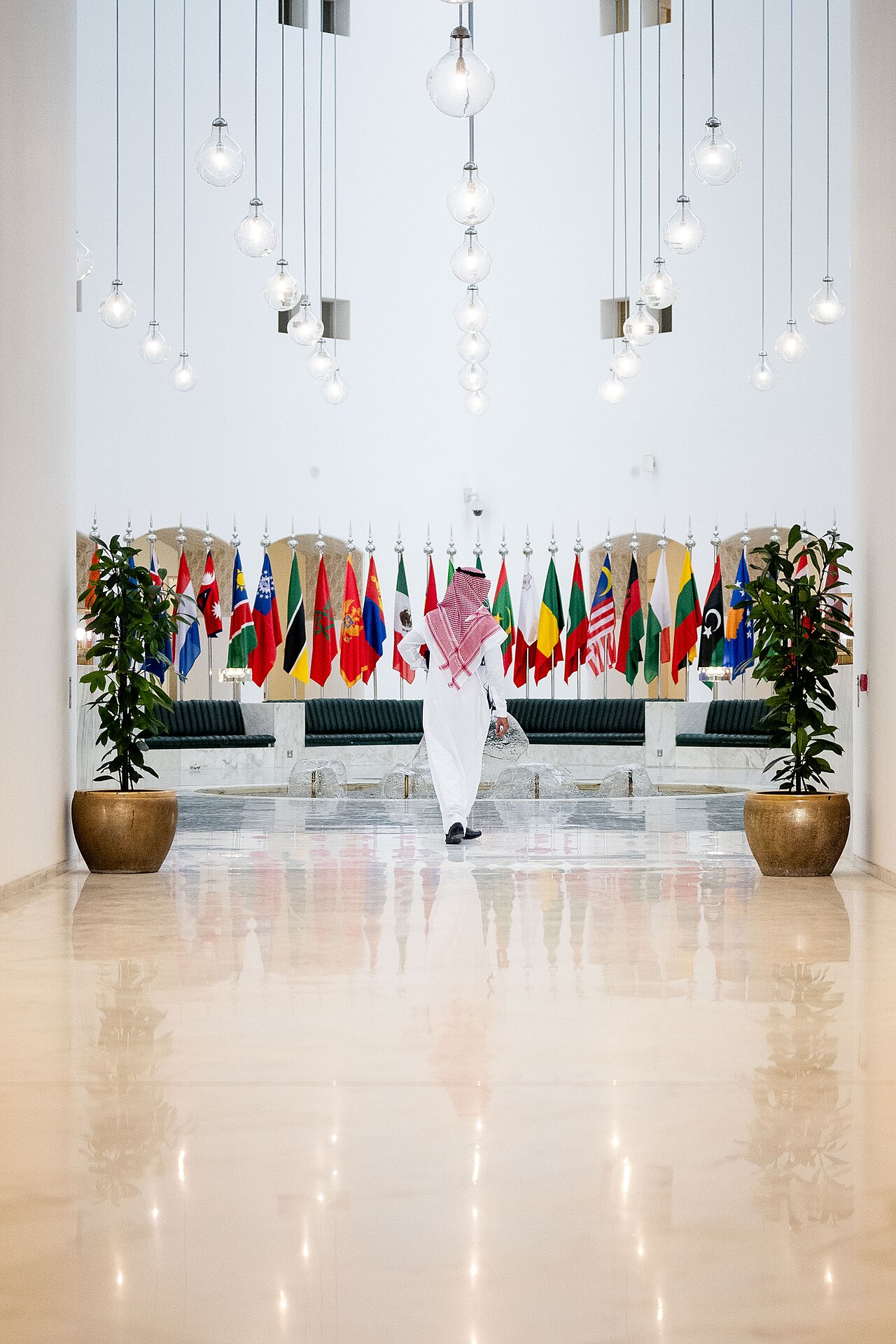
Riyadh is intensifying diplomatic efforts urging the European Union to formally classify Yemen’s Iran-supported Houthi movement as a terrorist organization. Despite this concerted pressure, the bloc remains significantly hesitant, citing serious concerns that such a designation could irrevocably jeopardize ongoing efforts to broker a lasting peace in the fragile nation. Six high-level European officials have confirmed that while the push is underway, the political hurdles are substantial, reflecting a deep division among member states.
The Diplomatic Tug-of-War
The Saudi campaign aims to elevate international scrutiny on the Islamist faction, which has recently conducted continuous assaults against the Kingdom following the resumption of hostilities that began more than a decade ago. Currently, the EU has already imposed sanctions on the Houthis, including freezing assets and enforcing an arms embargo against a specific group of commanders. Furthermore, the EU has designated Iran’s Islamic Revolutionary Guard Corps (IRGC), a primary benefactor of the group, as a terrorist entity. However, the bloc has stopped short of labeling the Houthis themselves, a step already taken by major Western allies such as Canada, Australia, and the United States.
Observers supporting the proscription of the Houthis often point to the group’s extremist ideology, highlighted by their notorious slogans. Saudi Arabia has spearheaded a military coalition against the organization on behalf of Yemen’s recognized government since the group displaced the legitimate administration from the capital city of Sanaa in 2014. While the European Parliament recently passed a resolution calling for the EU to adopt this tougher stance, senior analysts note that while European nations wish to express solidarity with Saudi Arabia, the practical impact of a designation remains limited.
Concerns Over Peace and Humanitarian Aid
The primary impediment to a unified EU decision is the fear that a formal terrorism listing would eliminate the limited diplomatic channels currently maintained with the group, thereby undermining any future European involvement in peace negotiations. Adding the Houthis to the global terror list requires the unanimous backing of all 27 member states, and officials indicated that support has been narrowly confined to a small fraction of the bloc. Moreover, experts warn that a designation could complicate the crucial work of humanitarian aid organizations operating within areas controlled by the Houthis, and could also prompt retaliatory attacks against European vessels near Yemen’s vital coastline.
This caution is amplified by the strategic importance of Yemen’s location, which borders the Red Sea and the Bab el-Mandeb Strait—a critical global shipping lane connecting Europe and Asia. Any disruption there could severely impact worldwide commerce. The conflict itself remains volatile; a truce established in 2022 collapsed earlier this year after the Houthis accused Riyadh of bombing the Sanaa airport, leading to ongoing cross-border military operations that have resulted in civilian casualties on both sides. The difficulty in reversing an EU terrorism designation, which requires unanimous support to lift, adds another layer of political complexity to the ongoing debate.
World Views
Escalating Wave of Attacks Targets Jewish Businesses in Montreal
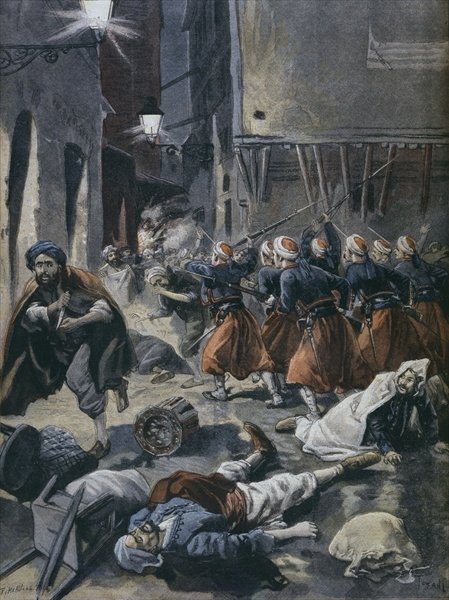
A troubling surge of vandalism and targeted attacks against Jewish-owned establishments has gripped Montreal, with a kosher bakery-restaurant being robbed and damaged for the third time in just one week. The incidents, which include smashed windows and suspected arson, have prompted concern within the local Jewish community and raised questions about the rising tide of hate crimes across Canada.
Recent Incidents Mark Disturbing Trend
The latest attack occurred at Schnitzels on Queen Mary Road, where the business was broken into and looted on Wednesday. The owner reported that thieves made off with between $700 and $800 in cash, in addition to personal records. This marks the third such incident in seven days, following damage at Pizza Pita Prime and a series of destructive acts at Mimimelon, a kosher bakery in Ville St-Laurent.
The escalation is stark. Two days prior to the Schnitzels incident, Pizza Pita had its storefront window shattered. Furthermore, Mimimelon experienced two separate fire incidents; one a deliberate fire that was quickly extinguished, and a second that resulted in the complete destruction of the premises. Police authorities confirmed their hate crime unit and arson squad are currently investigating these fiery events.
Community Reaction and Historical Context
The owner of Schnitzels expressed profound distress over the pattern of events, noting that while he could not definitively attribute the damage to antisemitism, the frequency of attacks was alarming. These recent events draw sharp parallels to historical atrocities, notably Kristallnacht, the 1938 Nazi pogrom, which occurred on the anniversary of the first window smashing at Pizza Pita.
The pattern of targeted violence is not confined to Montreal. Earlier this year, the kosher dairy restaurant Nöam burned down in Décarie Boulevard, and similar incidents were reported in Toronto, demonstrating a widespread regional threat. B’nai Brith Canada has highlighted the growing severity of the issue, documenting a near tripling of violent antisemitic incidents in the first half of 2026 compared to the previous year.
Broader Canadian Concerns
These local events reflect a broader national trend. Data from last year indicated that over two-thirds of all religion-motivated hate crimes in Canada were directed at Jewish individuals, despite the Jewish population constituting only one percent of the country’s residents. Authorities are currently reviewing the evidence from the Schnitzels robbery, though no arrests have been made. Experts suggest that while localized incidents are deeply painful, they are symptomatic of a larger, intensifying challenge to the safety and security of minority communities across the country.
World Views
Barcelona Ice Cream Shop Defies Hate, Highlighting Surge in Spanish Antisemitism
A small, international ice cream enterprise in Barcelona is refusing to surrender to a rising tide of hostility, standing firm despite repeated acts of antisemitic vandalism. The shop, owned by an Israeli family, was recently targeted in the Gràcia district with anti-Jewish graffiti, prompting the owner to publicly pledge that the business will continue to operate openly, proudly maintaining its Israeli heritage amidst a growing climate of intolerance across Spain.
Defiance Amidst Vandalism
The targeted business, Anita, an internationally recognized Israeli brand, had its exterior defaced by unknown assailants with slogans and anti-Israel markings. The attacks are not isolated; the Jewish-owned establishment, which began its Barcelona operations in 2021, has faced repeated intimidation over the last three years. Following the severe events that occurred in Israel on October 7th, 2023, the hostility directed at the city’s Jewish community has significantly escalated.
The owner, Adi Avital, issued a statement asserting that the company will not conceal its origins or withdraw from the neighborhood. He stressed the importance of maintaining open doors to all patrons, regardless of their background. Avital declared that while the graffiti itself could be removed, the company’s foundational identity could not be erased, vowing to continue showcasing Israeli creativity and strengthening its global presence.
A National Crisis of Intolerance
The incident at Anita underscores a wider, alarming trend in Spain. Experts warn that the rise in antisemitic and anti-Zionist rhetoric has transcended mere social friction, often being legitimized and promoted by political entities. Official reports indicate a sharp increase in anti-Jewish incidents across the country. Data compiled by community organizations reveals that reported hate crimes climbed by 14.5 percent in the most recent year, reaching 221 instances nationwide.
The Digital Threat and Political Fallout
The escalating threat is not confined to physical vandalism. Earlier this year, Jewish community members raised alarms over a publicly accessible online map, known as Barcelonaz. This digital project, created by an unidentified group, cataloged over 150 Jewish-owned and Israeli-linked entities throughout Spain, drawing comparisons to historically dark antisemitic practices. Despite protests and legal objections, the map’s creators relaunched the database, specifically retaining listings for Israeli businesses. The situation has drawn intense scrutiny towards the country’s political leadership, with some Jewish and political figures criticizing the government for contributing to the growing wave of hostility.
The resilience of small businesses like Anita serves as a powerful symbol of resistance against a social and political environment where hate is increasingly normalized.
World Views
The Commercial Triumph of Hanukkah: How a Festival Became a Central Pillar of the American Holiday Season
In the contemporary American marketplace, the celebration of Hanukkah has achieved a level of commercial prominence rarely seen in traditional religious holidays. What began as a localized observance has transformed into a massive retail spectacle, characterized by elaborate decorations and widespread merchandising. Recent observations highlight the sheer scale of this cultural phenomenon, where themed toys, oversized inflatables, and diverse decorative items are now ubiquitous, creating an extensive period of anticipation that spans weeks before Christmas.
The Modern Retail Spectacle
The modern Hanukkah shopping experience is described as a vibrant ‘hunt,’ with retailers offering an astonishing range of products. From musical dreidel figures that play traditional tunes to intricate garlands featuring shimmering symbols, the variety is immense. This trend reflects a successful cultural shift, where the eight nights of the holiday have been expanded into a season of sustained festive engagement. Retailers have invested heavily in making the holiday visible, moving it far beyond the confines of private Jewish homes and into the mainstream consumer landscape.
Historical Roots of Visibility
This heightened visibility is not a sudden development; it is the result of generations of cultural integration. Historians note that the holiday’s prominence in American life owes a significant debt to the pervasive influence of Christmas. When Jewish immigrants arrived in the United States during the late 19th and early 20th centuries, they encountered a society deeply immersed in the customs of December gift-giving and holiday consumption. Early Jewish publications and advertisers played a crucial role in adapting Hanukkah to fit this burgeoning American consumer culture.
Early advertisements showcased a growing market for Hanukkah gifts, adapting American vocabulary and promoting items ranging from dolls to dental products. Furthermore, the Americanization extended into culinary traditions. Initial promotions offered simplified methods for preparing traditional potato pancakes, adapting complex recipes that historically relied on specific rendered animal fats. These early efforts laid the groundwork for the modern, highly visible holiday.
The Calendar Conundrum
The increasing closeness of the Jewish calendar to the widely celebrated December holidays presents a unique cultural dynamic. As Hanukkah begins closer to Christmas, observers note a sense of shared, simultaneous celebration. However, this proximity also creates a noticeable ‘calendar mismatch.’ As the holiday concludes, the cultural intensity often gives way to a rapid shift in focus, leaving behind the remnants of the celebration—like unused festive candles and half-finished food items—as the national countdown to Christmas intensifies.
Despite the transient nature of the holiday’s intense focus, the traditions continue to evolve. The celebratory spirit proves resilient, with modern families adapting ancient customs into highly contemporary, personalized displays. This ongoing evolution demonstrates Hanukkah’s successful and permanent establishment within the broader tapestry of American winter festivities, proving that its journey has moved significantly beyond its original, more modest origins.
