


Uncategorized
A ‘Yiddish Vokh’ for nerds — but without the families
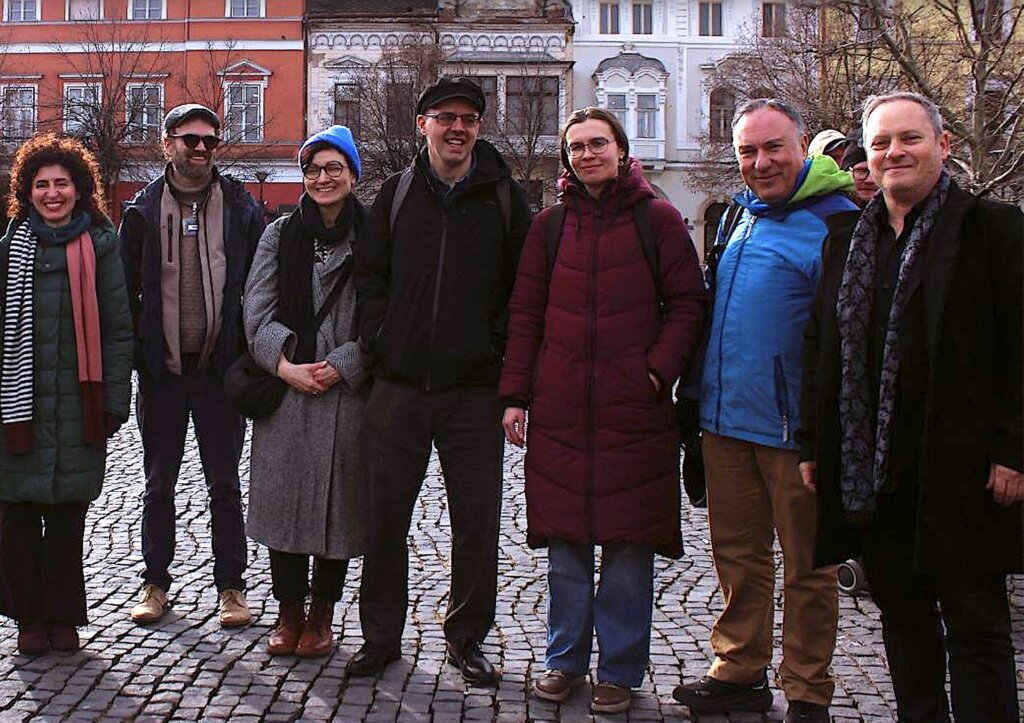
דעם 9טן ביזן 16טן פֿעברואַר איז אין קלויזנבורג, רומעניע פֿאָרגעקומען די ערשטע אינטענסיווע ייִדישע ווינטער־פּראָגראַם געווידמעט דער טעמע ייִדיש אין געוועזענעם מיזרח־בלאָק, ד״ה אין ראַטן־פֿאַרבאַנד, פּוילן, און רומעניע אין דער קאָמוניסטישער תּקופֿה. אַן אינטענסיווע ייִדיש־פּראָגראַם מיט אַזאַ טעמע, וווּ מע לערנט סאָוועטיש ייִדיש און אָרטאָגראַפֿיע, איז נאָך קיין מאָל נישט געווען, אויף וויפֿל איך ווייס — לכל־הפּחות נישט זײַט דער ראַטן־פֿאַרבאַנד האָט צוגעמאַכט דאָס געשעפֿט אין 1991.
איבער 70 ייִדישיסטן, ייִדיש־פֿאָרשערס און אַוואַנסירטע סטודענטן האָבן זיך פֿאַרזאַמלט אויפֿן קאַמפּוס פֿון באַבש־באָלײַ־אוניווערסיטעט, וואָס איז דער גרעסטער אין רומעניע און דער איינציקער, וווּ מע לערנט ייִדיש. די פּראָגראַם איז באַשטאַנען פֿון לעקציעס, וואַרשטאַטן, קאָנצערטן, וויזיטן אין מוזייען און בתּי־כּנסיות, אַ נסיעה קיין סאַטמאַר און שאַמלוי, ווי אויך אַן אַקאַדעמישע קאָנפֿערענץ מיט 12 רעפֿעראַטן — אַלץ אין גאַנצן אויף ייִדיש.
מע קען זאָגן, אַז די אונטערנעמונג איז געווען אַ מין „ייִדיש־וואָך“ פֿאַר נערדס — אָבער אָן די משפּחות.
די באַטייליקטע זענען געקומען פֿון אַ סך אייראָפּעיִשע לענדער, צפֿון־אַמעריקע און ישׂראל. דער פּוילישער קאָנטינגענט איז געווען ספּעציעל אָנזעעוודיק (כּן ירבו!). איך האָב באַמערקט, אַז אַפֿילו צווישן די אַמעריקאַנער און ישׂראלים האָבן אַ סך מענטשן געהאַט אַ „סאָוועטישן“ הינטערגרונט, ווײַל זייערע טאַטע־מאַמע זענען געקומען פֿון דאָרט. אין אַ געוויסער מאָס איז די פּראָגראַם געווען אַ סאָרט צוזאַמענטרעף פֿון לאַנדסלײַט.
ווי אַזוי האָט מען צוגעצויגן איבער 70 ייִדישיסטן קיין קלויזנבורג, רומעניע? קודם־כּל, איז די פּראָגראַם געווען כּמעט בחינם. מע האָט באַצאָלט בלויז $10 אַ האָטעל־צימער און זייער ווייניק פֿאַר אַן עקסקורסיע און אַנדערע קלייניקייטן, אָבער בעצם איז עס געווען פֿרײַ, אַ דאַנק די צוויי אוניווערסיטעטן, וואָס האָבן אָרגאַניזירט די פּראָגראַם בשותּפֿות: בר־אילן אוניווערסיטעט אין ישׂראל און באַבש־באָלײַ־אוניווערסיטעט אין רומעניע.
זיי האָבן, למשל, געדעקט כּמעט אַלע הוצאָות און באַזאָרגט די באַטייליקטע מיט קאַווע און כּיבוד אין די הפֿסקות. בכלל קאָסט דאָס לעבן אין רומעניע ווייניקער ווי אין מערבֿ־אייראָפּע אָדער אין ישׂראל. האָבן די אָנטייל־נעמער געלעבט אַזוי ווי אינעם באַקאַנטן ליד „רומעניע“ פֿון אַהרן לעבעדעוו: „פֿון קיין דאגות ווייסט מען ניט…“
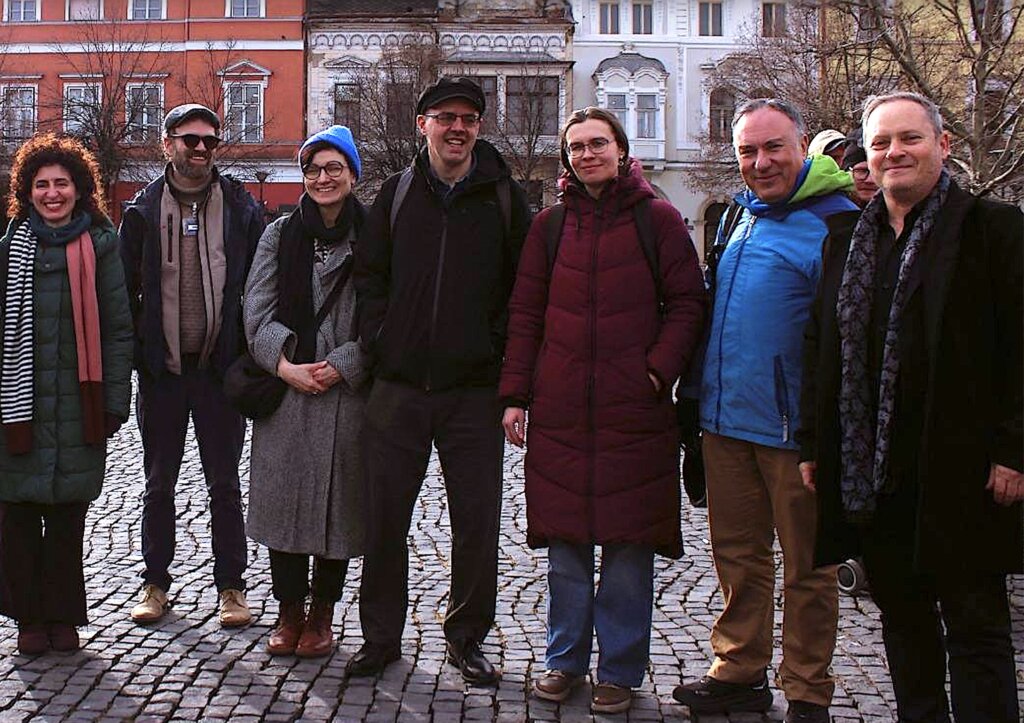
דעם פּלאַן פֿאַר דער בשותּפֿותדיקער פּראָגראַם האָט בער קאָטלערמאַן אויסגעאַרבעט צוזאַמען מיט אַוגוסטאַ קאָסטיוק ראַדאָסטאַוו. געהאָלפֿן אָרגאַניזירן האָבן אויך ענת אַדרת און חנה גינזבורג־פּאַלעי, ווי אויך פֿיליפּ שוואַרץ. אין דער פּראָגראַם האָבן אויך געלערנט דאַשאַ וואַכרושאָוואַ, מיכאל לוקין, סאַשאַ פּאָליאַן, קאַראָלינע שימאַניאַק און אַני הקטן.
ס׳איז געווען צו באַוווּנדערן, אַז די גאַנצע פּראָגראַם איז פֿאָרגעקומען אין גאַנצן אויף ייִדיש, אַפֿילו לעקציעס וועגן שווערע ליטעראַרישע און היסטאָרישע טעמעס. דאָס איז בלויז געווען מעגלעך דערפֿאַר, ווײַל די פּראָגראַם איז געווען געצילט, דער עיקר, אויף אַוואַנסירטע ייִדיש־קענערס. מע האָט אויך אַרײַנגענומען מיטעלע סטודענטן, אָבער נישט קיין אָנהייבערס. דאָס האָט אַלעמען באַפֿרײַט פֿון דער געוויינטלעכער טירחה פֿון באַפֿרידיקן די אָנהייבערס מיט ענגליש־שפּראַכיקע לעקציעס, אונטערנעמונגען, און דערקלערונגען. מע האָט יאָ פֿון צײַט צו צײַט געהערט גוייִשע שפּראַכן, ווי למשל ווען מענטשן פֿון דעם זעלבן לאַנד האָבן גערעדט צווישן זיך. אָבער בדרך־כּלל האָבן אַלע פּראָבירט צו רעדן בלויז ייִדיש.
פֿון די 1920ער ביז די 1940ער יאָרן האָבן ייִדישע קאָמוניסטן געשאַפֿן אַ וויכטיקן חלק פֿון דער ייִדישער קולטור און ליטעראַטור. אַ סך פֿון די בעסטע ייִדישע שרײַבערס זענען געווען קאָמוניסטן, אָדער האָבן לכל־הפּחות סימפּאַטיזירט מיט זיי און געשריבן פֿאַר „לינקע“ פּובליקאַציעס. עס איז אַן אומיושר, וואָס דער הײַנטיקער עולם פֿאַרקוקט די קינסטלערישע אויפֿטוען פֿון די קאָמוניסטן בלויז דערפֿאַר וואָס זיי זענען געווען שטאַרק נאַיִוו און זענען אַרײַנגעפֿאַלן אין אַ פּאַסטקע. די טראַגעדיע פֿונעם 12טן אויגוסט 1952, ווען דער רעזשים האָט דערמאָרדעט וויכטיקע סאָוועטשע שרײַבערס און קולטור־טוערס, האָט געוואָרפֿן אַ שאָטן אויף דער גאַנצער תּקופֿה — אָבער די ייִדישע שרײַבער האָבן דאָס נישט פֿאַרדינט.
איין פּראָבלעם מיט דער קאָנפֿערענץ איז געווען וואָס געוויסע אַקאַדעמישע לעקציעס האָבן געדויערט 90 מינוט. דאָס איז געווען ניט גרינג אַפֿילו פֿאַר אַוואַנסירטע סטודענטן. צוריקגערעדט, וואָס איז דאָ ייִדיש ערגער פון אַנדערע שפּראַכן, אויף וועלכע מע האַלט אַקאַדעמישע לעקציעס?
אַ טשיקאַווער צוגאָב צו דער פּראָגראַם איז געווען אַ קורצער פֿילם אויף ייִדיש געשאַפֿן פֿון עטל ניבאָרסקי, פֿאַרבונדן מיט די סאָוועטיש־ייִדישע שרײַבערס. עס איז אַ שיין ראָמאַנטיש בילד — אָבער איך וויל נישט אויסזאָגן קיין סודות, ווײַל יעדער איינער דאַרף זען דעם פֿילם פֿאַר זיך אַליין.
בײַ די מערסטע באַטייליקטע איז דאָס געווען דאָס ערשטע מאָל וואָס זיי זענען געקומען קיין קלויזנבורג. זי איז אַ שיינע אַלטע שטאָט מיט אַ סך פּרעכטיקע גאַסן און הײַזער פֿון די עסטרײַך־אונגערישע צײַטן. ס׳איז די צווייט־גרעסטע שטאָט אין רומעניע און האָט אַ סך גוטע רעסטאָראַנען און קאַווע־הײַזער, וווּ מע קען פֿאַרברענגען די איבעריקע שעהען.
כאָטש רומעניע האָט פֿאַר דער צווייטער וועלט־מלחמה זיך נישט גערעכנט פֿאַר קיין גרויסן ייִדיש־צענטער, זעען מיר הײַנט אײַן, אַז זי האָט געהאַט אַ חשובֿ אָרט. ערשטנס, האָבן מער ייִדן איבערגעלעבט די מלחמה אין רומעניע ווי אין פּוילן, ליטע אָדער אונגערן, ווײַל רומעניע האָט נישט דעפּאָרטירט אירע ייִדן קיין אוישוויץ. (אין קלויזנבורג האָט מען זיי יאָ דעפּאָרטירט, ווײַל די שטאָט האָט ווידער געהערט צו אונגערן צווישן 1940 און 1944.)
אַ סך ייִדן איבער דער וועלט שטאַמען פֿון רומעניע, אַרײַנגערעכנט באַקאַנטע חסידישע הויפֿן, ווי סאַטמאַר, וויזשניץ, קלויזנבורג, סקולען, ספּינקע און קרעטשניף. אַ טייל פֿון די חסידים האַלטן זיך פֿאַר „אונגערישע“ ווײַל אַ מאָל איז דאָס געווען אונגערן, אָבער לויט דער הײַנטיקער מאַפּע זענען זיי רומענישע. דער אונטערלענדישער דיאַלעקט, וואָס מע האָט גערעדט אין מערבֿ־רומעניע, איז דער יסוד פֿונעם חסידישן ייִדיש וואָס מע רעדט הײַנט.
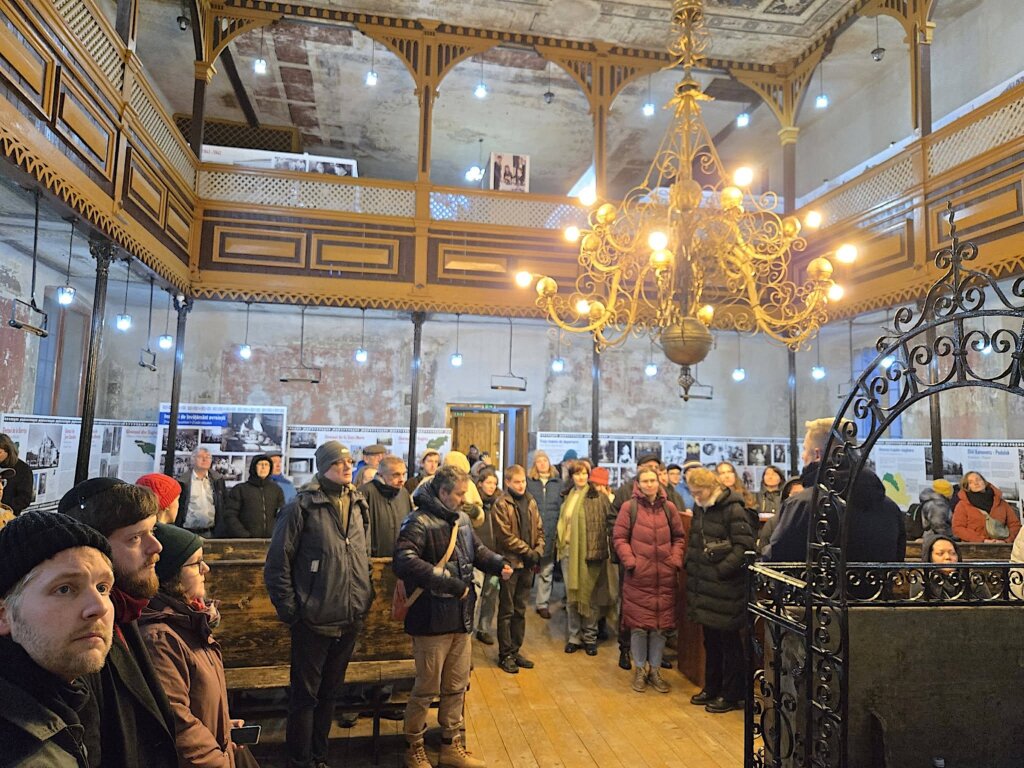
דעם פֿאַרלעצטן טאָג האָט מען געמאַכט אַן עקסקורסיע קיין סאַטמאַר (Satu Mare), וואָס געפֿינט זיך נאָענט צו דער אונגערישער גרענעץ. איין באַטייליקטער, אַסף קירשנער, האָט באַמערקט: „דער בעסטער אופֿן זיך אויסצולערנען ייִדיש איז צו זיצן דרײַ שעה אין אַן אויטאָבוס קיין סאַטמאַר צוזאַמען מיט ייִדישיסטן, וואָס הערן נישט אויף צו רעדן.“ אין דער גרויסער שול פֿון סאַטמאַר האָבן מיר באַגעגנט אַ גרופּע סאַטמאַרער חסידים, געקומענע פֿון לאָנדאָן, וואָס האָבן געהאַלטן אין דאַווענען שחרית. פֿאַר די חסידים איז געווען אַ חידוש צו זען אַ גרופּע פֿון זיבעציק מענטשן, מענער און פֿרויען אָנגעטאָן ווי גויים, וואָס רעדן אַלע ייִדיש.
די איינציקע צרה איז געווען אַן ענין מיט דער באַהייצונג. דער עולם האָט געהערט עטלעכע לעקציעס אינעם אָרטיקן בית־מדרש, וואָס איז נישט געווען באַהייצט. האָבן אַלע שוין געטראָגן די מאַנטלען די גאַנצע צײַט.
מיר האָבן געזען די שטאָט סאַטמאַר מערסטנס דורכן פֿענצטער פֿון אויטאָבוס, ווײַל עס האָט די גאַנצע צײַט גערעגנט. אָבער דאָס באַגעגעניש מיט די סאַטמאַרער חסידים האָט זייער שיין אילוסטרירט אונדזער פּראָגראַם: אַ וואָך אין דער סאָוועטיש־ייִדישער אוטאָפּיע. (דאָס איז סײַ איראָניש געמיינט, סײַ נישט איראָניש.)
„דאָס איז געװען אַן אויסערגעװיינטלעכע אָקאַזיע צו פֿאַרברענגען מיט מענטשן פֿון דער גאָרער ייִדישער װעלט,“ האָט אַ באַטייליקטער, בנימין לערמאַן, פֿון בערקלי, קאַליפֿאָרניע, צוזאַמען מיט זײַן ברודער, עריק, מיר געשריבן אין אַ בליצבריוו. „כאָטש איך בין נישט קיין אַקאַדעמיקער און האָב פֿריִער נישט געהאַט קיין ספּעציעלן אינטערעס צו סאָװעטישע ענינים, איז דער אינהאַלט געװען אינטערעסאַנט און האָט אין מיר אָנגעצונדן אַ חשק װײַטער צו לייענען די סאָװעטישע שרײַבער.“
„מע האָט זיך אױפֿגעכאַפּט מיט ייִדיש, זיך געלייגט שלאָפֿן מיט ייִדיש, אַפֿילו געחלומט אױף ייִדיש,“ האָט געזאָגט אַ צווייטער באַטייליקטער, טאָמעק מײַטשאַק, פֿון וואַדאָוויצע, פּוילן. און תּפֿארת פֿרומקין, פֿון ירושלים, האָט אַפֿילו געזאָגט, אַז אויף דער פּראָגראַם איז זי געווען אַזוי אײַנגעטונקען אין ייִדיש, אַז נאָך דעם, אויפֿן פֿליפֿעלד, האָבן אַלע פֿרעמדע שפּראַכן איר געקלונגען ווי ייִדיש.
The post A ‘Yiddish Vokh’ for nerds — but without the families appeared first on The Forward.
Uncategorized
ICE targets an anti-Israel protester — this time, a Hasidic Jew
(JTA) — Yehonatan Ovadia, an Orthodox Jew from the anti-Zionist Satmar Hasidic sect, has joined a number of protests around New York and New Jersey against Israel.
Now, he’s at risk of being deported there.
Ovadia, 35, is originally from Israel and moved to the U.S. on a temporary religious worker visa in 2022, according to the text of a lawsuit requesting Ovadia’s release. His legal status in the U.S. was revoked earlier this year in connection with a November 2023 protest that he attended during which an Israeli flag was taken down from the town hall of Ramapo, New York. Ovadia said he was there but did not tear down the flag, and hate crimes charges against him were dropped.
But after a request to extend his stay in the United States was denied on the grounds of that protest, according to government documents shared with JTA, Ovadia was detained by the Immigration and Customs Enforcement agency in August, and remains in ICE custody in New York.
“In violation of our nation’s laws, he overstayed his welcome and refused to depart,” a spokesperson for the Department of Homeland Security told the Jewish Telegraphic Agency. “He will receive due process and remain in ICE custody pending the outcome of his immigration proceedings.”
ICE’s nationwide surge affected the area’s Jewish community earlier this year when the agency detained Ari Ladino, a Jewish bridal shop owner in Teaneck, New Jersey, and his mother. Both are originally from Bogota, Colombia.
Ovadia’s arrest by ICE comes as President Donald Trump’s administration has cracked down on pro-Palestinian activism, including with last year’s high-profile detention of Mahmoud Khalil, a prominent pro-Palestinian protest leader at Columbia University. The administration has accused Khalil and other pro-Palestinian activists and campus protesters of antisemitism.
Such an accusation would be particularly fraught against Ovadia, who is Jewish and holds anti-Israel views for religious reasons. Satmar Jews believe that a state of Israel cannot be established before the arrival of the Messiah.
In a lawsuit filed in August requesting Ovadia’s release, his lawyers argued that the Trump administration was penalizing him for protected speech motivated by religious beliefs. The government took “an official position,” Ovadia’s lawyers wrote, by preferring “one religious position within Judaism and [penalizing] an adherent of another.”
Unlike many Satmar Jews, who oppose Israel but are not active in political pro-Palestinian spaces, Ovadia has protested against Israel a number of times, including alongside members of the pro-Palestinian Hasidic group Neturei Karta.
His lawyer, Eric Lee, shared a statement from Ovadia on Wednesday after The New York Times broke the story of his detention: “From the Jewish people to our Palestinian brothers and sisters in Gaza and the West Bank and all over occupied Palestine! We didn’t forget from you! We are following you and we know that you are facing genocide! Please be strong and continue to believe!
“We know that the Zionist criminal war machine [is] torturing you every day and they want to silence you!” Ovadia said in his statement. “BUT we will be your voice! We will SHOUT AND DEMONSTRATE for you from New York, Washington, Canada, London and from every place that we can be free in the world!”
Chris Godshall-Bennet, another lawyer representing Ovadia, told JTA that the timeline on his client’s possible deportation is unclear, but the government designated Israel as “the location to which they would try to deport him” during a hearing on Wednesday morning.
Ovadia was one of two Hasidic men arrested in 2023 after a larger group protested outside Ramapo’s town hall, where an Israeli flag had been mounted a month earlier, shortly after Hamas’ Oct. 7 attacks. Surveillance footage showed at least four men removing the flag and then cutting it up with scissors, according to the U.S. Citizenship and Immigration Service’s notice of denial to Ovadia. He denied having any role in removing the Israeli flag or knowing ahead of time that his companions would do so.
He was arrested and charged with criminal mischief, petit larceny and conspiracy, all as hate crimes. The hate crime charges were dropped and in February 2024 he pleaded guilty to disorderly conduct, according to his lawsuit, resulting in a $200 fine plus an additional $125 charge.
“I said, ‘You know, I don’t have power, I’m out of money, I have no time, I am a teacher, I need to teach students every day,’” he told the Times. “‘Let’s end this with disorderly conduct.’”
With his religious worker visa set to expire in November 2025, Ovadia applied for a new visa in September, sponsored by Congregation Bnai Yoel in New York’s Orange County, according to USCIS denial notice. USCIS did not deny the request for the work visa, and said that Ovadia was not found to be “inadmissible” for a “conviction or commission of a crime involving moral turpitude.” But the federal agency did not approve the request either, and denied Ovadia an “extension of stay” in the country “as a matter of discretion,” citing the 2023 protest; without an extension of stay, Ovadia had no legal status in the U.S. following his visa’s November expiration.
The DHS said that it is “a privilege to be granted a visa or green card to live in the United States of America.”
“The Trump Administration acted well within its statutory and constitutional authority, as it does with any alien who advocates for violence, glorifies and supports terrorists, harasses Jews, and steals property,” DHS wrote.
This article originally appeared on JTA.org.
The post ICE targets an anti-Israel protester — this time, a Hasidic Jew appeared first on The Forward.
Uncategorized
French far-right leader accused of antisemitism, defended by Israeli minister
(JTA) — A French far-right leader is battling antisemitism allegations days after his party made historic gains in the country’s Senate elections — and an Israeli cabinet minister has come to his defense.
Jordan Bardella, the president of France’s nationalist, anti-immigration National Rally, came under fire this week for accusations that he made antisemitic remarks in private messages.
The controversy arose after the National Rally, whose leaders have sought to distance the party from the antisemitic roots of its founders, jumped to at least 14 seats in the French Senate elections on Sunday. The results meant the party and its allies surpassed the 10-seat threshold to form a parliamentary group in the upper house for the first time.
The Senate will remain controlled by a traditional conservative and center-right alliance, though that bloc lost several seats. The National Rally’s progress will give it more funding and better representation in leadership roles and committees.
Mediapart, a left-leaning French investigative outlet, reported on Monday that Bardella years ago allegedly sent antisemitic statements, including messages that said “all the banks are owned by Jews” and “the Jew must dominated (sic) other peoples, crush them and rob them, a Zionist is necessarily and profoundly Jewish.”
The messages were allegedly sent between 2013 and 2015, during Bardella’s early years in the party, then called the National Front. He joined the party in 2012 at age 16.
Israeli Diaspora Affairs Minister Amichai Chikli, who invited Bardella to a Jerusalem conference on antisemitism in 2025, defended him against the allegations. He told the Jewish Telegraphic Agency that he knows Bardella personally and that they are in regular contact.
Even if the quotes attributed to Bardella were authenticated, Chikli said, “a man is not sealed at 17. What matters is the 15 years that followed, and the man he became.”
Chikli referenced Bardella’s visit to the sites where Hamas killed Israelis on Oct. 7, 2023. He said that Bardella spoke in Jerusalem “against antisemitism and against anti-Zionism” and opposed President Emmanuel Macron’s decision to recognize a Palestinian state.
“No one will convince me that Jordan Bardella hates the Jewish people or the Jewish state,” said Chikli. “Just as no one will convince me that Emmanuel Macron respects them.”
Mediapart, which has a history of exposing political scandals, said it independently authenticated Bardella’s alleged conversations and drew them from a larger base of evidence corroborated by witness accounts. JTA has not independently verified the messages.
Bardella said on X that the alleged conversations were “blatant falsehoods” designed to undermine the National Rally ahead of France’s presidential election in April 2027. Marine Le Pen, the National Rally’s presidential candidate, is polling in first place as Macron prepares to step down because of term limits.
Mediapart, which has a history of exposing political scandals, said it independently authenticated Bardella’s alleged conversations and drew them from a larger base of evidence corroborated by witness accounts. The Jewish Telegraphic Agency has not independently verified the messages.
Bardella said on X that the alleged conversations were “blatant falsehoods” designed to undermine the National Rally ahead of France’s presidential election in April 2027. Marine Le Pen, the National Rally’s presidential candidate, is polling in first place as Emmanuel Macron prepares to step down because of term limits. Le Pen and Bardella have led the National Rally as a duo, and Bardella was set to be the party’s candidate until a July court ruling, which upheld criminal financial charges against Le Pen while also lifting a ban on her seeking public office. She has said she would name Bardella prime minister if she wins.
Bardella also said at a parliamentary meeting on Tuesday that he plans to take legal action against Mediapart, including possible complaints for forgery and forged documents, and accused the outlet of waging “total war” against his party. Le Pen, sitting next to Bardella, said that she had “absolute confidence” in him.
Israel’s Chikli said on social media that he and Bardella had common enemies. “Like the leftists in Israel, the leftists in France are experts at character assassination,” he said in his post, sharing a photo of himself shaking hands with Bardella at the Nova massacre site.
Chikli has cultivated ties between the Israeli government and European far-right parties, including others that have been criticized for histories of antisemitic and neo-Nazi figures in their ranks, such as Vox in Spain and the Sweden Democrats in Sweden.
Bardella, the National Rally and Chikli did not immediately respond to JTA requests for comment.
Chikli and Bardella both also accused Mediapart of a left-wing agenda. They each noted that the outlet’s co-founder, Edy Plenel, expressed sympathy in 1972 for the Palestinian militant group Black September, which killed 11 Israelis in a terrorist attack at the Munich Olympic Games that year. Plenel later disavowed those comments, which he said he made when he was 20.
Michel Wieviorka, a Jewish French sociologist who researches racism and extremism, told JTA that the antisemitism allegations strike at the heart of the National Rally’s aim to prove their “respectability.”
Le Pen has sought for over a decade to detoxify the party’s image. In 2015, she expelled from the party her father Jean-Marie Le Pen, a co-founder of the National Rally in 1972 who was repeatedly convicted of hate speech and Holocaust denial. Another founder and early leader of the party was Pierre Bousquet, who formerly served in the Nazi Waffen-SS.
Today, support for Israel has become key to the National Rally’s avowed renunciation of its antisemitic past.
“The strategy of [Bardella’s] party is to appear as the best friend of Jews, and Israel,” said Wieviorka.
Bardella invoked his visit to Israel in his denial of the alleged antisemitic messages.
“Since I began my political engagement, I have never had any ambiguity on the subject of the fight against antisemitism, to the point of being received, in 2025, by the Israeli government,” he said on X.
Meanwhile, French Foreign Minister Jean-Noël Barrot said on X that the accusations against Bardella revealed “the true face of the far right.”
“To all those with short memories: antisemitism is not a slip-up for the [National Rally], it is the history of this party,” said Barrot.
The post French far-right leader accused of antisemitism, defended by Israeli minister appeared first on The Forward.
Uncategorized
In a time of uncertainty, European Jews renovate synagogues and dedicate Torah scrolls
(JTA) —
Getting a “200-year-old lady” ready for a major debut is quite a task. But in Vienna, the Jewish community’s historic main synagogue made it just in time for the Jewish New Year.
The “lady” — Vienna’s stately Stadttempel synagogue, or City Temple — has been rededicated after more than a year of top-to-bottom renovations, from floors to windows, to the heating and cooling systems, from safety features to restroom facilities. The job cost more than 10 million euros, or $11.3 million.
The synagogue was “still beautiful but has its signs of age,” Rabbi Jaron Engelmayer told the Jewish Telegraphic Agency in a phone interview. “And it wasn’t adequate for some matters of today.”
“The whole concept was sticking to what it was and still is, but it has a new face,” said Engelmayer, who has been chief rabbi of Vienna’s Jewish community since 2020. The Orthodox congregation also inaugurated a new Torah scroll in ceremonies Sept. 15. Parts of it incorporated earlier manuscripts “written in the old synagogue of the Middle Ages in Vienna,” making it a bridge to history, he said.
Large and small, Jewish communities in Europe are marking the season of renewal in concrete ways at a time of uncertainty seeded by antisemitism and anti-Israel sentiment. In Budapest, the historic Rákospalota synagogue — used as a library warehouse for decades — recently held its first service in its renovated premises. And a 15-member Jewish prayer group in Leipzig has welcomed its first Torah scroll, on a 99-year loan.
All are looking to the future, whether fixing a hole in the roof or dedicating a holy book.
“Jews by definition have to be optimistic,” said Rabbi Pinchas Goldschmidt, head of the Munich-based Conference of European Rabbis, which represents some 800 Orthodox Jewish communities.
“They have no other choice. And having said that, if in the past there was a tendency to say, ‘okay, the situation is bad over here, let’s go somewhere else,’ today, wherever you look, the situation is not good,” he said.
Taking action is more constructive than regretting current circumstances, said Rabbi Elisa Klapheck, head of Germany’s non-Orthodox General Rabbinical Assembly, which has 45 member rabbis. “We can lament antisemitism, we can lament attacks on Jewish communities, but that doesn’t help us,” she said. “So I think on a smaller scale, but maybe a much more resilient scale, the chagim [holidays] have shown that there was a positive atmosphere.”
Ruth Ellen Gruber, developer of the Jewish Heritage Europe portal, a project of the Rothschild Foundation Hanadiv Europe, expressed amazement at the pace of the rehabilitations.
“Despite increasing incidents of antisemitism, there are so many synagogue restoration projects that I cannot keep up,” said Gruber. Whether maintenance or preservation, all are “sign[s] of resilience among Jewish communities, volunteers, researchers, NGOs, civic bodies, and others,” she said in an email to JTA.
Examples include the Ashkenazi Great Synagogue in Constanta, Romania; the grand synagogue in Metz, France; the domed synagogue in Trencin, Slovakia; the Etz Hayyim Synagogue in Larissa, Greece; and the historic Yanbol synagogue in Istanbul.
“Some will serve as museums or cultural centers that usually house Jewish heritage exhibitions; others will serve as venues for both Jewish worship and cultural events,” she said.
In Leipzig, Rabbi Esther Jonas-Maerten doesn’t actually have a synagogue building for her Beth Ez Chaim “Lehrhaus,” a study group that meets in private homes. But she now has a Torah scroll for participants in the program, which is open to all who wish to learn more about Judaism.
The scroll, on a 99-year-loan from the Kehilat Shalom synagogue in Gaithersburg, Maryland, will be formally dedicated in ceremonies on Oct. 4. “That will be the first public event with our new Torah,” Jonas-Maerten, a Conservative rabbi, told JTA in a phone interview.
After a long and fruitless search for a scroll her group could afford, she asked Washington, D.C.-based Rabbi Lauren Tuchman to share her appeal: “I wrote a letter basically saying, ‘Most wanted! A sefer Torah!” Jonas-Maerten recalled. “Within two weeks, I got a response.”
The U.S.-Europe connection has been a fruitful one, when it comes to Torahs.
Last year, the Conservative congregation Ki Tov in Warsaw received the gift of a scroll from New Jersey sister congregation B’nai Sholom/Fair Lawn Jewish Center. The scroll, originally from Europe, was donated in memory of Holocaust survivors.
The independent Berlin-Brandenburg congregation Ohel Hachidush received its first scroll in 2008 from Shir Tikvah in Troy, Michigan, and purchased a second scroll in 2024 from retiring Rabbi Moshe Halfon of Mount Sinai Synagogue in Cheyenne, Wyoming.
Both needed repair, especially the first one, Cantor Jalda Rebling, a Jewish Renewal movement ordainee who co-founded Ohel Hachidush with Anna Adam, told JTA.
“Its brokenness is also a symbol, I always say, for our Jewish history here in Europe,” said Rebling, “because all our Jewish lives are broken, and we all love this Torah.”
Vienna’s Jewish community currently has about 12,000 members. Before World War II, it numbered close to 200,000, according to the community’s website. Many fled, and about 47,000 Austrian Jews, most of them from Vienna, were murdered in the Holocaust.
Today’s community is “quite small in numbers, but very highly active and diverse in its traditions,” said Engelmayer, whose mother’s family came from Switzerland and father’s from Poland. “It goes from Ashkenazi to Sephardi, from secular to ultra-Orthodox, and it’s a whole range between. And it feels like a family.”
During Engelmayer’s tenure, “there was the COVID crisis and afterwards the war in Ukraine, which brought a lot of fugitives and refugees to Vienna – also Jews. And of course, the 7th of October, which brought a big rise in antisemitism, which is still being dealt with today.”
Nevertheless, celebrants went “through the streets of Vienna with high hats and proudly Jewish, bringing the new Torah scroll into the restored synagogue,” Engelmayer said: All those challenges led to “an increase of inner strength, of holding together, of answering to the crisis by much more Jewish life and being more active and more visible.”
The post In a time of uncertainty, European Jews renovate synagogues and dedicate Torah scrolls appeared first on The Forward.
