


Uncategorized
The case for Jewish optimism in 2026
Jewish history is a spin cycle of darkness and disaster. Wait long enough and trouble will come around.
Predicting doom and gloom for the Jewish people is about as shocking as an Los Angeles weather reporter forecasting hot summers and mild winters.
What’s more surprising: the Prophets we study hedged their warnings with hope. If the people followed the correct path — if they, so to speak, did the work — God would come through. Isaiah, for instance, ended a jeremiad about the ills that might afflict the Jews with a vision of a brighter future: “While you have been forsaken and hated,” he said, “I will make you an eternal excellence, a joy of many generations.”
In that spirit, here are my reasons for Jewish optimism in the coming year:
1. The Gaza ceasefire is still tenuous, but holding
We enter 2026 with something that seemed far off in January 2025: the return of all but one of the hostages amid a ceasefire after two years of war. (The remains of Ran Gvili are still in Gaza.)
Neither Israel nor Hamas appears particularly eager to make the sacrifices necessary to proceed to the second phase of the ceasefire, which would involve Hamas disarmament, further Israeli withdrawal and the deployment of an international peacekeeping force. But successful Mideast diplomacy has always depended on American engagement, and judging by the meeting this week in Florida between President Donald Trump and Prime Minister Benjamin Netanyahu, the American president is still engaged.
Trump’s pressure and leverage, especially with Turkey and Qatar, who have sway over Hamas, could help push the sides toward the next step.
Success would increase the likelihood of a Saudi-Israeli accord, which would be a true Middle East game changer.
“A deal with Saudi Arabia could remake the Middle East and Israel’s place in it,” former diplomat Nimrod Novik recently told The New York Times. “Saudi Arabia doesn’t come alone. It’s a whole list of countries that follow, once the Saudis put a kosher stamp on Israel: Indonesia, Malaysia, maybe even Kuwait and Oman — who knows?”
2. In Israel, a grassroots awakening
A new generation of grassroots Israeli movements and leaders has emerged since the Hamas attack of Oct. 7, 2023.
Now, they may help reshape Israel’s political landscape. New centrist parties like Gadi Eisenkot’s Yashar and Yoav Hendel’s Reservist Party have emerged to challenge Netanyahu’s divisive leadership. Two weeks ago, Einav Zangauker, who protested daily for the release of the hostages, among them her son Matan Zangauker, said she may enter electoral politics.
And while election polls still show that Israel suffers from deep social and political rifts, one finding of a recent Israel Democracy Institute survey gives me hope: 71% of Israelis say “it’s important for Israel to have a Constitution” — a document the country has lacked since its founding.
“The biggest threat to long-term stability in Israel,” wrote the institute’s founder, Arye Carmon, “is the lack of a national constitution to provide a foundation on which to guarantee stability and define Jewishness in the ‘Jewish and Democratic.’”
As religious, tribal and political forces pull the country apart, it’s hopeful that a consensus exists to keep it together.
3. In the United States, a continuing Jewish revitalization
The post-Oct. 7 surge that has brought American Jews deeper into Jewish life shows no sign of ebbing in 2026. Synagogue, camp and day school enrollments are up, as is Jewish involvement across the board. A recent national survey found that 72% of people who became more deeply engaged in Jewish life after Hamas’ 2023 attack are “still engaging more today through community, learning and personal relationships.”
At a time when Americans are suffering from an epidemic of over-digitized isolation, American Jews are seeking and finding actual, real life community.
How that looks can vary wildly: increased donations to Jewish causes, overt displays of pride and belonging, activism, adult b’nai mitzvah classes or a packed Brooklyn “Sinners’ Shabbat” with burlesque dancers and drag queens. In all ways, it’s a resurgence that can only strengthen our identity.
4. The calmer the conflict, the safer our streets
Violent antisemitic attacks have grown in frequency and ferocity in the past six months — witness Washington, D.C., Boulder and Bondi Beach.
But the numbers of overall antisemitic attacks have fallen off. Antisemitic hate crimes fell by more than 50% in New York City in early 2025, reflecting an international decrease and a sharp decline in global antisemitism since post-Oct. 7 highs. That isn’t surprising. “There is no more important factor in explaining variation in antisemitic hate crimes in this country than Israel being engaged in a particularly violent military operation,” said Professor Ayal Feinberg, whose 2019 study looked at the correlation between the 2014 Gaza War and antisemitic violence.
If Hamas and Israel can enter the second ceasefire phase, the world’s anti-Israel demonstraters will be faced with the dissonant reality of Israel working with Arab and Turkish neighbors to rebuild Gaza. I’d like to see the protest signs objecting to that.
5, Jews have allies, and antisemites just have X
I suspect that other noxious forms of antisemitism — like podcaster Tucker Carlson hosting Nazi fanboys, or Candace Owens spouting Jew-hating conspiracy theories — will continue to do more to splinter the Republican party than unite it.
We’ve seen that happening already. Jewish and non-Jewish members of the Heritage Foundation resigned when its director refused to distance himself from Carlson. Ben Shapiro threw a wrench into the Turning Point USA convention by declaring a red line against bigots and Holocaust deniers.
A disturbing number of MAGA leaders equivocated — here’s looking at you, Vice President JD Vance — but others like Texas Rep. Dan Crenshaw and Sen. Ted Cruz spoke against the hatemongers.
The not-so-coded antisemitism that many of us have long warned infests MAGA, and that Trump has long both denied and winked at, is now out in the sunlight, which, counterintuitively, may not be a bad thing. For Jewish Republicans, it’s clarifying to know where their so-called friends stand, and who their real allies are.
And while X and Discord may be a safe space for antisemites, American themselves have historically proven to be less accepting of the oldest hatred. Let’s hope — actively — it stays that way.
Granted, these five points come with caveats. The contrary voices in my head are loud: Hamas or Israel could sabotage the ceasefire. Iran and Israel could renew hostilities. Tucker Carlson could become a future President J.D. Vance’s Secretary of State. A.I. could unleash a flood of hate bots and deep fakes that will swarm common sense. Like I said, the safe money is on doom.
But when the prophets’ hopeful visions always came with a hitch — a better future depends on what you do now, in the present.
The question isn’t what gives you hope, but what future are you willing to work for?
The post The case for Jewish optimism in 2026 appeared first on The Forward.
Uncategorized
A poet’s reaction to this summer’s terrorist attack in Berlin
דעם 25סטן יולי איז דער פּאָעט דזשײק שנײַדער געפֿאָרן קײן װײַמאַר כּדי צו מאָדערירן אַ כּמו־טעלעװיזיע־פּראָגראַם אױף ייִדיש מיט דער אַקטריסע עלענאָר ריסאַ, אַן אונטערנעמונג אין משך פֿונעם פֿעסטיװאַל „ייִדיש־זומער װײַמאַר“. אױף מאָרגן איז ער אַהײמגעפֿאָרן קײן בערלין, װוּ ער האָט מאַרשירט אינעם יערלעכן שטאָלץ־פּאַראַד – אײדער אַ טעראָריסט האָט אַטאַקירט דעם פּאַראַד, דערמאָרדעט אײן פֿרױ און פֿאַרװוּנדיקט מער װי 30 מענטשן. אָט דער „פּאָעטישער באַריכט“ דאָקומענטירט כראָנאָלאָגיש זײַנע פֿראַגמענטאַרישע געדאַנקען און אײַנדרוקן פֿון דעם דאָזיקן מעת־לעת.
װאָס איז טײַטש „לײַװ“?
פֿון דזשייק שנײַדער
פֿאַרבײַגעגאַנגענע רעקלאַמעס׃
פֿאַרטאָפּלט אײַער עקראַנצײַט!
װערט אַ זעלנערין פֿאַר דײַטשלאַנד!
אײַער דירה־געלט איז צו טײַער!
איך דאַרף נאָך מסרן מײַן ראָװער־גנבֿ.
כאַפּן די פֿאַרלאָזלעך פֿאַרשפּעטיקטע באַן.
שױן זיצט מײַן סטודיאָ־עולם און װאַרט.
פּונקט אַזױ װי די װערטער פֿון דער װאָך.
אונטערװאַרטן, אָפּװאַרטן, צוּװאַרטן.
פּונקט אַזױ װי יאַנקלס נײַער װערטער־װידעאָ.
עס װאַרט אַ שיסל מיט ברױנע עם־ען־עמס.
איך האָב שױן אײן מאָל פּראָבירט דעם קלאַנג.
אַ שמועס־שעה אױף פֿאַרשטומטן ייִדיש.
אַ טעלעװיזיע־פּראָגראַם אָן טעלעװיזיעס.
אַ לעבעדיקע לאַכטאַשמע, דאַנקען גאָט.
„אונדזער עולם“ איז דאָך דאָ אין װײַמאַר.
איך דאַרף נישט איבערחזרן אױף כינעזיש.
פּאָסטקאַרטלעך פֿון װאַרשע, סאַו־פּאַולו.
אַכט מדינות… אָבער נישט דײַטשלאַנד.
עלענאָר באַװױנט אונדזער נישט־טעלעװיזיע.
ליבע־בריװ פֿונעם אונטערװעש־שופֿלאָד.
דאָס טײַערסטע קלײד פֿון אַ גאַנץ לעבן.
אַז מען דערמאָנט פֿראַנק לאָנדאָנען…
כּדי צו שטראָמען באַדאַרף מען נײַעס.
אַזאַ מין איצט באַדאַרף אַן איצטיקײט.
אַנישט קומט דער נעטפֿליקס־עפֿעקט.
אָן־סופֿיקע אַפֿישן אַדורכצובלעטערן.
בײַ ממשותדיקע נײַעס קומען שטױס־מעלדונגען.
די מאָבילקעס, טאַבלעטן און זײגערלעך װיברירן.
און שױן איז אונדזער שמועס־שעה פֿאַרבײַ.
שױן האָבן מיר געבענטשט עלעקרטישע ליכט.
געריסן די חלות, געגעסן די אוגערקעס.
אֵין כּל, אֵין כּל, אֵין כּל…. „טײַ“.
נישטאָ קײן צײַט פֿאַר אַ חצות בײַם טײַך.
די באַן פֿאָרט אומהײמלעך איצטיקיסטיש.
אינסטאַגראַם האָט פֿאַרגעסן זײַן ייִדיש.
שױן אַהײמגעפֿאָרן מיטן דינג־ראָװער.
שױן געגלעט מײַן הינטלס קאָנוס־קאָפּ.
שױן אָנגעטאָן מײַן בער־קאָסטיום.
שױן געפֿאָרן צום פּרײַד־לחײם.
שױן געקװעטשט אױפֿן נײַנטן קנעפּל.
שױן איבערגעקערט אַ טעלער מיט נאַשן.
שױן געהערט מעשׂיות פֿון נעכטן בײַ נאַכט.
שױן פּאָזירט אינעם יערלעכן באַלקאָנבילד.
אַלע טראָגן װי תּמיד די סאַמע מאָדישע זאָקן.
אַ פֿרײלעכן פּרײַד. פֿרײלעך צו זײַן פֿרײלעך.
אַראָפּ און אַרױס מיט די אַנדערע פֿײגעלעך.
אַן אַנדער שׂימחה־גרופּע װאַרט שױן אין דרױסן.
איך טאָר נישט קװעטשן דאָס פֿרײלעך־קנעפּל.
איך טאָר נישט נאַשן קײן שװאַמעלע־שאָקאָלאַד.
מיר יאָגן זיך נאָך די אַנטלאָפֿענע פּאַראַד־װאָגנס.
הײַיאָר פּראָקלאַמירט מען כּמו־פּאָליטישע לאָזונגען.
דעות זענען רײצנדיק. די „גוטע גבֿירים“ בלײַבן.
מיר מאַרשירן טאַנצעװדיק, טאַנצן מאַרשירעװדיק.
ס׳איז דער הױפּטשטראָם־פּרײַד, דער באַנאַלער.
נישט דער לעסבישער, נישט דער פּאַלעסטינישער.
מיר פֿאַרלירן אַ חבֿר אַלע פֿינף מינוט.
מיר װאַרטן אױפֿן קלאָזעט־הײַזעלע.
מיר האַלטן זיך אָפּ בײַ נאָלנדאָרף־פּלאַץ.
דאָרט אױבן אַרבעט מײַן צײנדאָקטער!
דאָרט װוּ עס הענגען די נחת־פֿענער!
אַ ביר פֿון אָרגאַנישן סופּערמאַרק.
כּדי אַרײַנצוגײן דאַרף מען זיך אָנטאָן.
איך דאַרף נאָך ענדיקן דאָס „לײַװ“-ליד.
איך דאַרף שפּאַצירן מיטן קאָנוס־קעפּל.
איך דאַרף נאָך שרײַבן עטלעכע רשימות.
קודם־כּל, פֿאַר װאָס נישט אַ שניצל?
די קיך פֿאַרמאַכט זיך צען אַ זײגער.
מיר באַשטעלן אין דער לעצטער מינוט.
מיר עסן דאָס אױסגעפּלאַטשיקטן פֿלײש.
מיר שפּאַצירן אַהײם דורך די געסלעך.
צװײ פֿײגעלעך פֿון אַ גאַנץ יאָר מיט אַ הינטל.
שױן קומען די שטױס־מעלדונגען.
שױן שטײען מיר אױף דער שװעל.
איך דאַרף זיך שױן „מעלדן בשלום“.
איך דאַרף נאָך מעלדן מײַן ראָװער.
איך דאַרף נאָך ענטפֿערן אױף די בריװלעך.
צי בין איך בשלום? װער איז בלשום?
די מלחמה קעגן מלחמות איז אױס.
עס בלײַבן אונדז בלױז מײנונגען.
יעדער אײנער האָט זײַן אָפּרוף.
יעדער אײנער האָט זײַנע דעות.
יעדער אײנער האָט קלוגע פּירושים.
װער זשע װיל זײַן אין די נײַעס?
בערלין קײן װײַמאַר קײן בערלין, 26-25 יולי
The post A poet’s reaction to this summer’s terrorist attack in Berlin appeared first on The Forward.
Uncategorized
These Bundist pioneers were heroes in their time. Would they be in ours?
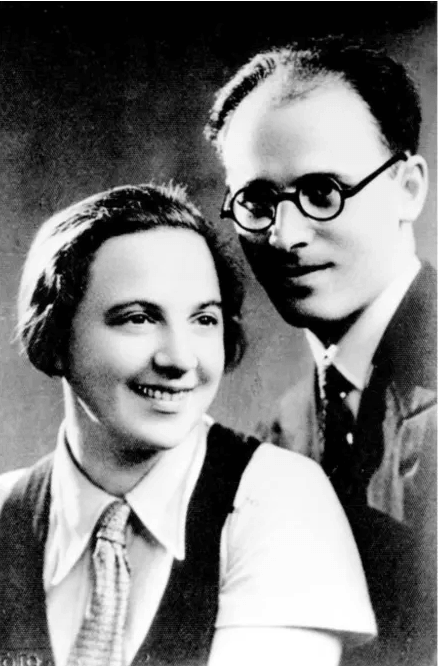
Academic stars in high school, Abrasha Blum and Luba Bielecka shared a slow burn romance and fervor for radical change. That hardly set them apart amid the ferment after the tsarist empire crumbled in 1919. No one would have predicted that Bielecka would go on to be awarded global nursing’s highest honor and Blum Poland’s equivalent of the Congressional Medal of Honor.
But their story poses a provocation in today’s hyper-polarized politics: Blum and Bielecka were devoted Bundists, and as such, they were not only socialists but anti-Zionists.
That combination can get you labeled today as anti-Israel and antisemitic, and even anti-American. Yet at the time they were Jewish heroes.
Bielecka repeatedly risked her life smuggling children out the Warsaw ghetto under Nazi occupation while directing the sole Jewish nursing school, sustaining its rigorous professional standards even as it was squashed into oblivion. Blum, a physically frail man, was dubbed the “ideological father of armed resistance” in the Bund; he led his band of militants into joining forces with the detested Zionists in the historic Warsaw Ghetto Uprising. When the insurgency was crushed — as all the combatants knew it would be — Blum, an engineer by training, led the surviving remnant through the cavernous sewer system to safety. But soon thereafter, in fleeing the police, he plummeted three stories from an apartment building. Badly injured, he was taken to Gestapo headquarters and never seen again.
Blum and Bielecka engaged the world as they found it and fought for justice for Jews and humanity. Blum’s photo is on display at Yad Vashem, Jerusalem’s Holocaust museum.
A lot has changed in 85 years. In 1939, most Americans Jews opposed Zionism and feared it would be misused by antisemites to justify allegations of dual loyalty. At the time, twice as many Jews lived in Warsaw as in all of British Palestine. The Bund swept 17 of 20 Jewish-designated seats on city council (Blum held one of them), far outdistancing all the Zionists parties together. Socialism made sense to Jewish voters, who were overwhelmingly “blue collar.” And so did doikayt (“hereness”), the doctrine that Poland’s three million Jews belonged there, not in a far-off desert, as the Zionists maintained.
The Holocaust radically and irrevocably changed the landscape. Ninety percent of Polish Jewry was exterminated. Even after the Nazis were vanquished, Jews continued to endure pogroms and were largely purged from Poland’s ruling communist party. By then, Israel was the sole destination in the world that welcomed large numbers of Jews.
Blum and Bielecka’s daughter, 17-year-old Aviva (née Victoria), was among the pioneers who migrated to a kibbutz in the new State of Israel. Zionism offered her the promise of milk and honey in a sanctuary free of antisemitism.

For years, her younger brother, Olek, held fast to his parents’ politics. But he too ultimately exited Poland, not for Israel but for the US, saddened that his father’s dream of “a prosperous Jewish minority inside Poland was impossible to realize.”
Like their parents, Aviva and Olek too engaged the post-WWII world as they found it and sought a better world.
Today, socialism and anti-Zionism are each experiencing something of a revival in the U.S. Self-described socialists have won mayoral elections in New York, Seattle and Washington, D.C. DSA-supported candidates won the Senate Democratic primary in Florida and narrowly lost Wisconsin’s gubernatorial primary. A recent CBS News poll found that 58% of Democrats now hold a favorable view of socialism, whereas only 32% view capitalism positively. The gap is even wider among young people. Jews, despite their relative affluence, remain among the most liberal voters in the U.S., although their current views on socialism have not been scientifically surveyed.
Anti-Zionism looks quite different in 2026 than in 1939, at least to Jews. Israel, approaching its 80th anniversary, is far from the desert mirage ridiculed by pre-war Bundists. While only a minority of American Jews self-describe as Zionists, an overwhelming majority support Israel as a Jewish and democratic state. Yet they are deeply troubled by Israel’s direction: Polls show that Zohran Mamdani, a socialist and anti-Zionist, is more popular among American Jews than Israeli Prime Minister Benjamin Netanyahu.
We’re left with this thought experiment: What if Abrasha and Luba resided in America today? What would they view as justice and how would they engage to achieve it? What if they resided in Israel?
And finally, a question about the rest of us: Would we recognize them as heroes?
The post These Bundist pioneers were heroes in their time. Would they be in ours? appeared first on The Forward.
Uncategorized
AIPAC couldn’t stop Michigan’s El-Sayed in the primary. Now it’s trying again.
AIPAC’s super PAC has re-entered Michigan’s closely watched U.S. Senate race less than a month before the general election, spending nearly $100,000 on mailers attacking Abdul El-Sayed, despite earlier concerns by allies of his Republican opponent, Mike Rogers, that it would boost the Democratic nominee.
The spending of $94,620 by United Democracy Project (UDP) on direct mailers was disclosed in a Friday campaign finance filing. It comes after Rogers publicly welcomed AIPAC’s support during a televised debate last week, reversing the position initially taken by people close to his campaign who worried the pro-Israel group’s involvement could hurt his chances.
A spokesperson for the group told Jewish Insider that the mailers target 130,000 identified Jewish voters in the swing state. It focuses on El-Sayed’s response to an attack on Temple Israel in West Bloomfield earlier this year. El-Sayed drew criticism for saying “hurt people hurt people” when discussing the attacker, whose brother was reportedly a Hezbollah commander killed in an airstrike on Lebanon. El-Sayed later apologized, saying he had been trying to provide broader context for the attack.
UDP spent more than $30 million trying to defeat El-Sayed in the Democratic primary this summer and in support of Rep. Haley Stevens, who lost by about one percentage point.
Following the primary, allies of the Republican nominee reportedly asked AIPAC not to run ads to boost him, fearing that the group’s involvement would give El-Sayed the same political foil that helped him overcome its massive spending in the primary. Axios reported that AIPAC officials didn’t take that rejection easily.
But Rogers appeared to change course last Thursday when asked whether he’d welcome AIPAC’s support.
“Anybody that wants to help my campaign stop a guy who can’t condemn terrorism in our own country because he’s so close to the people who are supporting the Muslim Brotherhood, again, I’ll take all of that help,” Rogers said at Thursday’s televised debate. El-Sayed interrupted to say he had condemned terrorism.
A new super PAC, Together for Michigan, aired an ad during the debate featuring Taylor Weintraub, whose child attends the Temple Israel preschool that was attacked in March.
Rogers went further on Friday at a campaign event with Sen. John Kennedy of Louisiana, accusing El-Sayed of being “so anti-Jewish” that a single mailer had upset him. Rogers said he welcomed help from Jewish supporters seeking to defeat his opponent. Kennedy also attacked El-Sayed, saying AIPAC would not be involved in the race if the Democrat did not “sleep in a Bin Laden jersey.”
El-Sayed, an Israel critic who has made opposition to AIPAC a central part of his campaign, responded by accusing Rogers of desperation. “You know Mike Rogers is in trouble when he begs AIPAC to start spending against me,” he wrote on X.
Some Jewish Democrats are publicly supporting Rogers, saying El-Sayed has failed to assuage concerns in his outreach to Jewish voters and in campaign appearances in recent months. If elected, El-Sayed would become the first Muslim member of the U.S. Senate.
Recent polls show El-Sayed with a narrow lead in the race to replace retiring Democratic Sen. Gary Peters. Recent elections in Michigan have been decided by narrow margins. Trump won the swing state in 2024 by about 80,000 votes, while Democratic incumbent Elissa Slotkin defeated Rogers in the Senate race that year by fewer than 20,000 votes. Four years earlier, Joe Biden won Michigan by about 2.8 percentage points.
The post AIPAC couldn’t stop Michigan’s El-Sayed in the primary. Now it’s trying again. appeared first on The Forward.
