


Uncategorized
The Orthodox community in pre-war Czernowitz
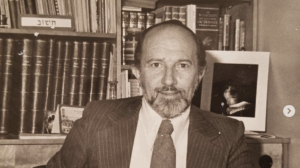
די וואָך איז ניפֿטר געוואָרן הרבֿ מאיר מאָסקאָוויץ, וואָס איז געבוירן געוואָרן אין טשערנאָוויץ אין 1927 — דאָס עלטסטע קינד פֿונעם שאָצער רבין, ר׳ אַבֿרהם חיים. ווי אַ בחור האָט ער זיך געלערנט אין אַ ישיבֿה אין וויזשניץ.
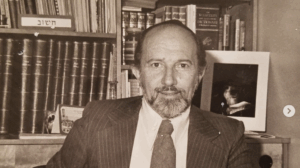
אין 1941 זענען די דײַטשן אַרײַן אין טשערנאָוויץ. ווי הרבֿ מאָסקאָוויצעס זון יואל האָט דערציילט אין אַן אַרטיקל אין 2012, האָבן די דײַטשן דערהרגעט דעם שאָצער רבין און אַנדערע ייִדישע קהילה־פֿירער, אַרײַנגעטריבן די ייִדן אין שאַרגאָראָדער געטאָ אין טראַנסניסטריע, און געשיקט דעם יונגן מאיר יעדן טאָג אויף צוואַנגאַרבעט. איין מאָל אויפֿן וועג צום אַרבעט־לאַגער איז ער אַנטלאָפֿן און אָנגעקומען אין דער רוסיש־אָקופּירטער טעריטאָריע, וווּ די „עלית הנוער“ באַוועגונג האָט אים על־פּי־נס אַרויסגעשמוגלט קיין ארץ־ישׂראל. נאָך דער מלחמה האָט ער זיך דערוווּסט אַז זײַן מאַמע האָט איבערגעלעבט דעם חורבן און וווינט אין ניו־יאָרק, האָט ער זיך דאָרטן באַזעצט.
אין 2010 האָב איך אינטערוויויִרט מאָסקאָוויצן פֿאַר דעם ווײַטערדיקן אַרטיקל וועגן די פֿרומע קרײַזן אין פֿאַר־מלחמהדיקן טשערנאָוויץ. איך האָב זיך באַקענט מיט אים דורך מײַן זון גדליה איידלמאַן, וואָס איז געווען זײַנער אַ תּלמיד. כּדי צו ווײַזן וואָס פֿאַר אַ מין מענטש הרבֿ מאָסקאָוויץ איז געווען, הערט די מעשה: גדליה האָט מיר דערציילט אַז פֿאַרן סוף־עקזאַמען האָט הרבֿ מאָסקאָוויץ געזאָגט די תּלמידים אַז זיי קענען ענטפֿערן אויף די פֿראַגעס אין ענגליש אָדער לשון־קודש. האָט גדליה געפֿרעגט צי ער מעג דאָס מאַכן אויף ייִדיש. „זיכער,“ האָט מאָסקאָוויץ געענטפֿערט. האָט גדליה אַרײַנגעגעבן זײַן עקזאַמען, ציטירנדיק רשי און אַנדערע מפֿרשים אויף ייִדיש. מאָסקאָוויץ האָט אַזוי הנאה געהאַט דערפֿון אַז ער האָט געוויזן די ייִדיש־שפּראַכיקע דערקלערונגען צו זײַנע קאָלעגעס.
כּדי זיך צו דערוויסן מער וועגן הרבֿ מאָקאָוויצעס לעבן, אָט איז אַ ווידעאָ־רעקאָרדירונג פֿון זײַן לוויה.
[דער ווײַטערדיקער אַרטיקל איז לכתּחילה פּובליקירט געוואָרן דעם 26טן מאַרץ 2010]
* * *
געוויינטלעך ווען מע רעדט וועגן דער ייִדישער געשיכטע פֿון דער שטאָט טשערנאָוויץ באַטאָנט מען איר וויכטיקייט ווי אַ צענטער פֿון דער ייִדישער ליטעראַטור און קולטור.
וועגן איין אַספּעקט הערט מען כּמעט גאָרנישט: דאָס לעבן פֿון די פֿרומע ייִדן אין טשערנאָוויץ. ס׳איז טאַקע אַ שאָד, ווײַל אין יענער תּקופֿה האָבן אין דער שטאָט זיך געפֿונען נישט ווייניקער ווי פֿינף חסידישע רביס, האָט איבערגעגעבן הרבֿ מאיר מאָסקאָוויץ, דער טשערנאָוויץ־געבוירענער מחבר פֿון אַ בוך זכרונות אויף העברעיִש, „כזה ראה וקדש“ (אַזוי געזען און פֿאַרהייליקט).
הרבֿ מאָסקאָוויץ, וועלכער איז געבוירן געוואָרן אין 1927, איז יאָרן לאַנג געווען אַ תּנ״ך־לערער אין דער אָנגעזעענער ניו־יאָרקער ייִדישער מיטלשול רמ״ז. בעת אַן אינטערוויו מיטן פֿאָרווערטס אין זײַן דירה אויף איסט 82סטער גאַס, האָט ער דערציילט, אַז ער אַליין איז געווען דער זון פֿונעם שאָצער רבין. עס האָבן אין טשערנאָוויץ דעמאָלט אויך געוווינט פֿיר אַנדערע רביס: דער באָיאַנער רבי, ר׳ משה פֿרידמאַן; דער נאַדווערנער רבי, איתמר ראָזענבאַום; דער קיטעווער רבי, גראָסמאַן; דער זאַלישטשיקער רבי, האַגער און דער שאָצער רבי, ר׳ אַבֿרהם־חיים מאָסקאָוויץ. אַלע רביס זענען געווען קרובֿים, ווײַל אַלע האָבן געמאַכט שידוכים צווישן זיך.
יעדער רבי האָט געהאַט אַ הויף מיט חסידים, האָט הרבֿ מאָסקאָוויץ דערציילט, אָבער אין פֿאַרגלײַך מיט די רביס, וואָס האָבן שבת און יום־טובֿ געטראָגן אַ שטרײַמל, האָבן די מתפּללים זיך שוין געהאַלטן פֿאַר „מאָדערנע מענטשן“ — האָבן זיי נישט געהאַט קיין באָרד אָדער פּאות, און זענען געקומען צום מנין טראָגנדיק אַ צילינדער און פֿראַק. הרבֿ מאָסקאָוויצעס אייגענע משפּחה האָט געוווינט אינעם זעלבן בנין פֿון דער שיל. „איך אַליין האָב געהאַט קליינע פּאהלעך,“ האָט ער צוגעגעבן.
הרבֿ מאָסקאָוויצס מאַמע, אַלטע־שיינדל, איז געווען אַ טאָכטער פֿונעם פּידײַעצער רבין, האָט זי געטראָגן אַ שייטל, אָבער זי, און די אַנדערע „רבישע קינדער“, ווי מע פֿלעג זיי רופֿן, זענען פֿאָרט געווען אונטער דער השפּעה פֿון דער מאָדערנער שטאָט. אין פֿאַרגלײַך מיט איר מאַן, וועלכער האָט גערעדט ייִדיש מיט די קינדער, האָט די רביצין גערעדט דײַטש. זי פֿלעג גיין אין טעאַטער, לייענען ייִדישע פּאָעזיע און געבן מענער די האַנט. מוטערס־טאָג האָט דאָס קליינע „מאירל“ איר געבראַכט בלומען, און סילוועסטער־נאַכט האָבן די רביצין און די אַנדערע פֿרויען פֿון רבישע היימען געפּראַוועט אַ שׂימחה.
„סילוועסטער זענען זיי געקומען צו אונדז אויפֿן צווייטן שטאָק, עלעגאַנט אויסגעפּוצט, און געגעסן און פֿאַרבראַכט שעהען לאַנג אין איינעם,“ האָט הרבֿ מאָסקאָוויץ דערציילט. און כאָטש קיין משקה האָבן זיי נישט געטרונקען, „האָבן די שנורן פֿונעם באַיאָנער רבין יאָ גערייכערט סיגאַרעטקעלעך.“
הרבֿ מאָסקאָוויץ געדענקט נאָך זײַן ערשטן טאָג אין חדר צו דרײַ יאָר. „מײַן טאַטע־מאַמע זענען קיין מאָל נישט געגאַנגען שפּאַצירן צוזאַמען, אָבער יענעם טאָג האָבן זיי מיר אָנגעטאָן נײַע קורצע הויזן, נײַע שיך און אַ נײַעם טלית־קטן, און ביידע האָבן מיך גענומען בײַ דער האַנט אין חדר אַרײַן. ווען מיר זענען אָנגעקומען האָט דער טאַטע מיך אַרומגענומען מיט אַ טלית און אַרײַנגעטראָגן. אויפֿן טיש איז מיט גרויסע גאָלדענע אותיות געווען אָנגעשריבן ׳מאירל׳. יעדעס מאָל וואָס איך האָב ריכטיק נאָכגעזאָגט ׳קמץ אלף אָ, קמץ בית באָ׳ איז אַראָפּגעפֿאַלן אַ האָניק־קיכעלע. כ׳האָב טאַקע געמיינט, ס׳איז פֿון הימל! אַזוי ווי סע שטייט אין משלי: לערנען תּורה איז אַזוי ווי האָניק און מילעך, זיס צו דער נשמה און ס׳היילט די ביינער.“
צו פֿינעף יאָר האָט מאירל אָנגעהויבן לערנען חומש. „ס׳איז געווען אין אַ שבת נאָכמיטאָג. משפּחה און פֿרײַנד און אַלע פֿינעף רביס זענען געקומען. מע האָט מיך געשטעלט אויפֿן טיש, כ׳האָב געטראָגן אַ ברוינעם סאַמעטענעם אָנצוג, און ביידע זיידעס האָבן מיר אָנגעטאָן גאָלדענע זייגערס אויף קייטן. דערנאָך האָט מען מיך געפֿרעגט: וואָס לערנסטו אין חומש?“
נאָכן פֿאַרהערן דאָס קינד האָט מען אָנגעהויבן טאַנצן און זינגען, עסן טאָרט און פּירות. אַלע רביס האָבן געטראָגן שטרײַמלעך, געזעסן און אויסגעטיילט שיריים. ער, מאירל, איז געזעסן צווישן ביידע זיידעס.
יעדן אינדערפֿרי האָט מאירל זיך געלערנט אין חדר, און דרײַ מאָל אַ וואָך איז ער נאָך מיטאָג געגאַנגען אין אַ ציוניסטישער העברעיִשער שול, „בית ספֿרי“. אין 1936 איז ער אַוועקגעפֿאָרן קיין וויזשניץ זיך לערנען אין דער וויזשניצער ישיבֿה. ער פֿלעג אַהיימקומען בלויז שבת־חנוכּה, פּסח און יום־טובֿ.
סוכּות אין טשערנאָוויץ געדענקט הרבֿ מאָסקאָוויץ זייער גוט. אַ גאַנץ יאָר האָבן די מענער און פֿרויען געגעסן צוזאַמען, אָבער סוכּות — נישט. די מאַמע האָט געבענטשט ליכט, געקומען אין סוכּה פֿאַר קידוש און המוציא, אָבער דערנאָך אַרײַן אין הויז, וווּ זי האָט פֿאַרבראַכט מיט די אַנדערע פֿרויען.
די סוכּה איז געווען אַ גרויסע; ווען דער טאַטע האָט געפֿירט טיש די צווייטע נאַכט סוכּות, לכּבֿוד דער שׂימחת־בית־השואבֿה, פֿלעגן אַרײַנקומען אין דער סוכּה 150 מענטשן. מ׳איז דאָרט אָבער נישט געשלאָפֿן. „ס׳איז געווען קאַלט, און אַ סכּנה.“
דעם שאָצער רביס הויז האָט אויך געדינט ווי אַן אכסניה פֿאַר די רביס פֿון די אַרומיקע שטעטלעך, ווען זיי האָבן געמוזט קומען קיין טשערנאָוויץ זען אַ דאָקטער. די פּשוטע אַרענדאַרן פֿלעגן אויך קומען, כּדי צו זען זייער רבין. „זיי זענען געווען פּשוט אָנגעטאָן — עמך — געטראָגן שטיוול, און געבראַכט פּירות אַ מתּנה דעם רבין.“
אָפֿט פֿלעגן די גײַסטיק קראַנקע קומען צו זייער טיר בעטן נדבֿות. „איינער, פֿישעלע, פֿלעג זאָגן מײַן מאַמען, ׳איך האָב דיך ליב!׳ — זי איז געווען אַ שיינע פֿרוי — פֿלעג מען אים אַרײַננעמען אין הויז, און מע האָט אים געגעבן דאָס זעלבע שפּײַז, וואָס מיר האָבן געגעסן.“
עוואַ מאַרדער בענדער, אַן אײַנוווינערין פֿון בראָנקס, נ״י, איז אויך געבוירן געוואָרן אין אַ פֿרומער משפּחה אין טשערנאָוויץ, אין 1927, אָבער איר איבערלעבונג איז געווען אַ גאַנץ אַנדערע ווי בײַ הרבֿ מאָסקאָוויץ. „דער טאַטע איז געווען אַ ציוניסט און אַ מיזרחיסט,“ האָט זי געזאָגט.
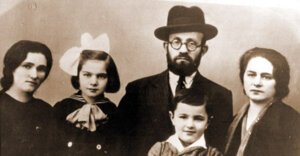
אויף דער גאַס האָט דער טאַטע, בערל מאַרדער געטראָגן אַ קאַפּעליוש, און אונטער דעם — אַ יאַרמלקע. בײַם באַגריסן זיך מיט מענטשן פֿלעג ער אַראָפּנעמען דאָס היטל, אָבער נישט די יאַרמלקע; די מאַמע, אסתּר, האָט געטראָגן אַ היטל, נישט קיין שייטל. „מיר זענען נישט געווען אַזוי פֿאַנאַטיש,“ האָט זי געזאָגט. „מיר זענען דאָך געווען אונטערן אײַנפֿלוס פֿון דער עסטרײַכישער קולטור.“
ווי אַ מיידל איז עוואַ, אַוודאי, נישט געגאַנגען אין חדר; די ערשטע פֿיר קלאַסן האָט זי זיך געלערנט אין אַ העברעיִשער, ציוניסטישער טאָגשול, „שׂפֿה איבֿריה“. נאָכן ענדיקן די שול האָט זי צוויי יאָר לאַנג שטודירט אין „גימנאַזיע האָפֿמאַן“, אַ שטאָטישער לערן־אַנשטאַלט פֿאַר מיידלעך, און דערנאָך — ווען די רוסן האָבן איבערגענומען בוקאָווינע — איז זי אַריבער אין דער ייִדישער שול, וווּ ס׳רובֿ פֿון די קינדער זענען געווען פֿון וועלטלעכע משפּחות. הגם די קלאַסן זענען אָנגעגאַנגען זעקס מאָל אַ וואָך, אַרײַנגערעכנט שבת, האָבן די פֿרומע תּלמידים נישט געדאגהט. „שבת האָבן מיר נישט געשריבן,“ האָט זי געזאָגט. די פּראָבלעם איז אָבער געווען מיט די עקזאַמענס, וועלכע זענען אַלע פֿאָרגעקומען שבת.
„מיר, די פֿרומע תּלמידים, האָבן טאַקע געליטן פֿון דעם, ווײַל מע פֿלעג אונדז מאַכן דעם עקזאַמען זונטיק אָדער מאָנטיק און בכּיוון פֿרעגן שווערערע פֿראַגעס. עטלעכע פֿון די לערער זענען געווען ייִדישע, אָבער זיי זענען געווען נאָך ערגער ווי די רוסן. זיי האָבן געוואָלט, אַז מיר זאָלן פֿאָרשן וואָס עס קומט פֿאָר אין שטוב און מסרן די עלטערן. מיר האָבן זיך נישט נאָכגעגעבן, זענען זיי געוואָרן זייער אויפֿגערעגט.“
פּסח פֿלעג דער מאַמעס טאַנטע, וואָס האָט געוווינט נישט ווײַט פֿונעם שאָצער רבין, קומען אויפֿן גאַנצן פּסח. „די גאַנצע צײַט האָט זי בלויז געשיילט קאַרטאָפֿל און מערן, מערן און קאַרטאָפֿל… דאָס איז געווען איר אויפֿגאַבע. און מיר, מיידלעך, האָבן נישט אַרויסגעהאָלפֿן, תּמיד זיך געשפּילט.“
זי פֿלעג שפּילן אין באַל אָדער אין שאַך — סײַ מיט מיידלעך, סײַ מיט ייִנגלעך, סײַ מיט פֿרומע, סײַ מיט פֿרײַע — „ווער ס׳איז נאָר געווען אין גאַס. ס׳האָט נישט אויסגעמאַכט ווײַל אין אונדזער געגנט זענען אַלע געווען ייִדן, בלויז די ׳סופּערס׳ (סטרוזשן) זענען נישט געווען קיין ייִדן.“
רעדנדיק מיטן פֿאָרווערטס האָט פֿרוי בענדער זיך דערמאָנט אין אַן אינצידענט פֿון די קינדער־יאָרן, וואָס האָט איר שטאַרק וויי געטאָן. יעדעס יאָר פֿלעג זי אַרויסקוקן, אַז דער זון פֿונעם מילניצער רבין זאָל קומען פֿון גאַליציע, כּדי מיטצופֿאָרן מיט די רביס און אַנדערע ייִדן אויף קבֿר־אָבֿות. עוואַס טאַטע פֿלעג זי אויך מיטנעמען. מע האָט אײַנגעשפּאַנט די פֿערד־און־וועגענער, און געפֿאָרן צום סאַדיגערער רבין.
„דאָס פֿאָרן האָט גענומען עטלעכע שעה, און ס׳איז געווען זייער שיין און לעבעדיק. מ׳איז געגאַנגען אויפֿן בית־עולם, און שפּעטער האָט מען געמאַכט אַ סעודה.“ ווען עוואַ איז געוואָרן אַכט יאָר אַלט, האָט דעם מילניצער רבינס זון אָבער אָנגעזאָגט איר טאַטן, אַז אַ מיידל אין אירע יאָרן טאָר מער נישט פֿאָרן, האָט זי געמוזט בלײַבן אין דער היים. „כ׳בין געווען זייער אויפֿגערעגט,“ האָט פֿרוי בענדער באַמערקט.
פֿון דעם וואָס הרבֿ מאָסקאָוויץ און פֿרוי בענדער האָבן אַזוי פּרטימדיק איבערגעגעבן, איז קלאָר, אַז טשערנאָוויץ איז נישט געווען אַ שטאָט פֿון בלויז סעקולערע ייִדן. הגם די ווינטן פֿון מאָדערנקייט און אַסימילאַציע האָבן זיכער משפּיע געווען אויף די פֿרומע קרײַזן, און אַרײַנגעבראַכט דאָס דײַטשישע לשון און עלעמענטן פֿון דער אַרומיקער קולטור, האָבן זיי ווײַטער אָפּגעהיט די מיצוות און אָנגעהאַלטן די טראַדיציעס, אויף ווי ווײַט עס האָט זיך געלאָזט.
The post The Orthodox community in pre-war Czernowitz appeared first on The Forward.
Uncategorized
Contributor to Drop Site News Says Israelis Should ‘Be Removed From Our Planet’

Abubaker Abed reporting from Gaza. Photo: Screenshot
Abubaker Abed, a self-described Palestinian journalist and contributor to the far-left news outlet Drop Site News, has come under intense scrutiny following the circulation of social media posts in which he called for the “wiping out” of Israel and said that Israelis “mustn’t feel safe.”
The remarks, which quickly spread across multiple online platforms, have prompted widespread condemnation and renewed skepticism over the credibility and coverage of Drop Site News, a controversial publication fiercely critical of Israel and US foreign policy in the Middle East.
“Wiping out Israel off the planet is not enough revenge. Israelis mustn’t feel safe anymore. Haunt them and go after them where they go. These terrorist parasites must be removed from our planet,” Abed posted on an Instagram story.
Drop Site co-founder Ryan Grim responded to the incident by clarifying that Abed’s comments do not reflect the editorial position or institutional stance of his publication. Grim, a far-left investigative reporter who has repeatedly accused Israel of committing “genocide” in Gaza, did not condemn the statements by Abed.
“We also are never going to police the language of anyone who survived a genocide,” Grim posted on X.
Abed, a social media influencer from Gaza who evacuated to Ireland during the Israel-Hamas war, has previously suggested that attacks on Jewish institutions might be justified if they signal support for Israel.
Following the recent attack on the Temple Beth Israel Synagogue in Michigan, Abed resurfaced a photo from the synagogue featuring an Israel soldier. Abed wrote that the attempted mass casualty event was justified because the assailant defended himself.
“A person is not criminally responsible if they act reasonably to defend themselves against an imminent and unlawful use of force,” Abed wrote in a since-deleted post on X. “Israel murdered his relatives and is illegally bombing and invading his country.”
The FBI said last week that the attack on the largest Jewish temple in Michigan was an “act of terrorism” inspired by Hezbollah, the Iran-backed Lebanese terrorist group committed to Israel’s destruction.
Drop Site, a new media organization which debuted in July 2024, has found itself under immense criticism over its coverage of the Israeli-Palestinian conflict and the broader Middle East. The outlet has consistently characterized Israel as a “genocidal” aggressor stoking chaos and violence throughout the region.
Meanwhile, Drop Site depicts internationally recognized terrorist groups such as Hamas, Hezbollah, and the Houthis in a far more favorable light. Drop Site lead reporter Jeremy Scahill routinely refers to Hamas as “the resistance” and has given softball interviews to Hamas leaders.
Drop Site has also defended the Iranian regime from accusations of terrorism, asserting that Tehran’s goals “center on national sovereignty.” The site contends that Iran has “sought to project influence regionally through allied governments and forces (Hezbollah, Hamas, Houthi, Iraqi Militants, etc.) what’s often called the ‘Axis of Resistance.’”
Some observers have raised alarm bells over the outlet’s growing popularity among establishment mainstream liberals. Ben Rhodes, a former Obama administration official and co-host of the popular “Pod Save America” podcast, has praised the outlet on his social media profile and confirmed he is a subscriber.
Drop Site’s expanding influence does not seem to be confined to left-wing or liberal ideological circles. Right-wing media personality Mike Cernovich contended on X that young conservatives are increasingly reading Drop Site “for Israel news.” Joe Kent, the former director of the US National Counterterrorism Center, over the weekend reposted a Drop Site article pushing Iranian regime propaganda falsely claiming the US was actually trying to kill a downed American airman — just hours before he was dramatically rescued.
Uncategorized
Frankfurt cinema declines to participate in Jewish film festival, spurring backlash
(JTA) — A Frankfurt cinema’s decision not to participate in the local Jewish film festival is spurring allegations of antisemitism, even as its manager says the move was financial.
The Jewish Community of Frankfurt announced last week that the Astor Film Lounge did not wish to host movies during Jewish Film Days this year. The cinema, it said, had cited its workers’ reluctance to staff movies that are part of the biennial festival, as well as concerns about the security required to host Jewish events.
“The decision unequivocally signifies that Jewish life, Jewish people, and a Jewish media presence are no longer welcome at the Astor Film Lounge,” the community said in a statement.
“This line of reasoning is not only disappointing, but sends a devastating societal signal: If Jewish life and Jewish presence are suppressed out of fear of potential reactions, then this effectively amounts to a capitulation to antisemitic pressure,” the statement continued. “The fact that Jewish life can only take place under police protection is already shameful. That this necessity for police protection is now being used as a pretext to completely prevent Jewish events is a scandal.”
But the cinema’s managing director, Tom Flebbe, contested the Jewish Community of Frankfurt’s interpretation of events. In a statement cited in a leading local newspaper, he said the theater had withdrawn this year for economic reasons, as only 40 to 50 guests had come to screenings last year.
Flebbe said a lower-level manager had made unauthorized and inaccurate remarks about security concerns.
“Economic viability is a legitimate and necessary basis for business decisions — regardless of the thematic context of an event,” Flebbe said, adding that other joint projects with the Jewish community will continue as planned.
“The ASTOR Film Lounge MyZeil views Jewish life as a natural and welcome part of this society,” the statement concluded. “The decision against participating in the 2026 Jewish Film Days is not against Jewish people, Jewish culture, or Jewish presence. It is the result of a careful consideration of economic factors. We regret that our reasoning has been interpreted in this way and stand by our decision.”
During the 2024 festival, a half-dozen venues hosted screenings as part of Jewish Film Days. The Astor Film Lounge hosted one screening, of the film “March ’68,” a love story set during the Polish government’s antisemitic campaign following Israel’s Six-Day War.
Film festivals have emerged as a frontier for tensions over Israel and antisemitism. Germany’s largest film festival, the Berlinale, was roiled by tensions this year as its jury head fended off calls to criticize Israel. A major Toronto film festival, meanwhile, ruffled feathers last year by first canceling and then screening a documentary about the Oct. 7 attack on Israel. And a Jewish film festival was canceled in Malmo, Sweden, last year because too few cinemas would agree to show movies for it.
Flebbe’s explanation for why Astor Film Lounge would not participate in this year’s Jewish Film Days did not satisfy everyone who heard it. The Berlin-based German-Jewish Values Initiative, a non-partisan think tank, in an open letter called the economic justification a “mere pretext.”
“To the best of our knowledge, the Jewish Community of Frankfurt was prepared to guarantee a minimum revenue” for the film festival, the letter said. By apparently giving in to “threats and antisemitic pressure,” it added, the cinema has capitulated “to the very forces seeking to drive Jews out of the public sphere.”
The post Frankfurt cinema declines to participate in Jewish film festival, spurring backlash appeared first on The Forward.
Uncategorized
Israeli, Serbian leaders denounce antisemitic statements at Belgrade protest
(JTA) — Israeli and Serbian officials are denouncing antisemitic comments made by demonstrators during a clash between Serbian students and police at a protest last week.
“Death to Vučić and all the Jews around him,” one protester said in a televised interview, referring to Serbian President Aleksandar Vučić. “Long live Serbia.”
The protest last Tuesday marked the latest flashpoint in a series of anti-government protests that have erupted across the country over the past year after 16 people died in an accident at a railway station in November 2024. Hundreds of students participated in the protest, which came as Serbian police searched the offices of the University of Belgrade as part of an investigation into the death of a female student. The school’s leadership claimed that the investigation was an “attack on the university” for its support for the student-led protest movement.
Serbia and Israel first established diplomatic relations in 1948, and Vučić told the Jerusalem Post last year that the country “will always appreciate, respect, and like the Jewish people and Israel.”
Nemanja Starović, the Serbian minister of European integration and the chair of Serbia’s delegation to the International Holocaust Remembrance Alliance, called on the protest leaders to “unambiguously condemn these antisemitic incidents and to immediately remove all antisemitic messages and slogans from university premises.”
“On multiple occasions over the past months, we have warned about the widespread antisemitic ideology within the so-called blockade movement at universities in Serbia,” Starović wrote in a post on X. “Ignoring this dangerous threat has allowed it to escalate into open calls for murder, which now appear as a logical and inevitable outcome.”
The Israeli Foreign Ministry condemned the demonstrator’s comments in a post on X.
“Israel strongly condemns the reprehensible antisemitic calls made yesterday in Belgrade,” the post read. “Israel appreciates the Serbian government’s immediate condemnation of these calls and its firm and consistent stance in the fight against antisemitism.”
Efraim Zuroff, the director of the Israel Office and Eastern European Affairs for the Simon Wiesenthal Center in Jerusalem, also condemned the antisemitic rhetoric in a Times of Israel op-ed.
“One gets the impression that this is a politically motivated to harm President Aleksandar Vučić, who has close ties with the State of Israel, key Jewish organizations such as AIPAC and the Serbian Jewish community,” Zuroff wrote. “That is completely unacceptable! If these things are not stopped, they will end up in dangerous violence, and therefore cannot be ignored.”
The controversy over the protest comes as antisemitism has surged in Europe in recent years. Last September, Serbia arrested 11 individuals accused of perpetrating hate-motivated acts in France and Germany, including throwing green paint on the Holocaust Museum, several synagogues and a Jewish restaurant in Paris.
The post Israeli, Serbian leaders denounce antisemitic statements at Belgrade protest appeared first on The Forward.