



World Views
Iranian Disillusionment Grows as US Signals Retreat from Military Campaign Against Regime
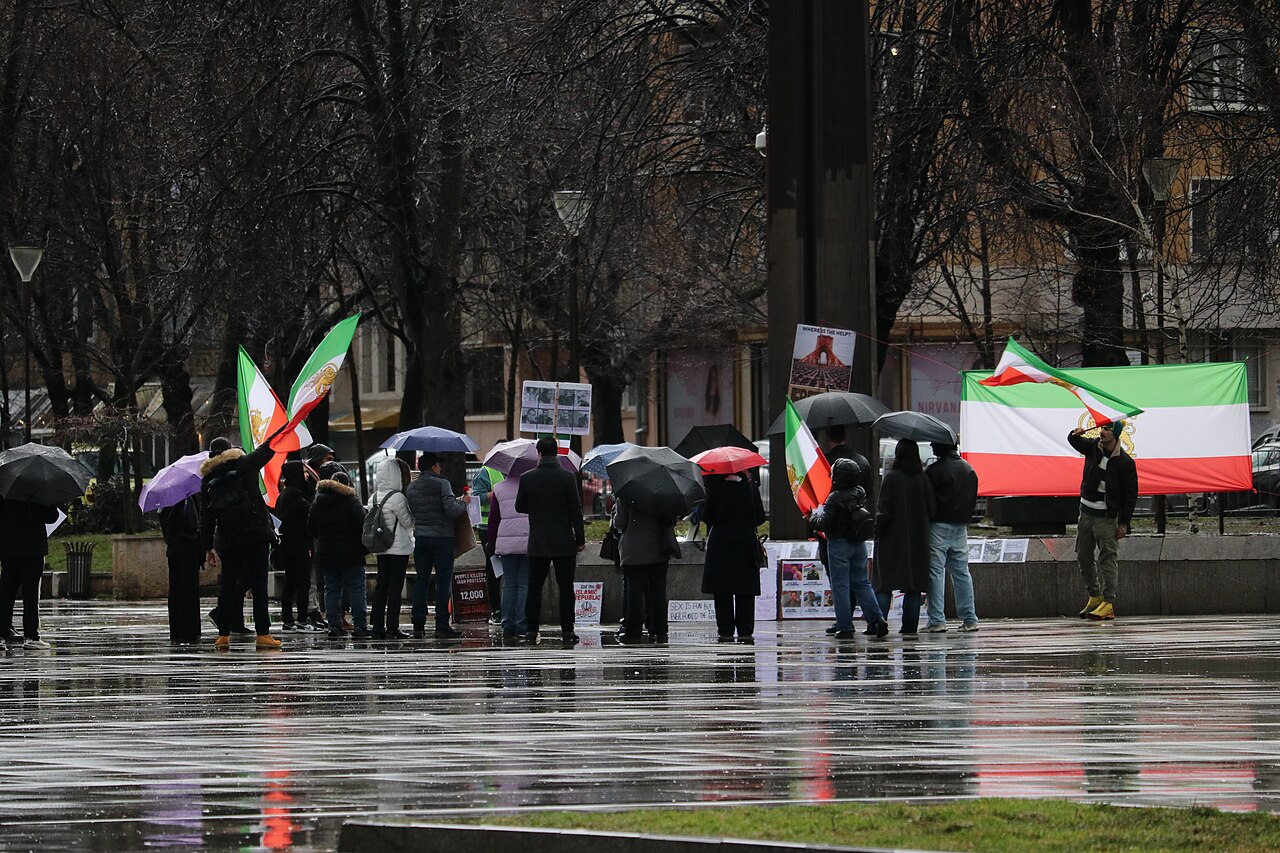
A growing sense of frustration and profound disappointment is sweeping through Iran as high-ranking American officials, including President Donald Trump, have indicated a reluctance to initiate further large-scale military operations against the Islamic Republic. For many Iranians who had pinned their hopes on American and Israeli military action to destabilize the ruling government and spark political transformation, the prospect of Washington stepping back has proven deeply disheartening.
The Unfulfilled Promise of Intervention
Many citizens in Iran, who have endured years of economic hardship and political repression, viewed the military involvement by the United States and Israel as a critical opportunity to weaken the entrenched authorities. Speaking with journalists, anonymous Iranian sources expressed deep disappointment, noting that the promises of regime change made by both the Trump administration and Israeli leadership had not materialized. These individuals, who have faced severe risks, including potential death penalty charges, highlighted that repeated internal efforts to challenge the government had been met with brutal force. Consequently, foreign intervention was seen by some as a final, desperate hope for systemic change.
Shifting Priorities in Washington
Recent statements from American officials suggest that additional military strikes may not be necessary, pointing instead to the effectiveness of the existing economic sanctions and the naval blockade imposed on Iranian ports. President Trump recently communicated that the conflict was, militarily speaking, ‘effectively over,’ though he maintained that American forces remained prepared to act if circumstances warranted it. This stance reflects a pivot in US strategy, prioritizing economic leverage and political stability over further kinetic military action. Furthermore, discussions involving regional mediators, such as Qatar, have been actively sought to de-escalate tensions between Tehran and Washington.
Diverging Views on the Future
While some Iranians feel discouraged by the administration’s move away from offensive action, believing the government should have been defeated by any means possible, others remain resolute. These individuals argue that while the regime’s military strength has been diminished by the conflict, a lack of continued external pressure would allow the government to rebuild its capabilities, potentially endangering global stability. This highlights a critical divergence: Washington appears to be calculating the political and economic costs of continued involvement, while many Iranians still view sustained American pressure as essential to preventing the Islamic Republic from restoring its power. Meanwhile, Iran has issued warnings that it is ready to retaliate against critical infrastructure across the Middle East, keeping the possibility of renewed confrontation highly unresolved.
World Views
As Caribbean Health Systems Face Crisis, Israel Emerges as Strategic Partner in Regional Transition
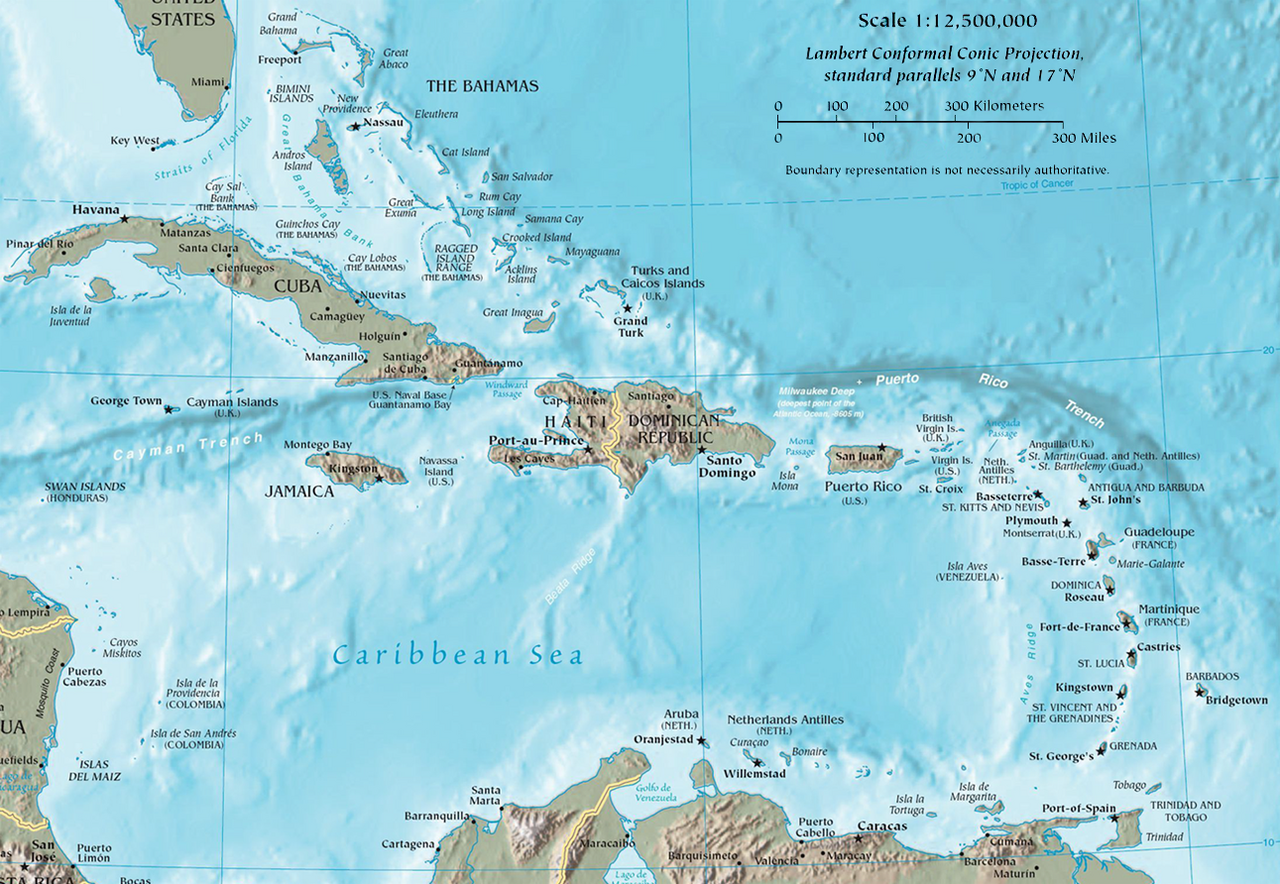
A significant geopolitical shift is underway across the Caribbean as Western Hemisphere nations begin dismantling decades-old medical cooperation agreements with Cuba. Driven by increased pressure from Washington, several regional governments are reviewing or phasing out state-run Cuban medical missions, citing concerns regarding labor practices and financial arrangements with Havana. This rapid transition, while aligning with U.S. policy goals, is simultaneously creating a substantial and immediate void in the essential healthcare services provided to local populations, placing immense strain on already fragile regional health infrastructures.
The Policy Shift and Regional Vacuum
The United States has actively urged Caribbean and Latin American countries to abandon these medical arrangements. In response, nations such as Guatemala, Bahamas, and Guyana have taken concrete steps to renegotiate or terminate contracts with the Cuban government. While some countries are finding new employment arrangements for the medical personnel, the overall movement signals a major overhaul of regional health diplomacy. Recognizing this challenge, the U.S. government has outlined a strategy to aid these nations, offering support for modernizing healthcare infrastructure, implementing telemedicine, and recruiting medical professionals from other countries.
An Unconventional Opportunity for Israel
Amidst this regional upheaval, a unique diplomatic and commercial opportunity is presenting itself for Israel. Unlike the United States, which is actively driving the discontinuation of these missions, Israel is not bound by an obligation to replace the services. This unique position allows the country to enter the dialogue as a strategic partner, rather than a mandated replacement provider. Israeli expertise in advanced healthcare technologies, including digital health, remote consultations, and hospital administration, offers a practical solution to extend the reach of existing local medical staff.
The focus, experts suggest, must remain on bolstering local capacity rather than simply substituting doctors with technology. However, Israel possesses established channels for implementation. Precedents exist, such as the swift assistance provided by Israeli medical teams to Jamaican hospitals following a major storm. Furthermore, institutional ties through the Inter-American Development Bank already link Healthcare Israel to Latin American and Caribbean digital health initiatives.
Expanding Diplomatic Horizons
By offering targeted clinical assistance and professional training, Israel can not only stabilize regional healthcare delivery but also achieve broader diplomatic goals. This cooperation provides a practical avenue to strengthen ties across the Caribbean and Latin America, potentially fostering mutual trust in areas previously overshadowed by political differences. The initiative could also unlock commercial opportunities for Israeli medical technology firms. As noted by commentators, this move could extend the spirit of practical, beneficial partnerships—similar to those fostered by the Abraham Accords—beyond the Middle East, transforming a regional health challenge into a powerful engine for international cooperation and goodwill.
World Views
Senator Cruz Challenges Vance’s Narrative on U.S.-Israel Ties After Midterm Losses
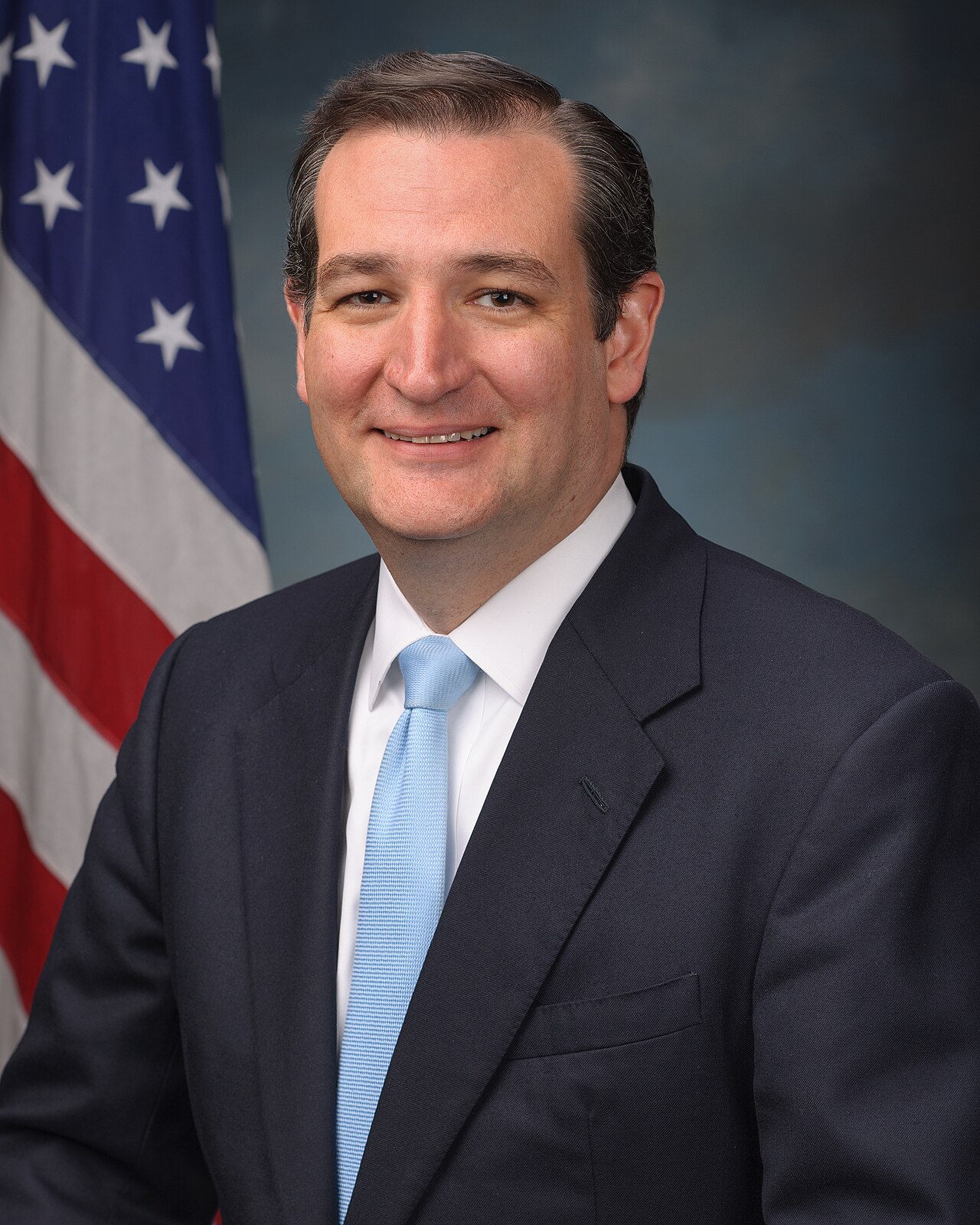
Texas Senator Ted Cruz publicly refuted Vice President JD Vance’s post-election assessment, arguing forcefully against the notion that the relationship between the United States and Israel contributed to the Republican Party’s significant electoral setbacks during the recent midterm elections. The disagreement surfaced during a recent gathering at the Jewish Leadership Conference in Manhattan, where Cruz strongly rejected the premise that the electorate gave a mandate to shift away from support for Israel.
Ideological Clash Over Foreign Policy
The political sparring occurred when Jonathan Silver, a senior executive at the conservative Tikvah Fund, questioned Cruz regarding Vice President Vance’s perceived efforts to foster an isolationist and anti-Israel faction within the party. Cruz responded by directly challenging the Vice President’s viewpoint, stating that anyone interpreting the election results as a directive to abandon Israel was fundamentally misreading the political landscape. Vance had previously referenced polling data indicating that some defecting Republican voters wished to alter the current dynamic of U.S.-Israel relations.
Rising Extremism and Political Warning
While the exchange centered on foreign policy, Cruz used the platform to raise a persistent alarm about the escalating presence of anti-Israel and antisemitic rhetoric, noting that this trend is visible across the political spectrum. He has been voicing these concerns for over a year. Cruz cited prominent figures on both the left and the right—including Mayor Zohran Mamdani and Senator-elect Abdul El-Sayed on the left, and Tucker Carlson, Candace Owens, and former Representative Marjorie Taylor Greene on the right—as examples of this growing polarization.
The Senator warned that these right-wing voices are gaining substantial influence. He estimated that a significant portion of young conservative individuals are receptive to their messages, projecting a grim future where both major political parties could become unapologetically anti-Israel and antisemitic within the next five years. This sentiment aligns with the work of groups like Front Line, which supports Cruz and funds advertising campaigns aimed at making antisemitism unacceptable within the Republican Party.
A Call for Political Vigilance
Cruz’s intervention underscores a deepening internal conflict within the GOP regarding its foundational commitment to Israel. The Senator’s remarks serve as a stark warning to his political base, suggesting that the concerns over ideological drift and extremism are far from resolved, regardless of the party’s recent electoral performance.
World Views
Internal Divisions Emerge as Michigan Senator Navigates Shifting Jewish Political Landscape
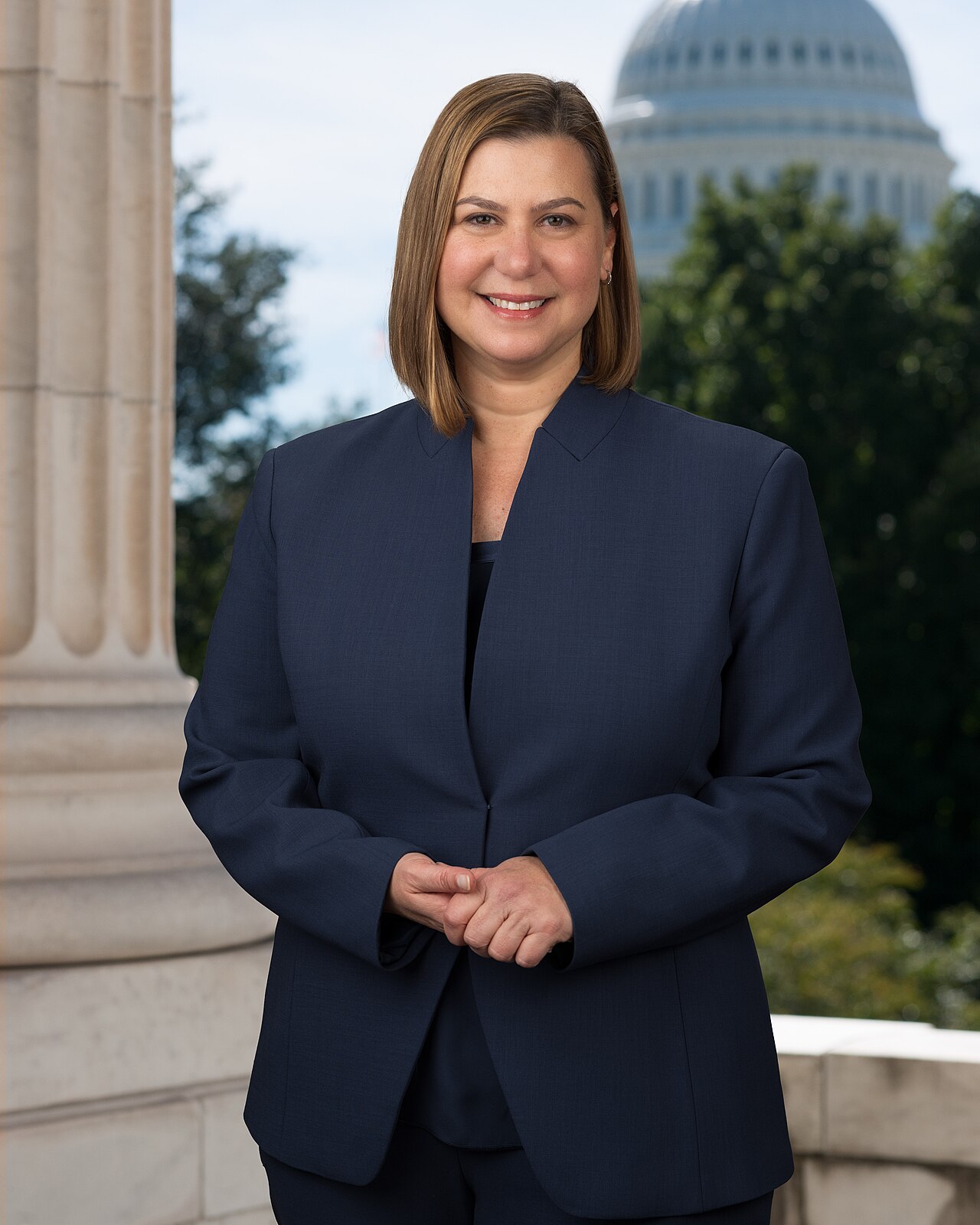
A recent scheduling conflict at a Detroit synagogue brought to light deep-seated ideological tensions within the Jewish community regarding the political trajectory of Michigan Senator Elissa Slotkin. The planned appearance by the Jewish Democrat at Congregation Shaarey Zedek was met with significant community discomfort, prompting the religious leadership to issue an acknowledgement of ‘offense and hurt’ to congregants. Although the Senator ultimately did not attend due to air travel disruptions, the incident highlighted a growing rift between her progressive political alignments and the traditional expectations of her constituents.
The Price of Political Moderation
Slotkin, who possesses a background in national security and has historically identified as Zionist, has recently staked out a moderate position within the Democratic Party. This attempt to bridge the gap between the progressive wing and more moderate voters has led to friction, particularly concerning her campaign support for Abdul El-Sayed. Some long-time Jewish supporters have expressed feelings of betrayal, arguing that she should have actively challenged the progressive narratives promoted by El-Sayed during the general election. One prominent donor noted his disappointment that she did not publicly critique the candidate’s platform.
This backlash signals a wider instability within the Jewish Democratic electorate. Slotkin’s association with El-Sayed, a figure who has faced criticism for questioning Israel, has put her at odds with the state’s traditional pro-Israel camp. This dynamic is particularly sensitive given the Senator’s growing national profile and her stated ambition to seek a presidential run in 2028, making her political affiliations a matter of high importance to major donors.
Ideological Shifts and Community Response
The conflict is rooted in Slotkin’s evolving policy stance. She has begun distancing herself from the party’s staunchly pro-Israel faction, notably by voting to restrict the sale of certain weapons to Israel. Furthermore, she has reduced her association with groups like AIPAC, a notable shift from her earlier political activities. While some community members view these changes as a betrayal of core values, others offer a different perspective. Leaders within the Jewish Democratic Council of America have asserted that Senator Slotkin’s current stance reflects a modern consensus: supporting Israel’s security while simultaneously opposing extreme government policies.
For Slotkin, navigating this complex landscape is a delicate act. Her efforts to position herself as a unifying figure are constantly challenged by internal community divisions. The incident at Shaarey Zedek serves as a clear warning sign that her pursuit of a moderate, bipartisan identity risks splitting her support base rather than consolidating it, placing her political future under intense scrutiny.
