



World Views
Iran’s Demographic Crisis: Population Forecast Slumps Despite State Push for Higher Birth Rates
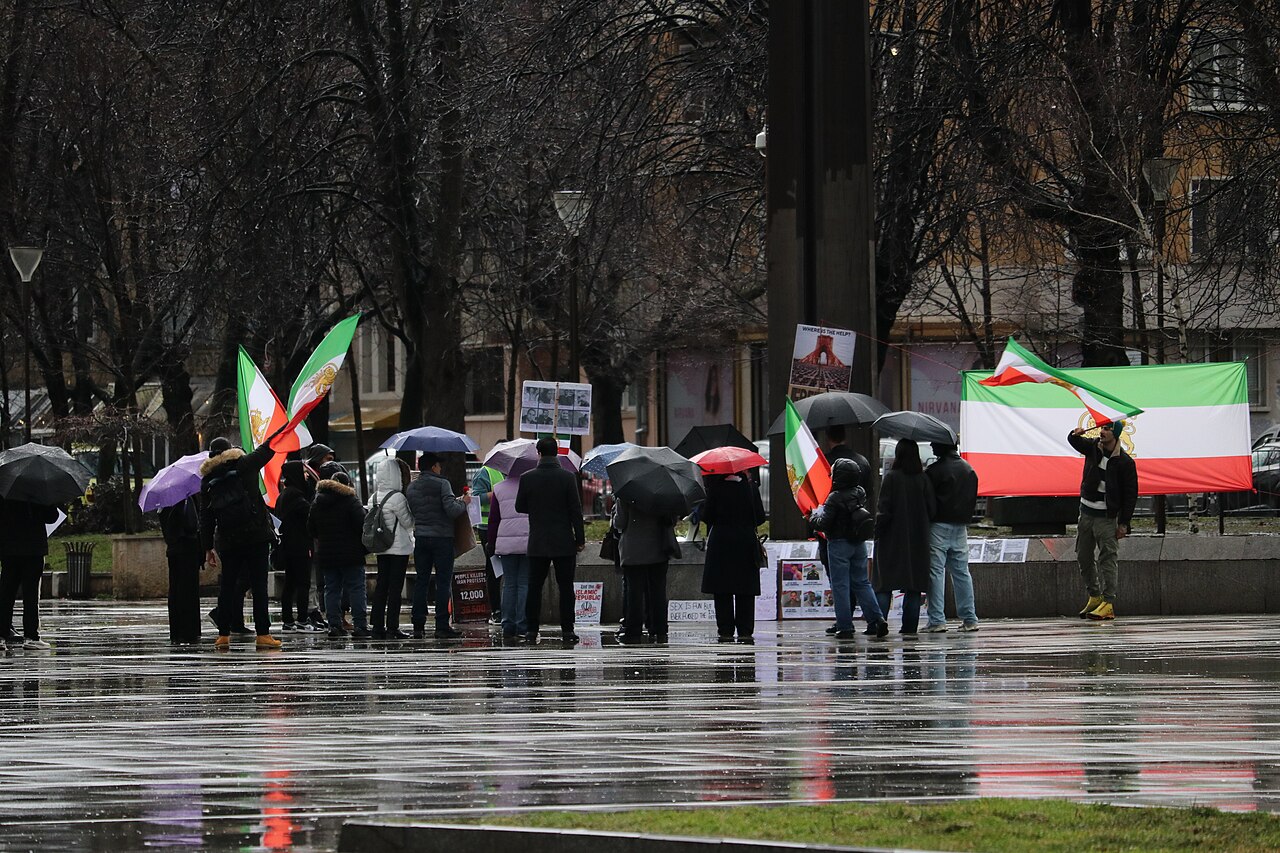
A stark demographic warning has emerged from Iran, projecting that the nation’s population could contract precipitously from its current level of nearly 87 million down to just 31 million over the next seven and a half decades. This alarming forecast, issued by a senior official at the National Population Headquarters, underscores the widespread failure of years of intensive government initiatives designed to encourage couples to have larger families.
The Collapse of Fertility
Marzieh Vahid Dastjerdi, secretary of the National Population Headquarters, highlighted the severe decline during an international fertility conference. Citing projections from the World Health Organization, she noted that Iran’s fertility rate has dropped to 1.34 children per woman in the period ending March 2026. This figure is significantly below the replacement level of 2.1 required for a stable, long-term population. This trend represents a sharp contraction when compared to the 1980s, when the average family size was considerably larger.
State Efforts Meet Economic Reality
The Islamic Republic has employed increasingly aggressive strategies to reverse this decline. These efforts span public advertising campaigns featuring large families as symbols of national strength, financial support programs, and appeals from senior religious figures who view population growth as a moral and national obligation. Legislation passed in 2021 provides various financial advantages, such as housing benefits and marriage loans, intended to support new parents.
However, these state-led campaigns are struggling against formidable economic headwinds. Young Iranians frequently report that the economic assistance offered is insufficient to offset the rising cost of living. High inflation, currency depreciation, and exorbitant housing costs have created an environment where starting a family is viewed as financially impossible. As one young resident stated, the available support is not adequate to begin a family life.
A Looming Social Challenge
The consequences of this demographic shift extend beyond simple population numbers. Authorities warn that the increasing proportion of elderly citizens—those over 60—could rise from approximately 13% to 32% by 2051, placing immense strain on healthcare infrastructure and the working population. Furthermore, annual marriage rates have plummeted, falling from roughly 900,000 in 2010 to just 431,000 in the latest reporting period, while the average age for women to have their first child continues to rise.
While government leaders, including successive Supreme Leaders, have repeatedly emphasized that population growth is a strategic necessity for the nation’s future, the underlying problem remains socio-economic. For many young Iranians, the primary barrier to starting a family is not a lack of motivation, but the lack of economic stability, making the government’s financial incentives feel inadequate against the backdrop of soaring prices.
World Views
Bilateral Intelligence Operation Uncovers Suspected Iranian Plot to Assassinate Target in Greece

A joint security operation involving North Macedonia and Greece has led to the detention of five individuals suspected of being involved in a sophisticated, Iran-linked conspiracy aimed at carrying out an assassination within Greece. Authorities from both nations announced the arrests on Tuesday, detailing a complex network that intelligence agencies believe was orchestrated under the direction of an Iranian national.
Operation Details and Suspect Profile
The investigation, which was conducted through close cooperation between the Greek intelligence service and North Macedonia’s National Security Agency, revealed that the plot was tied to individuals connected to Iranian security apparatuses and a high-level Iranian crime figure who facilitated the hiring of operatives. The National Security Agency confirmed that the operation was part of a broader effort, initiated since the start of 2026, to identify and neutralize the intentions of individuals tied to foreign or Iranian actors seeking to commit violent acts.
Key to the operation was the arrest of a North Macedonian citizen in Greece on November 12. This individual was subsequently extradited back to North Macedonia, where the initial operation was launched to apprehend the remaining four suspects. According to officials, one of the detainees provided crucial information regarding the planned meeting with the Iranian handler and the assassination strategy.
International Coordination and Threat Assessment
Security sources indicated that the group of suspects, who possess prior criminal records, had traveled to Iran, where they met their primary handler. This individual, identified as Iranian, reportedly maintains extensive contacts and works in collaboration with Iran’s intelligence services. Officials stressed that the nature of the threat involved highly organized foreign interference.
Broader Perspective on Regional Security
The successful apprehension of these suspects highlights the increasing need for robust cross-border intelligence sharing in the Balkans and surrounding regions. The combined efforts demonstrated the capacity of regional security bodies to dismantle plots originating from sophisticated international criminal and state-linked networks. While Iran has not yet issued a public response to the matter, the arrests underscore the persistent challenges nations face in countering transnational threats and foreign influence operations. The investigation is ongoing, and authorities are continuing to analyze the scope and full implications of the uncovered plot.
World Views
As Caribbean Health Systems Face Crisis, Israel Emerges as Strategic Partner in Regional Transition
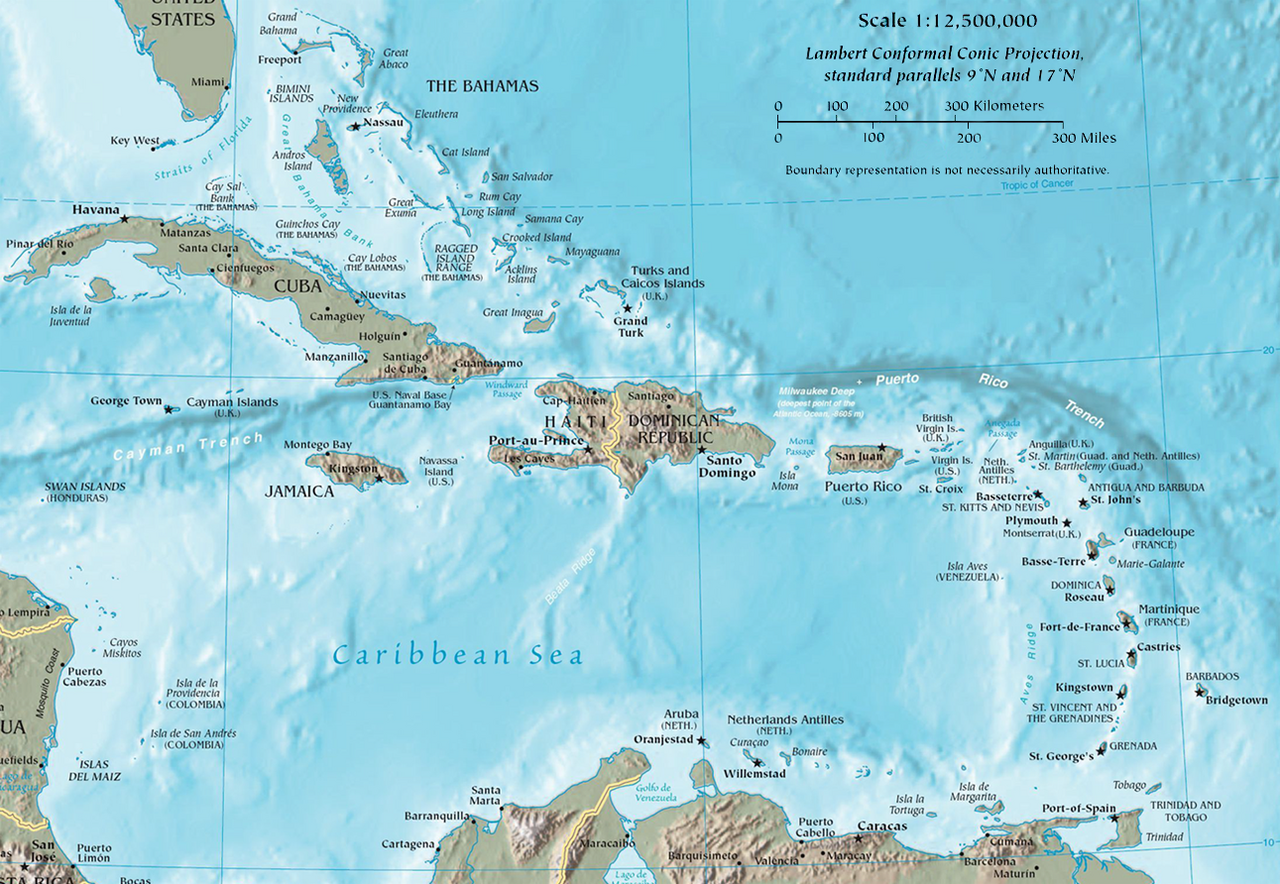
A significant geopolitical shift is underway across the Caribbean as Western Hemisphere nations begin dismantling decades-old medical cooperation agreements with Cuba. Driven by increased pressure from Washington, several regional governments are reviewing or phasing out state-run Cuban medical missions, citing concerns regarding labor practices and financial arrangements with Havana. This rapid transition, while aligning with U.S. policy goals, is simultaneously creating a substantial and immediate void in the essential healthcare services provided to local populations, placing immense strain on already fragile regional health infrastructures.
The Policy Shift and Regional Vacuum
The United States has actively urged Caribbean and Latin American countries to abandon these medical arrangements. In response, nations such as Guatemala, Bahamas, and Guyana have taken concrete steps to renegotiate or terminate contracts with the Cuban government. While some countries are finding new employment arrangements for the medical personnel, the overall movement signals a major overhaul of regional health diplomacy. Recognizing this challenge, the U.S. government has outlined a strategy to aid these nations, offering support for modernizing healthcare infrastructure, implementing telemedicine, and recruiting medical professionals from other countries.
An Unconventional Opportunity for Israel
Amidst this regional upheaval, a unique diplomatic and commercial opportunity is presenting itself for Israel. Unlike the United States, which is actively driving the discontinuation of these missions, Israel is not bound by an obligation to replace the services. This unique position allows the country to enter the dialogue as a strategic partner, rather than a mandated replacement provider. Israeli expertise in advanced healthcare technologies, including digital health, remote consultations, and hospital administration, offers a practical solution to extend the reach of existing local medical staff.
The focus, experts suggest, must remain on bolstering local capacity rather than simply substituting doctors with technology. However, Israel possesses established channels for implementation. Precedents exist, such as the swift assistance provided by Israeli medical teams to Jamaican hospitals following a major storm. Furthermore, institutional ties through the Inter-American Development Bank already link Healthcare Israel to Latin American and Caribbean digital health initiatives.
Expanding Diplomatic Horizons
By offering targeted clinical assistance and professional training, Israel can not only stabilize regional healthcare delivery but also achieve broader diplomatic goals. This cooperation provides a practical avenue to strengthen ties across the Caribbean and Latin America, potentially fostering mutual trust in areas previously overshadowed by political differences. The initiative could also unlock commercial opportunities for Israeli medical technology firms. As noted by commentators, this move could extend the spirit of practical, beneficial partnerships—similar to those fostered by the Abraham Accords—beyond the Middle East, transforming a regional health challenge into a powerful engine for international cooperation and goodwill.
World Views
Iranian Disillusionment Grows as US Signals Retreat from Military Campaign Against Regime
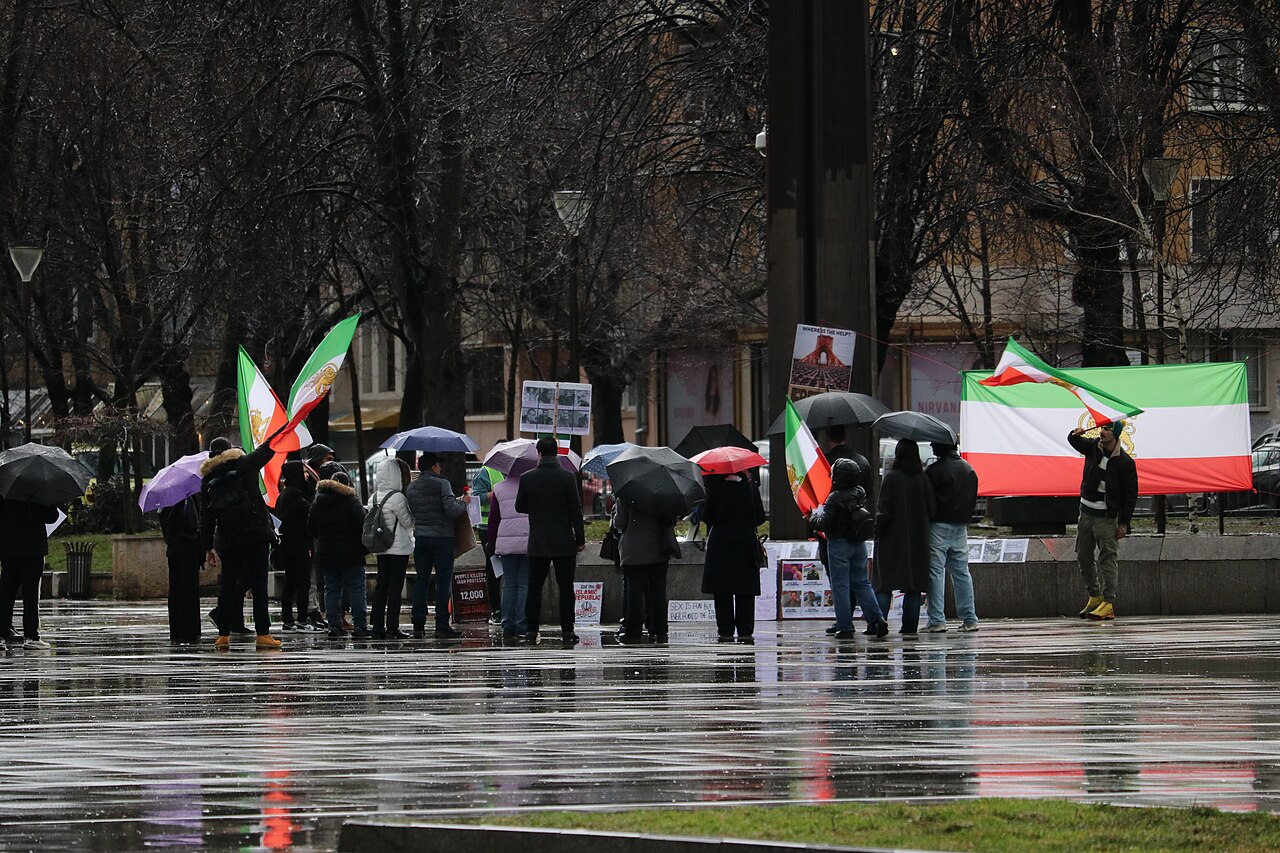
A growing sense of frustration and profound disappointment is sweeping through Iran as high-ranking American officials, including President Donald Trump, have indicated a reluctance to initiate further large-scale military operations against the Islamic Republic. For many Iranians who had pinned their hopes on American and Israeli military action to destabilize the ruling government and spark political transformation, the prospect of Washington stepping back has proven deeply disheartening.
The Unfulfilled Promise of Intervention
Many citizens in Iran, who have endured years of economic hardship and political repression, viewed the military involvement by the United States and Israel as a critical opportunity to weaken the entrenched authorities. Speaking with journalists, anonymous Iranian sources expressed deep disappointment, noting that the promises of regime change made by both the Trump administration and Israeli leadership had not materialized. These individuals, who have faced severe risks, including potential death penalty charges, highlighted that repeated internal efforts to challenge the government had been met with brutal force. Consequently, foreign intervention was seen by some as a final, desperate hope for systemic change.
Shifting Priorities in Washington
Recent statements from American officials suggest that additional military strikes may not be necessary, pointing instead to the effectiveness of the existing economic sanctions and the naval blockade imposed on Iranian ports. President Trump recently communicated that the conflict was, militarily speaking, ‘effectively over,’ though he maintained that American forces remained prepared to act if circumstances warranted it. This stance reflects a pivot in US strategy, prioritizing economic leverage and political stability over further kinetic military action. Furthermore, discussions involving regional mediators, such as Qatar, have been actively sought to de-escalate tensions between Tehran and Washington.
Diverging Views on the Future
While some Iranians feel discouraged by the administration’s move away from offensive action, believing the government should have been defeated by any means possible, others remain resolute. These individuals argue that while the regime’s military strength has been diminished by the conflict, a lack of continued external pressure would allow the government to rebuild its capabilities, potentially endangering global stability. This highlights a critical divergence: Washington appears to be calculating the political and economic costs of continued involvement, while many Iranians still view sustained American pressure as essential to preventing the Islamic Republic from restoring its power. Meanwhile, Iran has issued warnings that it is ready to retaliate against critical infrastructure across the Middle East, keeping the possibility of renewed confrontation highly unresolved.
