



World Views
The Power of Imagination: How Investor Narratives and Future Fears Drive Market Volatility
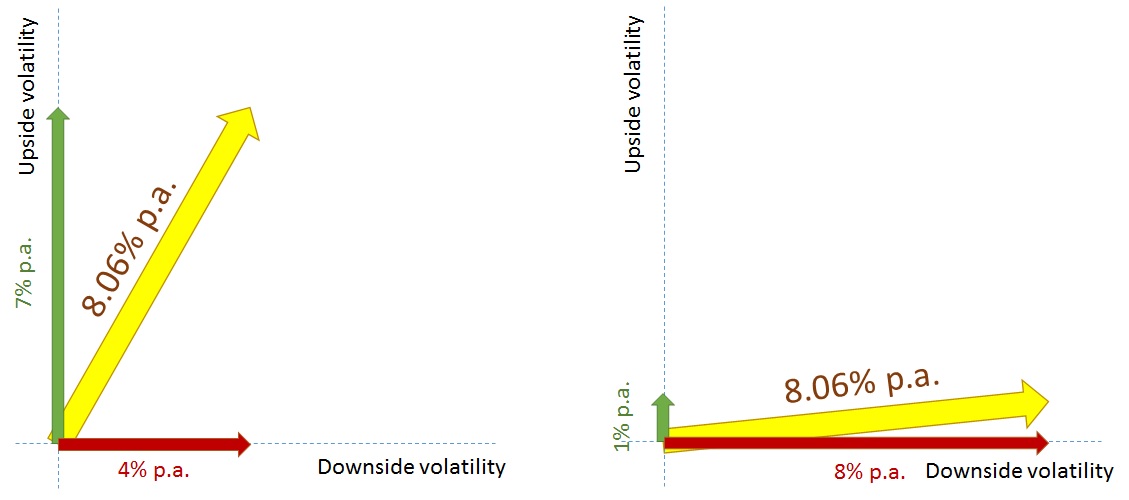
Recent extreme swings in the technology sector have prompted widespread discussion regarding the sustainability of the artificial intelligence boom. Following a significant downturn in Wall Street, driven by sharp declines in major chip manufacturers like Nvidia, the market experienced a dramatic, almost instantaneous reversal. This volatility highlights a critical phenomenon: the immense power of collective human narrative to shape economic reality.
The Rapid Shift in Market Perception
In a single trading week, the stock value of a key AI company surged by over 31 percent following the return of its CEO, adding hundreds of billions to its valuation. However, this euphoria quickly subsided, with the company subsequently falling more than 8 percent. Financial analysts note that these rapid transformations were not the result of sudden technological breakthroughs or failures, but rather the speed at which investors constructed and subsequently discarded their expectations for the future. The market, in this sense, operates as a sophisticated collective imagination, where trillions of dollars are moved based on projected hopes and anxieties.
The Anatomy of Future Anxiety
This psychological dynamic mirrors human experience far beyond the trading floor. Reports indicate that individuals often take small, inconclusive facts—such as a difficult medical test or a single poor business quarter—and extrapolate them into comprehensive future catastrophes. This tendency to catastrophize is a powerful force, capable of causing real physical and emotional distress, even when the feared event has not yet materialized. The core lesson, derived from ancient wisdom, emphasizes that while preparation is sensible, we must resist the urge to treat mere possibilities as certainties.
Lessons from the Ancient Struggle
The biblical account of Jacob wrestling an adversary provides a potent metaphor for this struggle against projected uncertainty. Jacob faced a terrifying future—a confrontation with his brother, Esav, who had previously threatened his life. Though he meticulously prepared for the encounter, the night revealed a deep struggle with the fear of what might happen. This encounter, interpreted by scholars as a prophetic vision, underscores that the internal battle against future dread can be as real and impactful as a physical conflict.
This perspective suggests that while prudent investors must assess and mitigate present risks, they should not allow the imagined worst-case scenario to dictate their current behaviour. The disciplined approach involves taking responsible action today—planning, advising, and preparing—but refusing to let a potential tomorrow define one’s present stability. Financial stability, like personal well-being, requires disciplined action in the moment, rather than succumbing to the relentless, often unfounded, narratives of impending collapse.
World Views
Coalition Crisis Looms: Eisenkot’s Bloc Faces Mathematical Deadlock Over Military Service
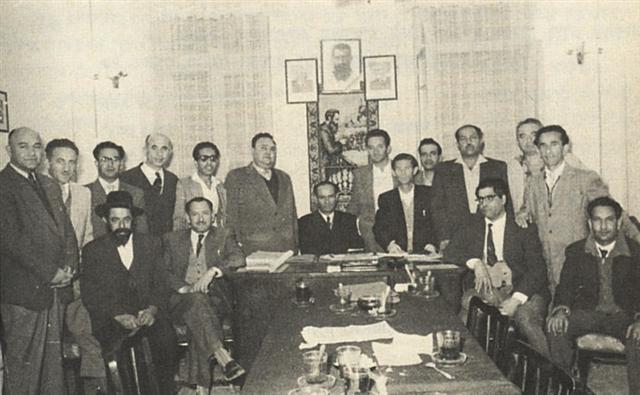
The path to forming a new government remains perilously narrow, as Gadi Eisenkot’s political bloc finds itself at the centre of a high-stakes political quagmire. Negotiations with various coalition partners have reached a critical juncture, with the final composition of the government hanging precariously on deeply divisive issues, most notably the military draft exemption. The bloc, which commands 48 seats, is mathematically constrained, meaning there are effectively no seats to spare to absorb any political disagreements.
The Tightrope Walk of Coalition Building
The process has been marked by sudden shifts in diplomatic posture. While some parties, including Likud, have expressed reservations about moving forward, others have signaled strong intent. The Democratic party, for instance, reportedly halted talks, demanding that ongoing judicial reform discussions be fully exhausted before any formal agreement could be reached. Meanwhile, Eisenkot’s party has confirmed agreements with Likud, marking the first such deal since the election, although the viability of this partnership remains highly contested.
The fundamental disagreement among Eisenkot’s partners is the nature of the government they wish to see. Some parties advocate for a government based on the inclusion of Arab political entities, while others insist on a specific ideological alignment, creating a fragmented landscape of competing demands.
The Battle Over Military Service and Law
At the core of the impasse is the issue of military service for Haredi men. Eisenkot’s faction has maintained a firm stance that there should be absolutely no compromise on the principle of ‘military service for all.’ This position clashes sharply with the demands of certain religious factions, such as United Torah Judaism (UTJ). UTJ insists that a binding law must be enacted before any government is sworn in, a condition Eisenkot’s side prefers to manage through a cabinet decision after the government takes office.
This legal and political conflict is further complicated by the Supreme Court’s rulings regarding draft exemptions, which have challenged prior legislative attempts to freeze arrests. The military itself has provided estimates on draft dodgers, indicating that a vast majority of those evading service belong to the Haredi community, intensifying the urgency of the debate.
Alternative Scenarios and The Deadline
Analysts are observing multiple potential outcomes. One path involves a minority government, potentially sworn in with only 46 to 48 seats, while another possibility involves a small cabinet designed to replace the current Prime Minister and trigger a new election if no wider support is secured. The ultimate deadline for the mandate is fast approaching, putting immense pressure on Eisenkot to broker a deal. Despite the intense negotiations, the religious parties remain divided on the immediate political future, suggesting that a quick resolution remains highly unlikely.
World Views
Historic Victory: Paralympic Athlete Ezra Frech Claims Major Award on ‘Dancing With the Stars
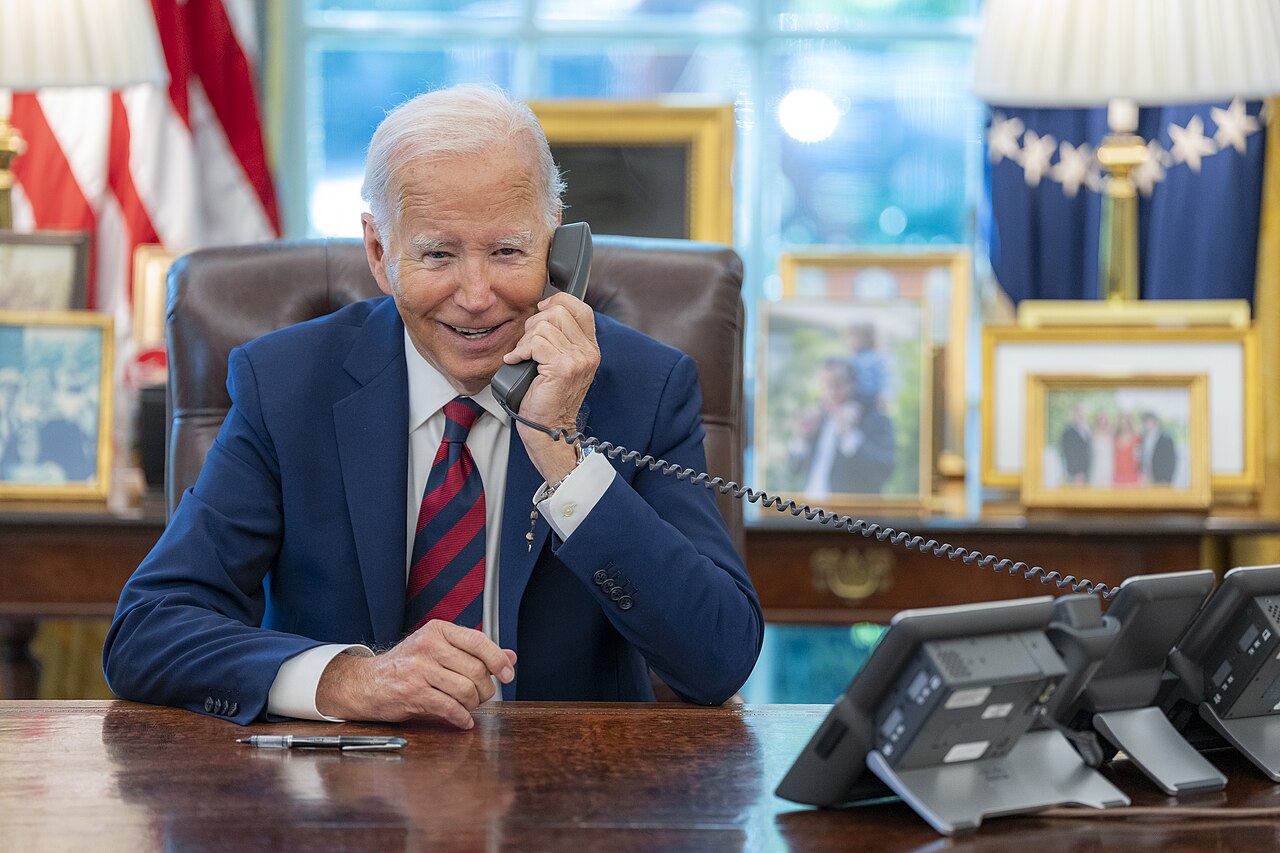
In a monumental achievement that reshaped the landscape of reality television, Jewish athlete Ezra Frech secured the prestigious Len Goodman Mirrorball Trophy during the finale of ‘Dancing With the Stars’ Season 35. At just 21 years old, Frech became the youngest male winner in the show’s history, marking a historic milestone as the first Paralympian and the inaugural amputee to claim the coveted accolade.
A Triumph of Dedication and Skill
Frech, partnered with professional dancer Daniella Karagach, clinched the award following a combination of public voting and high scores from the panel of judges. Their final routine, a freestyle piece set to music by Linkin Park, earned them a perfect 30/30 score. The performance itself was fraught with drama; midway through the dance, Frech’s prosthetic leg slipped off. Despite this unexpected difficulty, the athlete demonstrated incredible resilience, successfully reattaching the device and completing the complex routine. Following the announcement of his victory, the athlete expressed deep gratitude, noting that the experience was profoundly special and thanking the audience for their support.
From Congenital Difference to World Champion
Frech’s journey is marked by extraordinary athletic prowess and personal fortitude. Born with congenital limb differences, he underwent a left leg amputation at the age of two. His dedication to sport has seen him achieve remarkable success at the highest level. He was a key competitor in the 2024 Paris Paralympics, where he secured two gold medals in the 100-meter dash and the high jump (T63 classification). Notably, he set a new Paralympic world record in the high jump and currently holds the title of world champion in that event.
Advocacy and Community Impact
Beyond the competitive arena, Frech is deeply committed to fostering opportunities for others facing physical limitations. Alongside his father, he co-founded Angel City Sports in 2013. This nonprofit organization is dedicated to providing free sporting opportunities to individuals with disabilities in the Southern California area. His victory on the national stage serves not only as a personal triumph but also as a powerful statement for the entire disabled community, reinforcing the message that physical challenges do not define potential. The show’s live nationwide airing allowed millions of viewers to participate in the voting process, amplifying the reach of Frech’s inspiring story to a massive audience.
World Views
Iraq’s Supreme Court Greenlights Federal Takeover of Kurdish Borders and Oil Assets
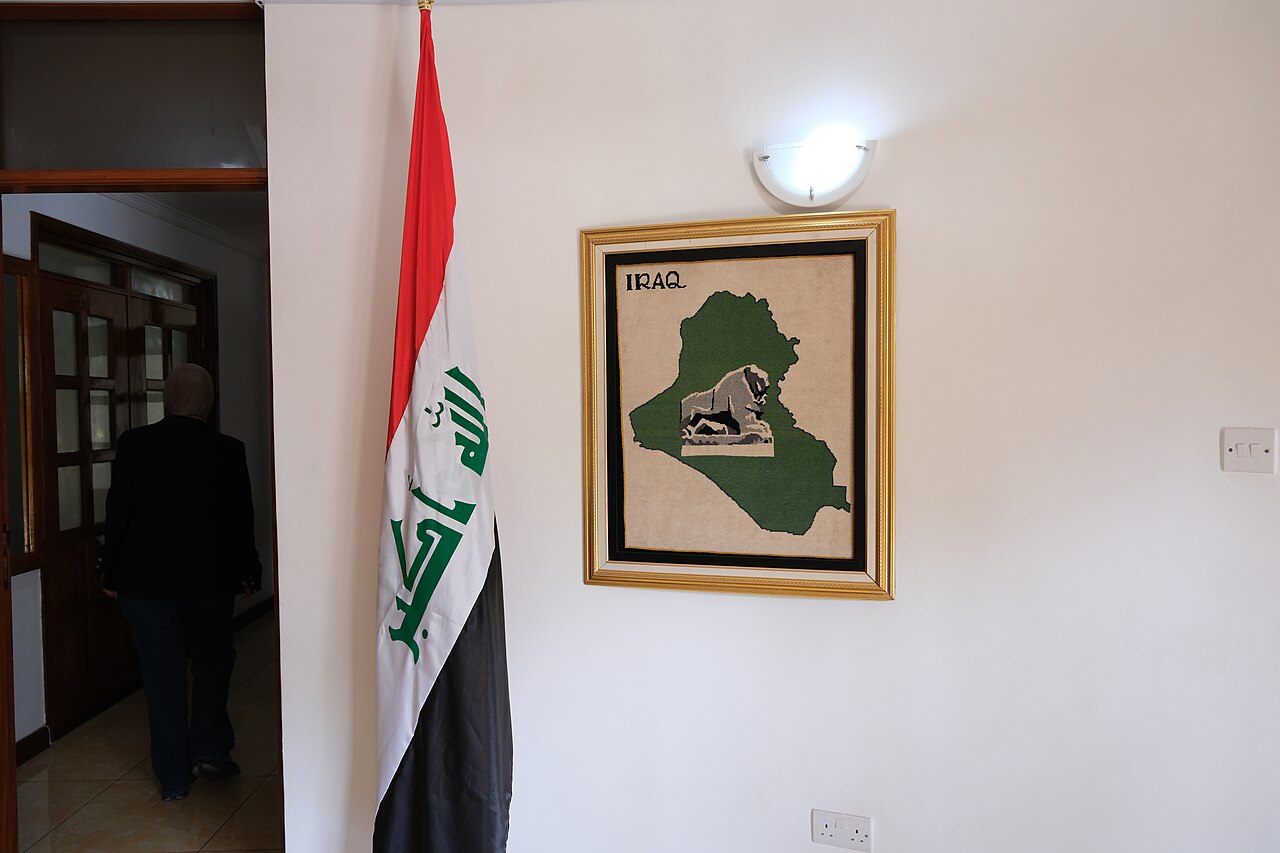
The highest judicial body in Iraq has effectively provided the green light for Baghdad to extend federal authority deep into the semi-autonomous Kurdistan Region, marking a significant escalation in the nation’s ongoing struggle for centralized control. The ruling permits federal forces to deploy along all international boundaries, including those within the Kurdish territories, directly supporting Prime Minister Ali al-Zaidi’s determined push to assert the central government’s dominance.
Federal Authority Expands into Kurdish Territory
The court decision allows federal agencies to oversee operations at all border crossings. However, it mandates that this oversight must be coordinated with regional and provincial administrations regarding customs administration. Furthermore, the ruling grants the federal oil ministry the power to audit and supervise oil and gas fields. This is a critical development, as Mr. Zaidi has already directed the federal ministry to manage state-owned oil fields located in provinces near the Kurdish region, including Kirkuk, Nineveh, and Diyala.
The Centralization Agenda
These aggressive moves are viewed by political observers as part of a comprehensive effort by the Prime Minister to dismantle the deeply entrenched system of ‘states within a state’ that has long defined the country. Zaidi’s strategy is twofold: to restrain armed groups operating outside state command and to draw clear boundaries on the KRG’s independent control over vital economic and security matters. Experts suggest that the judiciary has been highly supportive of this governmental campaign, providing the necessary legal framework to define issues of sovereignty and legality.
The immediate impetus for this push stems from serious allegations of illicit trade. State intelligence reports indicate that state-owned oil from North Oil Company is being diverted and smuggled from Kirkuk and Sulaymaniyah into Iran and onward to Afghanistan. This smuggling probe was the catalyst for Zaidi’s recent confrontation with the Iran-backed militia Kataib Hezbollah, demonstrating his willingness to challenge non-state actors.
Resistance and Future Implications
The Kurdistan Regional Government swiftly dismissed the federal measures, publicly labeling them as ‘military language and threats.’ Despite the KRG’s strong rejection, security sources indicate that a direct military clash with Kurdish forces is not a viable option for Baghdad. Instead, the coming days are expected to see the deployment of additional federal personnel near strategic oil fields, signifying a gradual, yet firm, assertion of central power.
Political analysts warn that while the judiciary has provided the legal foundation for this drive, implementing changes that challenge decades of power accrued by powerful factions—both Kurdish and Shi’ite militias—will remain politically complex and fraught with resistance.
