


World Views
New Report Details Council on American-Islamic Relations’ Deep Influence on US School Curricula
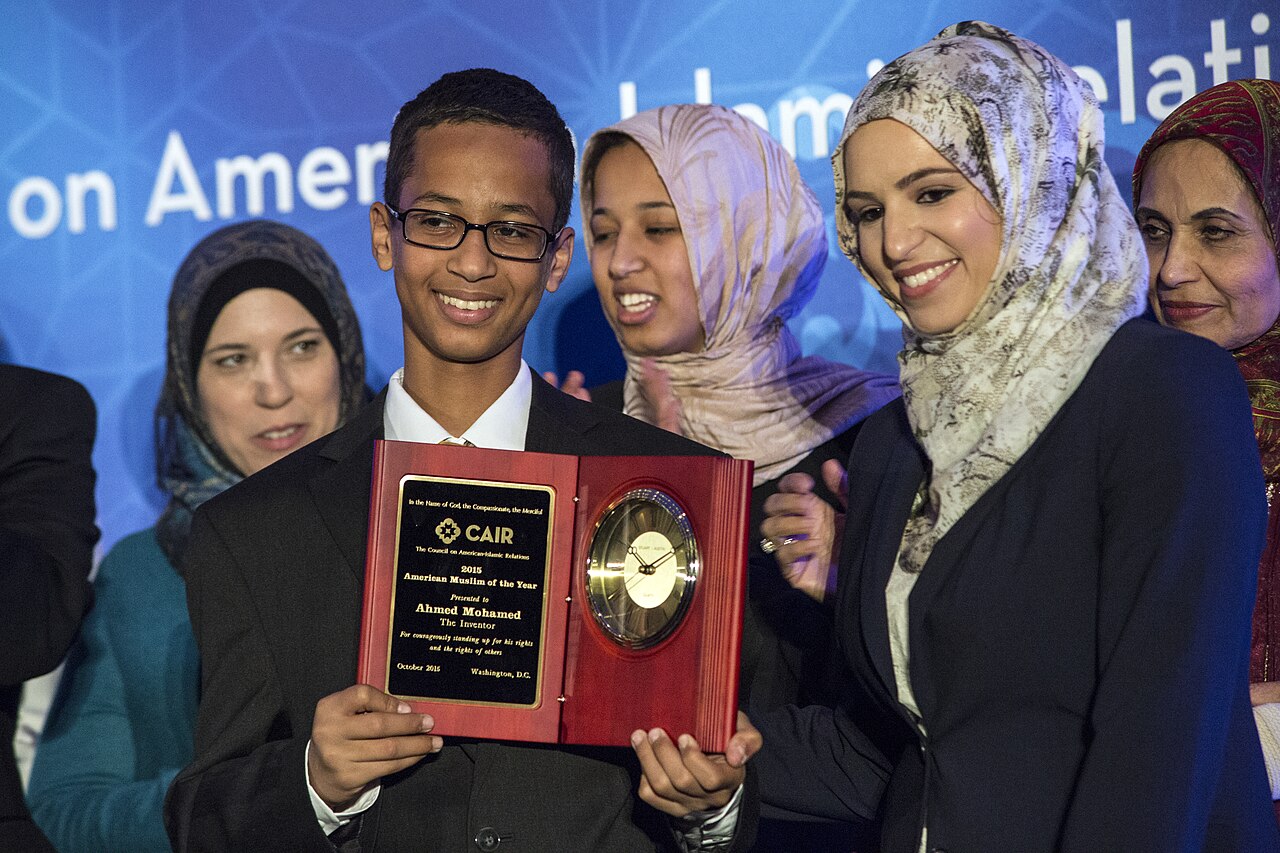
An extensive new investigation from George Washington University’s Program on Extremism has brought intense public attention to the Council on American-Islamic Relations (CAIR), detailing the organization’s extensive efforts to shape how public schools across the United States address Israel, terrorism, and antisemitism. The research, titled ‘The Long Game: CAIR’s Campaign to Influence K-12 Education,’ documents how the advocacy group utilizes curriculum resources, policy proposals, and legal action to embed its viewpoint into American educational systems.
Mechanisms of Policy Influence
The report, authored by researchers Asher Stern and David Collins, examines CAIR’s activities in several states, including Maryland, Virginia, New Jersey, and Washington. The findings indicate that while the impact varies regionally, CAIR has successfully established powerful channels for participating in educational policy discussions. A notable example cited is Washington State, where the CAIR chapter reportedly spent months negotiating proposed revisions with the state’s education agency before new guidance on contentious issues was officially adopted.
Advocacy and Resource Materials
CAIR, which identifies itself as a major Muslim civil-rights organization, promotes educational materials that extend beyond merely protecting students from discrimination. The researchers argue that the group is actively influencing discussions around Zionism, the Palestinian national movement, and the nature of terrorism. Specifically, the organization’s upcoming back-to-school resource guide includes materials covering Gaza, Palestine advocacy, the September 11 attacks, and definitions of extremism, alongside resources on religious accommodation.
Historical Context and Scrutiny
The investigation places CAIR’s current educational outreach within a complex historical context. The report references evidence from federal cases involving the Holy Land Foundation, noting that CAIR co-founders were associated with a 1993 Muslim Brotherhood structure linked to Hamas. Furthermore, the group has faced federal scrutiny, including FBI restrictions in 2008, and was removed from a White House strategy list following controversial statements made by its leadership regarding the October 7, 2023, attacks. Critics contend that a comprehensive educational curriculum must also acknowledge the history of Jewish peoplehood, Israel’s security concerns, and the severe atrocities committed by Hamas that day.
The authors stress that while the group’s history is controversial, their findings do not assert that every CAIR initiative is inherently extremist. Nevertheless, the researchers conclude that the public requires transparency regarding the extent of the organization’s role in shaping public education, particularly when political claims are presented as established facts.
World Views
Security Crisis Grips Saudi Arabia as Aramco Staff Evacuate Amid Houthi Escalation
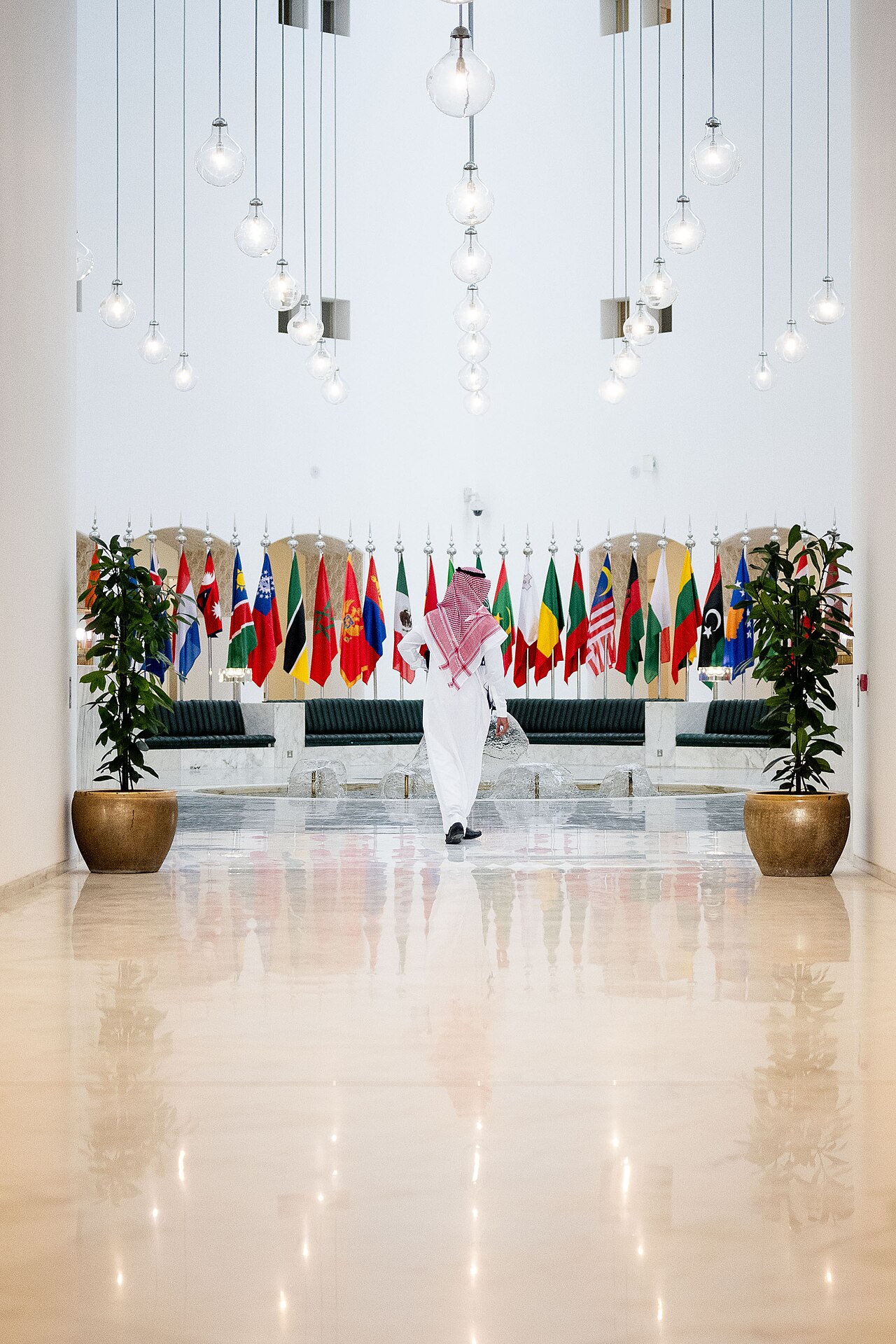
Saudi Aramco, the world’s largest crude oil exporter, has mandated the evacuation of its headquarters in Dhahran, following a dramatic surge in military confrontations with Yemen’s militant groups. Sources confirmed that the state energy giant instructed personnel to leave the facility and shift to remote operations as the conflict intensifies, reflecting a severe deterioration of regional security.
Escalating Conflict and Attacks on Critical Infrastructure
The security directive came after a recent barrage of assaults targeting both Saudi companies and major national airports. The fighting has been fueled by the continued aggression of the Houthi factions, who have advanced toward the vital Bab el-Mandeb shipping lane at the mouth of the Red Sea. Militant spokespersons claimed responsibility for recent strikes against Aramco facilities in Yanbu and the Saudi defense ministry in the capital city of Riyadh, though Saudi authorities have not verified these specific incidents. The Saudi-led coalition responded by intercepting drone flights over the capital and the holy city of Medina.
Global Market Reacts to Regional Instability
The heightened tension immediately sent shockwaves through global financial markets. Concerns over the potential disruption to crude oil supply from the Middle East caused oil prices to climb sharply, hitting their highest levels since May. Concurrently, the Saudi stock market index experienced a notable decline following the news regarding the energy company’s security measures. Analysts point to the escalating regional instability as the primary driver behind the volatile commodity prices.
Background to the Security Crisis
The current unrest marks a significant departure from the 2022 truce brokered by the United Nations, which had largely suppressed cross-border hostilities. The renewed violence has effectively opened a new front in the broader geopolitical contest involving Iran and its allies. Earlier this month, the Houthi groups had already inflicted extensive damage upon the Aramco headquarters. In response, Saudi Arabia has vowed to safeguard its territory, launching retaliatory strikes against missile launcher sites and reporting the interception of numerous ballistic projectiles fired by the faction.
The conflict has also impacted civilian safety; a recent Houthi assault on King Fahd International Airport near Dhahran resulted in multiple casualties. Despite the attacks, civil aviation authorities confirmed that airport operations have since resumed, and air traffic has returned to its normal schedule. The escalating situation underscores the deep volatility now present in one of the world’s most crucial energy regions.
World Views
Canada and Turkey Formalize Strategic Alliance Amid Global Trade Diversification Push

In a significant diplomatic move aimed at reducing economic dependency on the United States, Canada and Turkey have officially elevated their bilateral relationship to a ‘strategic partnership.’ The agreement, formalized during a recent visit by the Canadian Prime Minister, signals a major pivot toward new global trade avenues and deepens cooperation across several critical sectors. This initiative is central to a broader international trade strategy designed to insulate Canada’s economy from escalating trade pressures in North America.
A Four-Pillar Economic and Security Pact
The newly established partnership focuses on four core pillars: commerce and investment, defense and security, energy development, and diplomatic ties. Ministers from both nations signed specific cooperation agreements covering air transport, defense technology, and energy projects. Officials stated that the agreement includes a three-year action plan designed to boost opportunities for businesses in both countries. Economically, the nations have set ambitious goals, aiming to increase their current trade volume, which was previously estimated at $3 billion, up to $10 billion in the future. Negotiators are scheduled to commence free trade discussions next month in Ankara.
Navigating Geopolitical Currents
The move marks a substantial thawing in relations, overcoming previous diplomatic chilliness stemming from Canadian concerns regarding human rights and past limitations on military exports to Turkey. Turkey, a key emerging market, is actively seeking greater collaboration in its expanding defense industry, nuclear power initiatives, and mining sectors. Turkish leadership praised the Canadian Prime Minister, noting that the alliance alleviates a long-standing disconnect between the two nations. Analysts suggest this trip is driven by a ‘geopolitical necessity’ to signal to major Western powers that Canada is actively diversifying its economic partnerships, moving away from singular reliance on the US market.
The Balancing Act of Commerce and Rights
While the economic benefits are clear, the partnership presents a complex diplomatic challenge. Although the current trade volume with Turkey represents a small fraction of Canada’s total merchandise trade, the bilateral exchange has shown considerable growth over the past five years. Experts have noted that the Canadian administration is prioritizing economic advancement, leading to a decreased emphasis on human rights monitoring in the relationship. This shift comes as Turkey has faced international criticism regarding its handling of political opposition and civil liberties. Political scientists caution that the Prime Minister must carefully manage the delicate balance between opening new commercial doors for Canada and upholding Canada’s international commitment to equality and human rights.
Furthermore, the partnership has been bolstered by recent changes, including Canada lifting certain weapons-export restrictions on Turkey in 2024. This commitment to strategic depth, spanning from critical minerals and liquefied natural gas to defense cooperation, underscores a deliberate effort by Canada to secure its global standing in an increasingly fragmented world order.
World Views
Global Isolation Intensifies: Israel Faces Wave of Sanctions, Threatening Economic Stability
New data reveals that Israel is currently subject to a rapidly expanding network of international trade restrictions and punitive measures across numerous nations, raising serious alarms about the country’s long-term economic viability. According to recent findings from the Jewish People Policy Institute (JPPI), a total of 139 sanctions and diplomatic restrictions have been documented across 64 different countries and entities. Of these, 94 non-academic measures are currently active, signaling a dramatic escalation in global pressure.
The Scope of the Economic Pressure
The measures tracked by the research organization are highly varied, ranging from targeted financial penalties against specific organizations to outright trade prohibitions and arms export restrictions. Analysts caution that this growing international backlash could severely jeopardize the nation’s global trade relationships and foreign investment portfolio. Dr. Shuki Friedman, the Director General of JPPI, warned that the accumulating sanctions pose an existential threat, emphasizing that as a geographically isolated state, Israel relies heavily on global cooperation for both its security and its daily functioning.
The recent actions by key Western powers highlight the shift in policy. The United Kingdom, for instance, introduced a comprehensive package of economic sanctions targeting Israeli settlements in the West Bank. This move marked a sharp deviation from previous British diplomatic stances. The new UK policy prohibits the importation of goods from these communities and places restrictions on any companies or individuals involved in facilitating settlement expansion, including those providing real estate or construction services.
A Continent-Wide Boycott Effort
The trend of economic isolation is not limited to London. France and Canada have joined the UK in implementing import bans on goods originating from Israeli communities in the West Bank, contributing to a growing boycott movement. Several other European nations, including Denmark, Finland, and Sweden, have pledged support for these restrictive policies. Furthermore, at the European Union level, significant pressure has been building to suspend the Association Agreement, a pact that governs the political and financial ties between the bloc and Israel. Such a suspension would disrupt not only commerce but also vital academic exchanges and joint research initiatives.
The Netherlands has taken a particularly stringent step, enacting a law that bans imports not only from West Bank communities outside the Green Line but also from the Golan Heights. This increasing legislative action across Europe demonstrates a coordinated effort to economically isolate the Jewish state. While the Bank of Israel has recently forecast robust economic growth for the coming years, the accumulation of these international restrictions—driven by disputes over West Bank settlements and the military campaign in Gaza—threatens to undermine the very resilience the economy has demonstrated in recent years. The consensus among experts is that this mounting pressure is fundamentally challenging Israel’s ability to maintain its status as a globally integrated economic power.
