


Features
Susan Silverman: diversification personified
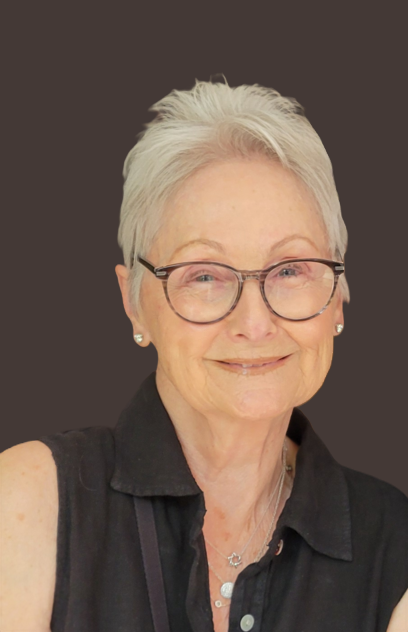
By GERRY POSNER I recently had the good fortune to meet, by accident, a woman I knew from my past, that is my ancient past. Her name is Susan Silverman. Reconnecting with her was a real treat. The treat became even better when I was able to learn about her life story.
From the south end of Winnipeg beginning on Ash Street and later to 616 Waverley Street – I can still picture the house in my mind – and then onward and upwards, Susan has had quite a life. The middle daughter (sisters Adrienne and Jo-Anne) of Bernie Silverman and Celia (Goldstein), Susan was a student at River Heights, Montrose and then Kelvin High School. She had the good fortune to be exposed to music early in her life as her father was (aside from being a well known businessman) – an accomplished jazz pianist. He often hosted jam sessions with talented Black musicians. As well, Susan could relate to the visual arts as her mother became a sculptor and later, a painter.
When Susan was seven, she (and a class of 20 others), did three grades in two years. The result was that that she entered the University of Manitoba at the tender age of 16 – something that could not happen today. What she gained the most, as she looks back on those years, were the connections she made and friendships formed, many of which survive and thrive to this day. She was a part of the era of fraternity formals, guys in tuxedos and gals in fancy “ cocktail dresses,” adorned with bouffant hair-dos and wrist corsages.
Upon graduation, Susan’s wanderlust took her to London, England. That move ignited in her a love of travel – which remains to this day. But that first foray into international travel lasted a short time and soon she was back in Winnipeg working for the Children’s Aid Society. That job allowed her to save some money and soon she was off to Montreal. It was there, along with her roommate, the former Diane Unrode, that she enjoyed a busy social life and a place for her to take up skiing. She had the good fortune of landing a significant job as an executive with an international chemical company that allowed her to travel the world as in Japan, Hong Kong, New Zealand, Australia, Mexico, the Netherlands and even the USA. Not a bad gig.
In 1983, her company relocated to Toronto. She ended up working for companies in the forest products industry as well the construction technology industry. After a long stint in the corporate world, Susan began her own company called “The Resourceful Group,” providing human resource and management consulting services to smaller enterprises. Along the way, she served on a variety of boards of directors for both profit and non-profit sectors.
Even with all that, Susan was really just beginning. Upon her retirement in 2006, she began a life of volunteering. That role included many areas, from mentoring new Canadians in English conversation through JIAS (Jewish Immigrant Aid Services) to visiting patients at a Toronto rehabilitation hospital, to conducting minyan and shiva services. Few people volunteer in such diverse ways. She is even a frequent contributor to the National Post Letters section, usually with respect to the defence of Israel
and Jewish causes.
The stars aligned on New Year’s Eve, 1986, when she met her soon to be husband, Murray Leiter, an ex- Montrealer. Now married for 36 plus years, they have been blessed with a love of travel and adventure. In the early 1990s they moved to Oakville and joined the Temple Shaarei Beth -El Congregation. They soon were involved in synagogue life, making life long friends there. Susan and Murray joined the choir, then Susan took the next step and became a Bat Mitzvah. Too bad there is no recording of that moment. Later, when they returned to Toronto, they joined Temple Emanu-el and soon sang in that choir as well.
What has inspired both Susan and Murray to this day is the concept of Tikkun Olam. Serving as faith visitors at North York General Hospital and St. John’s Rehab respectively is just one of the many volunteer activities that has enriched both of their lives and indeed the lives of the people they have assisted and continue to assist.
Another integral aspect of Susan’s life has been her annual returns to Winnipeg. She makes certain to visit her parents, grandparents, and other family members at the Shaarey Zedek Cemetery. She also gets to spend time with her cousins, Hilllaine and Richard Kroft and friends, Michie end Billy Silverberg, Roz and Mickey Rosenberg, as well as her former brother-in-law Hy Dashevsky and his wife Esther. She says about her time with her friends: “how lucky we are to experience the extraordinary Winnipeg hospitality.”
Her Winnipeg time always includes requisite stops at the Pancake House, Tre Visi Cafe and Assiniboine Park. Even 60 plus years away from the “‘peg,” Susan feels privileged to have grown up in such a vibrant Jewish community. The city will always have a special place in her heart. Moreover, she seems to have made a Winnipegger out of her husband. That would be a new definition of Grow Winnipeg.
Features
How Hobbies Improve Quality of Life

Hobbies directly influence how we handle stress, maintain focus, and recover mental energy. They are a real part of how we stay balanced day to day. Regular engagement in a chosen activity improves emotional regulation, strengthens cognitive endurance, and supports physical stability. This article explains how steady, meaningful leisure supports quality of life by reinforcing mental and physical well-being.
Mental and Emotional Benefits of Hobbies
Hobbies stimulate the mind and lift mood through creativity and relaxation. Activities like painting, writing, playing music, or even DIY crafting offer outlets for self-expression and imagination. These creative hobbies engage the senses and thinking, which helps ease anxiety and spark pleasure. Studies note that participants in hobbies often experience lower levels of stress, depression, and anxiety than non-hobbyists. Hobbies act as a natural stress release: focusing on an enjoyable task diverts attention from daily worries and triggers dopamine release (the “feel-good” chemical) in the brain. Over time, this sustained relaxation and mental stimulation can improve emotional health. In fact, research reviews highlight that hobbies provide relaxation and pleasure that help mitigate anxiety and depression, promoting overall well-being. Even cognitive hobbies like puzzles or language learning act like gentle workouts for the brain, sharpening concentration and memory. Engaging regularly in such mentally challenging hobbies can build cognitive reserve and delay age-related decline.
Hobbies That Combine Fun with Planning and Self-Control
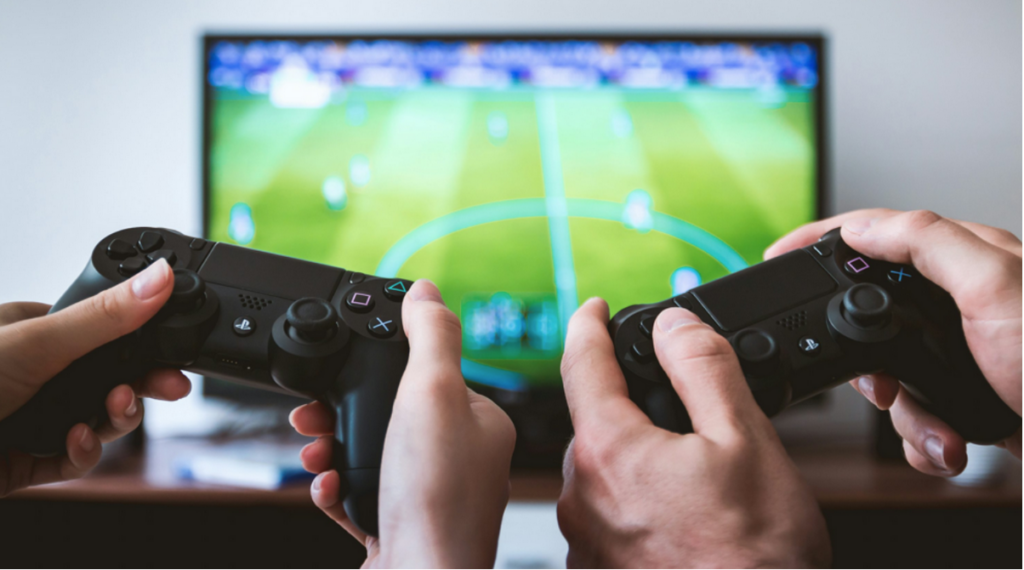
Some hobbies blend entertainment with strategy, requiring advance planning and discipline. Strategy games, model building, cooking elaborate recipes, or even managing a home garden demand thoughtful decisions and patience. For example, strategy games (like chess, board games, or complex video games) are structured challenges requiring careful planning, resource management, and decision-making to achieve goals. These games reward deliberate choices. They strengthen working memory and “cognitive flexibility” by forcing players to juggle immediate tactics versus long-term plans. They also train impulse control – good strategists learn to pause, weigh options, and avoid hasty moves. Outside of traditional games, digital hobbies can also be strategic. In some online gaming and betting platforms, players use promotional Krikya voucher codes as part of their play strategy. Redeeming such codes typically means reading the terms carefully, choosing the right time to play, and following the rules precisely. This turns the activity into a planned exercise rather than a random gamble: participants learn to research bonuses, set limits, and approach the game as a form of entertainment rather than impulsive spending. In general, hobbies that involve planning or rules (whether it’s budgeting time in a fantasy league or meticulously arranging model train tracks) encourage self-discipline and foresight.
Physical and Health Benefits of Hobbies
Many hobbies involve physical activity, which brings clear health benefits. Playing sports, dancing, gardening, hiking, biking, or even walking pets are hobbies that keep the body moving. Research finds that people with active leisure pursuits often enjoy better cardiovascular health, strength, and mobility. In a broad health review, leisure activities were shown to protect against chronic diseases: engagement in hobbies can improve self-reported physical health and even lower risks of heart disease and dementia. Regular active hobbies help manage weight, blood pressure, and cholesterol – effects similar to planned exercise routines. Beyond physical fitness, active hobbies also boost mood. When you’re physically engaged, your brain releases endorphins and other mood-enhancing hormones, which reduce feelings of pain and stress. Thus, a weekly dance class or weekend hike can strengthen your muscles and joints and help you feel more energetic and optimistic.

Social Connections and Community
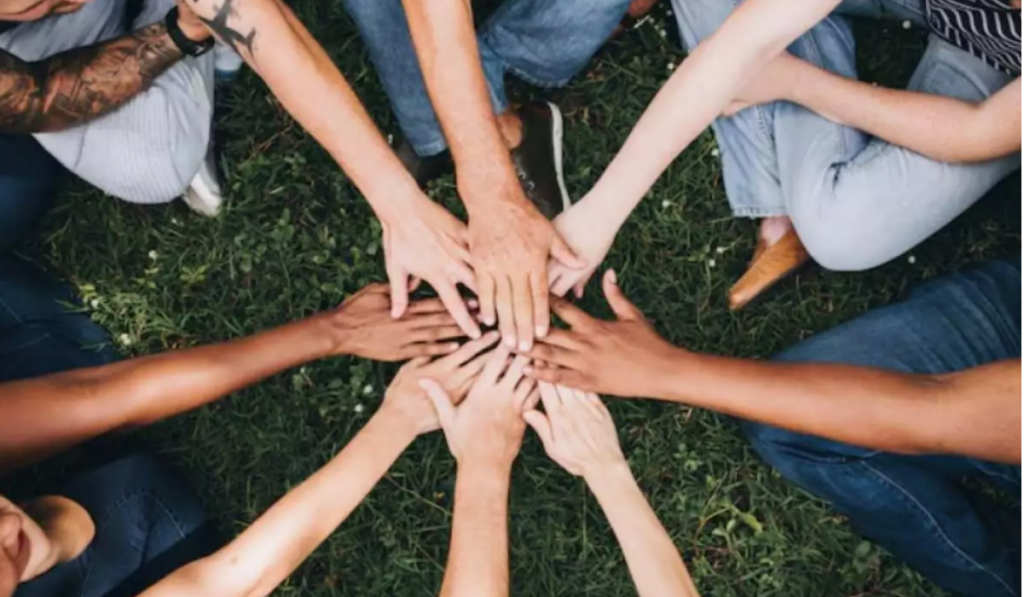
Many hobbies naturally involve other people, and these social ties further improve quality of life. Joining a sports team, book club, dance class, or volunteer group brings you into a community of like-minded peers. Group-based hobbies encourage routine interaction, mutual support, and shared progress. Online platforms like Meetup or Discord hobby servers extend these connections further, allowing people to join interest-based communities regardless of location. Even individual pursuits such as painting, coding, or woodworking often become social when shared through exhibitions, tutorials, or collaboration. This kind of engagement builds confidence, strengthens informal support systems, and creates space for genuine connection. In many cases, the relationships formed around a hobby become as valuable as the activity itself.
Finding and Maintaining a Hobby
Given all these benefits, how can someone choose a hobby or keep it going? First, think about what sparks your interest. It might be something you loved as a child (drawing, playing guitar) or something you’ve always wanted to try (yoga, coding, woodworking). It’s okay to experiment: try a free online class, join a local meetup, or borrow a friend’s equipment. Start small and schedule a little time each week. Even 30 minutes of a hobby can refresh your mind. Treat it like an appointment with yourself to unwind. Also consider variety: you might pair a creative hobby (like sketching) with a physical one (like swimming) to balance mental and bodily health. Remember, the key to a lasting hobby is enjoyment. If you find a particular pastime isn’t fun, move on to something else. Over time, you’ll discover what activity truly motivates you. Finally, involve others if possible. Hobbies shared with friends or family turn into quality bonding time. But even solo hobbies build personal discipline and creativity.
Features
Securing Your Account on PHBingo Login (GameZone)
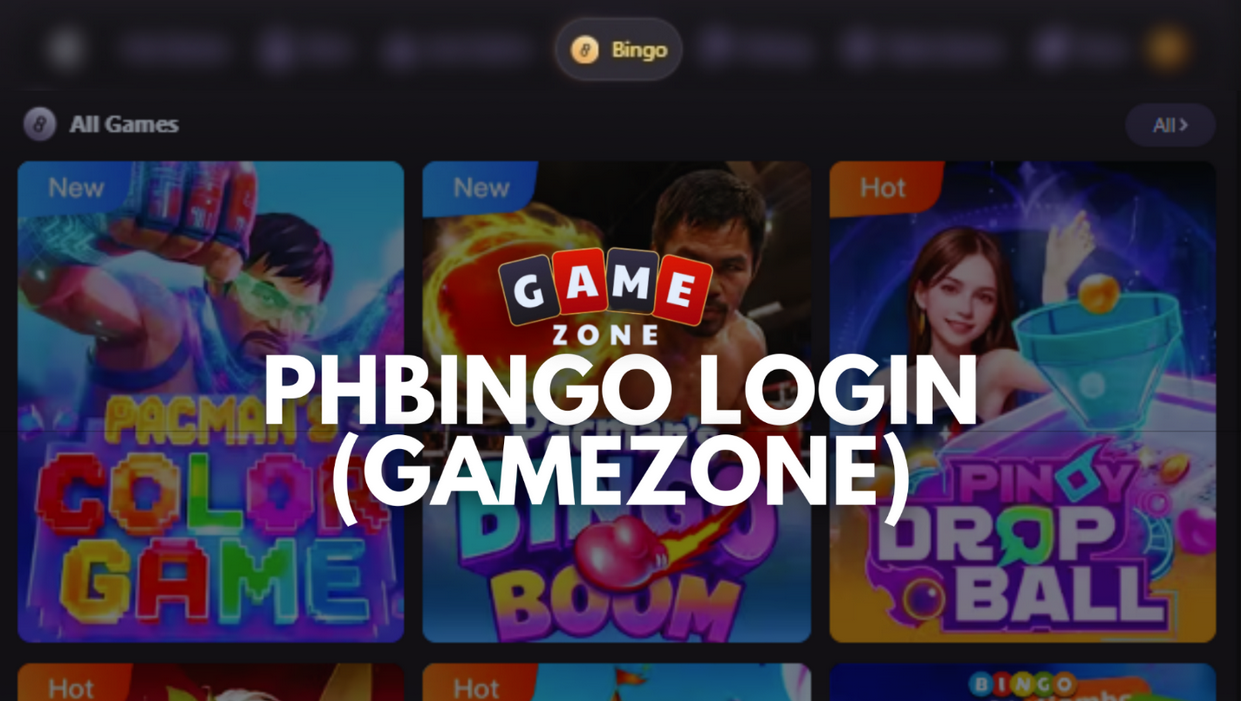
The rising popularity of online casino platforms like GameZone has attracted many players eager to indulge in their favorite bingo games. As the number of users grows, so does the need for account security. Protecting personal data, playing progress, and account wallets has become vital due to the increase in online threats. Learning effective security techniques for PHBingo Login (GameZone) is essential for players, ensuring both safety and uninterrupted gameplay.
GameZone, a platform that features traditional and modern bingo games, stores sensitive information about user details, progress, and financial data. Without proper precautions, accounts may fall victim to unauthorized access, leading to loss of control, misuse of credentials, and exposure to significant risks. Following preventative measures will allow players to enjoy their favorite games worry-free.
Risks of Unauthorized Access in Online Bingo Play
Players using GameZone or similar platforms need to consider the potential consequences of compromised accounts. The inability to access an account, unauthorized transactions, and losing virtual credits are common issues resulting from poor security. Personal data, such as email addresses or payment information, is also at risk once hackers gain access.
While online casino platforms offer built-in security mechanisms, users carry the responsibility of implementing their own account protection solutions. Taking proactive steps, such as using strong passwords and enabling additional security layers, greatly reduces exposure to risks.
Steps to Secure Your PHBingo Account
1. Set a Strong, Unique Password
Having an easily guessed password, like “123456” or a birthdate, leaves accounts highly vulnerable. Strong passwords are critical for better security and protecting login details.
Strong password elements to consider:
- A combination of uppercase and lowercase letters
- Numbers and symbols
- A length of at least 8–12 characters
Using different passwords for each account ensures that other platforms won’t be compromised if one is hacked. Players should create passwords that are unique and hard to decipher.
2. Enable Two-Factor Authentication (2FA)
Two-factor authentication (2FA) provides an additional security layer on GameZone online platforms. When enabled, it requires a secondary verification code sent to a user’s mobile phone to complete the login process.
Benefits of using 2FA:
- Prevents unauthorized access, even if passwords are exposed
- Adds extra verification for every login attempt
This security feature is highly beneficial for players frequently engaging in multiplayer bingo games or downloading game applications. Gamers reduce unauthorized access risks significantly by implementing 2FA.
3. Avoid Logging in Over Public Wi-Fi
Connecting to GameZone through public Wi-Fi networks puts users at risk. Public or unsecured networks allow cybercriminals to intercept data on the network, including login credentials.
Safer alternatives include:
- Using private and secure network connections at home.
- Avoiding logins from shared or public devices.
- Relying on mobile data for safer gameplay while traveling or away from home.
These preventive measures ensure a secure experience, wherever the player may be.
4. Update Devices and Apps Regularly
Neglected updates on devices or casino platforms expose users to software vulnerabilities. Regular updates deliver patches and fixes to enhance protection against hackers.
Best practices for keeping systems updated:
- Install updates for operating systems and browsers at regular intervals.
- Download GameZone apps and updates officially from trusted sources.
- Avoid using third-party versions of GameZone applications.
Updated devices and applications offer smoother and more secure sessions, ensuring that accounts remain safeguarded.
5. Log Out After Playing Sessions
Failing to log out from GameZone accounts increases the risk of unauthorized access, especially on shared or public devices. Ensuring account disconnection after gameplay is a simple yet effective habit.
Steps to improve logout practices:
- Avoid saving login details when using shared devices.
- Clear cache and browsing data after accessing accounts.
- Make it a point to log out systematically after every session.
Regularly logging out minimizes the chances of account breaches and maintains better security for PHBingo accounts.
6. Beware of Phishing Scams
Phishing scams involve fake emails or messages impersonating official GameZone communications to trick players into revealing login information. These scams often include links to malicious websites posing as the platform’s login page.
Signs of phishing schemes include:
- Emails claiming “urgent account issues” requiring immediate action
- Links to web pages that request sensitive login credentials
- Emails sent from domains that look unofficial or are oddly spelled
Players should always enter their credentials through the official GameZone login page rather than clicking on suspicious links to avoid falling victim to such scams.
7. Monitor Account Activity Regularly
Checking account activity makes it easier to detect and resolve suspicious behavior or unauthorized logins. Reviewing recent account use helps players pinpoint breaches quickly.
Effective steps to manage account activity:
- Change passwords immediately if irregular activity appears.
- Reach out to GameZone support for assistance with securing compromised accounts.
- Monitor recent logins and transactions for unrecognized activities.
Tracking account patterns ensures issues are addressed early, making it easier to control risks.
8. Use Secure Payment and Transaction Methods
Online bingo often involves linking accounts with payment methods. Securing financial data ensures that sensitive information isn’t exploited or mishandled.
Practical payment security tips include:
- Using verified and reputable payment gateways.
- Avoiding unauthorized transactions or sharing of payment details.
- Double-checking URLs to ensure the payment page is official and secure.
Secure payment methods enhance the overall user experience while providing peace of mind for frequent players.
9. Avoid Sharing Account Credentials
Sharing login information with others, even with close friends, increases the risk of unauthorized access or account misuse. Keeping accounts private ensures better control over personal playing progress.
Reasons to avoid sharing login details:
- Reduces the possibility of accidental account misuse.
- Preserves account integrity and progress.
- Prevents unknown individuals from accessing personal information.
Limiting account sharing eliminates these risks and ensures safety for all users.
10. Focus on Responsible Practices Alongside Security
Combining security precautions with responsible practices allows for a safe and balanced experience. GameZone promotes responsible practices by offering reminders and restrictions that prevent excessive gameplay.
By maintaining both security and healthy habits, players can enjoy a fun, worry-free environment.
Enhancing GameZone Experiences Through Security

Secure play for PHBingo accounts begins with adopting strong cybersecurity habits. Simple measures like using complex passwords, enabling two-factor authentication, and avoiding suspicious links create a robust system of protection. Regular account monitoring and updates further help reduce risks associated with online threats.
By reinforcing security steps, users gain confidence in their platforms, ensuring they can focus on enjoying PHBingo and other offerings worry-free.
Features
Today’s Antizionism is Jew-Hatred
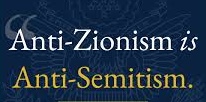
By HENRY SREBRNIK The Jewish world has grown darker. I’m not going to compare the anti-Jewish hate that has spread across this and other countries since October 7, 2023, to the Holocaust, but we know that Jewish life has become far more precarious. And so much of the hatred flies under the rubric of so-called “antizionism,” with people claiming that this isn’t “antisemitism.” But this is a false dichotomy. And we know it when we see it.
“Antizionism” is not about the now arcane historical debates that occurred mainly within Jewish communities from the 19th century through 1948, in which those who became Zionists sought to actualize the Jewish ties to biblical Israel and recreate a modern state. By “Zionists,” today’s enemies are not referring to supporters of the 19th century self-liberation movement of the Jewish people, whose goal was to establish a national home. They known little of this history. They’ve never heard of Theodor Herzl, Ahad Ha’am, Ber Borochov, Ze’ev Jabotinsky, or Chaim Weizmann.
As a derogatory slur, a pejorative, it simply means “Jew,” the way earlier words, now archaic, used to. Some call Jews “Zios.” They mean the Jewish people, who exist in opposition to everything good in the world, and who are figures of emblematic wickedness. In this they simply update what Nazis said a century ago. Hitler, too, was an “antizionist,” along with his racial antisemitism. It attacks Jews, here in Western countries like Canada – in the cities where they live, in the universities they attend, in the publishing houses where they send their manuscripts, and in the entertainment world where they act and sing.
Note that it calls itself antizionism, not anti-Israelism, so that the net can grab virtually every Jew who simply wants to see Israel not destroyed – and that’s the vast, vast majority. We Jews know what it means, regardless of what our enemies claim. Would anyone think that the term antisemitism means hatred of Semites?
Clearly a ludicrous idea; it was invented in the 19th century by a German Jew-hater, Wilhelm Marr, to make it sound more “racially scientific.” No one is fooled by that, of course, nor should they be by so-called “antizionism.” In its effects, it is for Jews a distinction with a negligible difference. It is meant to portray Jews as villains, and while it may fool some gullible people, it will deceive very, very few of us.
After all, as Michel Coren noted in “Roald Dahl’s Antisemitism Feels Painfully Familiar,” in the British magazine the Spectator March 16, “most Jewish people do in fact to varying degrees support Israel, partly because centuries of bigotry, violence, massacre, and attempted genocide have given them little alternative. They may oppose Israeli policy, may condemn the current government, may even want radical compromises, but there’s still support. And in the current climate of leftist and Islamist triumphalism, it’s all Zionism and none of it acceptable.”
Anti-Zionism is marked by three core “libels”: that “Zionists” are colonizers, guilty of apartheid, and committing genocide. (Actually, the only time we were settler-colonialists was when we conquered Canaan, but that was God’s doing!) Anti-Israel activists incorporate historical manifestations of anti-Jewish discrimination under the guise of anti-Zionist political activism, from the blood libel to Nazi-era tropes, mixed with contemporary academic theories. Anti-Zionism acts as a container for these historical tropes, blending them together with progressive talking points.
George Washington University professor Daniel Schwartz, in “Vocabulary Lesson,” Jewish Review of Books, Spring 2026, describes a pro-Palestinian demonstration in 2025 at his campus where a student held a placard with Israel at the center and spokes radiating outward to other evils: imperialism, white supremacy, even reproductive injustice. “This is not garden-variety political criticism of Israel policies or conduct. It invokes a symbolic architecture in which the Jewish state becomes the universal source of global suffering — a structure with deep resonance in antisemitic thought.”
Scholars argue that it is the third major iteration of discrimination against Jews. The first was anti-Judaism, based on religion, the second was antisemitism, focused on race, and the third, anti-Zionism, is a hatred of Jewish peoplehood.
“Anti-Zionism transforms the very meaning of Zionism,” contends Adam Louis-Klein. “The Jew is reconstructed through a new symbolic logic and a new repertoire of stereotypes.” Where antisemites invoked the pseudo-biological figure of “the Semite” to cast Jews as an Oriental race infiltrating the West, anti-Zionists invoke the authority of the social sciences to recode the Jew as the “Zionist,” a European colonizer destined to commit genocide of a non-European population.
“Erasing Jewish indigeneity and severing Jewish belonging to the land of Israel, anti-Zionism transforms the race polluter of antisemitism into the white settler of anti-Zionism,” he asserts in his March 24, 2026 Free Press article “Yes, Anti-Zionism Is Discrimination.”
For this reason, he writes, it’s imperative that organizations and institutions committed to protecting Jews and fighting the scourge of Jew-hatred start condemning—clearly and without apology—antisemitism and antizionism. This goes to the moral core of the matter: the right of Jews to a homeland versus the bigotry of those who deny them that right.
After the Holocaust, explicit Jew-hatred became unfashionable in polite society, but the impulse never disappeared. The workaround was simple: separate Zionism from Judaism in name, then recycle every old anti-Jewish trope and pin it on “the Zionists.”
Henry Srebrnik is a professor of political science at the University of Prince Edward Island.